Content Creation Best in category 1 results Voice Synthesis AI Tool

Popular AI tools in the Voice Synthesis field of Content Creation include AIVideoTranslator, etc., helping you quickly improve efficiency.

Free
AIVideoTranslator

AIVideoTranslator

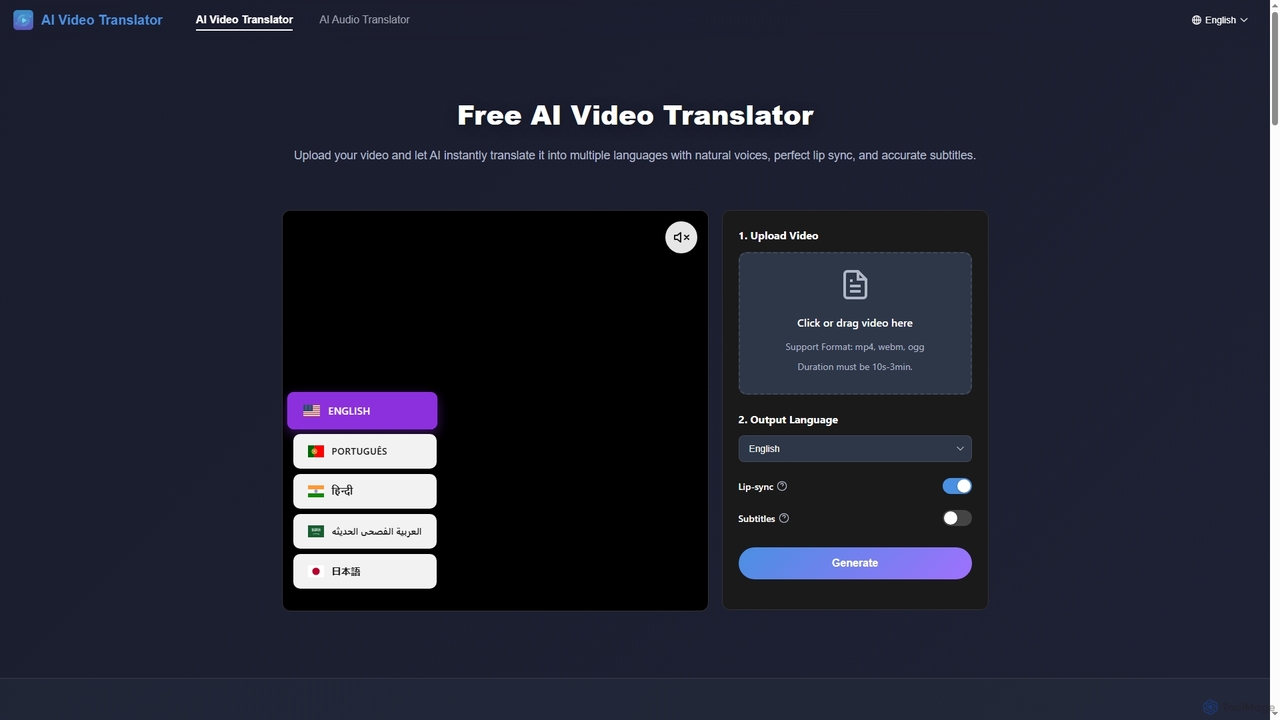
AIVideoTranslator is a powerful AI tool that instantly translates videos and audio into multiple languages with natural voices, …

12.7K

About Voice Synthesis

Voice Synthesis tools are a class of AI applications that convert written text into natural-sounding human speech, often referred to as Text-to-Speech (TTS). Leveraging deep learning and neural networks, these tools can generate audio with realistic intonation, emotion, and pacing, far surpassing traditional robotic voices. They are primarily used to create audio content at scale, such as voiceovers, podcasts, and accessibility features. Advanced platforms even offer voice cloning, allowing users to create a digital replica of a specific voice from a short audio sample.

Core Features

  • High-Fidelity Voices: Generation of clear, human-like speech in various styles, genders, and ages.
  • Voice Cloning & Customization: Ability to create a digital replica of a specific voice or fine-tune parameters like pitch, speed, and pauses.
  • Multi-Language & Accent Support: A vast library of languages and regional accents to cater to a global audience.
  • Emotional & Stylistic Control: Options to infuse speech with emotions (e.g., happy, sad, angry) or specific styles (e.g., newscaster, conversational).
  • API Access: Allows for programmatic integration of voice generation into applications, websites, and services.

Applicable Scenarios

These tools are widely used by content creators for YouTube videos and podcasts, instructional designers for e-learning modules, and authors for audiobook production. In business, they are applied in automated customer service systems (IVR), corporate training videos, and creating localized marketing content. Developers also use them for building applications with voice feedback and accessibility features.

Selection Criteria

When choosing a Voice Synthesis tool, evaluate the realism and naturalness of the voices offered. Consider the breadth of the voice and language library, as well as the depth of customization options available (e.g., SSML support). For developers, the quality of API documentation and integration ease is crucial. Finally, assess the pricing model—whether it's subscription-based, pay-per-character, or tiered—to ensure it aligns with your usage volume.

Voice SynthesisUse Cases

1

Creating Voiceovers for Videos and Podcasts

Content creators, such as YouTubers and podcasters, often require consistent and high-quality narration. Instead of recording their own voice or hiring expensive voice actors, they use AI Voice Synthesis tools. By simply pasting their script into the tool, they can generate a professional-sounding voiceover in minutes. They can select a voice that matches their brand's tone, adjust the pacing for dramatic effect, and ensure flawless pronunciation, significantly speeding up production time and maintaining audio consistency across all their content.

2

Developing E-Learning and Training Modules

Instructional designers are tasked with creating engaging and accessible educational content. AI Voice Synthesis allows them to convert course materials into audio format quickly. This is especially useful for creating multilingual training programs for global companies. A designer can generate narration for a module in English, and then instantly produce the same narration in Spanish, German, and Japanese using the same tool. This not only saves significant budget on voice talent but also ensures a uniform learning experience for all employees, regardless of their location.

3

Generating Audiobooks from Digital Text

Authors and publishers can transform their e-books and manuscripts into audiobooks without the high cost and lengthy process of studio recording. Using a voice synthesis tool, they can upload their entire text and select a narrator voice that fits the genre of the book. Advanced tools allow for adjustments in tone for different characters or chapters. The result is a complete audiobook produced in a fraction of the time and cost, making audio content more accessible for independent authors and small publishing houses, and expanding their reach to the growing market of audiobook listeners.

4

Prototyping IVR and Voice Assistant Responses

Developers and UX designers building conversational AI systems, like IVR for customer support or voice assistants, need to test dialogue flows with realistic voices. Instead of recording temporary voice lines, they use a voice synthesis API. This allows them to rapidly prototype and iterate on scripts. They can instantly generate audio for new dialogue options, test how different voices impact user experience, and share interactive prototypes with stakeholders for feedback, all before committing to final voice talent or recording sessions.

5

Creating Accessible Content for Visually Impaired Users

Organizations and educational institutions use voice synthesis to make their digital content, such as articles, reports, and websites, accessible to people with visual impairments. By integrating a TTS feature, users can listen to the content instead of reading it. This goes beyond basic screen readers by providing a more natural and engaging listening experience. Using high-quality AI voices helps improve comprehension and reduces listening fatigue, ensuring that important information is accessible to a wider audience and complying with accessibility standards like WCAG.

6

Personalized Voice Cloning for Brand Identity

A company or public figure can create a unique, recognizable AI voice to use across all their audio communications. By providing a few minutes of high-quality audio recording of a specific person (with their consent), a voice synthesis tool can generate a clone. This cloned voice can then be used to narrate marketing videos, provide company announcements, or power a branded virtual assistant. This creates a strong, consistent brand identity and a more personal connection with the audience, without requiring the original speaker to be available for every new recording.

Voice SynthesisFrequently Asked Questions