ToolMage
Sign in

Best 31 Writing Assistant for Content Creation

Popular Writing Assistant in Content Creation include GigaChat, Publer, Yiyan, Hootsuite, ChatGOT, Grasp, RichlyAI, Publora, PrompTessor, and CompareLabs, helping you work more efficiently.

KoalaKonvo
Free

KoalaKonvo

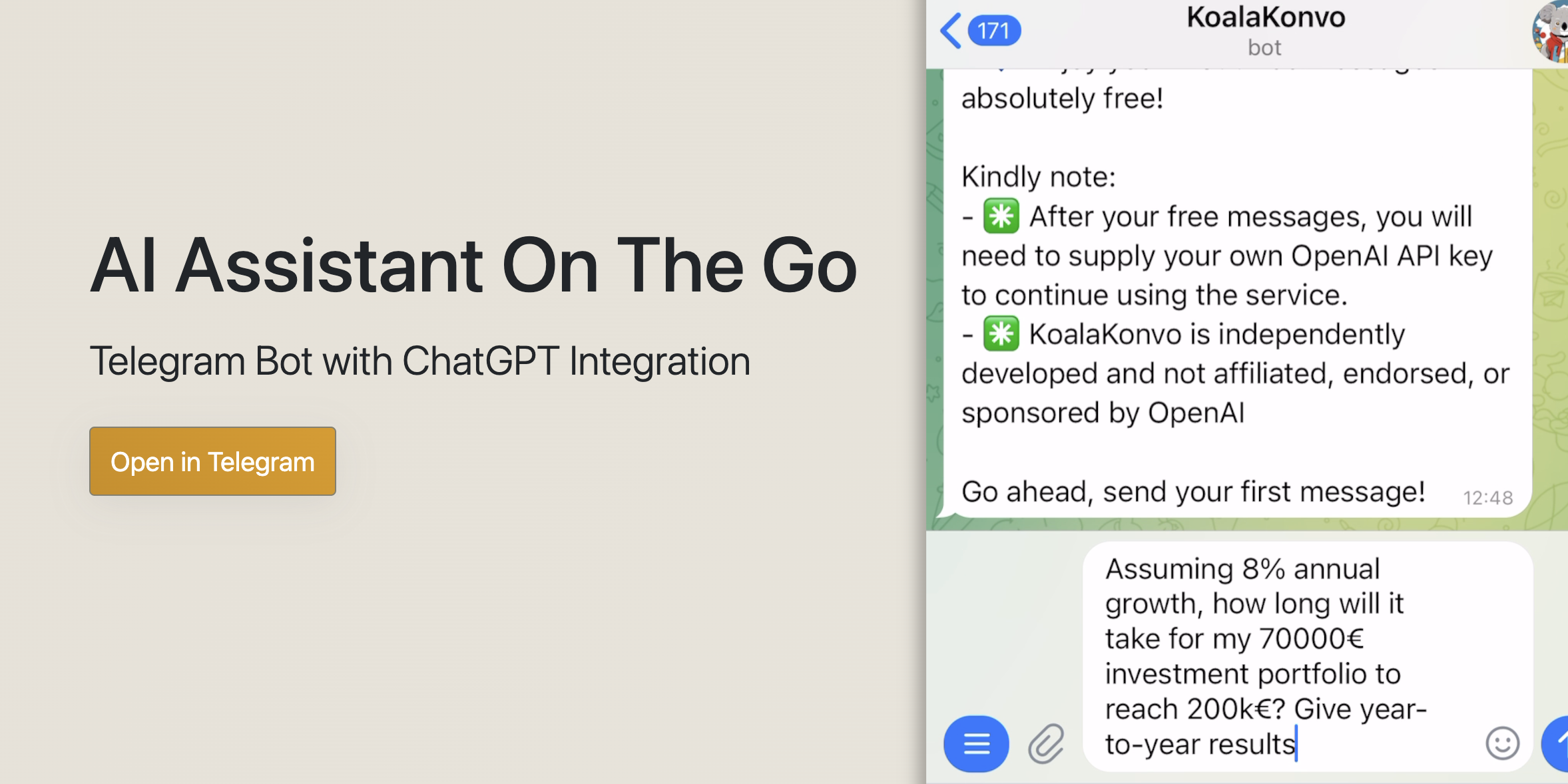
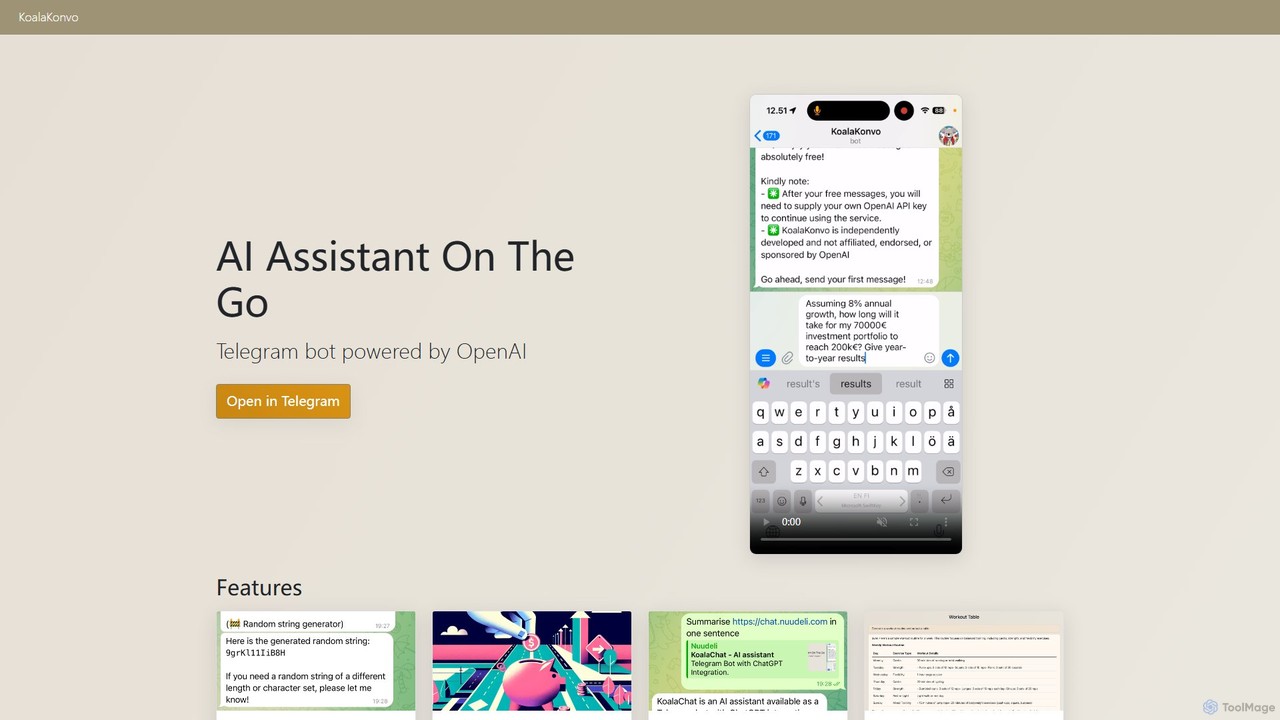
KoalaKonvo is a powerful, multi-functional AI assistant for Telegram, powered by OpenAI. It integrates advanced features like code creation, web browsing, and image generation directly into your chat, operating on a transparent pay-as-you-go model using your own API key.

Writing Assistant
Visits 5.6KFavorites 126Likes 128

About Writing Assistant

Writing Assistant tools are AI-powered applications designed to significantly enhance and streamline the writing process. Leveraging advanced natural language processing (NLP) and machine learning, these tools help users generate, refine, proofread, and optimize text across various formats. They provide intelligent suggestions, automate repetitive tasks, and improve overall content quality, making them invaluable within the broader Content Creation category. From drafting emails to crafting long-form articles, writing assistants boost productivity and ensure linguistic precision.

Core Features

  • Content Generation: Automatically create outlines, drafts, or full pieces of text based on user prompts and keywords.
  • Grammar & Style Correction: Identify and suggest improvements for grammatical errors, spelling, punctuation, and stylistic inconsistencies.
  • Paraphrasing & Rewriting: Rephrase existing text to improve clarity, conciseness, or to generate variations for different contexts.
  • Tone & Readability Adjustment: Analyze and modify text to match a desired tone (e.g., formal, casual, persuasive) and enhance readability scores.
  • SEO Optimization: Provide keyword suggestions and structural improvements to enhance content visibility and search engine ranking.

Applicable Scenarios

Writing assistants are widely adopted by content creators, marketers, students, and business professionals. They are essential for accelerating the drafting of blog posts, social media updates, and marketing copy, as well as for ensuring the accuracy and professionalism of academic papers, reports, and business communications. These tools simplify complex writing tasks and maintain consistent quality across diverse content needs.

How to Choose

When selecting a writing assistant, consider your primary needs: content generation, editing, SEO, or a combination. Evaluate its language support, integration capabilities with your existing workflow (e.g., word processors, CMS), and the level of customization it offers. Assess the quality of AI suggestions, user interface, and pricing model to find a tool that best aligns with your specific writing goals and budget.

Featured tool rankings

Writing Assistant use cases

1

Crafting Engaging Social Media Captions

Social media managers often struggle to produce fresh, engaging captions daily. A writing assistant can generate multiple caption variations for a single post, suggest relevant hashtags, and optimize for platform-specific character limits, saving hours and ensuring consistent brand voice across channels. This allows for rapid content deployment and A/B testing, significantly boosting engagement rates and audience reach.

2

Accelerating Blog Post Draft Creation

Bloggers and content marketers frequently face writer's block or time constraints when starting new articles. Writing assistants can generate outlines, introductory paragraphs, or even full first drafts based on a topic and keywords. This significantly reduces the initial effort, allowing creators to focus on refining and adding unique insights, cutting drafting time by up to 50% and ensuring a steady content pipeline.

3

Enhancing Email Marketing Campaign Copy

Marketing teams need compelling subject lines and body copy to drive open rates and conversions. An AI writing assistant can help craft persuasive email copy, A/B test different versions, and ensure the tone aligns with campaign goals. It can also suggest improvements for clarity and call-to-action effectiveness, leading to higher engagement and ROI for email marketing efforts.

4

Streamlining Academic and Professional Proofreading

Students, researchers, and professionals require flawless documents for academic papers, reports, or presentations. Writing assistants provide advanced grammar, spelling, and punctuation checks beyond basic tools, along with stylistic suggestions for conciseness and academic tone. This ensures high-quality, error-free submissions, boosting credibility and saving significant manual review time, crucial for critical documents.

5

Generating Product Descriptions for E-commerce

E-commerce businesses with large product catalogs need unique, SEO-friendly descriptions for each item. An AI writing assistant can quickly generate diverse descriptions based on product features and target keywords. This automates a tedious task, ensures consistency in brand messaging, and improves product visibility on search engines, accelerating product launches and potentially boosting online sales conversions.

6

Adapting Content for Different Audiences and Tones

Content creators often need to repurpose content for various platforms or audiences, requiring different tones (e.g., formal report vs. casual social post). Writing assistants can instantly rephrase or rewrite text to match a specified tone, target demographic, or reading level. This ensures message consistency while tailoring delivery, expanding content reach efficiently and saving considerable manual adaptation time.

Writing Assistant FAQ

What are AI Writing Assistant tools?

AI Writing Assistant tools are software applications that use artificial intelligence, primarily natural language processing (NLP) and machine learning, to help users with various writing tasks. They go beyond basic spell-checkers by offering advanced functionalities like content generation, grammar and style suggestions, paraphrasing, tone adjustment, and SEO optimization. Their goal is to enhance writing quality, speed up the content creation process, and improve overall communication effectiveness for individuals and businesses alike.

How do I choose the best AI Writing Assistant for my needs?

Choosing the right AI Writing Assistant depends on your specific requirements. First, identify your primary use case: do you need help with content generation, proofreading, SEO optimization, or a combination? Evaluate features like language support, integration with your existing tools (e.g., Google Docs, WordPress), and the level of customization offered. Consider the pricing model, user interface, and the quality of AI-generated suggestions. Reading reviews and trying free trials can also help you find a tool that aligns with your workflow and budget.

What is the difference between a Writing Assistant and a general AI Content Generator?

While both fall under the broader "Content Creation" category, a Writing Assistant primarily assists human writers by refining, correcting, and optimizing existing text or generating specific components (like headlines, outlines). It acts as a co-pilot. A general AI Content Generator, on the other hand, often focuses on generating entire pieces of content from scratch with minimal human input, such as full articles or marketing copy, though it may lack the nuanced editing capabilities of a dedicated writing assistant. Writing assistants emphasize improvement and efficiency for human-led writing.

What specific tasks can an AI Writing Assistant help me with?

AI Writing Assistants can assist with a wide range of tasks. They can generate ideas and outlines for articles, compose marketing copy, draft emails, and create social media posts. Beyond generation, they excel at proofreading for grammar, spelling, and punctuation errors, suggesting stylistic improvements for clarity and conciseness, and adjusting the tone of your writing to be more formal, casual, or persuasive. Many also offer paraphrasing tools, plagiarism checks, and features to optimize content for search engines by suggesting relevant keywords.

Who benefits most from using AI Writing Assistants?

A diverse group of individuals and professionals can significantly benefit from AI Writing Assistants. This includes content creators, bloggers, and journalists who need to produce high volumes of engaging text; marketers and copywriters looking to optimize ad copy and email campaigns; students and academics requiring flawless papers and reports; and business professionals who want to improve the clarity and impact of their internal and external communications. Essentially, anyone who writes regularly and seeks to enhance efficiency, quality, and consistency in their written output will find these tools valuable.