Best of the Year 6 results Content Optimization AI Tools

Popular AI tools in the Content Optimization field include Website AI Score、Lighthouse、IQRush、FreshRank、LLMOlytic、Mention, etc., helping you quickly improve efficiency.

LLMOlytic

LLMOlytic

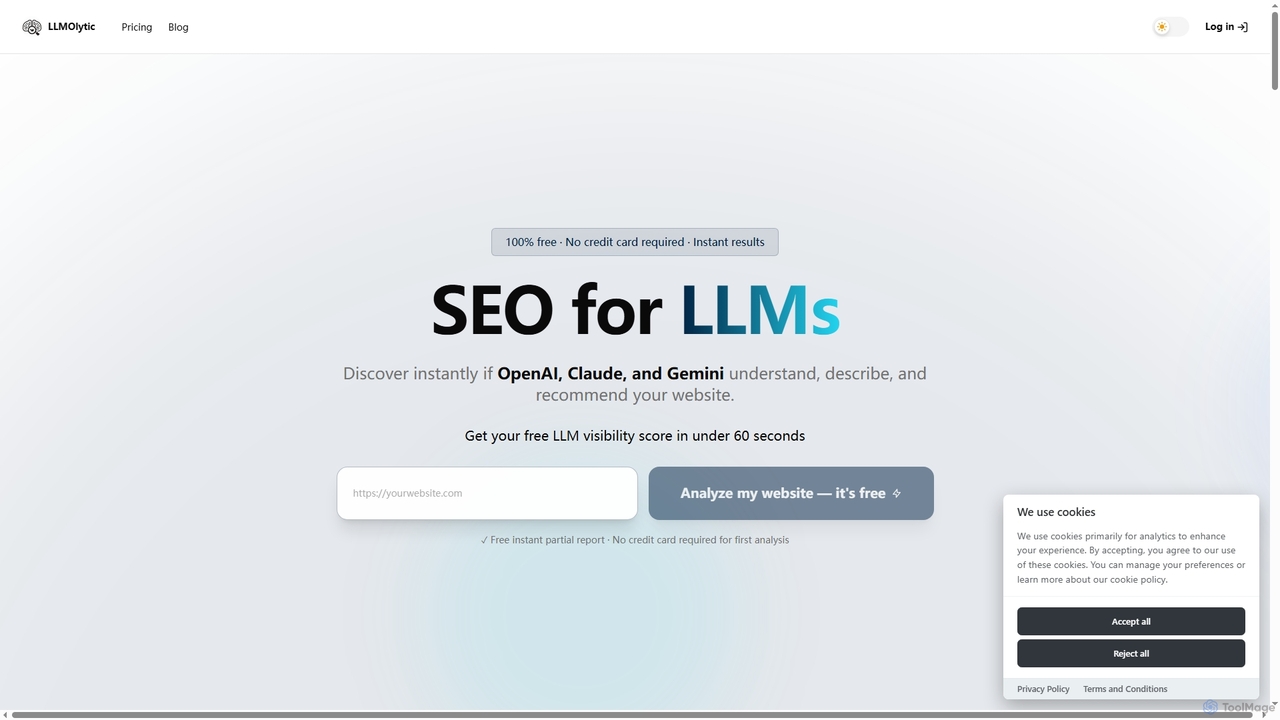
LLMOlytic is a powerful AI tool that helps websites optimize their visibility and performance across leading Large Language …

2.5K
Website AI Score

Website AI Score

Website AI Score is an AI-powered analytics and optimization platform designed for modern marketers. It diagnoses your website's …

4.6K
IQRush

IQRush

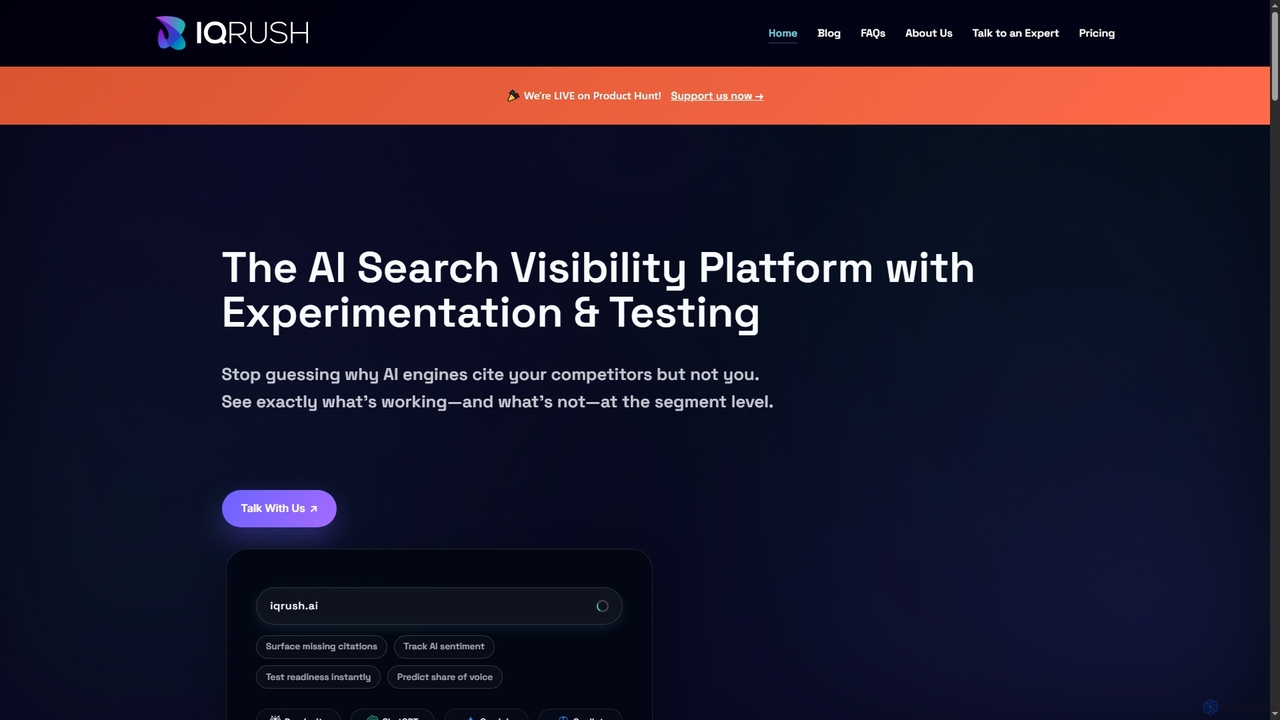
IQRush is the pioneering AI Search Visibility Platform designed to help brands optimize their content for generative AI …

2.6K
FreshRank

FreshRank

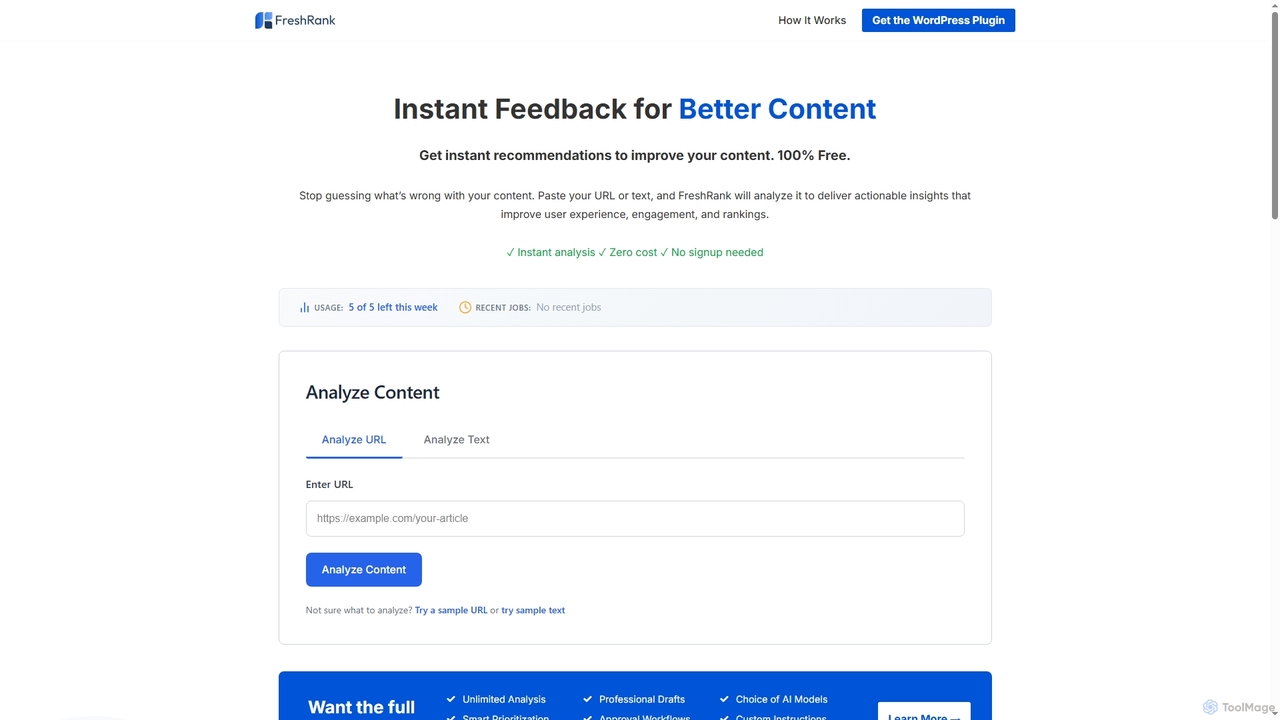
FreshRank is a free AI-powered content optimization tool that provides instant, actionable recommendations to improve your content for …

2.5K
Lighthouse

Lighthouse

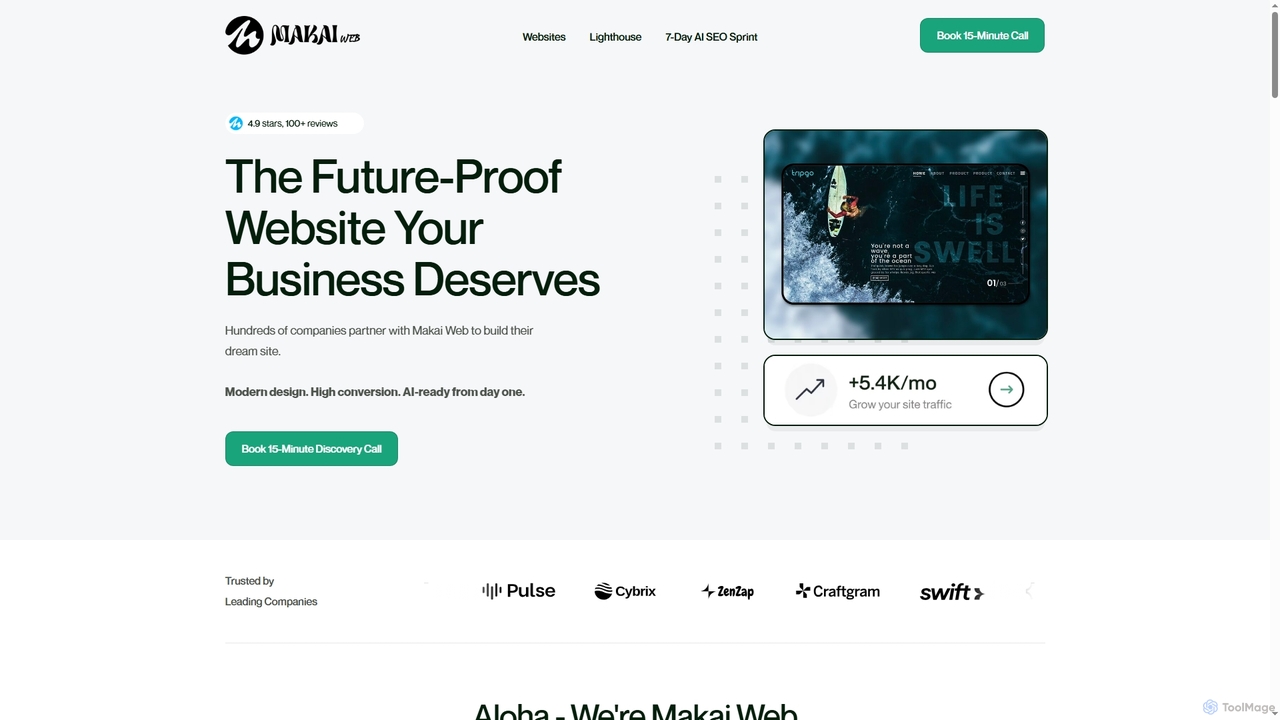
Lighthouse is Makai Web's proprietary AI SEO plugin designed to significantly enhance your website's visibility and discoverability across …

2.6K
Mention

Mention

Mention is an AI-powered GEO and AI SEO platform designed to help brands measure, analyze, and improve their …

2.4K

About Content Optimization

Content Optimization tools are AI-powered platforms designed to analyze and enhance written material for better performance. These tools leverage natural language processing (NLP) to evaluate text against key metrics like SEO effectiveness, readability, and audience engagement. They provide actionable suggestions to help writers, marketers, and businesses refine articles, blog posts, and web copy to rank higher in search results and connect more effectively with their target audience. This data-driven approach transforms content creation from a purely creative process into a strategic one focused on measurable outcomes.

Core Features

  • SEO Analysis: Provides real-time feedback on keyword usage, semantic relevance, and content structure to improve search engine rankings.
  • Readability Scoring: Assesses text complexity using established metrics (e.g., Flesch-Kincaid) and suggests ways to simplify language for better comprehension.
  • Tone and Style Adjustment: Analyzes the tone of voice (e.g., formal, casual, confident) and helps align it with brand guidelines or audience expectations.
  • Competitor Analysis: Examines top-ranking content for a target keyword to generate data-driven recommendations on structure, topics, and length.
  • Plagiarism Detection: Scans content against a vast database of online sources to ensure originality and avoid duplicate content issues.

Use Cases

These tools are widely used by SEO specialists, content marketers, copywriters, and digital marketing agencies. Common applications include optimizing blog posts before publication to maximize organic traffic, refining landing page copy to increase conversion rates, and ensuring brand voice consistency across all corporate communications. They are also valuable for content teams looking to create data-informed content briefs for writers.

How to Choose

When selecting a Content Optimization tool, consider its integration capabilities with your existing workflow, such as WordPress or Google Docs. Evaluate the depth and data source of its SEO analysis features. Ensure it supports all the languages you work with. Finally, compare the feature set against your specific needs—whether you require basic readability checks or a comprehensive suite with competitor analysis and content brief generation.

Content OptimizationUse Cases

1

Enhancing Blog Post SEO Before Publication

A content marketer drafts a blog post targeting a competitive keyword. Before publishing, they paste the text into a content optimization tool. The AI analyzes the draft in real-time, providing an SEO score and specific suggestions. It might recommend adding related long-tail keywords, increasing the density of the primary keyword in subheadings, and answering common questions found in competitor articles. The marketer implements these changes, raising the content score from 65 to 90, significantly improving its potential to rank on the first page of search results.

2

Refining Website Copy for Higher Conversion Rates

A UX writer is tasked with improving the conversion rate of a product landing page. They use a content optimization tool to analyze the existing copy. The tool's readability analysis flags several sentences as too complex for the target audience (e.g., a 12th-grade reading level). The tone analysis suggests the language is too passive. The writer uses the tool's suggestions to simplify sentences, replace jargon with clearer terms, and adopt a more active, benefit-oriented tone. The revised copy is more persuasive and easier to understand, contributing to a measurable lift in sign-ups.

3

Maintaining Brand Voice Consistency Across a Team

A marketing manager needs to ensure all content published by their team of five writers adheres to the company's 'confident but approachable' brand voice. They configure a content optimization tool with a custom style guide, defining forbidden words (e.g., 'perhaps,' 'maybe') and preferred sentence structures. Now, when any writer creates content, the tool automatically flags deviations from the guide. This system acts as an automated editor, ensuring consistency without requiring the manager to manually review every single piece of content, saving time and standardizing output.

4

Creating Data-Driven Content Briefs for Writers

An SEO strategist needs to create a comprehensive brief for a freelance writer on the topic 'best project management software'. Instead of manual research, they use a content optimization tool's brief generation feature. They input the target keyword, and the AI analyzes the top 10 ranking articles. It generates a brief that includes a recommended word count, a list of essential subheadings (e.g., 'Key Features,' 'Pricing Comparison'), common questions to answer, and a list of semantically related terms to include (e.g., 'Gantt charts,' 'team collaboration'). The writer receives a clear, data-backed roadmap, reducing research time and ensuring the final article is SEO-competitive.

5

Refreshing and Updating Underperforming Content

An SEO specialist identifies a blog post that was published two years ago and has dropped from page 1 to page 3 in search results. They use a content optimization tool to re-evaluate the article against current top-ranking content. The tool highlights that the article is now too short, misses key subtopics that have emerged since it was written, and uses outdated terminology. The specialist updates the content based on these AI-driven insights, adding 500 new words and two new sections. After republication, the article regains its first-page ranking within a few weeks, reviving a valuable traffic-driving asset.

6

Ensuring Originality in Academic and Professional Writing

A university student is finalizing their thesis, which includes extensive research and citations. To avoid unintentional plagiarism, they run the entire document through a content optimization tool's plagiarism checker. The tool scans the text and highlights three sentences that are too similar to online sources, providing links to the original articles. The student is then able to properly paraphrase these sections and add the correct citations, ensuring the academic integrity of their work. This process gives them confidence in submitting a document that is both well-written and original.

Content OptimizationFrequently Asked Questions