ToolMage
Sign in

Best 8 Brand Monitoring AI tools for Analytics

Popular Brand Monitoring AI tools in Analytics include Mention Network, Radarkit, RankinAE, Mention, Surfgeo, VecDoor, Gemrank, and Unifr, helping you work more efficiently.

VecDoor
Freemium

VecDoor

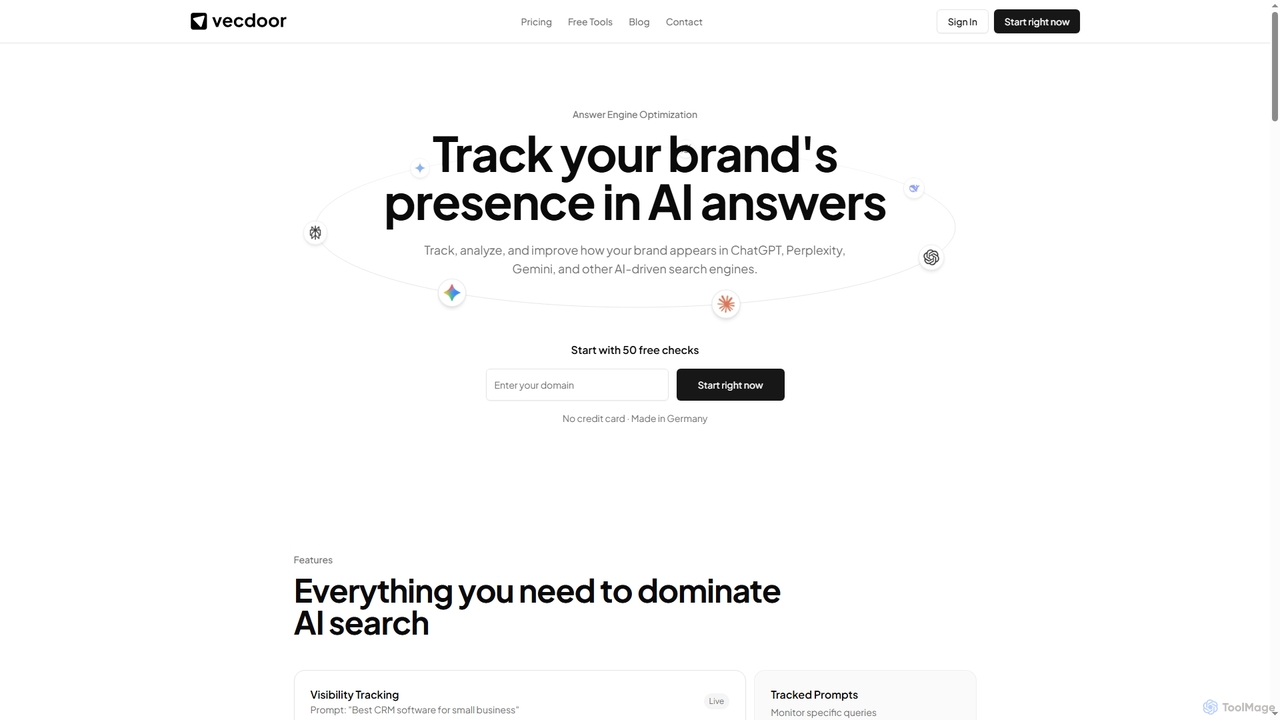
VecDoor is a pioneering Answer Engine Optimization (AEO) platform that tracks, analyzes, and improves your brand's visibility and sentiment in AI-driven search engines like ChatGPT, Perplexity, and Gemini. It provides actionable insights to dominate the evolving AI search landscape.

Generative Ai
Visits 6KFavorites 39Likes 38
RankinAE
Paid

RankinAE

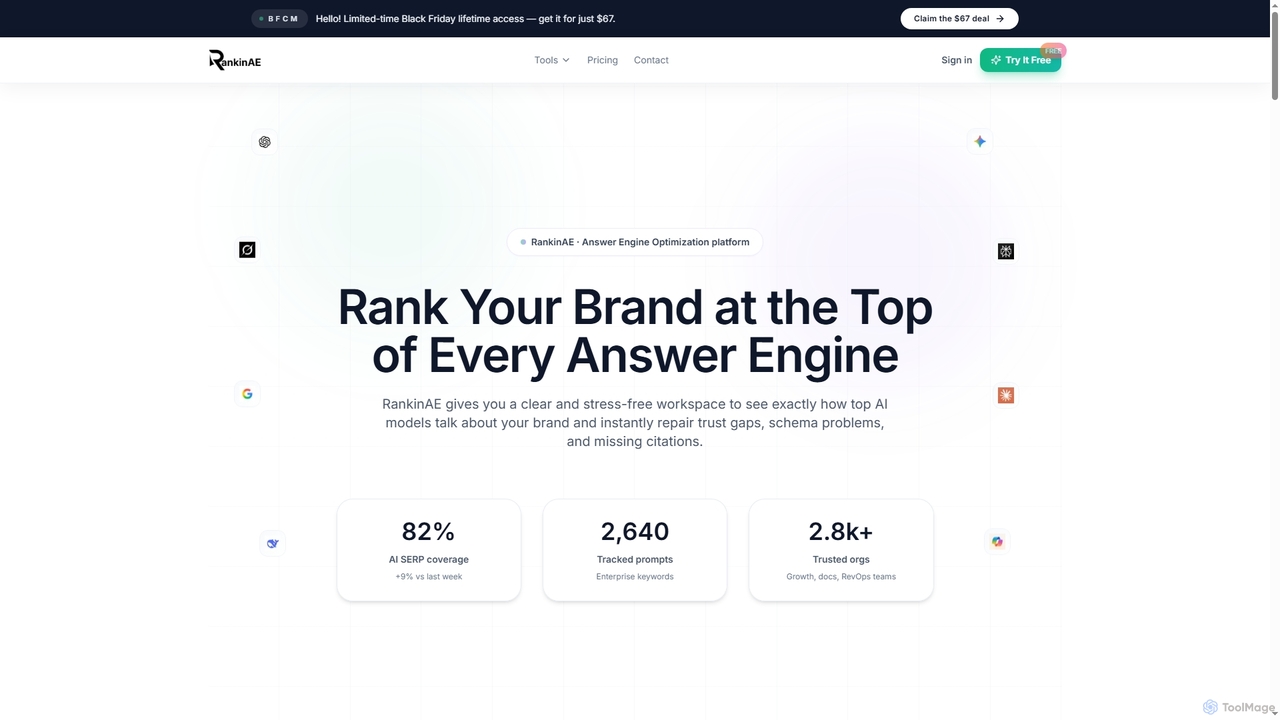
RankinAE is an Answer Engine Optimization (AEO) platform designed to help brands achieve top visibility and accurate representation within leading AI models like ChatGPT, Gemini, and Claude. It provides tools to monitor AI perception, identify content gaps, and optimize trust signals for enhanced AI search performance.

Brand Monitoring
Visits 6.6KFavorites 66Likes 74
Mention Network

Mention Network

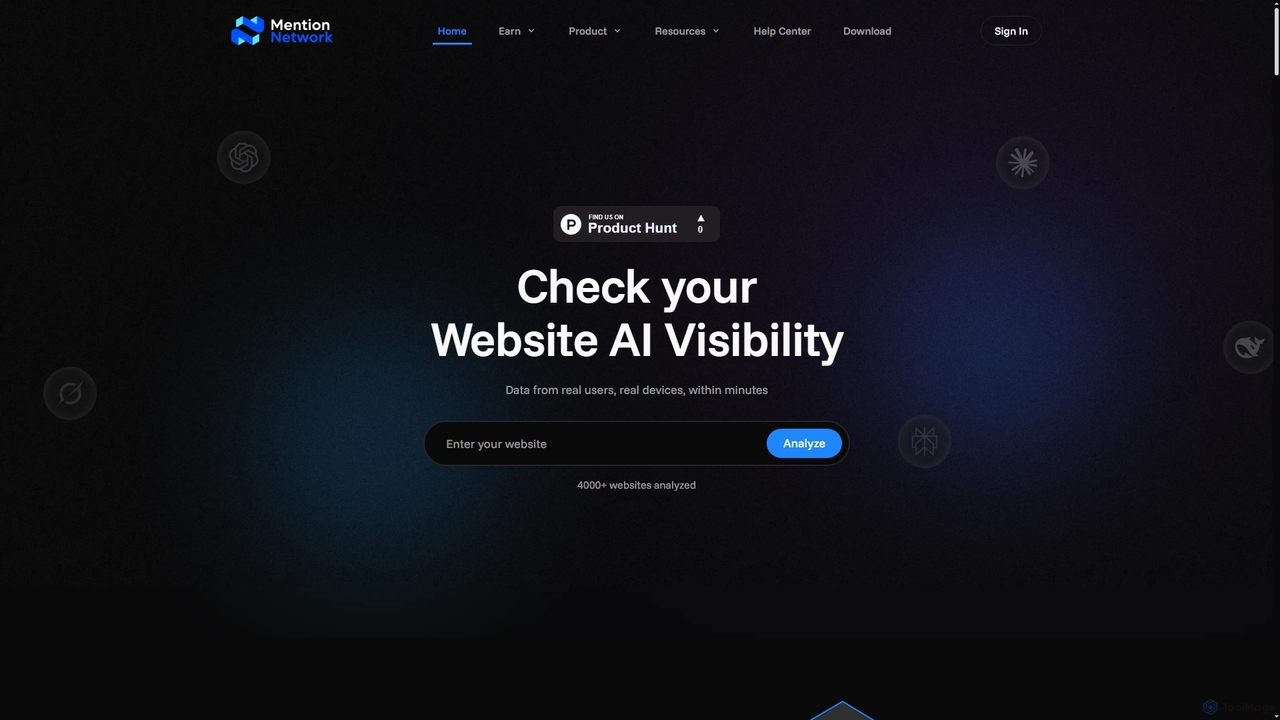
Mention Network is a decentralized data protocol for Generative Engine Optimization (GEO), helping brands track and optimize their visibility in AI tools like ChatGPT and Gemini. It leverages real user data to provide insights into AI mentions, context, and competitive performance, rewarding contributors for their input.

Brand Monitoring
Visits 18.3KFavorites 94Likes 88
Radarkit
Paid

Radarkit

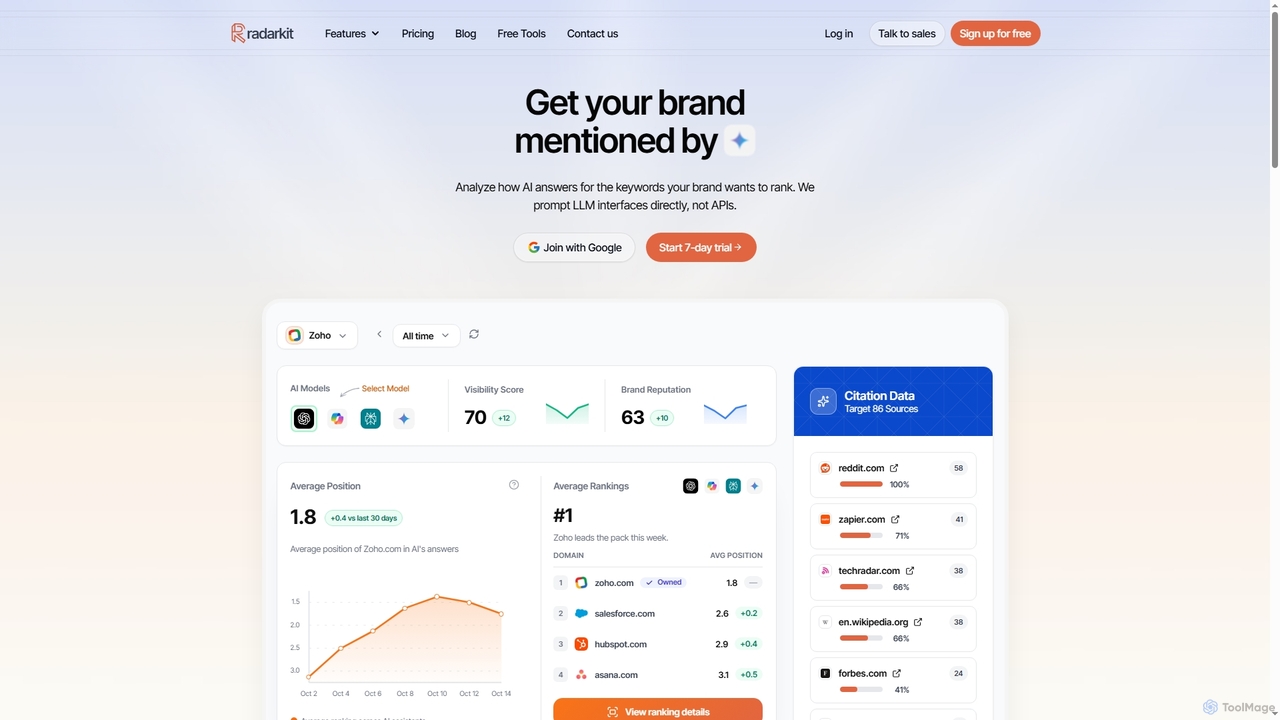
Radarkit is an advanced LLM visibility tracker and AI search analytics tool designed to monitor your brand's presence and performance across major AI assistants like ChatGPT, Gemini, and Perplexity. It provides actionable insights to optimize your AI SEO strategy, track competitors, and identify valuable backlink opportunities.

Brand Monitoring
Visits 18.2KFavorites 114Likes 116
Gemrank
Paid

Gemrank

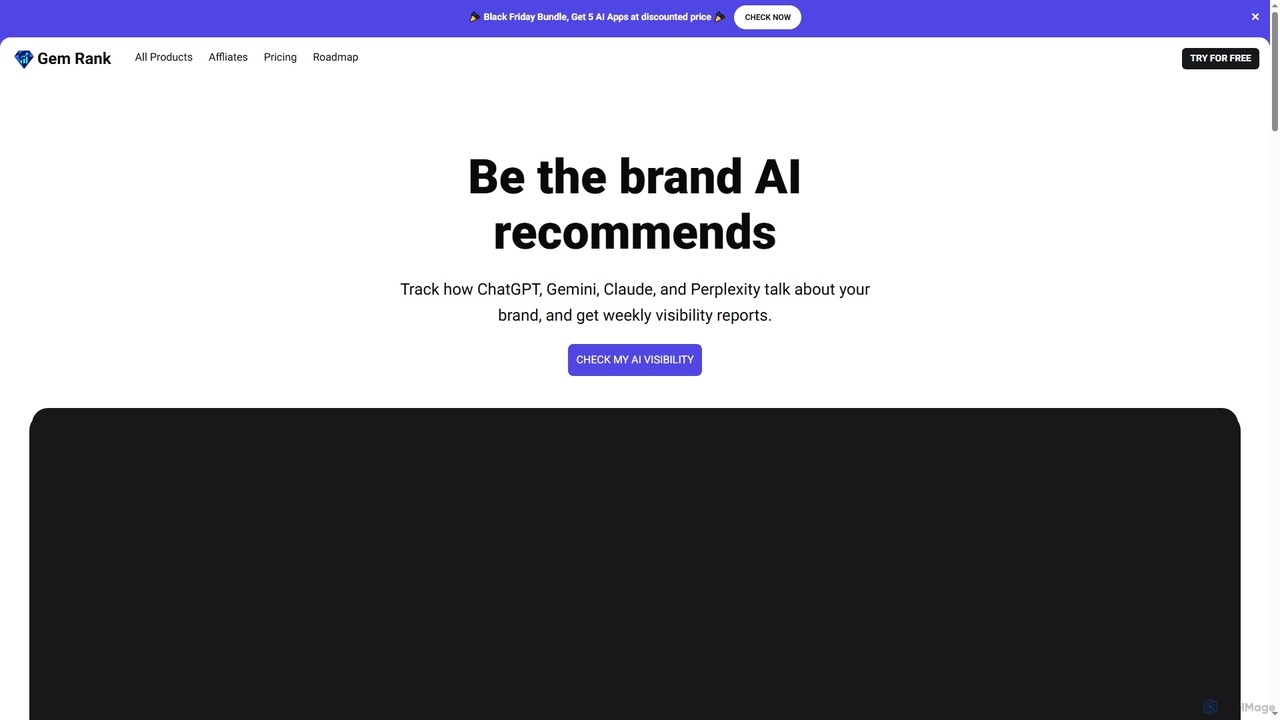
Gemrank is an AI visibility monitoring tool that tracks how major AI chatbots like ChatGPT, Gemini, Claude, and Perplexity mention and rank your brand against competitors. It provides actionable insights and weekly reports to optimize your AI SEO strategy and identify market opportunities.

Brand Monitoring
Visits 6KFavorites 123Likes 134
Unifr
Paid

Unifr

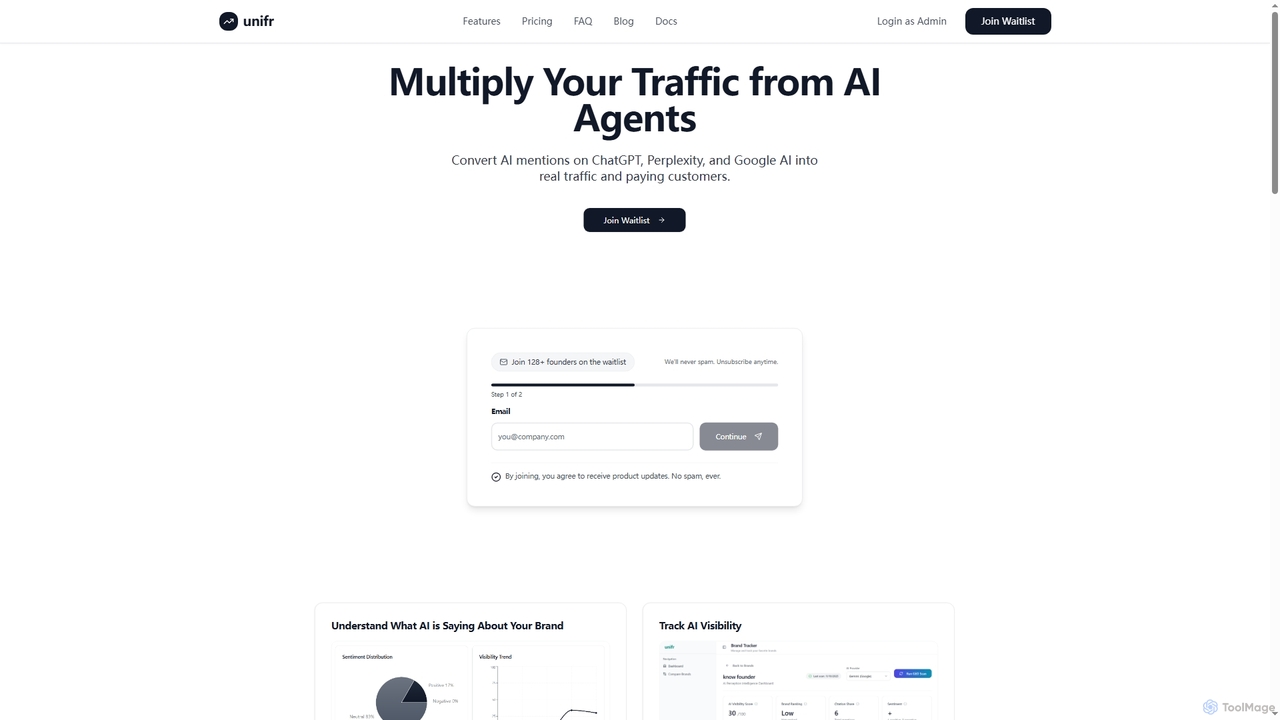
Unifr is an AI visibility tracking tool designed to help businesses and individuals understand, monitor, and optimize their brand's presence across major AI platforms like ChatGPT, Perplexity, and Google AI. It converts AI mentions into actionable insights, driving traffic and customer acquisition by revealing how AI agents perceive your brand and the sources they reference.

Brand Monitoring
Visits 5.9KFavorites 144Likes 133
Surfgeo
Paid

Surfgeo

Surfgeo is an AI-powered GEO intelligence platform designed to optimize brand visibility within AI-generated search responses. It helps businesses appear in answers delivered by AI search tools like ChatGPT, Gemini, and Perplexity, moving beyond traditional SEO to focus on relevance in AI conversations and establish authority in the generative AI era.

Search Optimization
Visits 6KFavorites 193Likes 157
Mention
Freemium

Mention

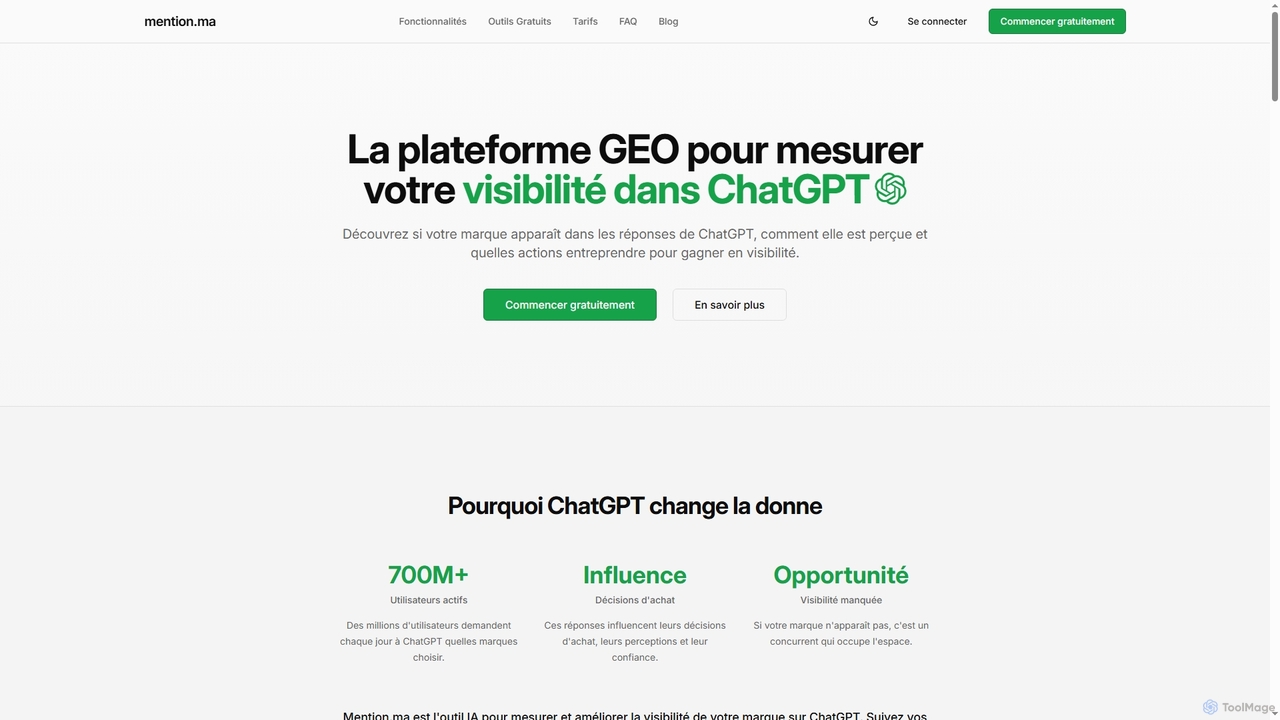
Mention is an AI-powered GEO and AI SEO platform designed to help brands measure, analyze, and improve their visibility within ChatGPT responses. It tracks brand citations, analyzes sentiment, and provides actionable recommendations to enhance presence in generative AI searches, ensuring competitors don't dominate the conversation.

Brand Monitoring
Visits 6.4KFavorites 139Likes 144

About Brand Monitoring

Brand Monitoring tools are a specialized category of analytics software that automatically track and analyze online mentions of a brand, products, or keywords. They utilize AI-powered web crawlers and Natural Language Processing (NLP) to scan social media, news sites, forums, and blogs in real-time. This enables businesses to gauge public sentiment, manage their reputation, track competitor activity, and engage with customers proactively. Unlike broader analytics tools focused on internal data, brand monitoring provides a crucial external perspective on market perception and conversation.

Core Features

  • Real-time Mention Tracking: Aggregates mentions from social media, news, blogs, and forums as they happen.
  • Sentiment Analysis: Uses NLP to automatically classify mentions as positive, negative, or neutral.
  • Competitor Benchmarking: Tracks the share of voice and sentiment of key competitors for comparative analysis.
  • Influencer Identification: Pinpoints key individuals and accounts discussing the brand or industry.
  • Customizable Alerts & Reporting: Delivers automated notifications for critical mentions and generates performance dashboards.

Use Cases

Marketing and PR teams use these tools for reputation management and campaign performance tracking. Customer support departments leverage them to identify and resolve customer issues expressed on social media. Product teams can also gather unfiltered user feedback from public forums to inform future development.

How to Choose

When selecting a Brand Monitoring tool, consider the scope of source coverage to ensure it monitors platforms relevant to your audience. Evaluate the accuracy of its sentiment analysis, especially for nuanced language. Also, check its integration capabilities with your existing CRM or collaboration tools and the depth of its reporting features.

Brand Monitoring use cases

1

Proactive Reputation Management

A public relations manager for a consumer electronics brand uses a brand monitoring tool to receive real-time alerts for negative mentions. When a customer's complaint about a faulty product goes viral on Twitter, the manager is notified instantly. They can then immediately coordinate with the support team to offer a public resolution, addressing the issue before it escalates into a major crisis and demonstrating the company's commitment to customer satisfaction.

2

Competitor Share of Voice Analysis

A marketing strategist at a SaaS company tracks mentions of their top three competitors. Using the tool's dashboard, they compare the volume and sentiment of conversations over the past quarter. They discover that a key competitor is receiving significant negative feedback regarding a recent price increase. This insight allows the strategist to launch a targeted campaign highlighting their own stable pricing and superior value, aiming to attract dissatisfied customers from the competitor.

3

Measuring Marketing Campaign Impact

After launching a major influencer campaign, a marketing team for a beauty brand tracks the campaign-specific hashtag across Instagram and TikTok. The brand monitoring tool aggregates all posts using the hashtag, allowing the team to measure the total reach, engagement rate, and overall sentiment. They can also identify which influencer's content generated the most positive conversation, providing clear, data-driven ROI for the campaign and informing future influencer collaborations.

4

Identifying User-Generated Content (UGC)

A social media manager for a travel gear brand monitors brand mentions and relevant hashtags. The tool surfaces high-quality photos and videos from customers using their backpacks on adventures. The manager can then reach out to these users for permission to feature their authentic content on the brand's official social media channels and product pages. This strategy not only saves on content creation costs but also builds a stronger community by showcasing real customers.

5

Gathering Unsolicited Product Feedback

A product manager for a project management software monitors discussions on platforms like Reddit and specialized tech forums. They filter for mentions of their product to find unfiltered user feedback. They discover a recurring complaint about a clunky user interface element that wasn't captured in formal surveys. This direct, unsolicited feedback is highly valuable and is prioritized in the next development sprint, leading to a significant user experience improvement.

6

Identifying Potential Brand Ambassadors

A community manager for a gaming company uses a brand monitoring tool to find highly engaged users who consistently post positive content, create tutorials, and help other players in online communities. By analyzing sentiment and influence scores, the manager identifies top advocates. They then reach out to these individuals with an invitation to an exclusive ambassador program, offering early access to new content and direct contact with developers, thereby strengthening community loyalty and fostering organic promotion.

Brand Monitoring FAQ

What is AI-powered Brand Monitoring?

AI-powered Brand Monitoring is a type of analytics software that uses artificial intelligence to automatically find, collect, and analyze online conversations about a brand. Unlike manual searching, it employs technologies like Natural Language Processing (NLP) to understand the sentiment (positive, negative, or neutral) behind mentions. It operates 24/7 across a vast range of sources, including social media, news sites, blogs, and forums, to provide a real-time, comprehensive view of public perception and brand health.

How is Brand Monitoring different from Social Media Listening?

They are closely related but differ in scope and focus. Social Media Listening primarily focuses on social platforms to analyze trends, keywords, and broader industry conversations. Brand Monitoring is often broader, covering social media plus news sites, blogs, forums, and review sites. While listening is more about proactive market research and trend spotting, brand monitoring is more reactive and focused on tracking and managing a specific brand's reputation and mentions. Many modern tools combine features of both.

What are the key features to look for in a Brand Monitoring tool?

When choosing a tool, prioritize these features:

  • Comprehensive Source Coverage: Ensure it monitors all channels relevant to your audience, including key social networks, news outlets, blogs, and forums.
  • Accurate Sentiment Analysis: The tool should reliably detect the tone (positive, negative, neutral) of mentions, ideally with support for multiple languages.
  • Real-time Alerts: Customizable notifications are crucial for crisis management and timely engagement.
  • Advanced Analytics & Reporting: Look for customizable dashboards, trend analysis, share of voice metrics, and the ability to export data.
  • Competitor Tracking: The ability to monitor competitors provides valuable context and strategic insights.
Who should use Brand Monitoring tools?

Brand Monitoring tools are valuable for a wide range of roles and departments. Marketing and PR teams use them for reputation management, campaign analysis, and identifying influencers. Customer service teams leverage them to find and proactively respond to customer issues online. Product development teams gather real-world user feedback to inform their roadmap. Additionally, C-level executives and strategists use the insights to monitor overall brand health, competitive landscape, and market position.

How does Brand Monitoring help in crisis management?

Brand Monitoring is a critical tool for crisis management as it acts as an early warning system. By providing real-time alerts for spikes in negative mentions, the spread of misinformation, or escalating customer complaints, it allows teams to react swiftly. This enables PR and communication teams to assess the situation quickly, control the narrative, issue timely statements, and address concerns directly before the issue grows into a full-blown crisis that could cause significant damage to the brand's reputation and bottom line.