Ai Best in category 6 results Generative Ai AI Tool

Popular AI tools in the Generative Ai field of Ai include Spectacles、3dpresso、getcovey、S3cura、VecDoor、Assistra, etc., helping you quickly improve efficiency.

VecDoor

VecDoor

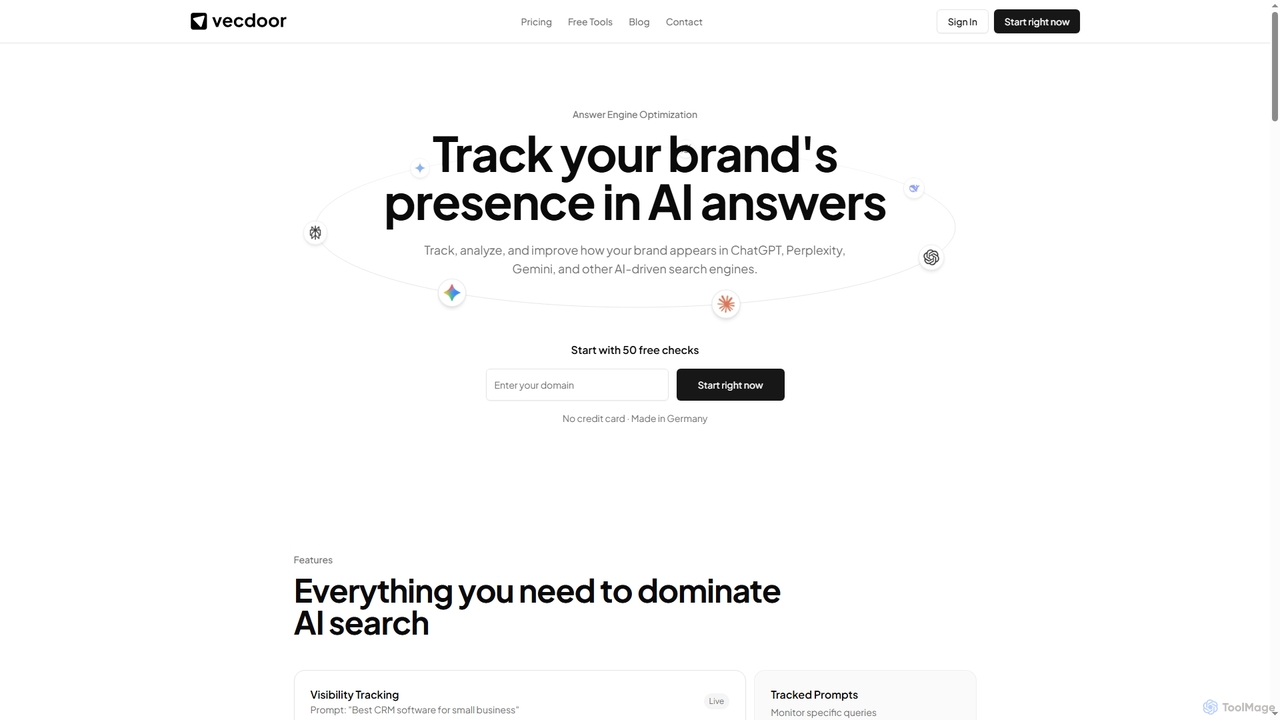
VecDoor is a pioneering Answer Engine Optimization (AEO) platform that tracks, analyzes, and improves your brand's visibility and …

2.6K
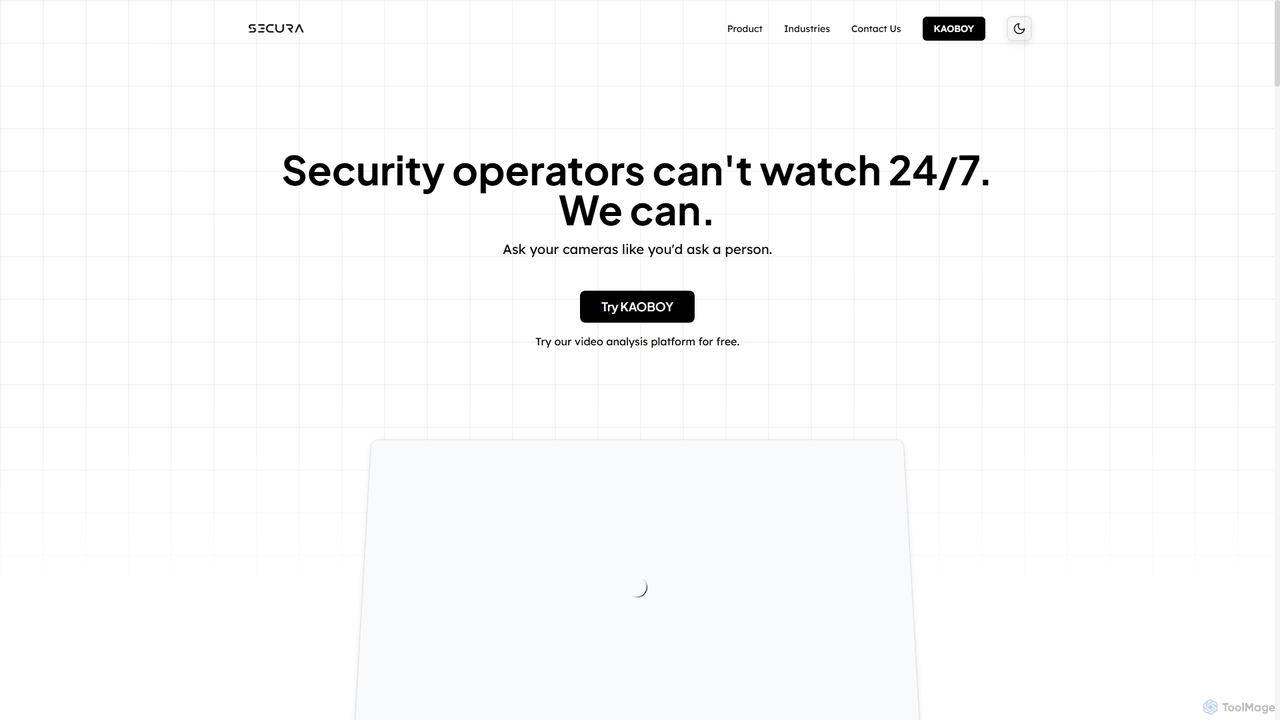
S3cura

S3cura

S3cura is an advanced AI-powered video surveillance platform designed to upgrade existing security systems. It leverages generative AI …

3.5K
Spectacles

Spectacles

Spectacles are standalone Augmented Reality (AR) glasses by Snap, powered by the Snap OS. They integrate multi-modal AI …

139.6K
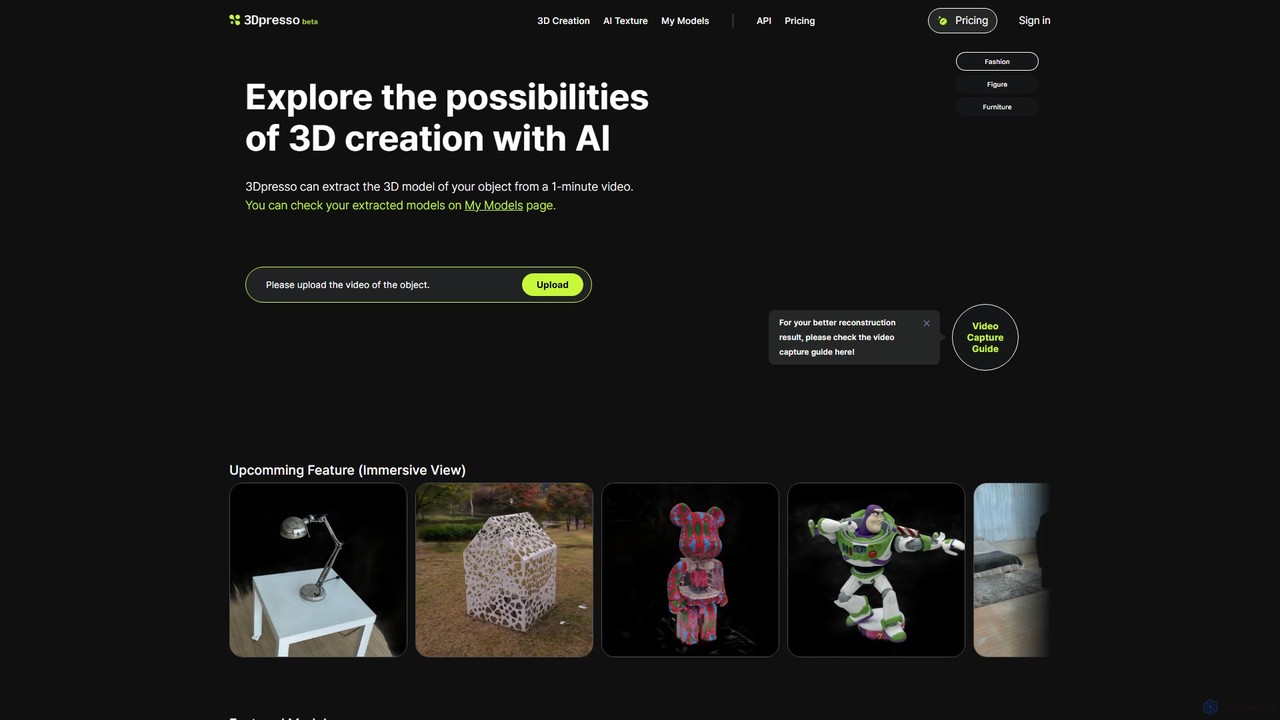
3dpresso

3dpresso

3dpresso is an AI-powered platform that transforms simple videos of real-world objects into high-quality 3D models. It also …

22.9K
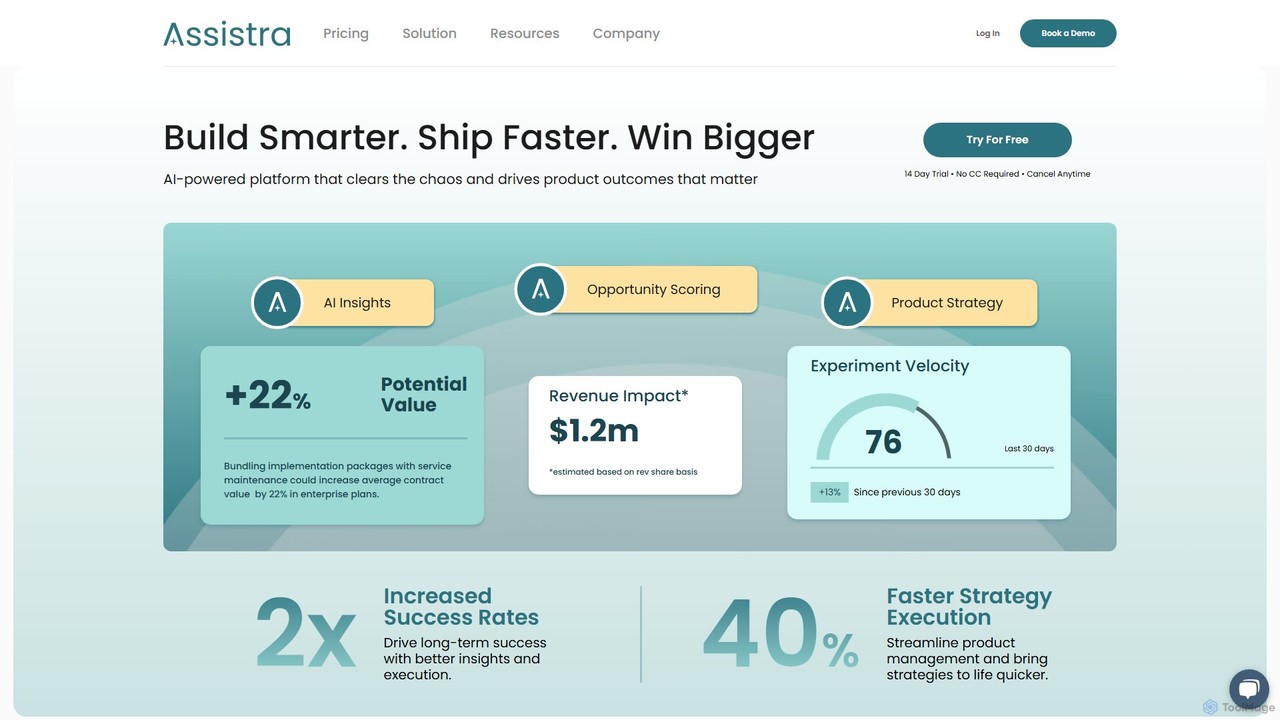
Assistra

Assistra

Assistra is an AI-powered product management platform designed to streamline the entire product lifecycle. It helps teams turn …

2.4K
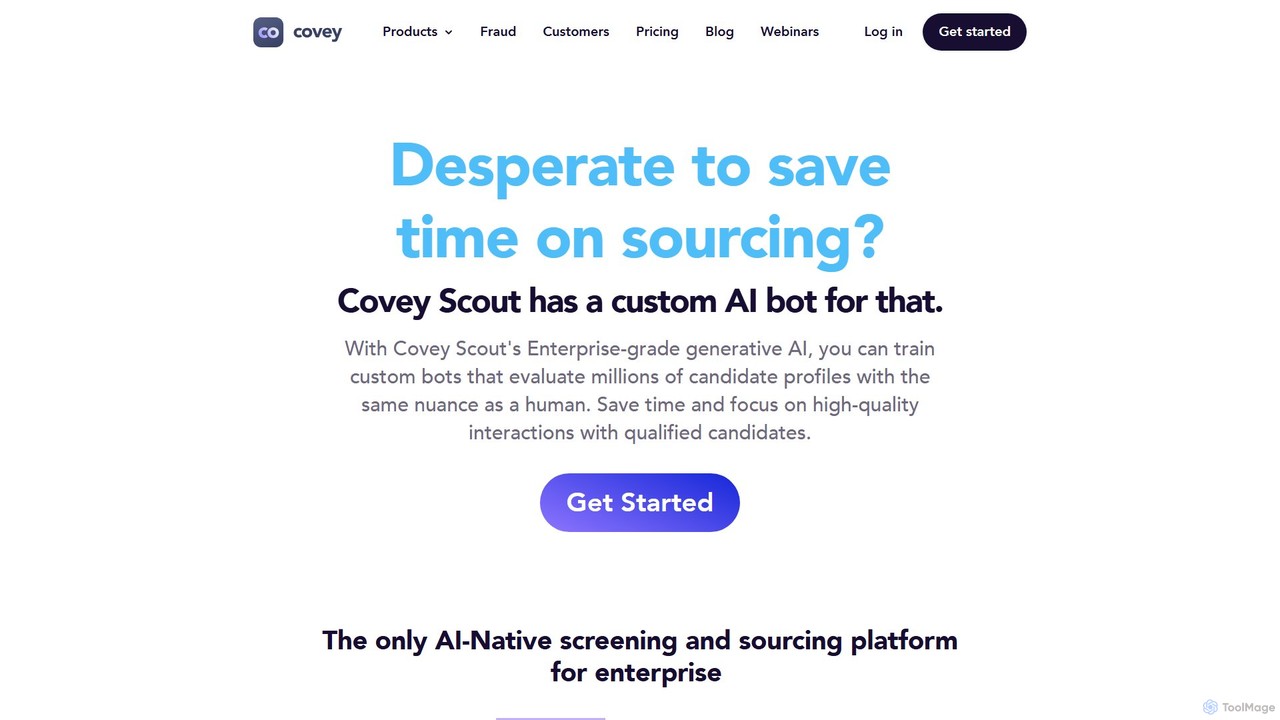
getcovey

getcovey

Covey is an AI-native recruiting platform designed to streamline and automate the hiring process. It uses enterprise-grade generative …

17.8K

About Generative Ai

Generative AI refers to a class of artificial intelligence models capable of creating new, original content, such as text, images, music, and code. These tools operate by learning patterns and structures from vast datasets and then using that knowledge to generate novel outputs that mimic the training data. The primary value of Generative AI lies in its ability to automate creative tasks, accelerate content production, and provide innovative solutions to complex problems. It empowers users to transform simple prompts into sophisticated and coherent creations.

Core Features

  • Multi-modal Content Creation: Generates diverse content types including text, images, audio, and code from user prompts.
  • Contextual Understanding: Interprets complex instructions and context to produce relevant and logically consistent outputs.
  • Style and Tone Adaptation: Mimics specific artistic styles, writing tones, or programming languages as instructed.
  • Iterative Refinement: Allows users to guide and improve generated content through follow-up instructions and feedback.

Use Cases

Generative AI is widely adopted across various sectors. In marketing, it's used for creating ad copy and social media posts. Developers leverage it for code generation and debugging, while artists and designers use it for concept art and visual asset creation. It also finds applications in scientific research for data simulation and hypothesis generation.

How to Choose

When selecting a Generative AI tool, consider the specific content type you need (e.g., text, image, code). Evaluate the quality, originality, and coherence of the generated output. Assess the tool's ease of use, integration capabilities via APIs, and customization options. Finally, compare pricing models, which are often based on usage, such as per-token or per-image generation.

Generative AiUse Cases

1

Automated Blog Post and Social Media Content Creation

A content marketer needs to maintain a consistent online presence across multiple platforms. Using a Generative AI text tool, they input a topic, target audience, and desired tone. The AI generates several drafts for a blog post, complete with SEO-friendly headings. From the chosen draft, the marketer then prompts the AI to create shorter, engaging social media captions for various platforms, significantly reducing content creation time from hours to minutes.

2

Accelerating Software Development with Code Generation

A software developer is working on a new feature and needs to write boilerplate code, unit tests, and complex algorithms. By using a Generative AI coding assistant, they can describe the required function in natural language. The AI instantly generates the code structure, suggests efficient algorithms, and even writes comprehensive test cases. This process not only speeds up development but also helps in identifying potential bugs and improving code quality, allowing the developer to focus on high-level architecture.

3

Creating Concept Art and Visual Assets for Design Projects

A graphic designer or game artist needs to brainstorm ideas for a new character or environment. They use a Generative AI image tool, providing a detailed text description like 'cyberpunk city at night, raining, neon signs reflecting on wet streets.' The AI produces multiple unique visual interpretations in seconds. The designer can then select the most promising concepts and use the AI to iterate on them by adding or changing elements, drastically shortening the initial ideation and concept art phase of a project.

4

Drafting Personalized Email Marketing Campaigns

An e-commerce marketing manager wants to create a targeted email campaign for different customer segments. Instead of writing each email manually, they use a Generative AI tool. They provide the AI with customer data segments (e.g., recent buyers, cart abandoners) and the campaign goal. The AI generates personalized subject lines and body copy for each segment, using a tone that matches the brand's voice. This allows for hyper-personalization at scale, improving open rates and conversions without a proportional increase in workload.

5

Composing Original Music and Sound Effects

A video game developer or a filmmaker needs a unique soundtrack or specific sound effects for their project. They use a Generative AI music tool, specifying the genre (e.g., 'epic orchestral'), mood ('suspenseful'), and duration. The AI generates a complete, royalty-free musical piece that can be further customized by changing instruments or tempo. For sound effects, they can describe a sound like 'a futuristic laser blast' to get multiple variations, saving significant time and budget compared to hiring a composer or sound designer.

6

Developing Educational Materials and Lesson Plans

An educator or corporate trainer needs to create engaging learning materials for a specific topic. They use a Generative AI tool to summarize complex articles into easy-to-understand points, generate quiz questions with varying difficulty levels, and create illustrative images or diagrams to explain concepts visually. This allows the educator to quickly assemble a comprehensive and customized lesson plan, freeing up time to focus on teaching and student interaction rather than content creation from scratch.

Generative AiFrequently Asked Questions