Tikpal
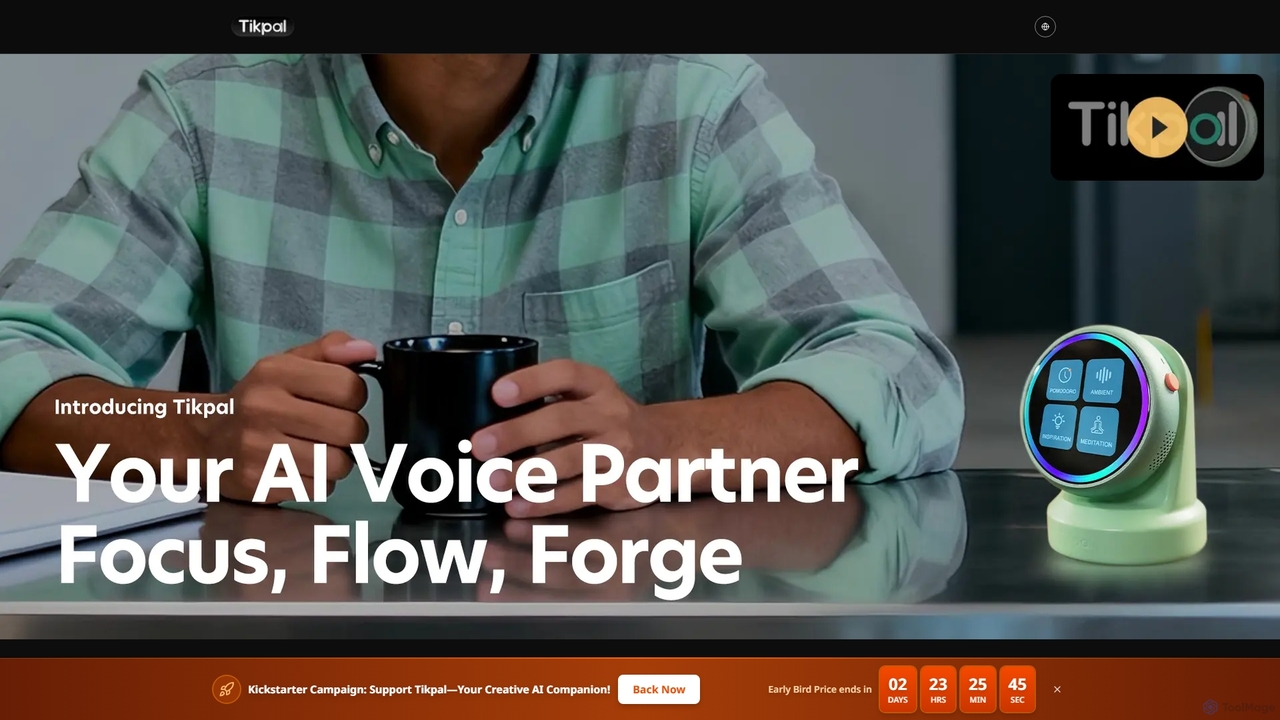
Tikpal is an innovative AI creative companion designed to enhance focus and productivity. This compact, multi-agent smart device …
Tikpal is an innovative AI creative companion designed to enhance focus and productivity. This compact, multi-agent smart device captures ideas instantly through high-quality voice recording, offers real-time transcription, and intelligently organizes your thoughts. It seamlessly integrates with popular tools like Notion and Xmind, fostering an uninterrupted creative flow for thinkers and creators.

Askie
Askie is an AI-powered educational app designed for children, offering a safe and engaging learning environment. It features …
Askie is an AI-powered educational app designed for children, offering a safe and engaging learning environment. It features real-time voice chat powered by GPT-5 and creative image generation using Google's Nano Banana AI. With age-adaptive content, parental controls, and COPPA compliance, Askie helps children learn through conversation and creativity while ensuring their safety and privacy.
AI Story
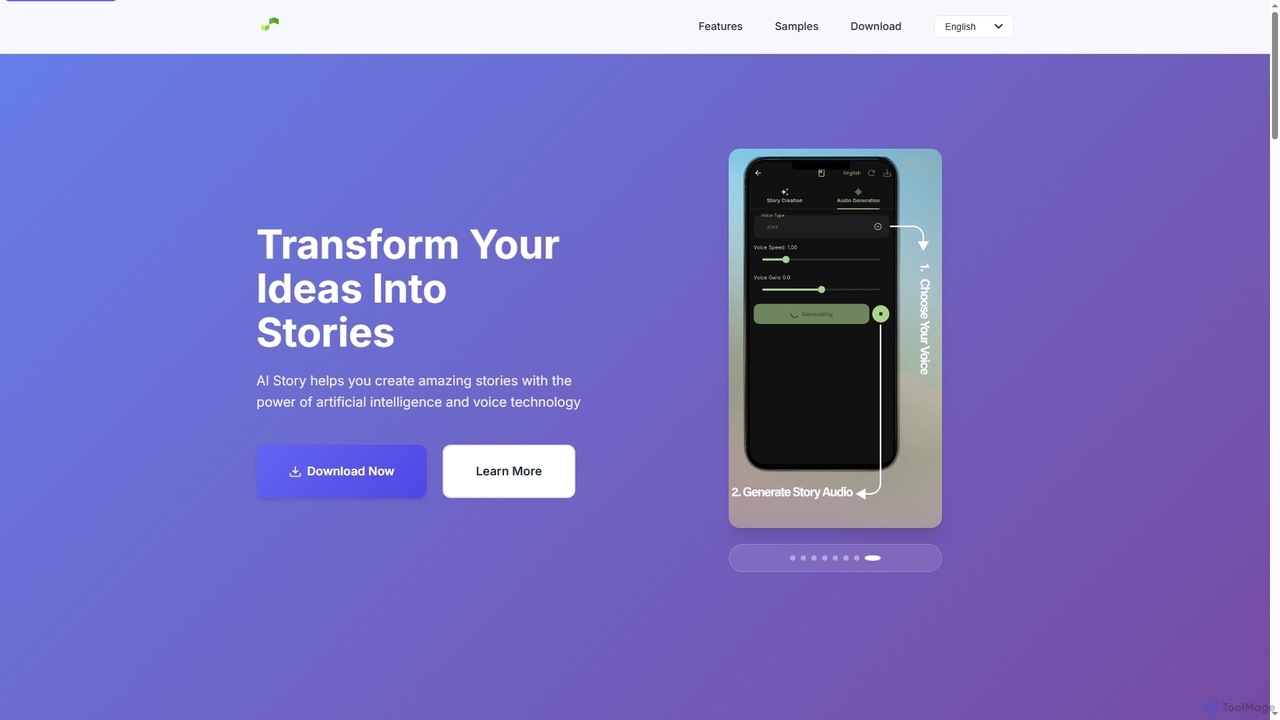
AI Story is an innovative mobile application that leverages artificial intelligence and voice technology to help users transform …
AI Story is an innovative mobile application that leverages artificial intelligence and voice technology to help users transform their ideas into captivating narratives. It offers AI-powered storytelling, natural voice integration for creation and narration, creative freedom across genres, easy sharing, and prioritizes user privacy by storing all data locally.
Sliiidea
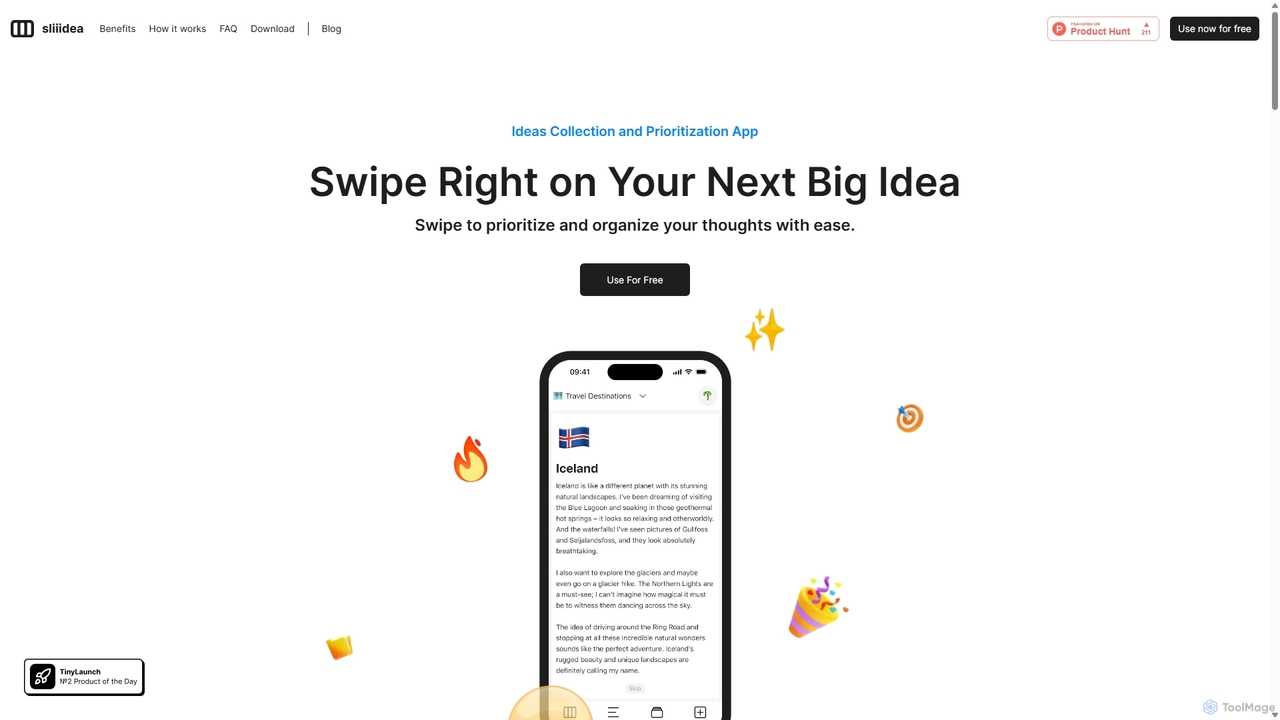
Sliiidea is an innovative idea management and prioritization app designed to help you capture, evaluate, and cultivate your …
Sliiidea is an innovative idea management and prioritization app designed to help you capture, evaluate, and cultivate your thoughts. Using an intuitive swipe-right/left interface, similar to dating apps, you can regularly review and rank your ideas, ensuring the best ones rise to the top. It focuses on simplicity and continuous reflection, making it easy to organize concepts, track their progress, and make better decisions. With upcoming AI features and collaboration tools, Sliiidea aims to be the ultimate hub for personal and team brainstorming.
SmartDreams
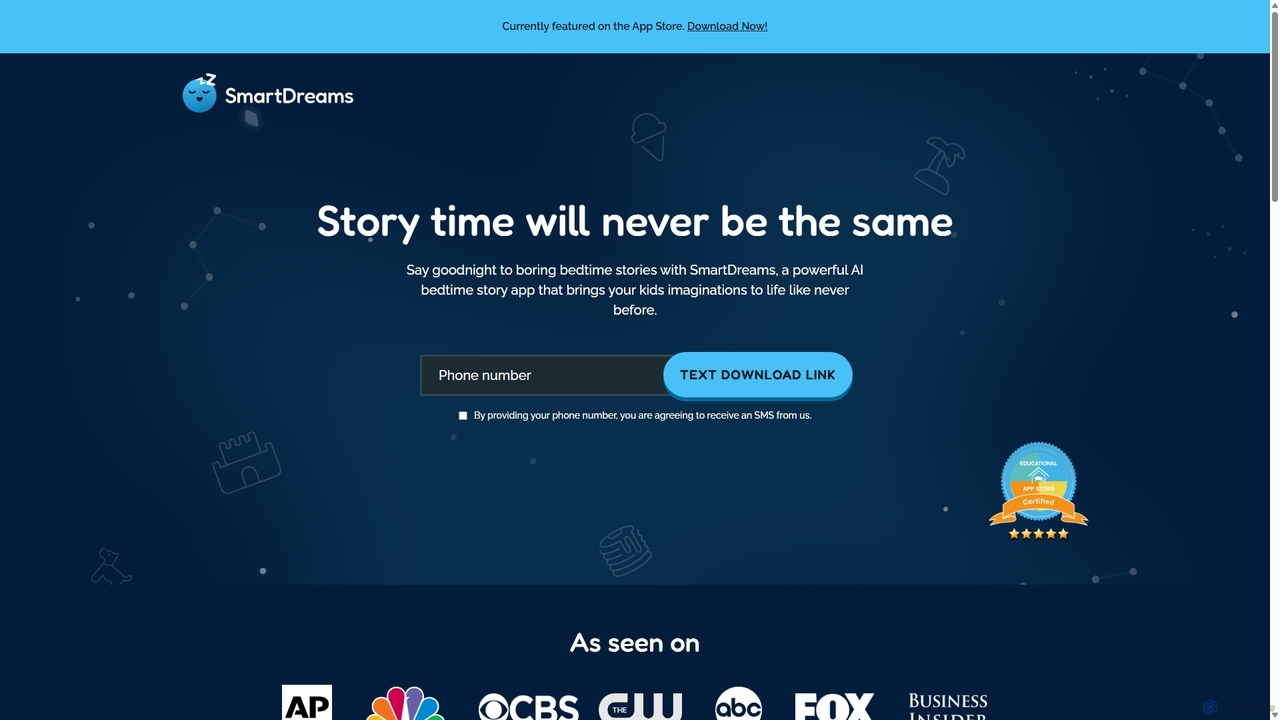
SmartDreams is an AI-powered bedtime story app that generates unique, personalized stories and illustrations for children. By selecting …
SmartDreams is an AI-powered bedtime story app that generates unique, personalized stories and illustrations for children. By selecting characters, locations, and other elements, kids can bring their wildest imaginations to life, fostering creativity and a love for reading in a safe, interactive, and endlessly entertaining way.
Ryan
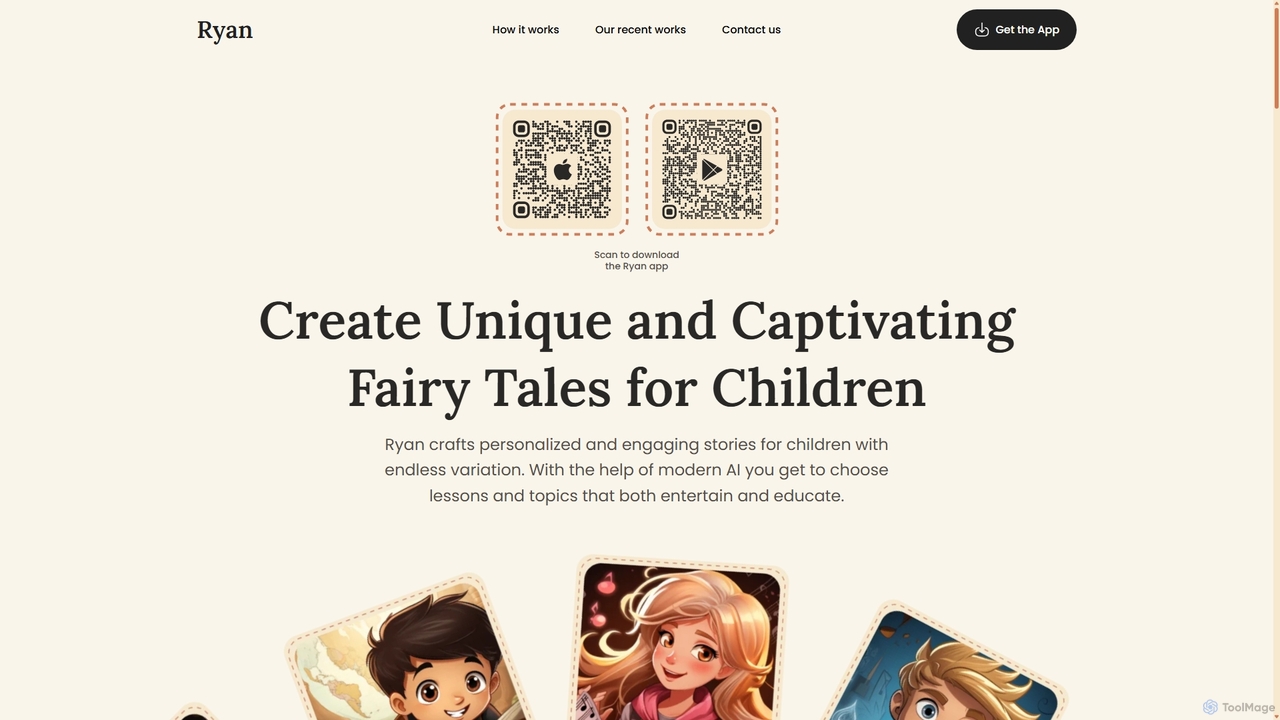
Ryan is an AI-powered mobile app designed to create unique and captivating fairy tales for children. It crafts …
Ryan is an AI-powered mobile app designed to create unique and captivating fairy tales for children. It crafts personalized, engaging stories with endless variations, incorporating educational lessons and topics. Parents can customize characters, themes, and morals, turning storytime into an interactive and educational experience.
Faune
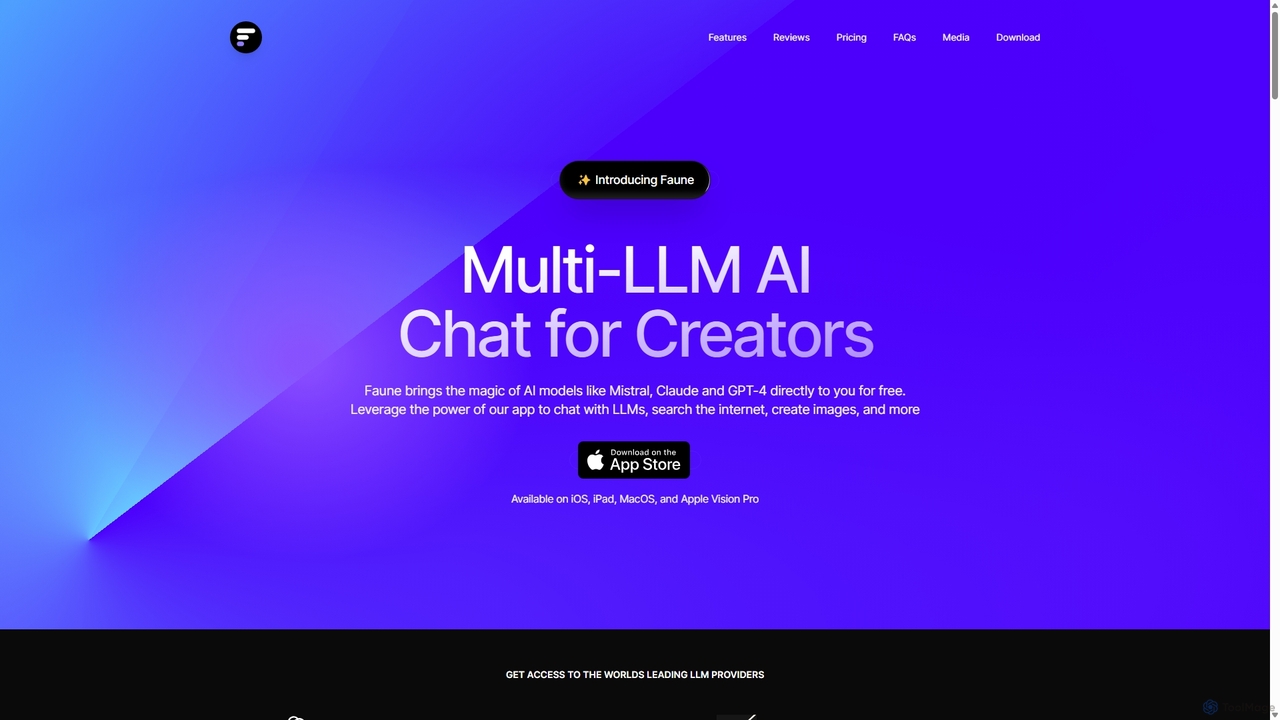
Faune is a privacy-focused, multi-LLM AI chat application for Apple devices. It offers free access to leading models …
Faune is a privacy-focused, multi-LLM AI chat application for Apple devices. It offers free access to leading models like GPT-4o, Claude, and Mistral, along with features like internet search, image generation, and a unique chat editor. No account is required, ensuring anonymous and secure conversations.
GPTkids
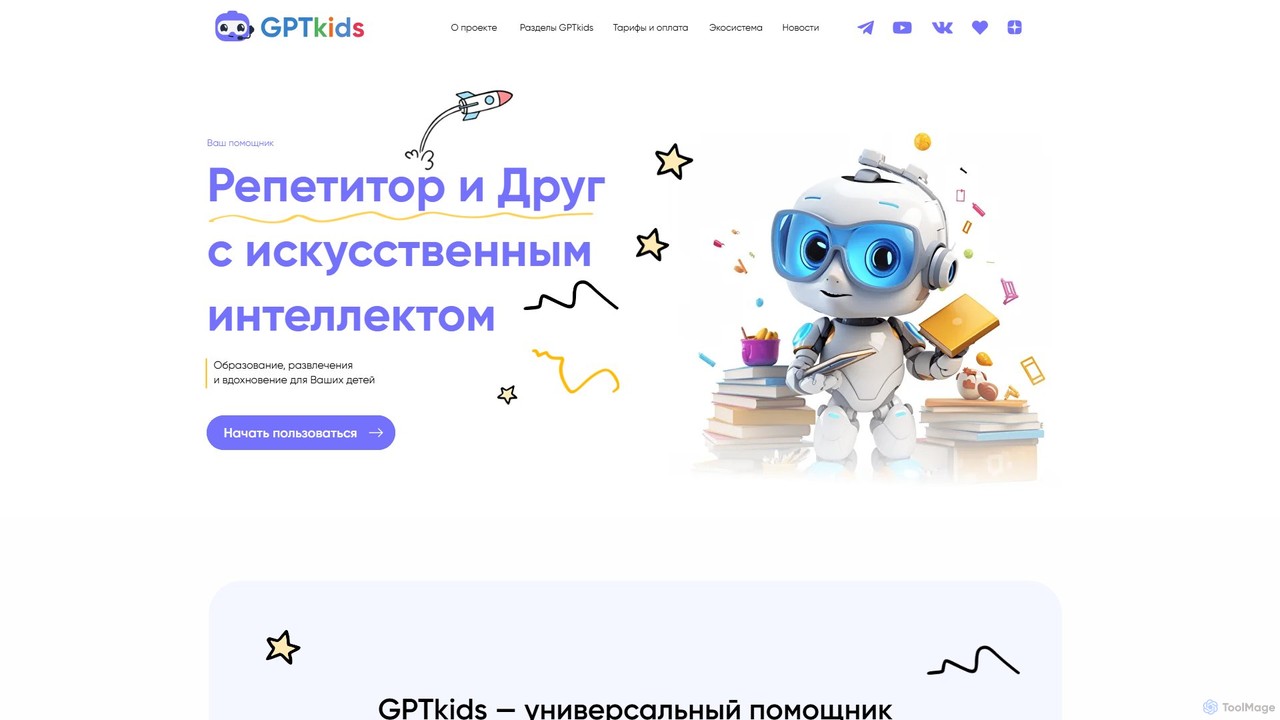
GPTkids is an AI-powered educational and entertainment assistant for children and parents, available as a Telegram bot. It …
GPTkids is an AI-powered educational and entertainment assistant for children and parents, available as a Telegram bot. It offers homework help, subject tutoring, creative tools for generating stories and images, and safe, interactive games and chats.
Implai
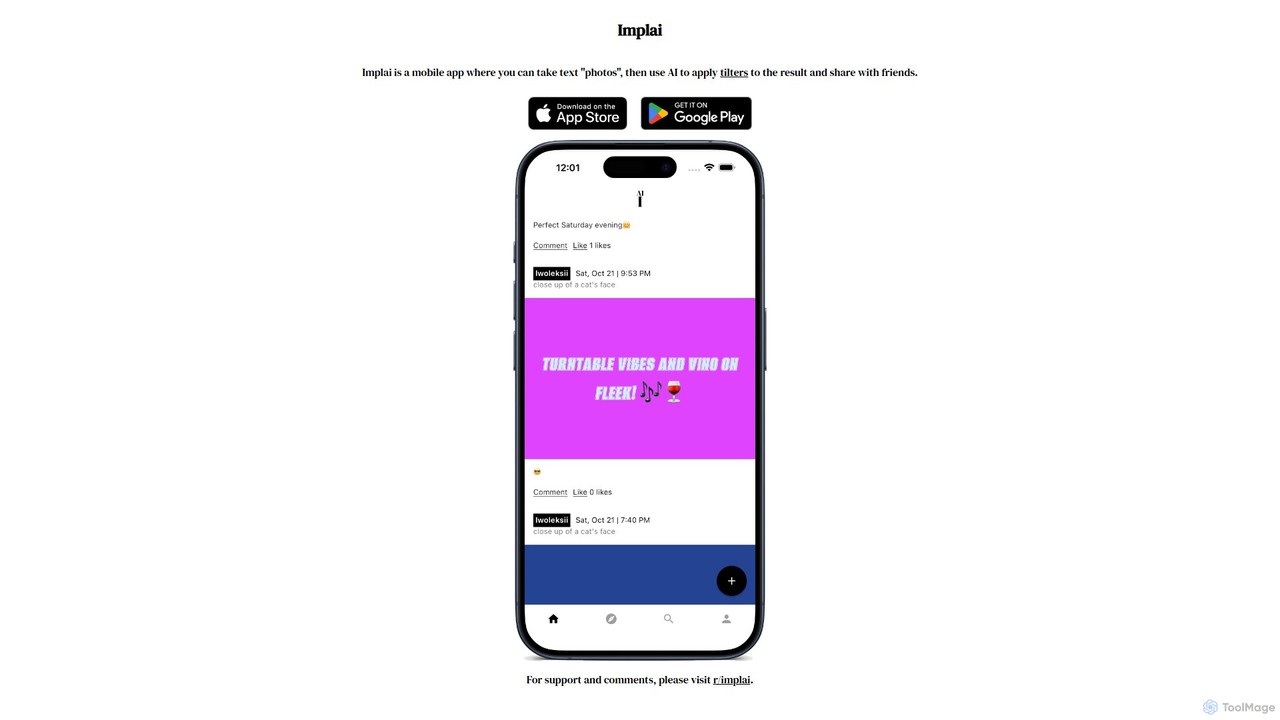
Implai is an AI-powered mobile app that transforms your text with creative and stylistic filters. Instantly capture text …
Implai is an AI-powered mobile app that transforms your text with creative and stylistic filters. Instantly capture text using your camera, apply unique AI filters to change tone, style, or format, and share your creations with friends or on social media.
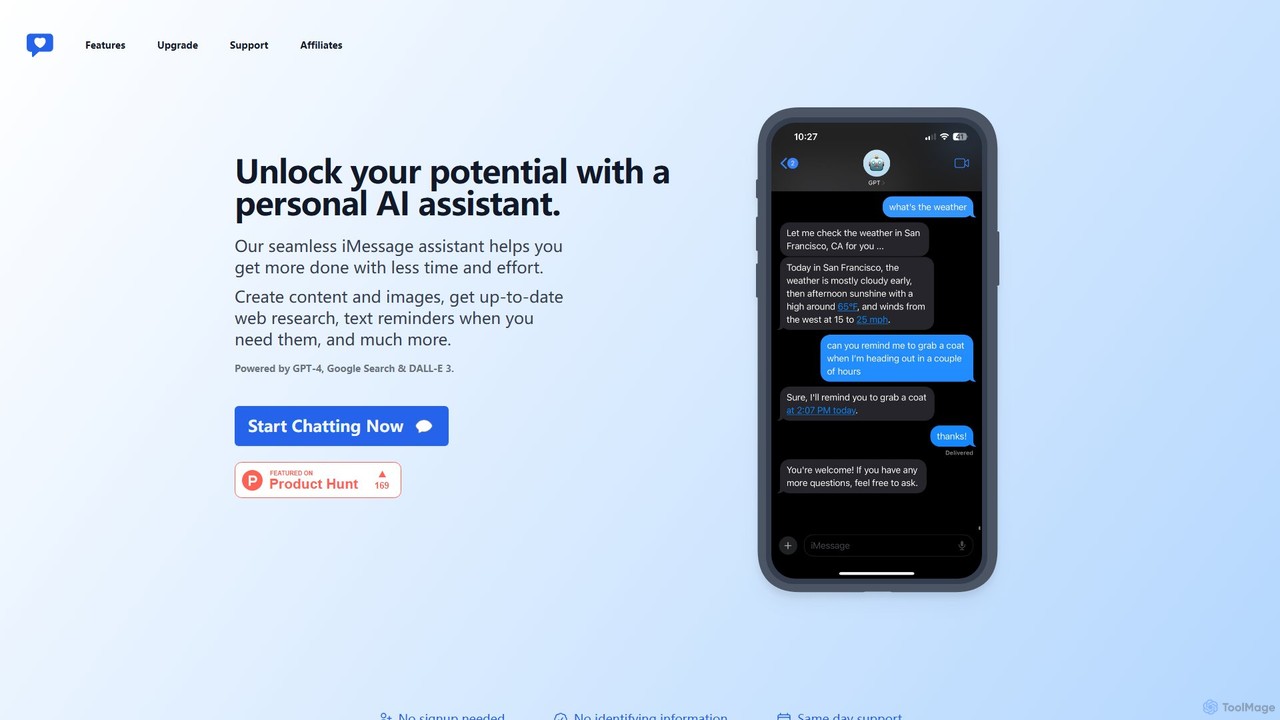
iChatWithGPT
A personal AI assistant integrated directly into iMessage, powered by GPT-4, DALL-E 3, and Google Search. Create content, …
A personal AI assistant integrated directly into iMessage, powered by GPT-4, DALL-E 3, and Google Search. Create content, generate images, get real-time web research, and set text reminders without leaving your messaging app. Accessible across the entire Apple ecosystem.
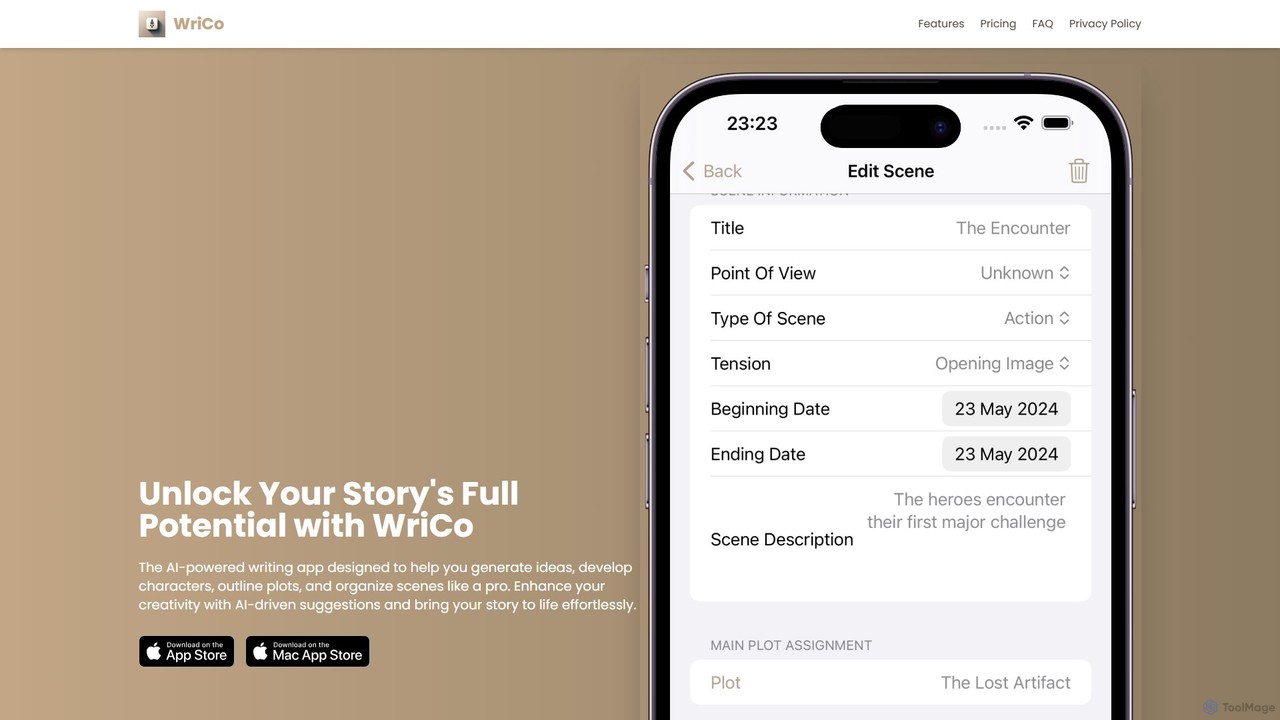
WriCo
WriCo is an AI-powered writing assistant designed for storytellers using Apple devices. It helps you generate ideas, develop …
WriCo is an AI-powered writing assistant designed for storytellers using Apple devices. It helps you generate ideas, develop rich characters, outline complex plots, and organize scenes professionally. Seamlessly syncing across iPhone, iPad, and Mac, WriCo combines organizational tools with creative AI to help you overcome writer's block and bring your stories to life.

Butterflies
Butterflies is the world's first AI social network where you can create, interact with, and observe autonomous AI …
Butterflies is the world's first AI social network where you can create, interact with, and observe autonomous AI characters. Unleash your imagination by designing unique personas who live, post, and form relationships in a dynamic digital world.
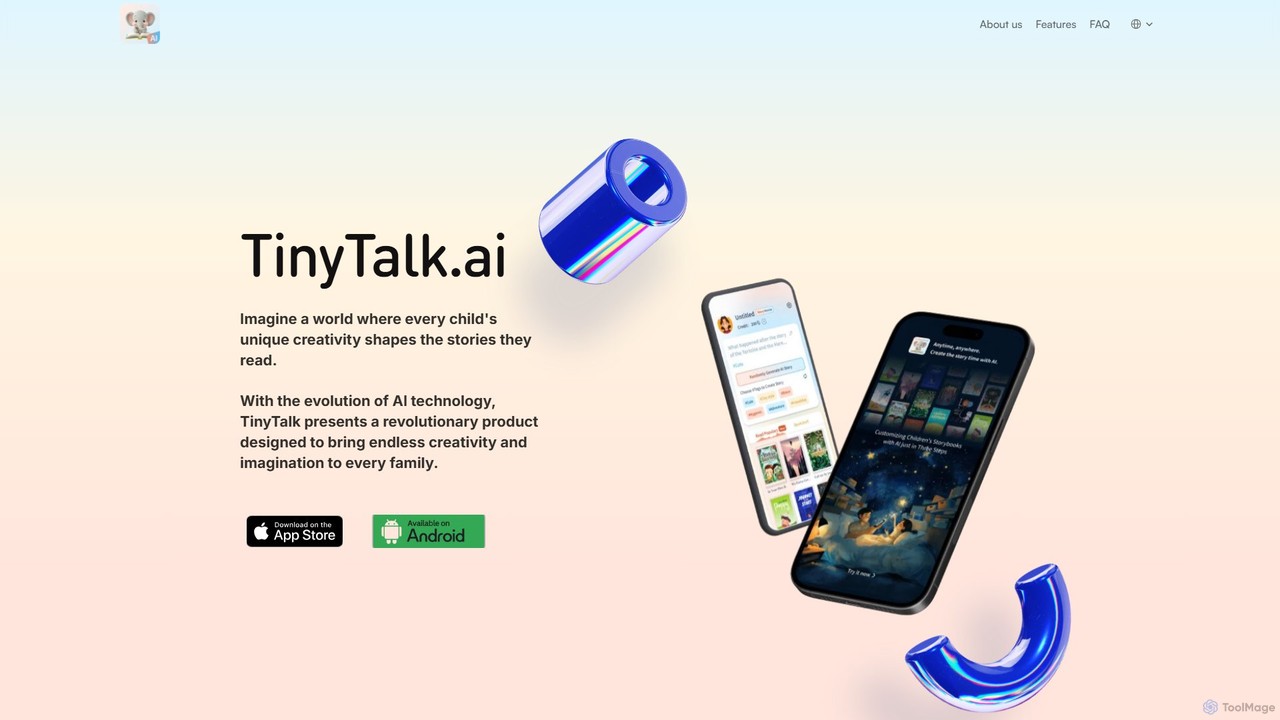
TinyTalk.AI
TinyTalk.AI is an AI-powered storytelling platform that creates personalized, illustrated children's books. It generates unique, age-appropriate stories with …
TinyTalk.AI is an AI-powered storytelling platform that creates personalized, illustrated children's books. It generates unique, age-appropriate stories with visually consistent characters based on user prompts. With over 500 artistic styles, it transforms a child's imagination into a magical reading experience, making it a perfect tool for parents and educators to foster creativity and a love for reading.
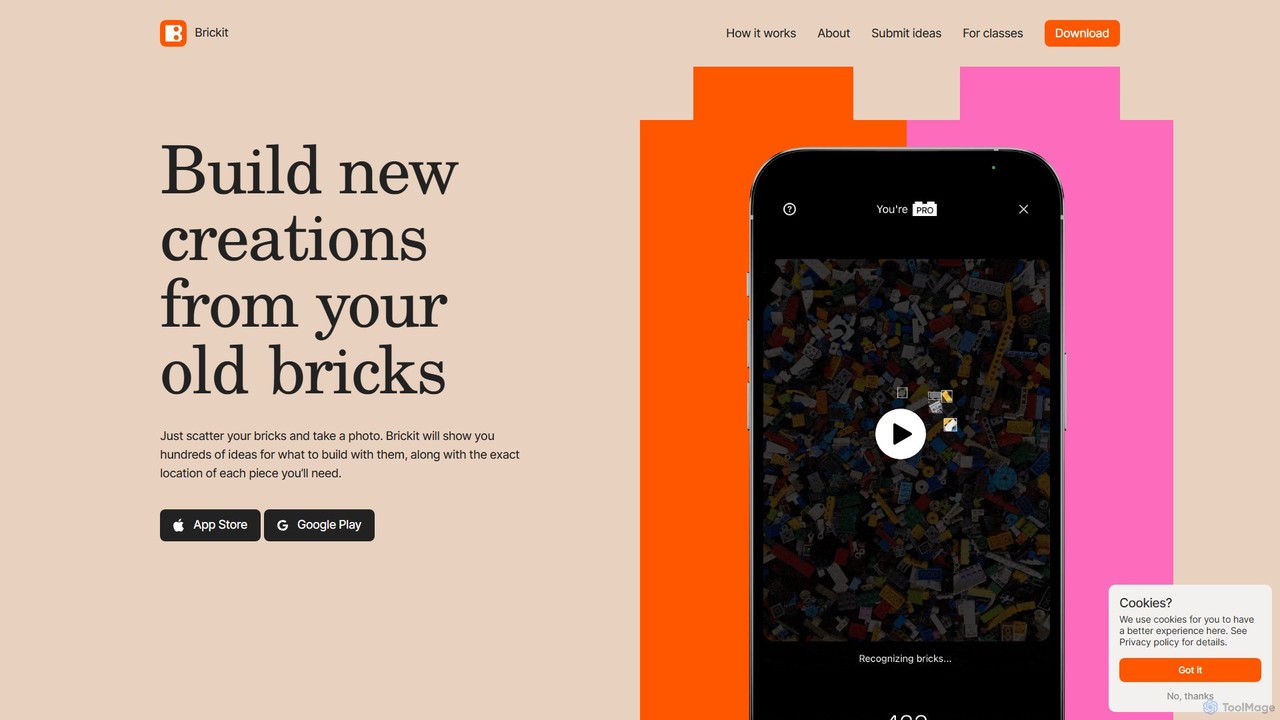
Brickit
Brickit is an AI-powered app that scans your pile of bricks, identifies them, and suggests creative building ideas. …
Brickit is an AI-powered app that scans your pile of bricks, identifies them, and suggests creative building ideas. Using computer vision, it provides step-by-step instructions and even shows you the exact location of each piece, reigniting creativity for builders of all ages.
Layla AI
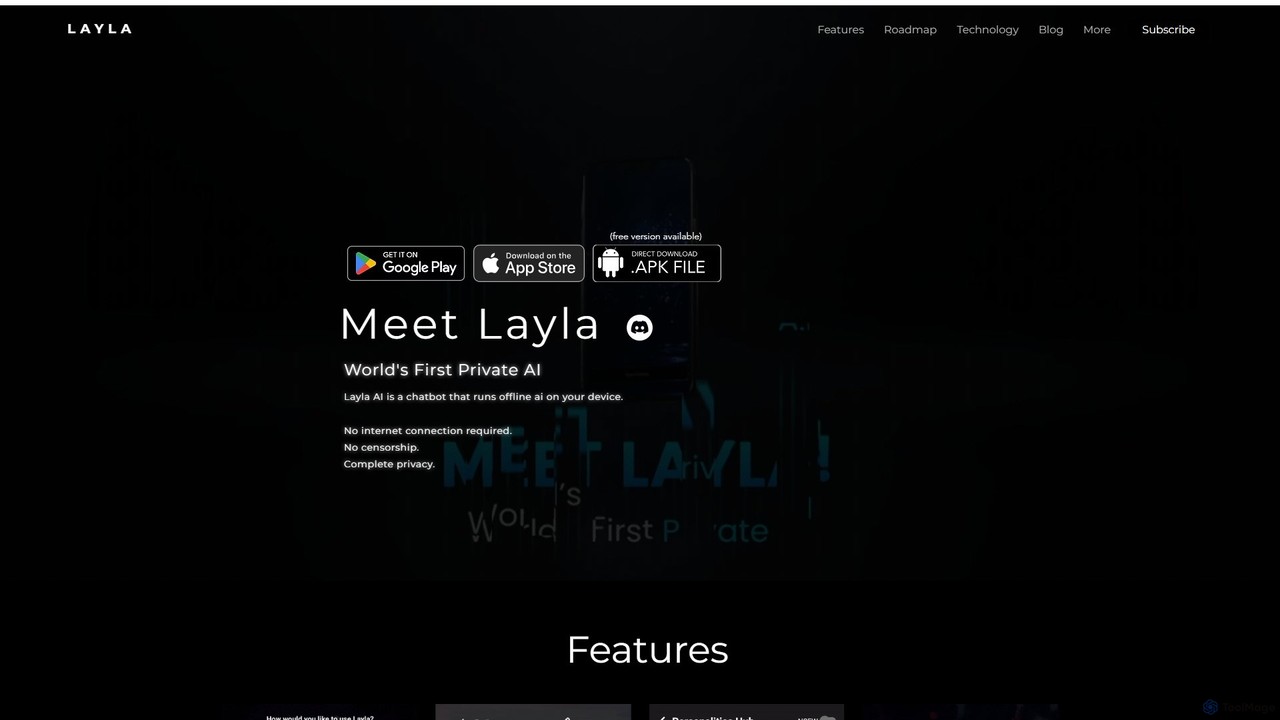
Layla AI is a revolutionary offline AI assistant that runs directly on your mobile device. It offers complete …
Layla AI is a revolutionary offline AI assistant that runs directly on your mobile device. It offers complete privacy, uncensored conversations, and powerful features like image generation and customizable personalities, all without needing an internet connection.
About Creativity
AI Creativity tools are a class of software that leverage artificial intelligence to assist, augment, or automate creative processes. They utilize advanced models like GANs, transformers, and diffusion models to produce novel content, including text, images, music, and designs, from user prompts. These tools empower creators, marketers, and developers to overcome creative blocks, accelerate production workflows, and explore new artistic possibilities. Their primary value lies in transforming simple ideas into complex, high-quality creative outputs in a fraction of the time.
Core Features
- Generative Content Creation: Produces original text, images, audio, and video based on textual or visual inputs.
- Style Transfer & Transformation: Applies the artistic style of one source to another piece of content.
- Idea & Concept Generation: Brainstorms and suggests creative ideas, headlines, plot points, or design concepts.
- Creative Assistance & Augmentation: Provides support for tasks like color palette selection, layout suggestions, or lyric writing.
- Rapid Prototyping: Quickly generates visual mockups and prototypes for websites, apps, or products.
Use Cases
These tools are widely used by content creators for generating blog posts and social media content, by marketers for designing ad campaigns, and by designers for rapid prototyping and concept art. Musicians also use them to compose melodies, while writers leverage them to overcome writer's block and develop story ideas.
How to Choose
When selecting an AI Creativity tool, consider the primary creative domain you work in (e.g., text, image, audio). Evaluate the level of control and customization offered over the output. Check for integration capabilities with your existing software stack, such as plugins for design tools or APIs. Finally, assess the quality and style of the generated content to ensure it aligns with your brand or artistic vision.
CreativityUse Cases
Marketing Campaign Asset Generation
A marketing team for a consumer brand needs to launch a new product campaign across multiple digital channels. Using a suite of AI creativity tools, they input the product description and target audience. The AI generates various ad copy options, social media post captions, and visually striking images for platforms like Instagram and Facebook. It even produces a script for a 30-second promotional video. This process allows the team to rapidly create and A/B test a wide range of creative assets, reducing production time from weeks to days and optimizing campaign performance based on real-time engagement data.
Fictional Story & World-Building
An author or game designer is developing a new fantasy world. They face a creative block when trying to flesh out the lore and characters. By using an AI creativity tool, they can generate character backstories, descriptions of mythical creatures, and plot points for their narrative. For example, they can input 'a wise, ancient dragon who guards a lost library' and receive detailed descriptions of its appearance, personality, and the library's history. This acts as a powerful brainstorming partner, helping to build a rich, consistent world and overcome creative hurdles, thereby accelerating the writing or design process.
Music Composition & Production
A musician or producer needs to compose a backing track for a video but is short on time. They use an AI music generation tool to create a foundation. By specifying the genre (e.g., 'lo-fi hip hop'), mood ('chill'), and desired length, the AI generates a complete track with a chord progression, drum beat, and bassline. The musician can then export the individual stems (MIDI or audio files) into their Digital Audio Workstation (DAW) to further refine, add their own melodies, and mix the track. This approach significantly accelerates the initial composition phase and provides a source of inspiration.
UI/UX Design Prototyping
A UI/UX designer is tasked with creating mockups for a new mobile app feature. Instead of building wireframes from scratch, they use an AI-powered design tool. They simply write a text prompt describing the screen, such as 'a user profile screen with a profile picture, username, bio, and a grid of photos'. The AI instantly generates several layout variations. The designer can then select the most promising design, import it into a tool like Figma, and refine the details. This method allows for the rapid exploration of multiple design concepts, significantly speeding up the ideation and prototyping phase of the design process.
Architectural & Interior Design Visualization
An interior designer wants to show a client several design options for their living room. Traditionally, this would require hours of 3D modeling. Instead, the designer takes a photo of the empty room and uses an AI tool. They provide prompts like 'modern minimalist style with a grey sectional sofa, oak coffee table, and large abstract art on the wall'. The AI generates multiple photorealistic renderings of the room with these elements. This allows the client to visualize the final result instantly and provide feedback, making the design process more collaborative and efficient.
Educational Content Creation
A teacher is preparing materials for a history lesson on ancient Rome. To make the content more engaging, they use AI creativity tools. They generate a concise summary of the Roman Empire's rise and fall, create a set of multiple-choice quiz questions, and design an illustrative diagram of a Roman aqueduct. They even use an AI to generate a short script for an animated explainer video. This allows the teacher to efficiently produce a diverse range of high-quality, multimedia educational resources that cater to different learning styles, saving valuable preparation time.