Developer Tools Best in category 3 results Web3 AI Tool

Popular AI tools in the Web3 field of Developer Tools include HeLa Labs、worldsbeyondnft、Chainrel, etc., helping you quickly improve efficiency.

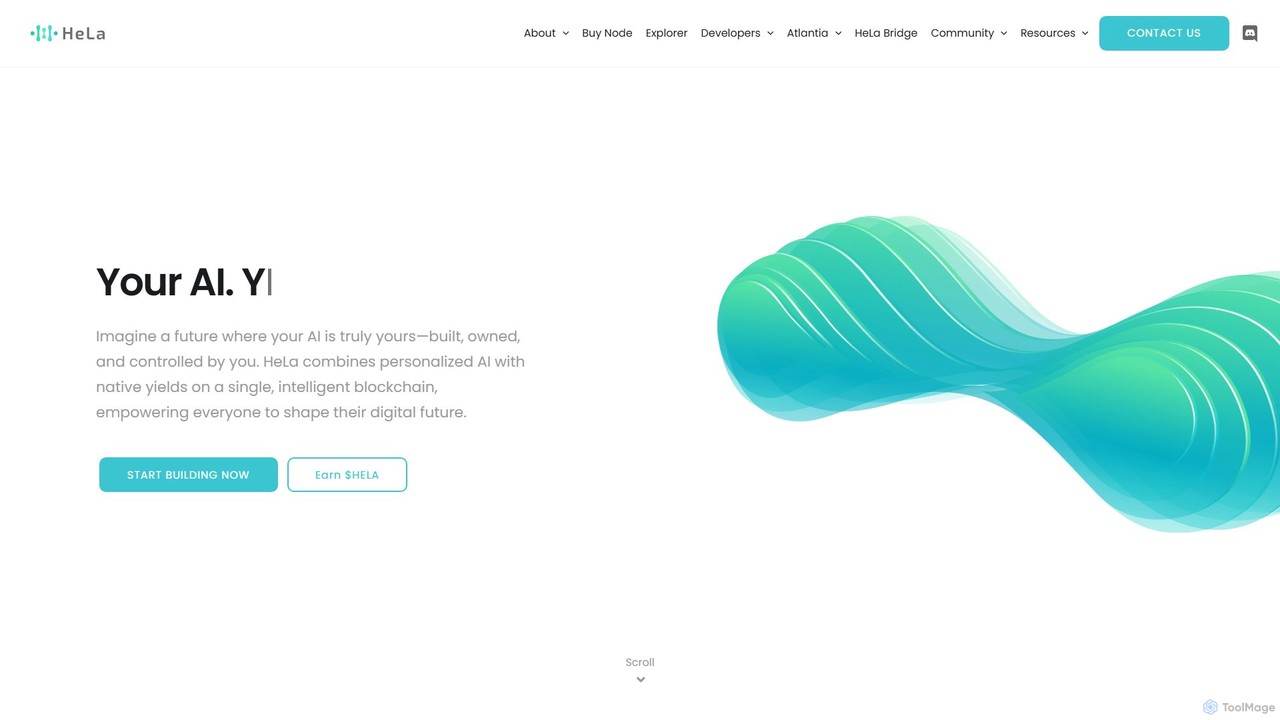
HeLa Labs

HeLa Labs

HeLa Labs is a Layer-1 blockchain platform that uniquely integrates personalized AI with native on-chain yields. It provides …

12.2K
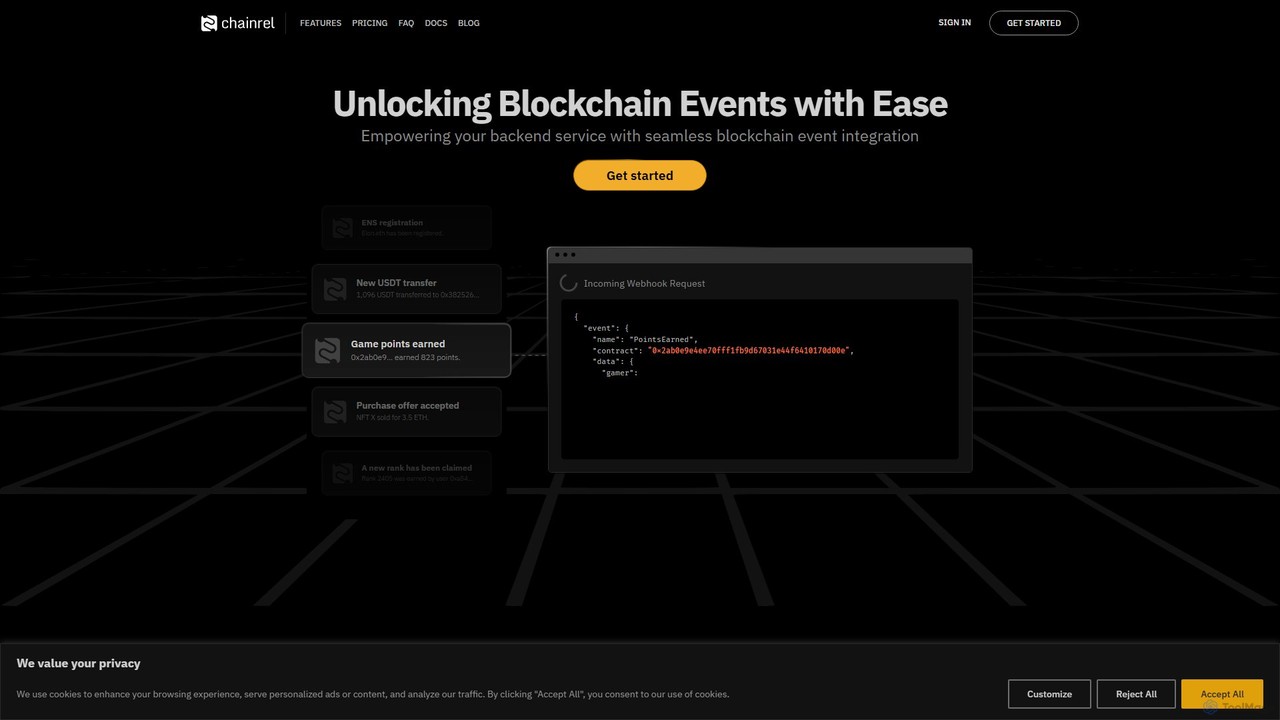
Chainrel

Chainrel

Chainrel is a developer-focused platform that simplifies blockchain integration by providing real-time event notifications via webhooks. It allows …

2.0K
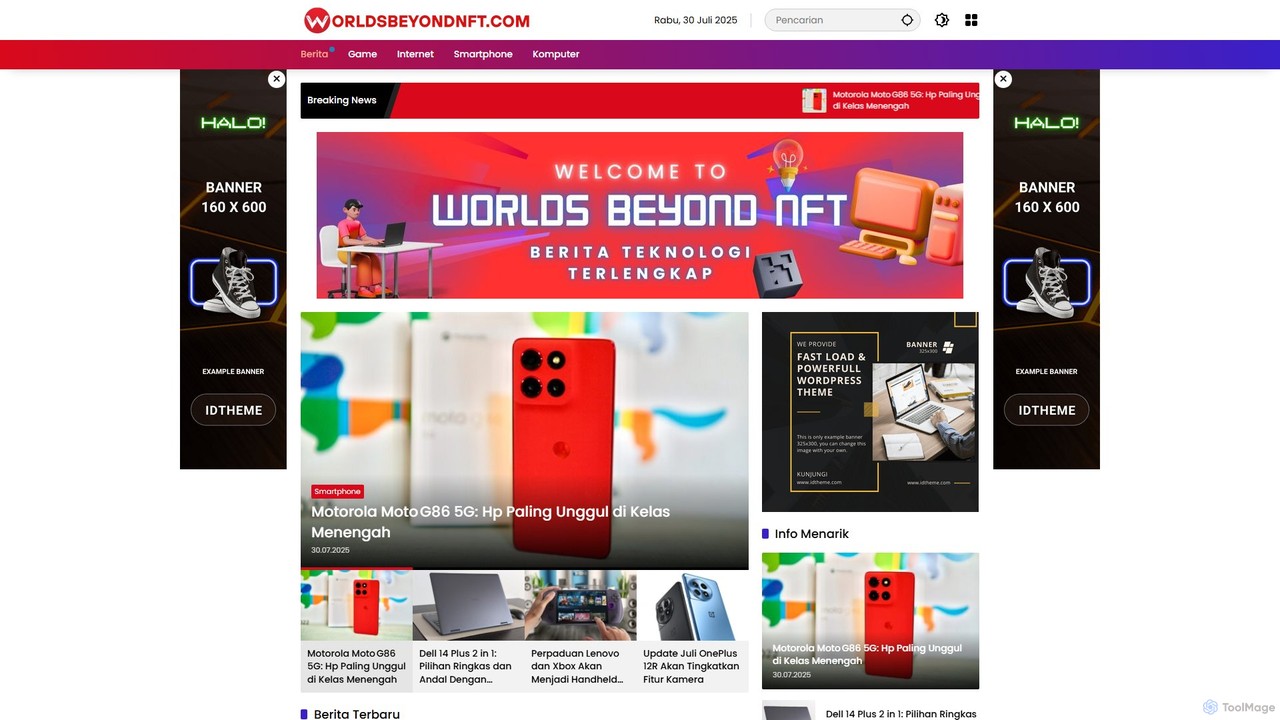
worldsbeyondnft

worldsbeyondnft

An all-in-one AI-powered platform for creating, analyzing, and deploying digital assets and experiences for the metaverse and Web3. …

2.0K

About Web3

Web3 AI tools are a specialized category of developer tools that integrate artificial intelligence with blockchain technology. They leverage machine learning to automate, analyze, and secure decentralized applications (dApps), smart contracts, and on-chain data. These tools are crucial for developers aiming to build more intelligent, secure, and efficient Web3 projects, from DeFi protocols to NFT marketplaces. By combining AI's predictive power with the blockchain's immutable nature, they unlock advanced capabilities like automated security audits and sophisticated data intelligence.

Core Features

  • AI-Powered Smart Contract Auditing: Automatically scans code to detect vulnerabilities, bugs, and potential exploits before deployment.
  • On-Chain Data Analytics: Uses machine learning to interpret blockchain data, identify trends, track wallet activity, and predict market movements.
  • dApp Development Assistance: Provides AI-driven code completion, optimization suggestions, and automated testing for decentralized applications.
  • NFT and Tokenomics Modeling: Assists in generating unique NFT collections and analyzing the economic models of tokens for stability and growth.
  • Real-Time Anomaly Detection: Monitors blockchain transactions to identify suspicious activities, such as fraud or market manipulation, as they happen.

Use Cases

These tools are primarily used by blockchain developers, smart contract auditors, and security firms to enhance the security and reliability of dApps. Crypto investment funds and data analysts also utilize them for gaining deep on-chain intelligence and making data-driven decisions. Additionally, creators and project managers in the NFT and GameFi space use them for asset generation and economic modeling.

How to Choose

When selecting a Web3 AI tool, first consider its specific function: do you need security auditing, data analytics, or development support? Evaluate its compatibility with your target blockchain (e.g., Ethereum, Solana, Polygon). Assess the accuracy and reliability of its AI models, often indicated by case studies or performance benchmarks. Finally, check its integration capabilities with your existing development environments, such as Hardhat or Foundry.

Web3Use Cases

1

AI-Powered Smart Contract Auditing

A blockchain developer is preparing to deploy a new DeFi lending protocol. Before launch, it's critical to ensure the smart contracts are secure to prevent potential exploits that could lead to millions in losses. The developer uses an AI auditing tool to perform an automated scan of the Solidity code. The tool analyzes the code against a vast database of known vulnerabilities, identifying potential reentrancy attacks, integer overflows, and unsafe delegate calls. It generates a comprehensive report detailing each issue with a severity score and provides actionable code suggestions for remediation. This process reduces the manual auditing workload by over 70% and significantly enhances the protocol's security posture before it goes live.

2

On-Chain Market Trend Analysis

A crypto analyst working for a venture capital fund needs to identify emerging trends in the NFT market. Manually tracking thousands of collections and millions of transactions is impossible. The analyst uses an AI-powered on-chain analytics platform. This tool ingests real-time data from multiple blockchains, using machine learning models to detect patterns such as 'smart money' accumulation, unusual trading volumes, and shifts in holder sentiment. The platform visualizes this data, highlighting collections that are gaining momentum before they become mainstream. Based on these AI-driven insights, the fund is able to make early, informed investments in promising NFT projects, achieving a higher return on investment.

3

Generating Unique NFT Collections

An artist wants to launch a generative art collection of 5,000 unique NFTs but lacks advanced programming skills. They use an AI NFT generator tool. The artist uploads their base art layers (e.g., backgrounds, characters, accessories) and assigns rarity traits to each layer. The AI algorithm then programmatically combines these layers according to the defined rarity rules, generating thousands of distinct, visually appealing images. The tool also automatically generates the corresponding metadata for each NFT, ready for minting on a marketplace. This empowers the artist to create a large-scale, complex collection in a fraction of the time it would take to do manually, allowing them to focus on creativity rather than technical execution.

4

Real-Time DeFi Fraud Detection

A decentralized exchange (DEX) operator needs to protect user funds from sophisticated exploits like flash loan attacks and wash trading. They integrate an AI-powered real-time monitoring tool into their protocol. This tool continuously analyzes transaction patterns, wallet behaviors, and liquidity pool movements. When the AI model detects an anomaly that matches the signature of a known exploit—such as a series of complex transactions executed within a single block to manipulate prices—it automatically flags the activity. Depending on the configuration, it can alert the security team or even trigger a temporary circuit breaker to pause the affected pools, preventing catastrophic fund drainage and protecting the integrity of the exchange.

5

Optimizing dApp Gas Fees with AI

A developer building a complex dApp on Ethereum is concerned about high and unpredictable gas fees for their users. They use an AI-powered development assistant tool that analyzes their smart contract code. The AI suggests specific code refactoring and optimization techniques, such as using more efficient data structures or optimizing loop operations, to reduce the computational steps required for each transaction. The tool provides an estimated gas savings for each suggested change. By implementing these AI-driven recommendations, the developer successfully reduces the average gas cost of their dApp's key functions by 20-30%, making the application more affordable and accessible for users.

6

Automating DAO Governance Analysis

A community manager for a large Decentralized Autonomous Organization (DAO) struggles to keep track of numerous governance proposals and complex voting patterns. They use an AI tool designed for DAO analytics. The tool automatically ingests and summarizes new proposals, extracts key arguments from forum discussions, and analyzes historical voting data to identify voting blocs and influential members. It can also flag potential conflicts of interest, such as a large token holder voting on a proposal that directly benefits them. This provides the community manager and DAO members with concise, data-driven summaries, enabling more informed participation and helping to maintain a fair and transparent governance process.

Web3Frequently Asked Questions