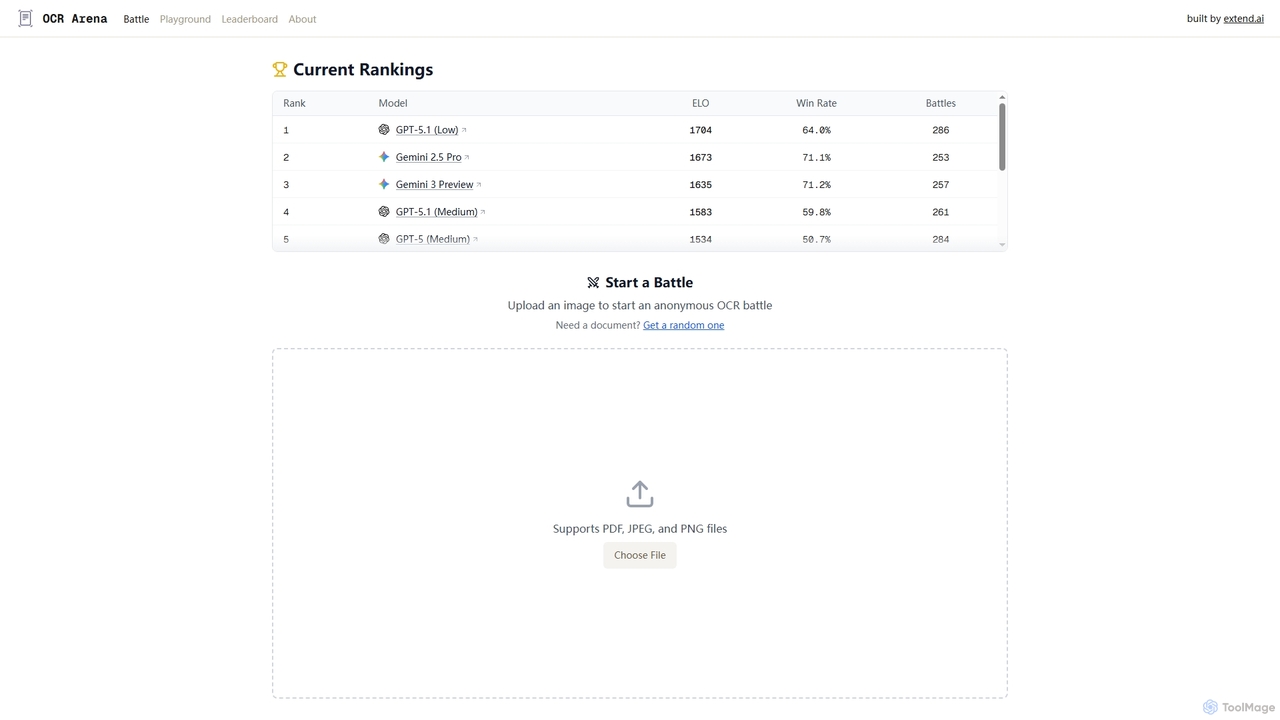
OCR (Optical Character Recognition) tools are AI-powered solutions designed to convert various types of images, such as scanned documents, PDFs, or photos, into editable and searchable text data. These tools leverage advanced machine learning algorithms and deep learning models to identify and extract characters, words, and paragraphs from visual inputs, transforming unstructured visual information into structured digital content. As a specialized component within the broader field of document processing, OCR significantly enhances data accessibility, automates information extraction, and enables efficient digital archiving, transforming static visual content into dynamic, usable digital formats for analysis and management.
Core Features
- Accurate Text Extraction: Converts printed, typed, or handwritten text from images into digital, editable, and searchable text with high precision.
- Layout Preservation: Intelligently maintains the original document structure, including paragraphs, columns, tables, and images, ensuring the converted output closely resembles the source.
- Multi-language Support: Recognizes and processes text in a wide array of languages, including those with complex scripts, catering to global operational needs.
- Handwriting Recognition (HCR): Advanced capabilities to interpret and digitize handwritten content, making historical documents and notes accessible.
- Structured Data Extraction: Identifies and extracts specific data points like names, dates, addresses, and amounts from structured documents such as invoices, receipts, and forms.
- Image Pre-processing: Includes features like de-skewing, noise reduction, and contrast enhancement to improve recognition accuracy from imperfect scans.
Use Cases
OCR tools are indispensable across numerous sectors for digitizing information and streamlining workflows. In the legal industry, they convert vast archives of paper contracts and court documents into searchable digital files, dramatically speeding up e-discovery. Healthcare providers utilize OCR for digitizing patient records, insurance claims, and prescriptions, improving data management and accessibility. Financial institutions rely on OCR for automating data entry from invoices, receipts, and bank statements, reducing manual errors and accelerating reconciliation processes. Furthermore, businesses employ OCR for converting legacy archives into accessible, searchable databases, enabling quick information retrieval, content analysis, and compliance auditing.
How to Choose
Selecting an OCR tool requires evaluating several factors to match specific organizational needs and document types. Prioritize tools with high recognition accuracy, especially for documents with complex layouts, varying fonts, or low-quality scans. Assess its support for multiple languages and advanced handwriting recognition if your documents include diverse linguistic content or handwritten notes. Consider integration capabilities with existing document management systems (DMS), enterprise resource planning (ERP) software, or custom applications to ensure seamless workflow automation. Evaluate the tool's ability to extract structured data from specific document types, its processing speed, scalability for high volumes, and the overall pricing model to ensure it aligns with your operational requirements and budget constraints.