BuyScout
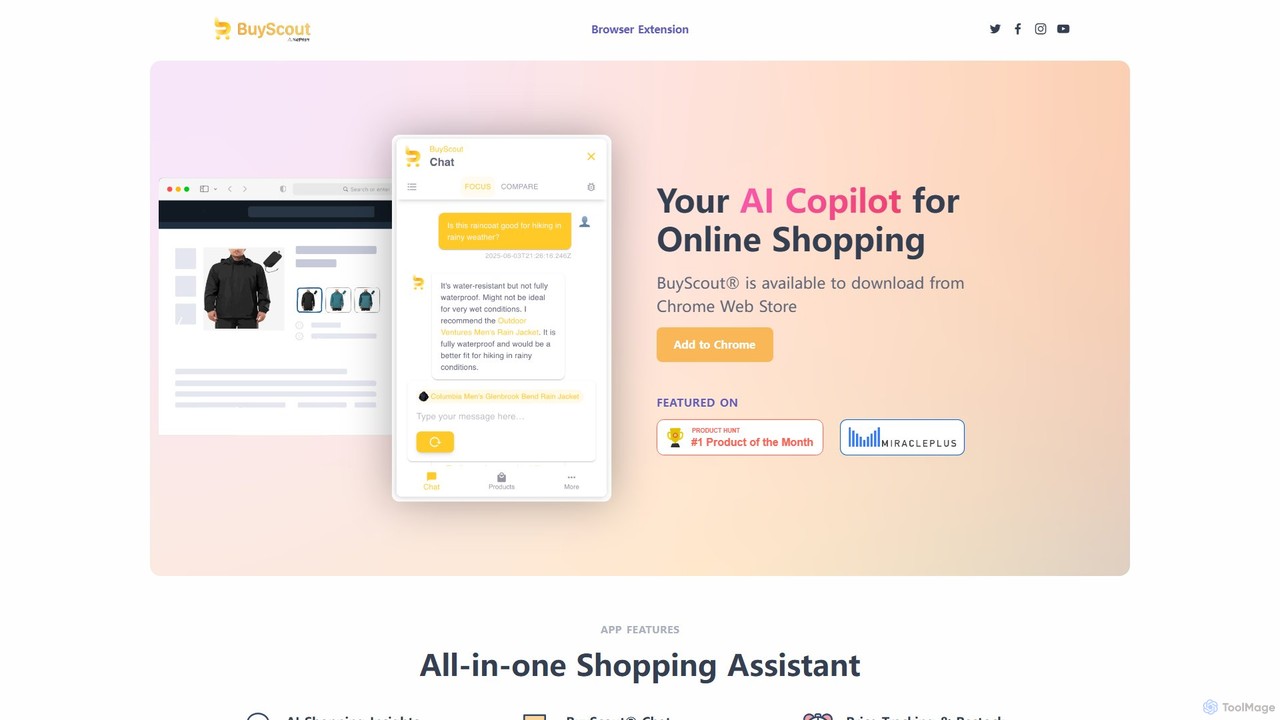
BuyScout is an AI-powered shopping assistant and Chrome extension that revolutionizes your online shopping. It analyzes reviews to …
BuyScout is an AI-powered shopping assistant and Chrome extension that revolutionizes your online shopping. It analyzes reviews to provide pros and cons, offers a chatbot for product comparisons, and tracks prices and stock, ensuring you always make the best purchase decision.
Synterrix
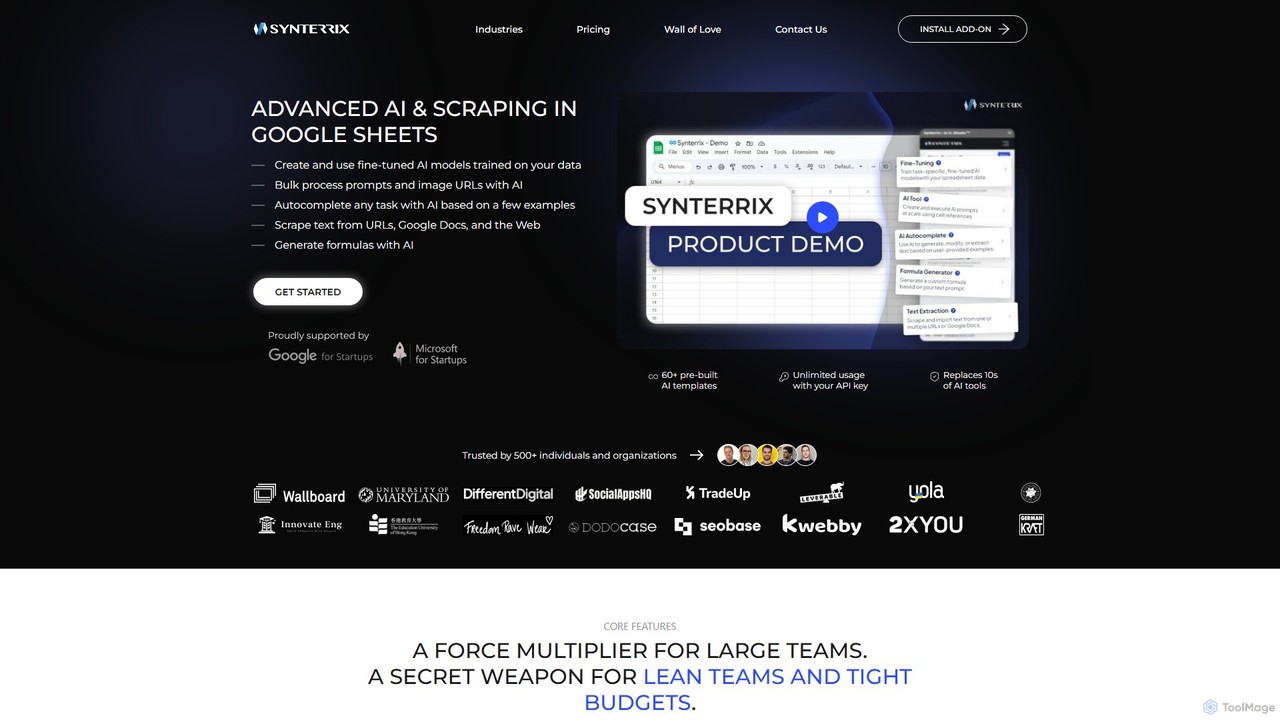
Synterrix is a powerful AI add-on for Google Sheets, designed to automate tasks, generate content, and scrape data …
Synterrix is a powerful AI add-on for Google Sheets, designed to automate tasks, generate content, and scrape data at scale. It integrates advanced AI models like GPT-4 directly into your spreadsheets, allowing you to bulk-process prompts, train custom AI models on your data, and replace dozens of other tools. It's an ideal solution for SEO, e-commerce, marketing, and data operations teams looking to boost productivity and reduce costs.

DepopAid
DepopAid is a smart Chrome extension designed for Depop sellers to automate their store management. It boosts sales …
DepopAid is a smart Chrome extension designed for Depop sellers to automate their store management. It boosts sales and visibility by auto-refreshing listings, following/unfollowing users, and liking products. With human-like automation and a focus on privacy, it saves hours of manual work, helping sellers grow their audience and increase profits efficiently. It offers a user-friendly interface on your computer, complete with scheduling and customization options.
DealDrop
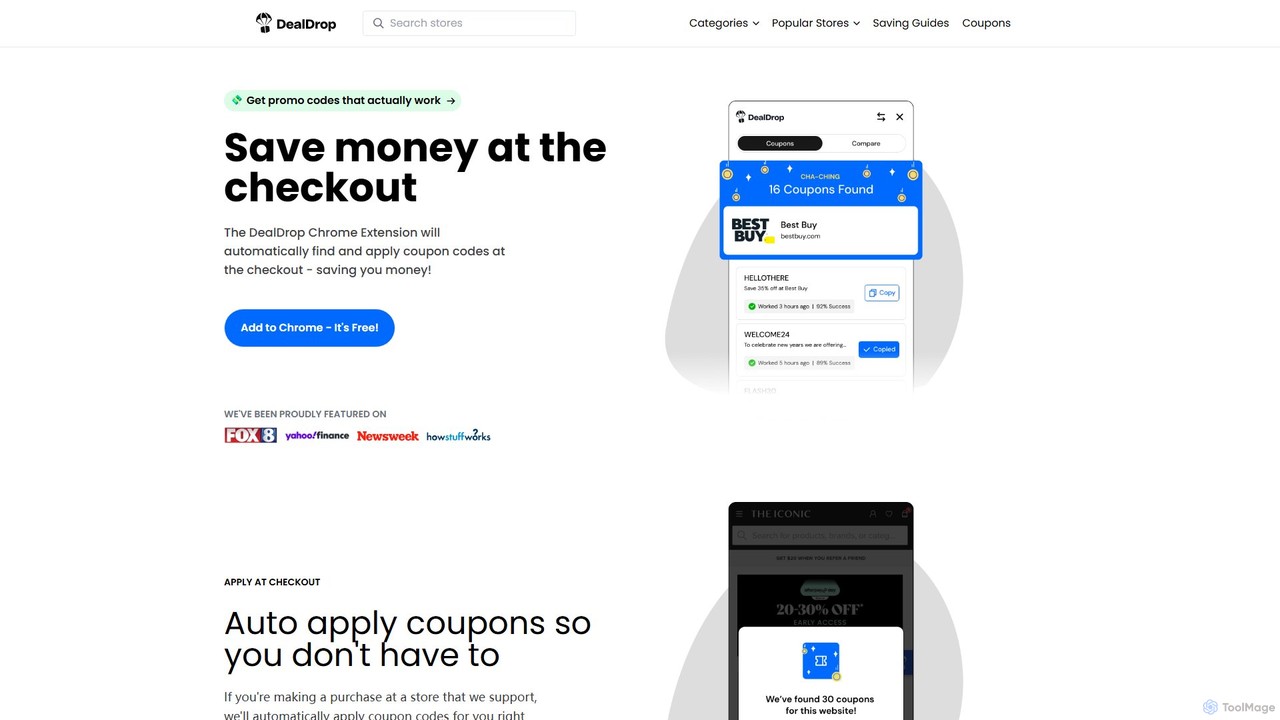
DealDrop is a free AI-powered browser extension and mobile app that revolutionizes online shopping. It automatically finds and …
DealDrop is a free AI-powered browser extension and mobile app that revolutionizes online shopping. It automatically finds and applies the best coupon codes at checkout and compares product prices in real-time across thousands of stores, ensuring you never miss a deal and always get the lowest price effortlessly.
Pricein
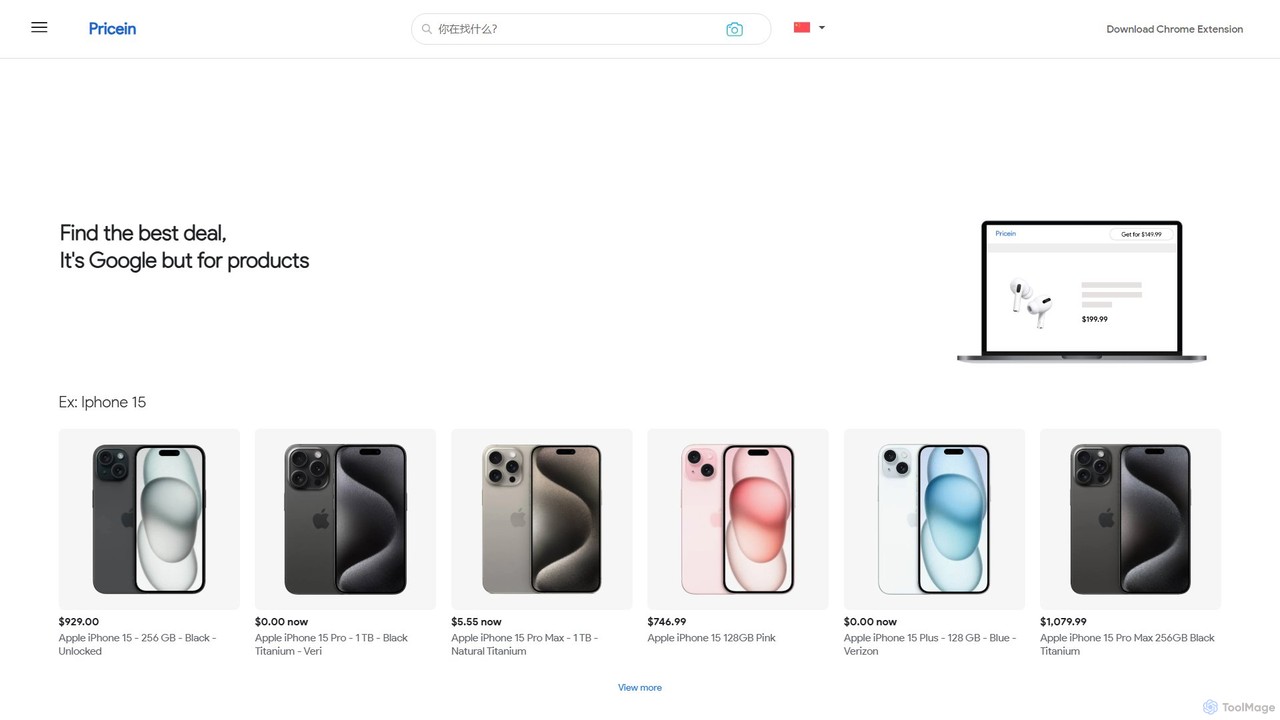
Pricein is a free AI-powered browser extension that functions as a product search engine. It compares prices from …
Pricein is a free AI-powered browser extension that functions as a product search engine. It compares prices from over a million online stores, helping you find the best deals, identify dropshippers, and even search for products using just an image, saving users an average of 20% on purchases.
Darbee
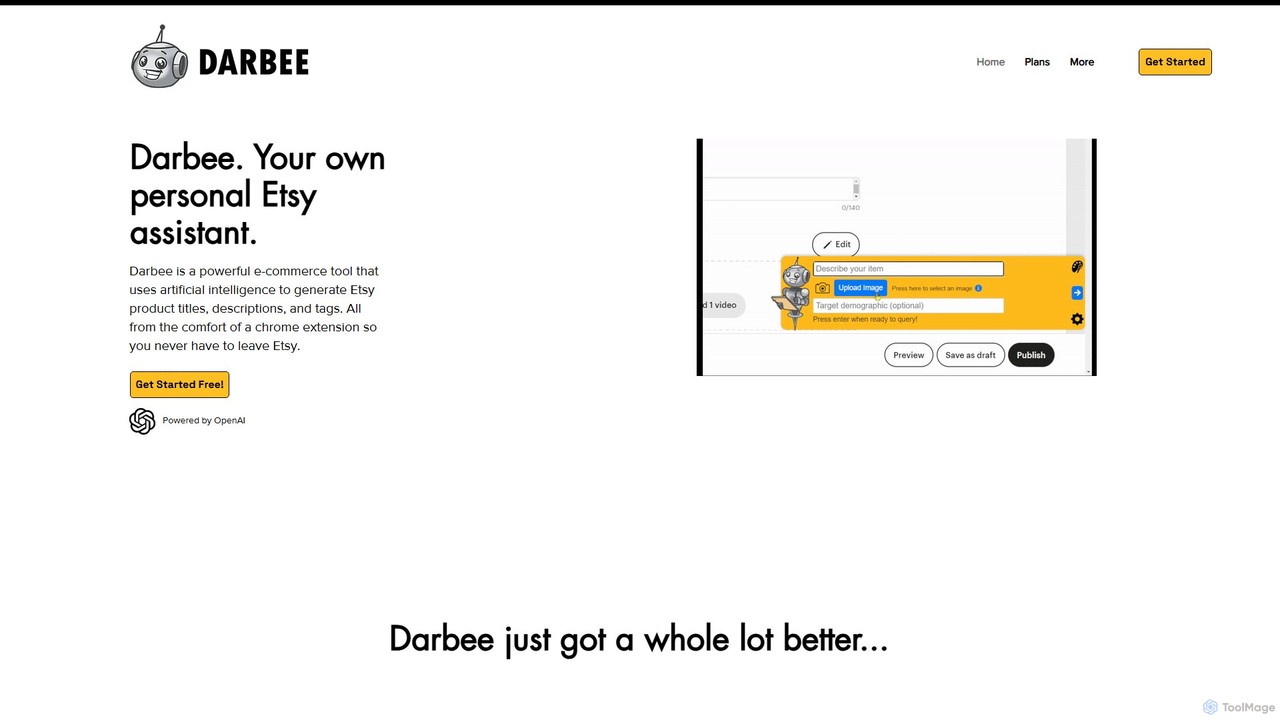
Darbee is an AI-powered Chrome extension designed for Etsy sellers. It streamlines e-commerce by generating SEO-optimized product titles, …
Darbee is an AI-powered Chrome extension designed for Etsy sellers. It streamlines e-commerce by generating SEO-optimized product titles, descriptions, and tags directly within the Etsy interface. It also features an AI background remover to create professional product photos, helping sellers save time and increase visibility.
DealDazzle
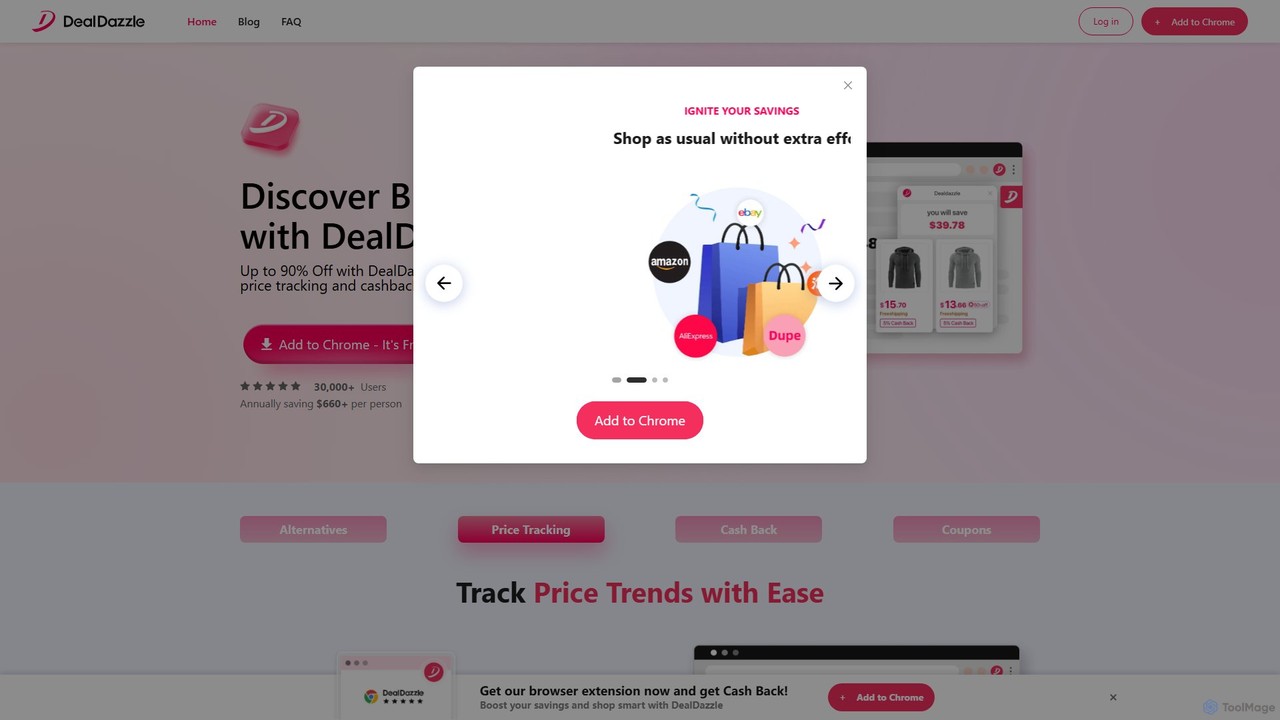
DealDazzle is a free AI-powered browser extension that revolutionizes online shopping. It automatically finds and applies the best …
DealDazzle is a free AI-powered browser extension that revolutionizes online shopping. It automatically finds and applies the best coupon codes, offers cash back from over 260,000 stores, tracks product prices, and discovers cheaper alternatives, ensuring you always get the best deal effortlessly.
About Ecommerce
Ecommerce AI tools are a class of software that leverage artificial intelligence to optimize and automate various aspects of online retail. These tools analyze vast amounts of data—such as customer behavior, sales trends, and inventory levels—to power features like personalized recommendations, dynamic pricing, and automated customer support. They are designed to enhance the customer experience, increase conversion rates, and improve operational efficiency for online businesses. By using machine learning algorithms, these platforms can predict outcomes and make data-driven decisions in real time.
Core Features
- Personalized Product Recommendations: Analyzes user browsing history and purchase data to suggest relevant products, increasing cross-sell and upsell opportunities.
- AI-Powered Chatbots: Provides 24/7 automated customer support, handling inquiries about order status, product details, and return policies.
- Dynamic Pricing Optimization: Automatically adjusts product prices based on competitor pricing, demand, and inventory levels to maximize revenue.
- Automated Content Generation: Creates SEO-friendly product descriptions, marketing emails, and social media ad copy at scale.
- Fraud Detection: Uses machine learning to identify and flag suspicious transactions in real time, reducing chargebacks and financial loss.
Use Cases
These tools are essential for online retailers of all sizes, from small Shopify stores to large enterprise-level marketplaces. Ecommerce managers use them to automate marketing campaigns and inventory management. Customer support teams leverage AI chatbots to reduce response times and handle a higher volume of inquiries. Marketing specialists also use them to create highly targeted advertising and personalized shopping experiences.
How to Choose
When selecting an Ecommerce AI tool, consider its integration capabilities with your existing platform (e.g., Shopify, Magento, WooCommerce). Evaluate the specific features offered and ensure they align with your business goals, whether it's improving customer support or increasing sales. Assess the tool's scalability to handle your traffic and product catalog size. Finally, review the pricing model and the level of technical expertise required for implementation and maintenance.
EcommerceUse Cases
Automate Product Description Generation
An ecommerce manager responsible for a catalog of over 5,000 products uses an AI tool to automate description writing. By inputting key product attributes like material, dimensions, and target audience, the tool generates hundreds of unique, SEO-optimized, and persuasive descriptions per hour. This process eliminates tedious manual work, ensures brand voice consistency across all listings, and significantly reduces the time-to-market for new products, freeing up the team to focus on strategic marketing initiatives.
Implement a 24/7 AI Customer Service Chatbot
An online fashion retailer integrates an AI chatbot into their website and social media channels. The chatbot is trained on the company's product catalog and FAQ database. It instantly handles common customer queries such as 'Where is my order?', 'What is your return policy?', and 'Do you have this in size M?'. This provides immediate support to customers around the clock, reduces the workload on human agents by 40%, and improves overall customer satisfaction by ensuring quick and accurate responses.
Optimize Pricing Strategy with AI
A consumer electronics retailer uses a dynamic pricing tool to stay competitive. The AI continuously monitors competitor prices, market demand fluctuations, inventory levels, and even historical sales data for seasonal trends. Based on this analysis, the tool recommends or automatically applies price adjustments to maximize profit margins on high-demand items while clearing out slow-moving stock with strategic discounts. This data-driven approach helps the retailer increase overall revenue by 15% without engaging in harmful price wars.
Create Personalized Email Marketing Campaigns
A marketing specialist for an online bookstore uses an AI platform to enhance email campaigns. The system analyzes each customer's purchase history and browsing behavior (e.g., genres they view most). It then automatically populates email templates with personalized book recommendations, author spotlights, and genre-specific promotions. This level of personalization results in a 30% higher click-through rate and a 20% increase in conversions compared to generic, one-size-fits-all email blasts.
Enhance Product Discovery with Visual Search
A home decor website implements an AI-powered visual search feature. A user can upload a photo of a living room they saw on social media. The AI analyzes the image, identifies individual items like a specific lamp, sofa, or rug, and then displays visually similar products available for purchase from the store's catalog. This intuitive search method improves the user experience, reduces friction in the buying process, and has been shown to increase the average order value as customers discover complementary products more easily.
Reduce Fraudulent Transactions with AI
An online marketplace uses an AI-powered fraud detection system to protect both buyers and sellers. The tool analyzes hundreds of data points for each transaction in real-time, including IP address location, device fingerprint, transaction value, and user's historical behavior. It assigns a risk score to each order, automatically blocking high-risk transactions and flagging medium-risk ones for manual review. This proactive approach has reduced chargeback rates by over 60% and built greater trust within the platform's community.