Ecommerce Best in category 4 results Listing Optimization AI Tool

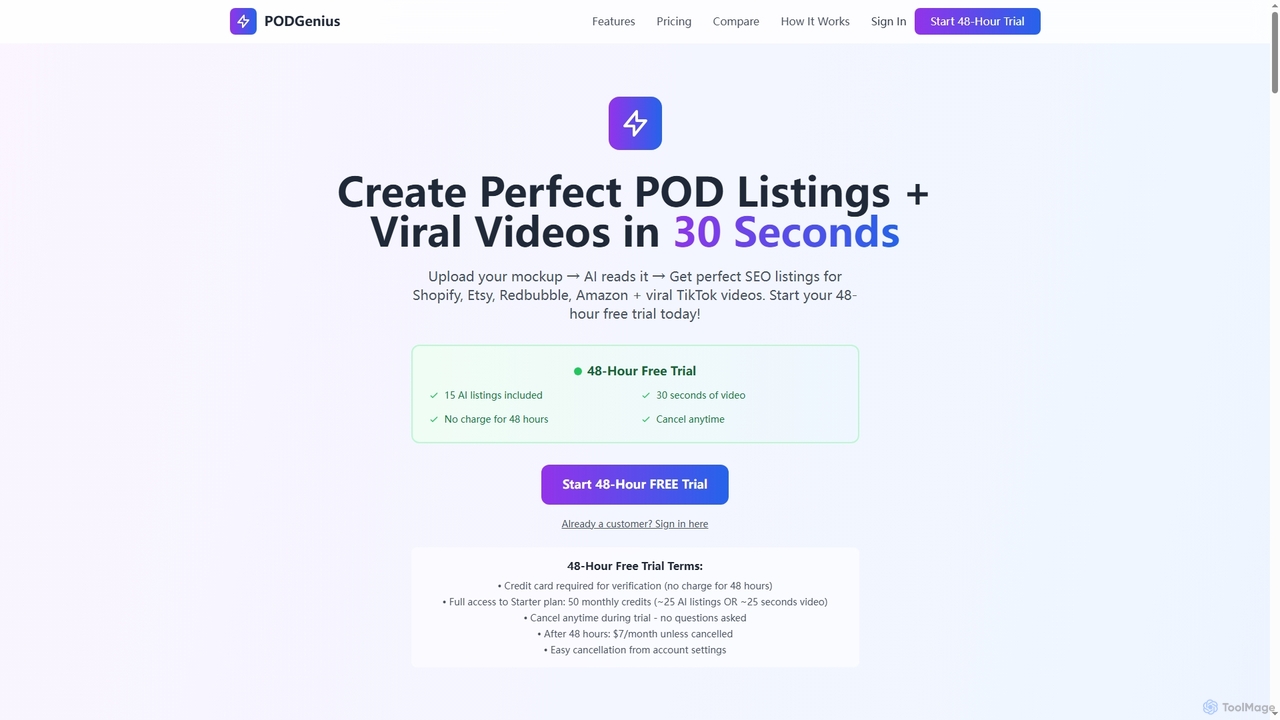
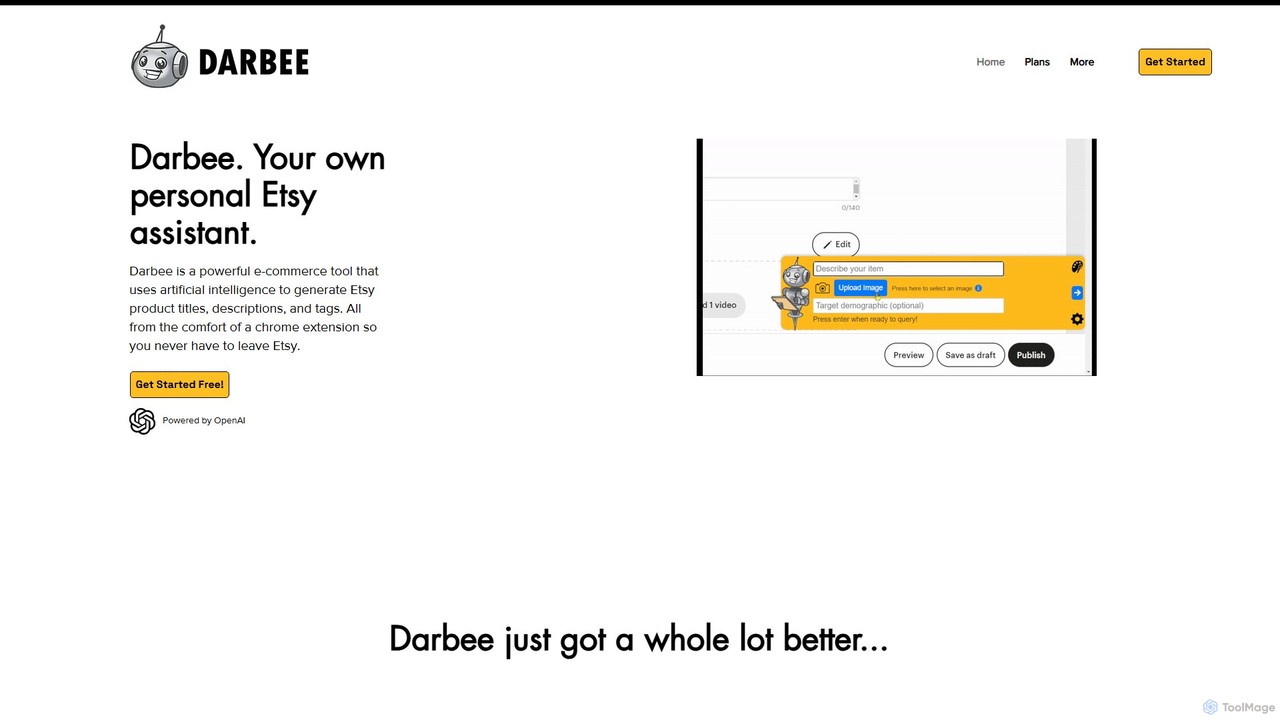
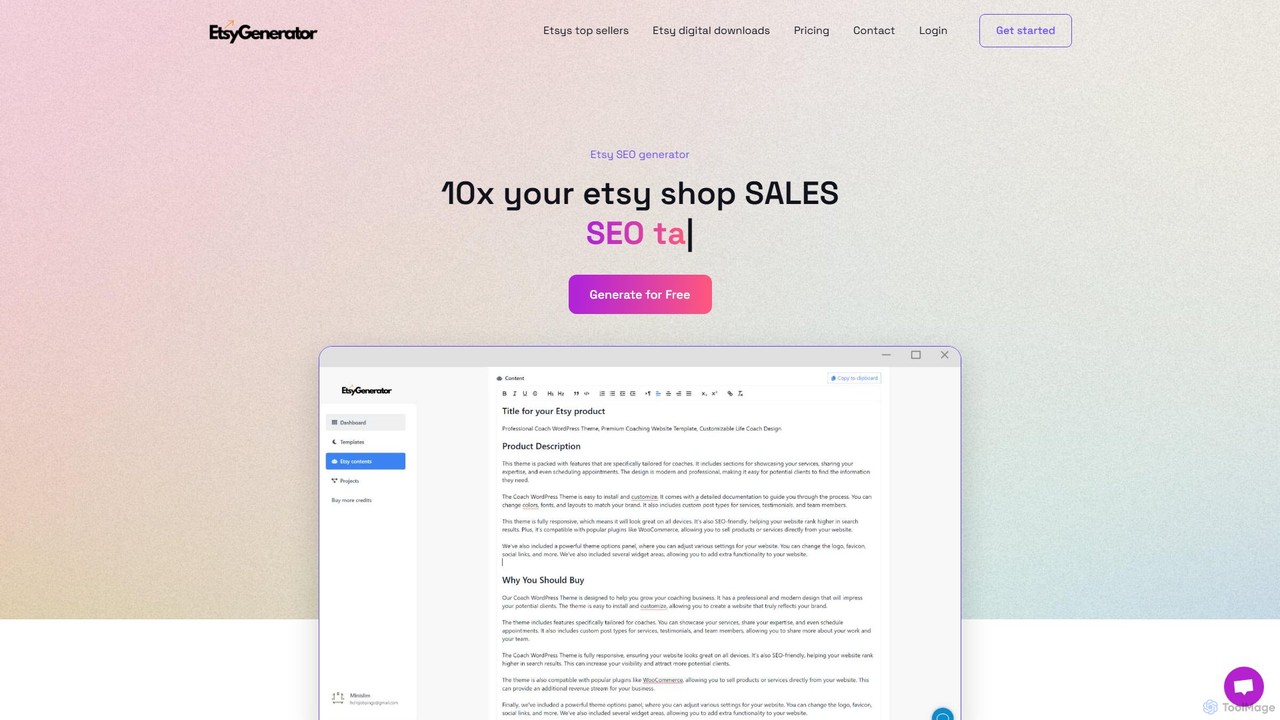
Popular AI tools in the Listing Optimization field of Ecommerce include Darbee、PODGenius、ListGenius、etsygenerator, etc., helping you quickly improve efficiency.

ListGenius

ListGenius

ListGenius is an AI-powered tool designed to help Etsy sellers optimize their product listings. It generates SEO-optimized titles, …

1.8K
PODGenius

PODGenius

PODGenius is an AI-powered tool designed for print-on-demand sellers to generate SEO-optimized product listings and viral social media …

1.8K
Darbee

Darbee

Darbee is an AI-powered Chrome extension designed for Etsy sellers. It streamlines e-commerce by generating SEO-optimized product titles, …

2.2K
etsygenerator

etsygenerator

An AI-powered toolkit for Etsy sellers, designed to automate and optimize shop listings. It generates SEO-friendly titles, descriptions, …

1.8K

About Listing Optimization

Listing Optimization tools are AI-powered solutions designed to enhance product listings on e-commerce platforms. These tools leverage natural language processing (NLP) to generate compelling titles, persuasive descriptions, and relevant keywords. Their primary purpose is to improve a product's search visibility, increase click-through rates, and ultimately boost conversion rates. By automating the creative and analytical aspects of listing creation, they enable sellers to optimize their entire catalog efficiently.

Core Features

  • AI Title Generation: Creates multiple SEO-friendly and attention-grabbing product titles based on core features and keywords.
  • Product Description Writing: Automatically drafts detailed, persuasive, and structured product descriptions from bullet points or basic information.
  • E-commerce Keyword Research: Identifies high-traffic, low-competition keywords specific to platforms like Amazon, Etsy, or Shopify.
  • Content Scoring & Analysis: Evaluates existing or generated listings against platform best practices and provides an optimization score with suggestions.

Use Cases

These tools are essential for e-commerce managers, marketplace sellers (on Amazon, eBay, Etsy), and digital marketing agencies managing client stores. They are particularly useful for launching new products at scale, refreshing underperforming listings, and ensuring brand voice consistency across a large product catalog.

How to Choose

When selecting a Listing Optimization tool, consider its supported e-commerce platforms and marketplaces. Evaluate the quality and relevance of its keyword suggestions and the naturalness of the generated text. Also, check for features like competitor analysis, multi-language support, and integration capabilities with your existing e-commerce management software.

Listing OptimizationUse Cases

1

Automate Descriptions for a New Store Launch

An e-commerce startup is preparing to launch a new online store with over 500 different products. Manually writing unique, SEO-friendly descriptions for each item would take weeks of work. By using an AI Listing Optimization tool, the marketing team can input product specifications and key features for each item. The AI then generates multiple description variants, allowing the team to choose the best fit or make minor edits. This process reduces the content creation time by over 80%, ensuring a faster time-to-market while maintaining high-quality, consistent, and optimized product pages from day one.

2

Optimize Amazon Listings for Higher Search Rank

An established Amazon FBA seller notices a decline in organic traffic for their best-selling product. Using an AI Listing Optimization tool, they analyze the current listing against top competitors. The tool identifies missed high-volume keywords and suggests restructuring the title and bullet points to better align with Amazon's A9 search algorithm. The seller implements the AI-generated suggestions, resulting in a more relevant and keyword-rich listing. Within a few weeks, the product's ranking improves, leading to increased visibility in search results and a subsequent recovery in sales.

3

A/B Testing Product Titles on Shopify

A Shopify store owner wants to maximize the click-through rate (CTR) for a new product line. Instead of guessing which title will perform best, they use an AI Listing Optimization tool to generate five distinct, compelling titles. Each title emphasizes a different benefit or uses a different tone. They then use a Shopify A/B testing app to run traffic to product pages with these different titles. After a week, the data clearly shows that one title has a 15% higher CTR than the others. The owner confidently applies the winning title, leading to more qualified traffic and increased sales.

4

Localize Listings for International Markets

A global brand is expanding its e-commerce presence into Germany and Japan. A direct translation of their English listings would miss cultural nuances and local search terms. They use an AI Listing Optimization tool with multi-language capabilities. The tool not only translates the content but also adapts it, suggesting locally relevant keywords and phrasing. For example, it might suggest different product benefits to highlight based on cultural preferences. This ensures the listings resonate with German and Japanese customers, leading to better engagement and higher conversion rates in these new markets.

5

Refresh Stale Etsy Listings to Boost Traffic

An Etsy seller specializing in handmade crafts has hundreds of listings, some of which are years old and receive little traffic. Instead of deleting them, the seller uses an AI tool to refresh them. The tool analyzes current Etsy trends and suggests new, relevant keywords and tags. It also helps rewrite the titles and descriptions to be more engaging and descriptive. By investing a few hours to update 50 of the oldest listings with AI-powered suggestions, the seller sees a significant increase in views and favorites within a month, reviving dormant products and generating new sales.

6

Ensure Brand Voice Consistency Across a Large Catalog

A large company with thousands of products sells across multiple online channels. Maintaining a consistent brand voice, tone, and style in every product description is a major challenge, especially with multiple writers involved. They implement an AI Listing Optimization tool and configure it with their specific brand guidelines, including preferred terminology and tone of voice (e.g., professional, witty, or minimalist). Now, any team member can generate new product descriptions that automatically adhere to the established brand identity. This ensures a cohesive customer experience and strengthens brand recognition across all platforms.

Listing OptimizationFrequently Asked Questions