Ecommerce Best in category 19 results Store Management AI Tool

Popular AI tools in the Store Management field of Ecommerce include Triple Whale、edesk、Listadum、Kopy、Polar Analytics、Supaboard、Snap2List、Adwisely、AdsPolar、hello24, etc., helping you quickly improve efficiency.

Storeclaw

Storeclaw

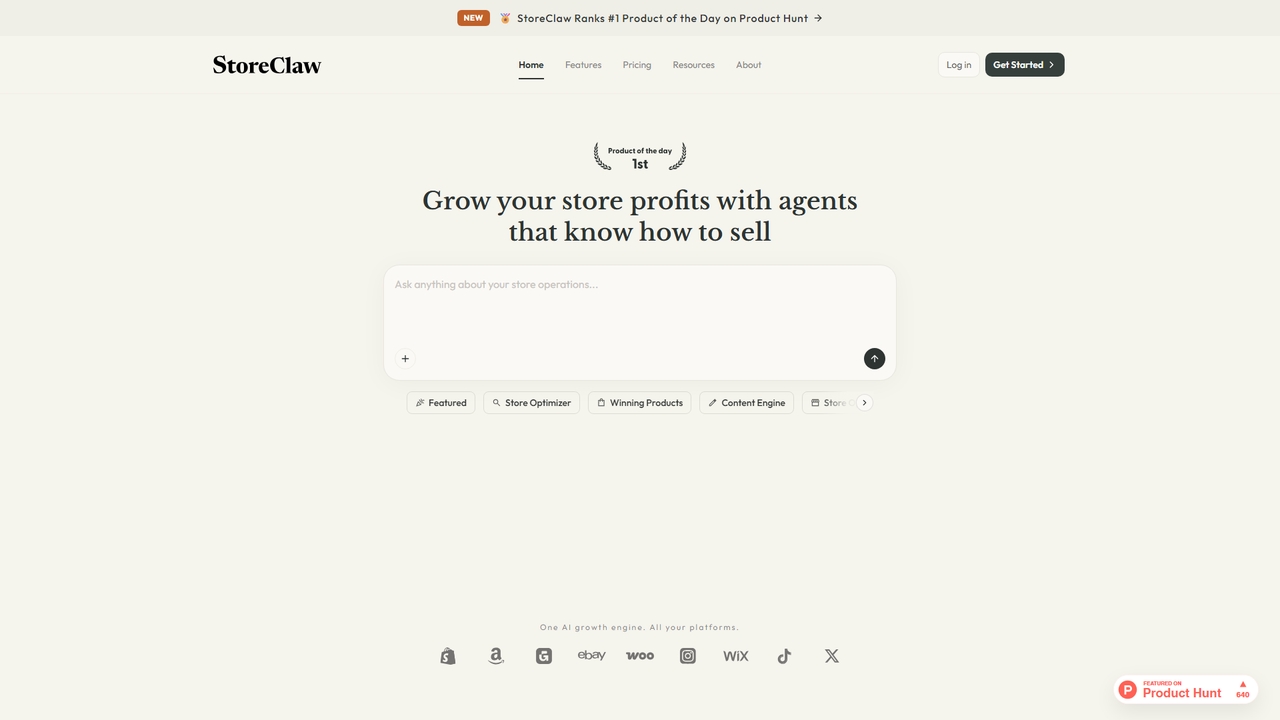
StoreClaw is an autonomous AI growth engine designed for ecommerce. It integrates store diagnostics, SEO/GEO optimization, marketing content …

3.0K
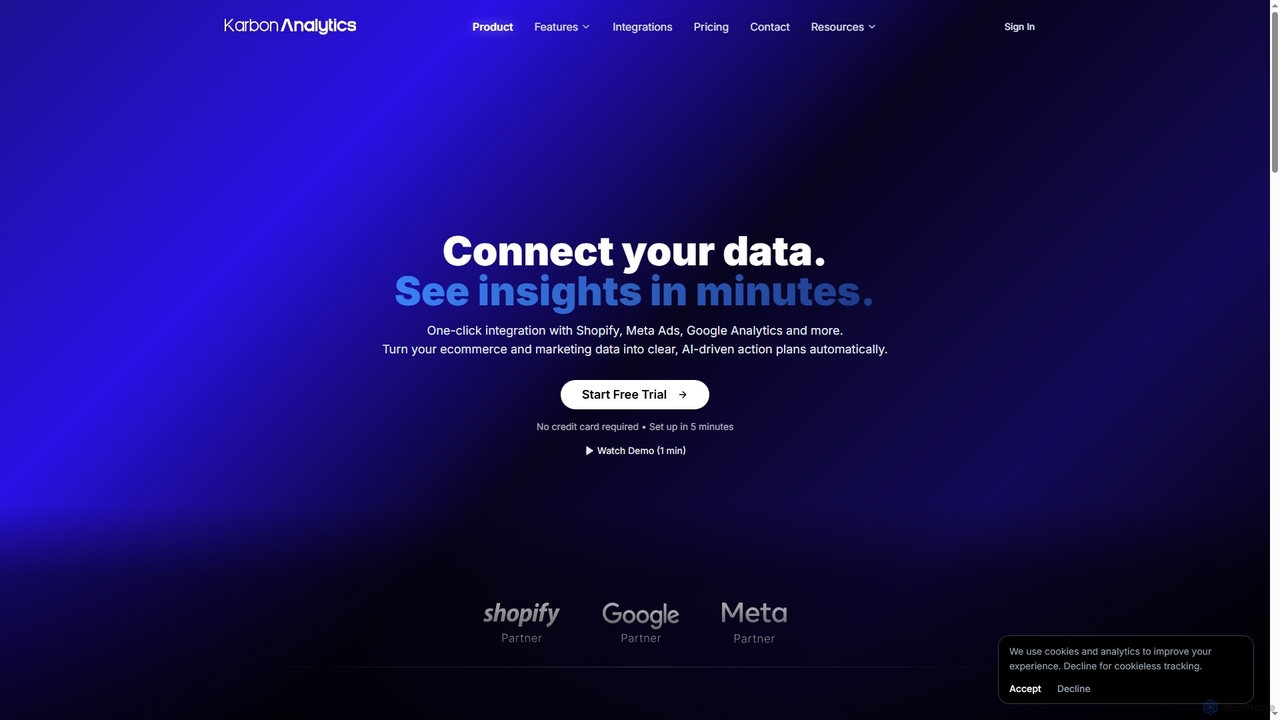
Karbon Analytics

Karbon Analytics

An AI-driven analytics platform for e-commerce and marketing. It integrates with Shopify, Meta Ads, and Google Analytics to …

4.2K
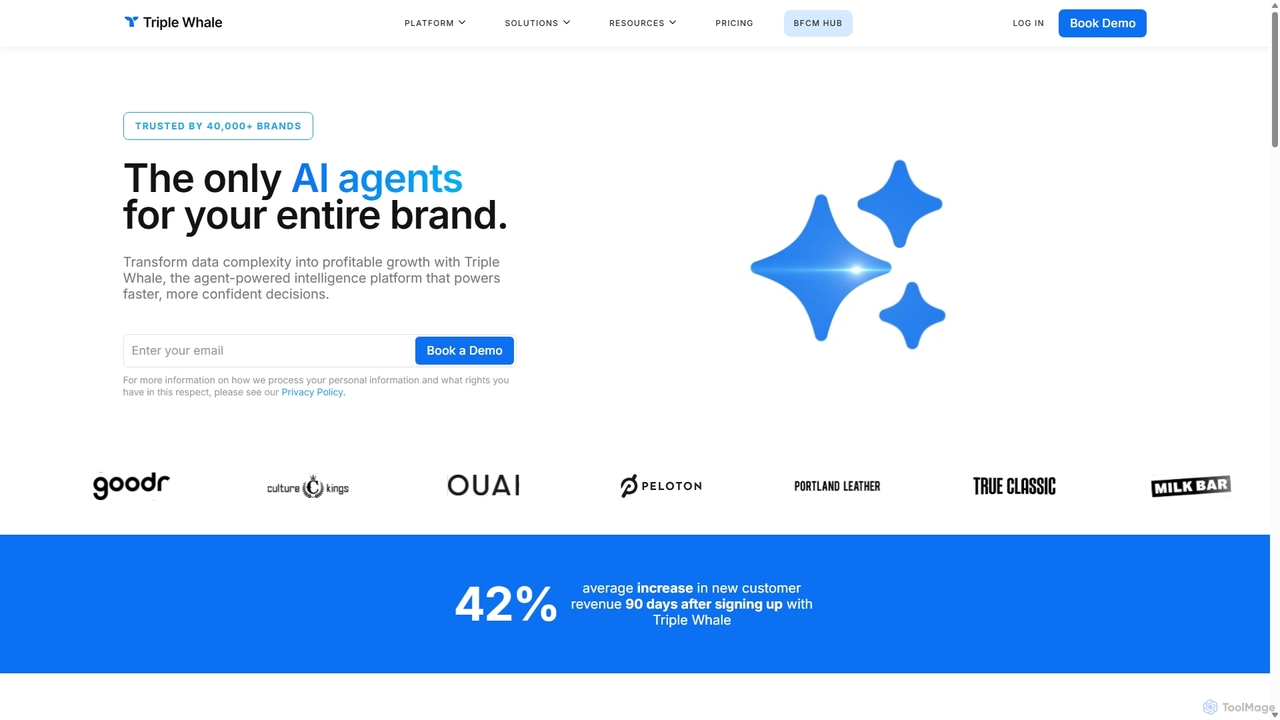
Triple Whale

Triple Whale

Triple Whale is an AI-powered intelligence platform for e-commerce brands, transforming complex data into profitable growth. It offers …

1.6M
Vorsto

Vorsto

Vorsto is an all-in-one, AI-powered platform designed for local businesses to unify and automate their entire operations. It …

2.6K
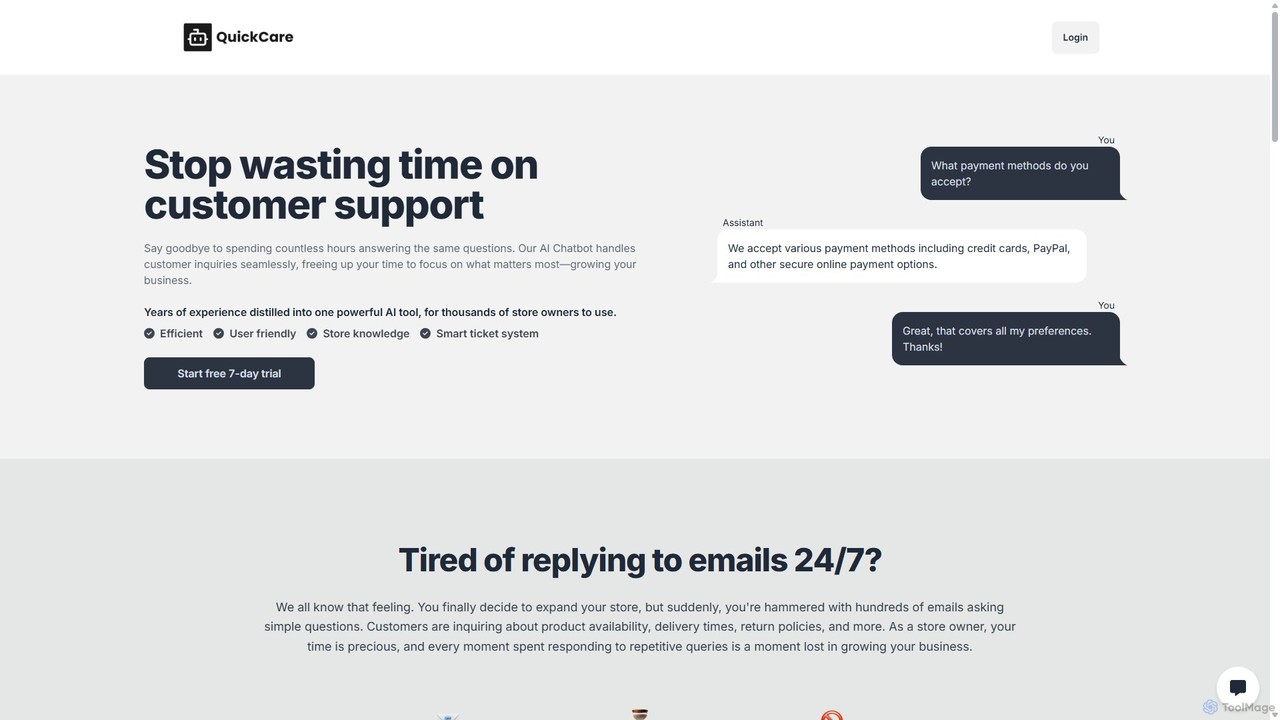
QuickCare

QuickCare

QuickCare is an AI-powered chatbot designed for e-commerce stores to automate customer support. It handles repetitive inquiries 24/7, …

2.6K
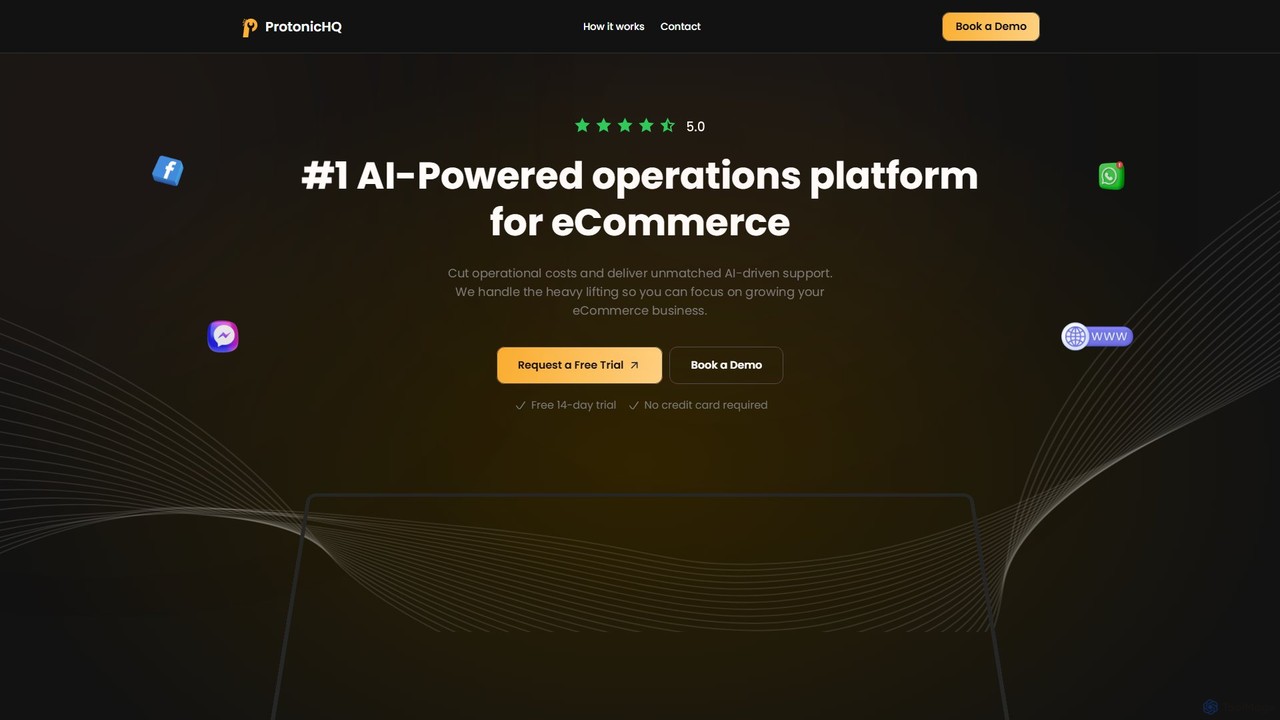
ProtonicHQ

ProtonicHQ

ProtonicHQ is an AI-powered operations platform for eCommerce businesses. It streamlines customer support, order management, and inventory tracking …

2.6K
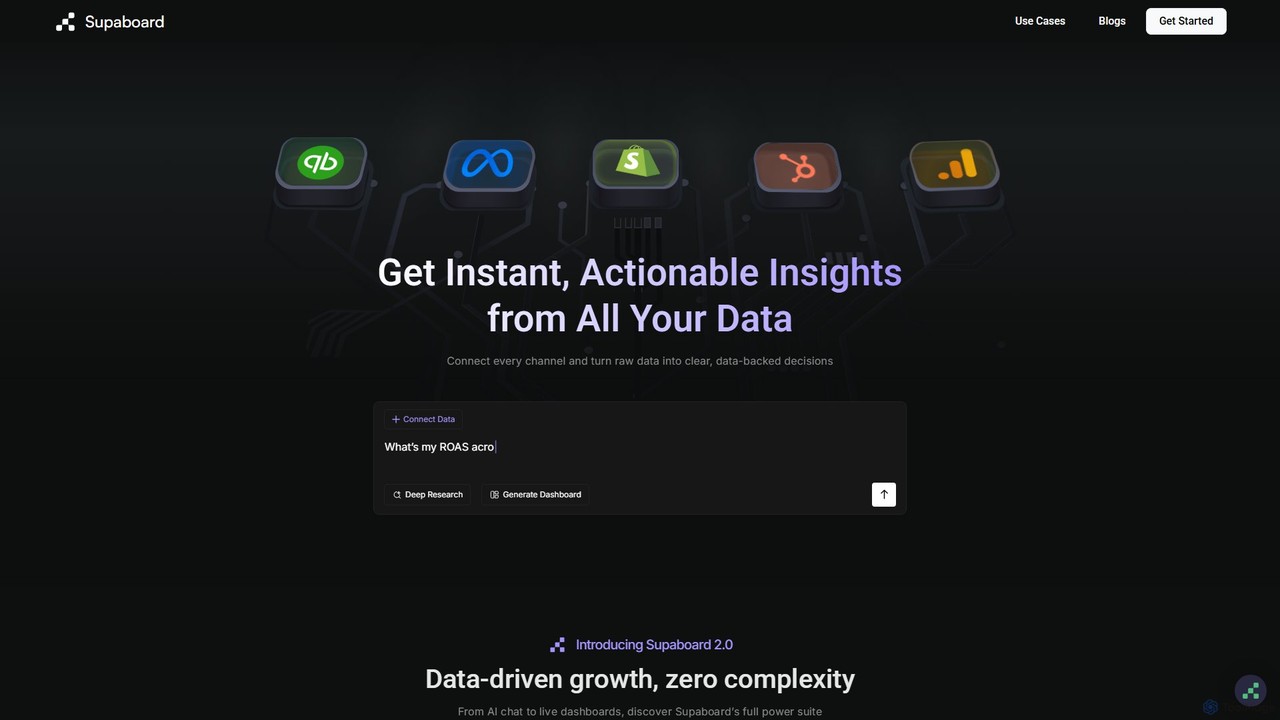
Supaboard

Supaboard

Supaboard is an AI-powered business intelligence platform that connects all your data sources into a unified hub. It …

32.9K
DepopAid

DepopAid

DepopAid is a smart Chrome extension designed for Depop sellers to automate their store management. It boosts sales …

4.0K
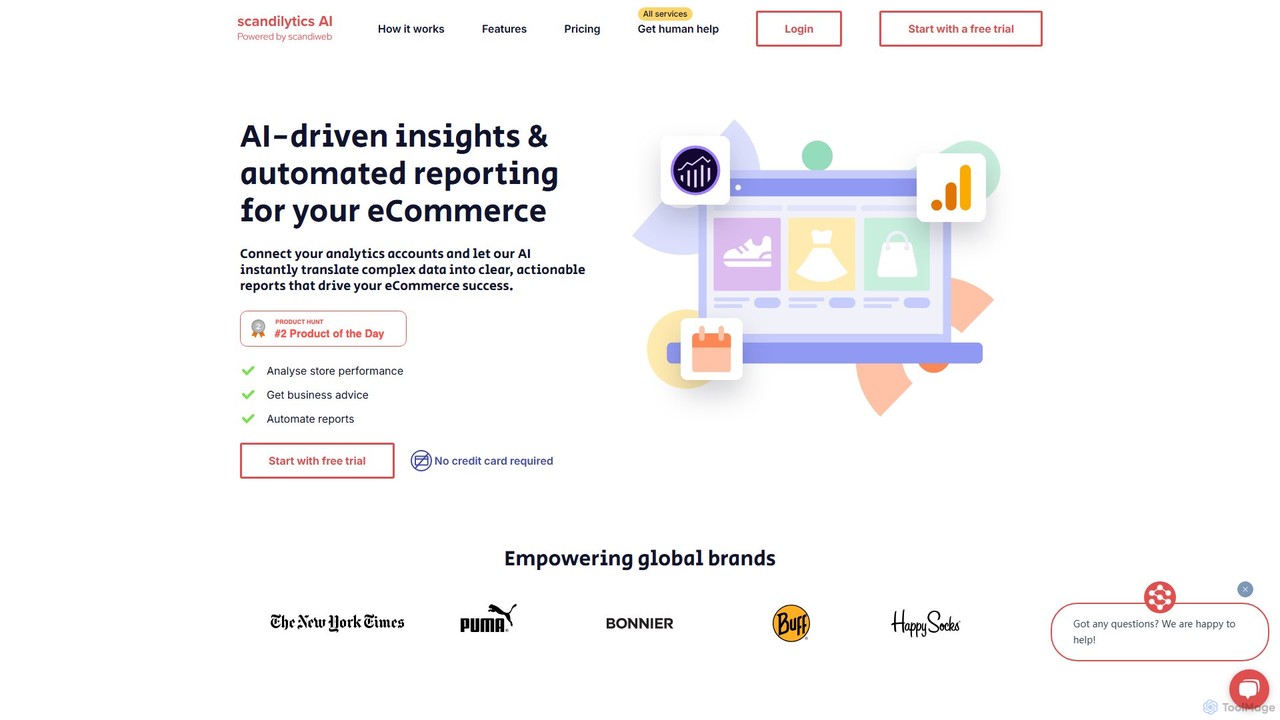
scandilytics

scandilytics

scandilytics is an AI-powered data analyst for eCommerce businesses. It connects to your analytics accounts like GA4 and …

2.7K
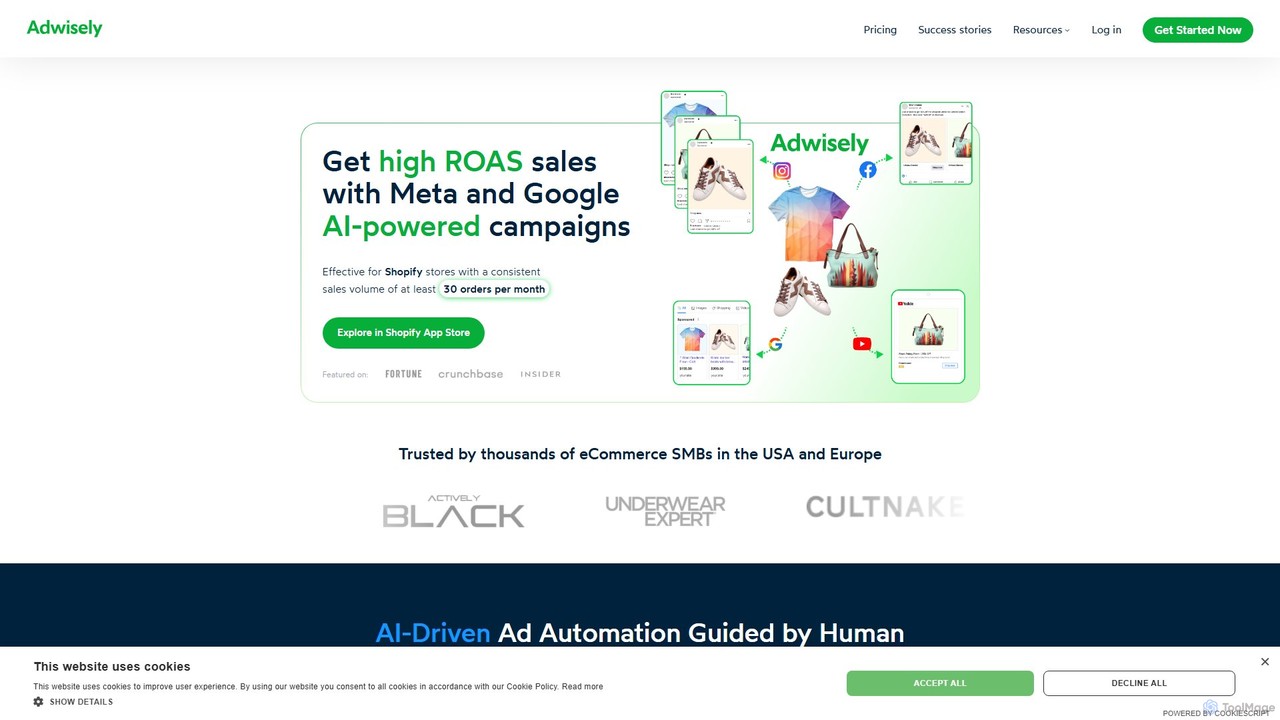
Adwisely

Adwisely

Adwisely is an AI-powered advertising automation platform for e-commerce businesses. It simplifies and optimizes ad campaigns on Google, …

20.4K
hello24

hello24

hello24 is an AI-powered conversational commerce and marketing automation platform for WhatsApp. It helps businesses increase sales, automate …

5.8K
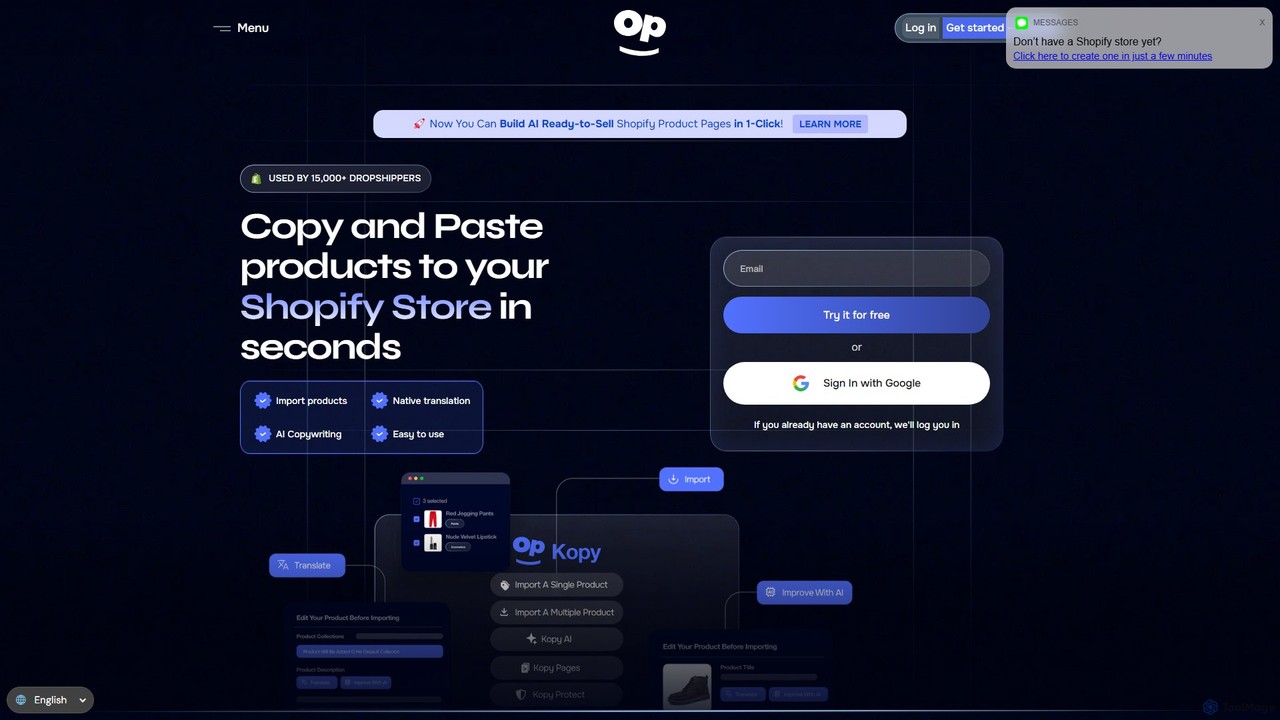
Kopy

Kopy

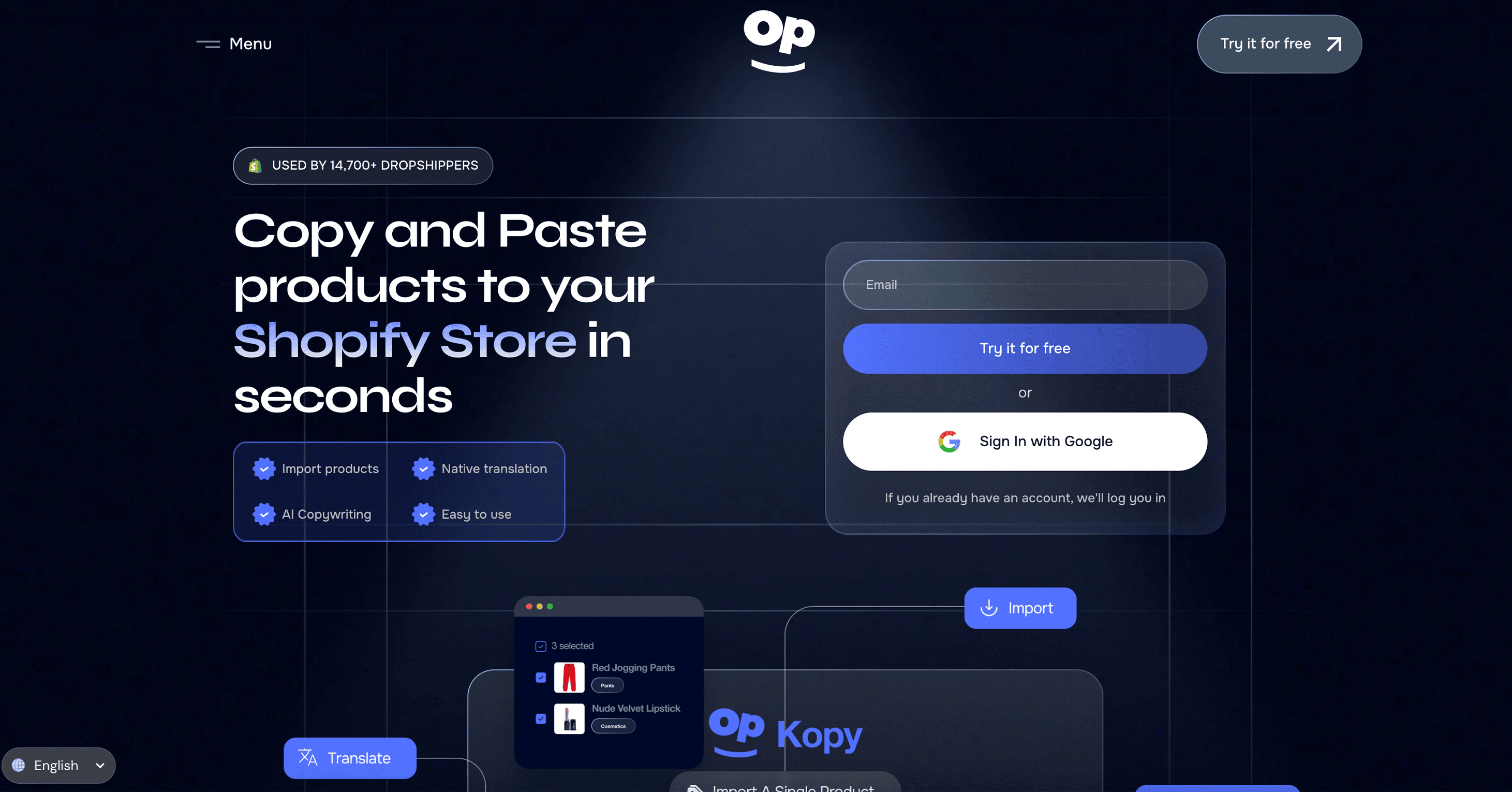
Kopy is an AI-powered tool for Shopify merchants, designed to import products from any e-commerce platform in one …

63.4K
Snap2List

Snap2List

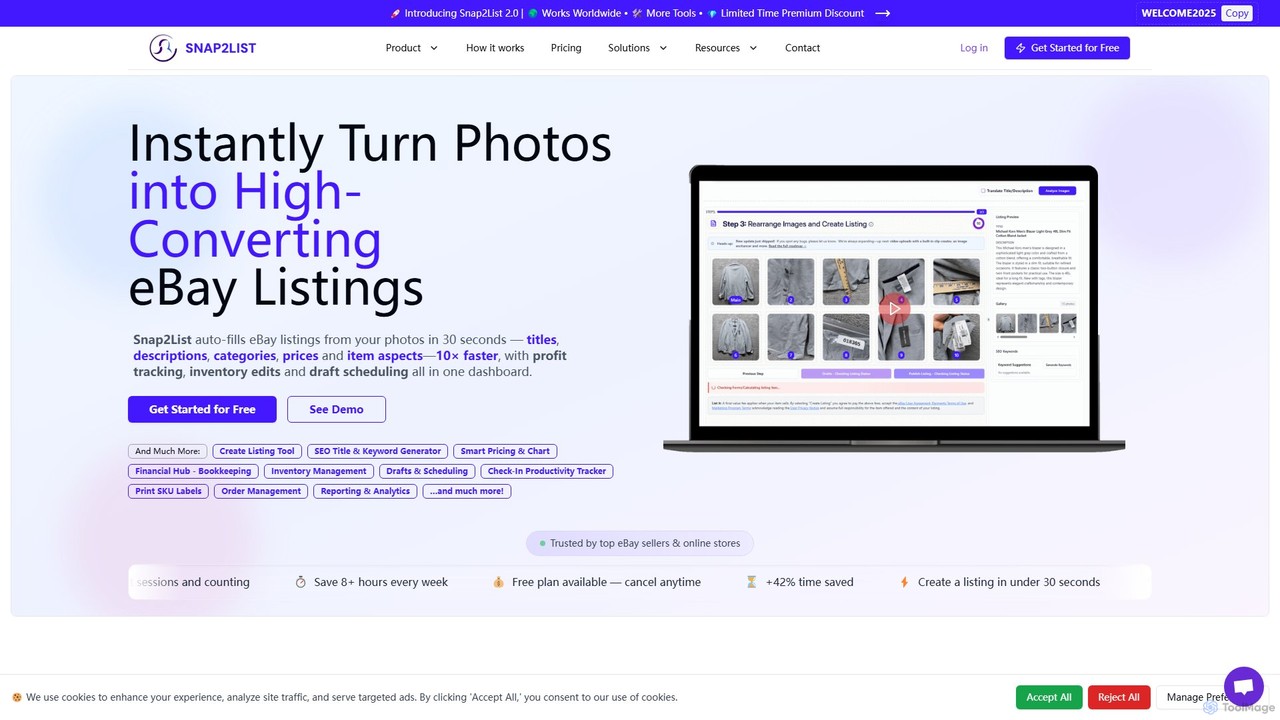
Snap2List is an AI-powered platform designed for eBay sellers. It automates listing creation by turning product photos into …

23.0K
AI Store Manager

AI Store Manager

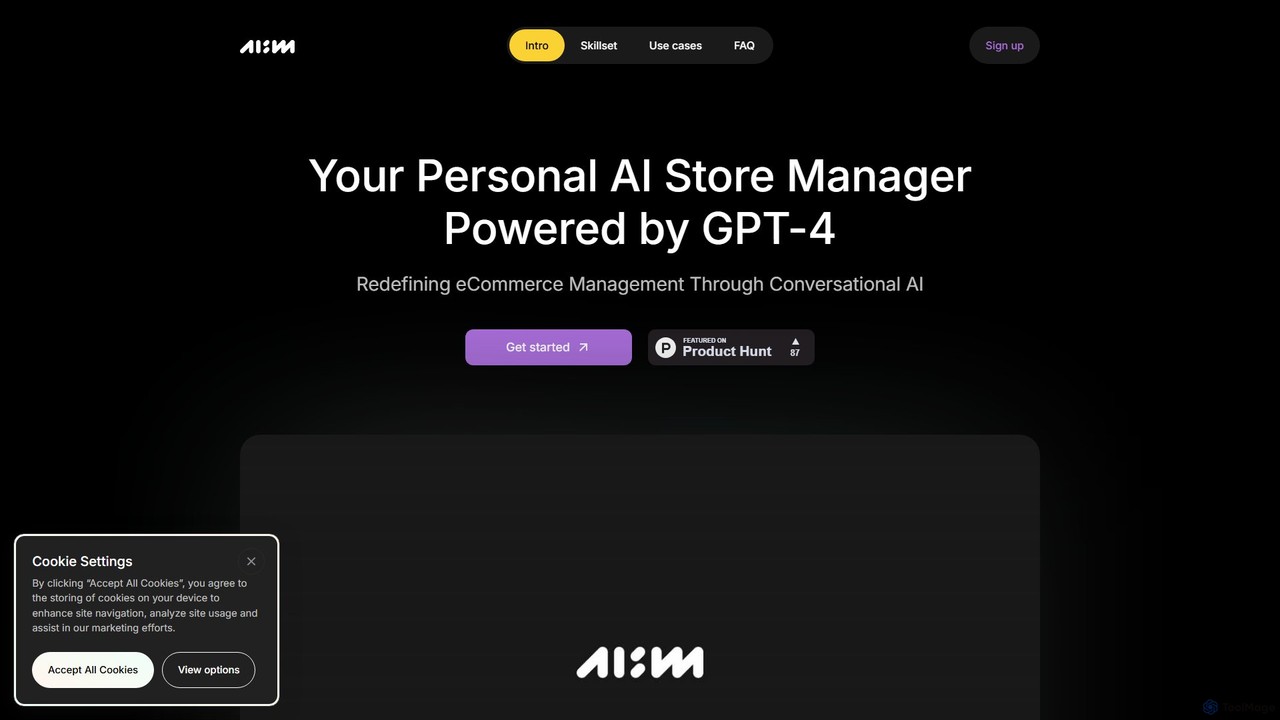
AI Store Manager (AISM) is a GPT-4 powered conversational AI assistant designed to streamline eCommerce management. It allows …

2.7K
edesk

edesk

eDesk is an AI-powered customer support platform designed specifically for eCommerce businesses. It centralizes all customer interactions from …

192.0K
Listadum

Listadum

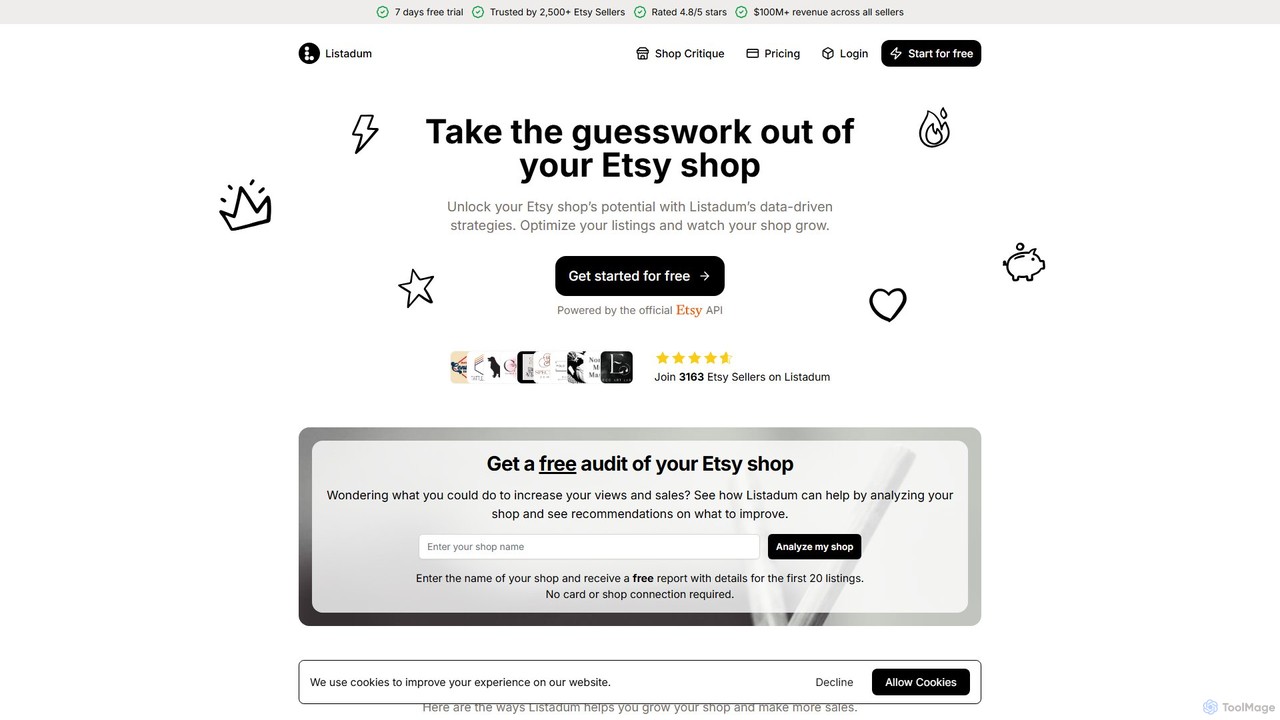
Listadum is an all-in-one AI-powered platform for Etsy sellers. It provides data-driven tools for listing optimization, shop management, …

79.2K
Polar Analytics

Polar Analytics

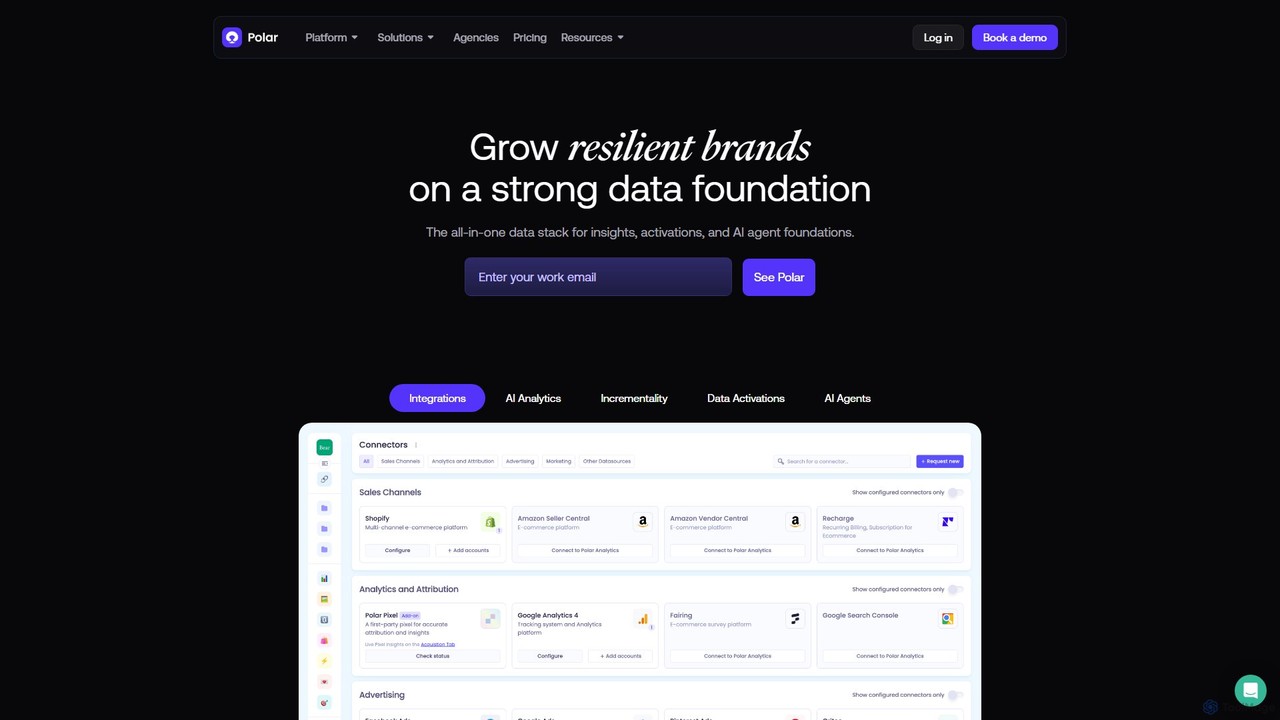
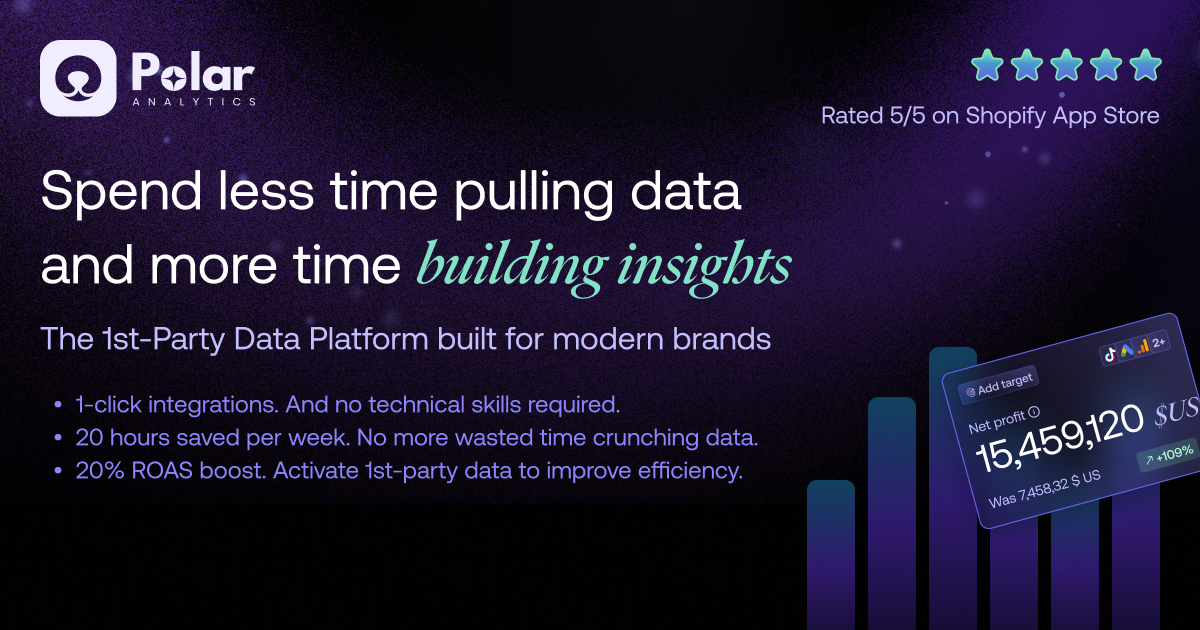
Polar Analytics is an all-in-one AI-powered data platform for e-commerce brands, primarily on Shopify. It centralizes data from …

49.8K
AdsPolar

AdsPolar

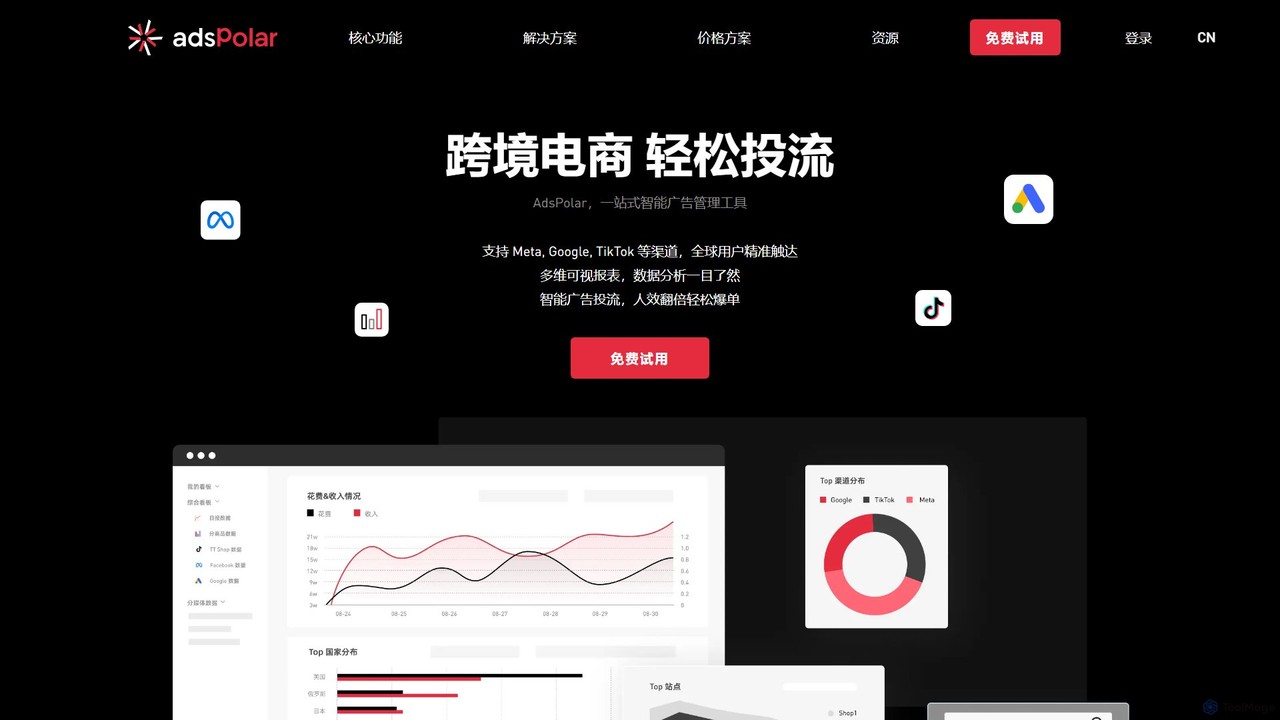
AdsPolar is an AI-powered, all-in-one advertising management platform for cross-border e-commerce. It streamlines ad campaigns on Meta, Google, …

17.4K
dscopilot

dscopilot

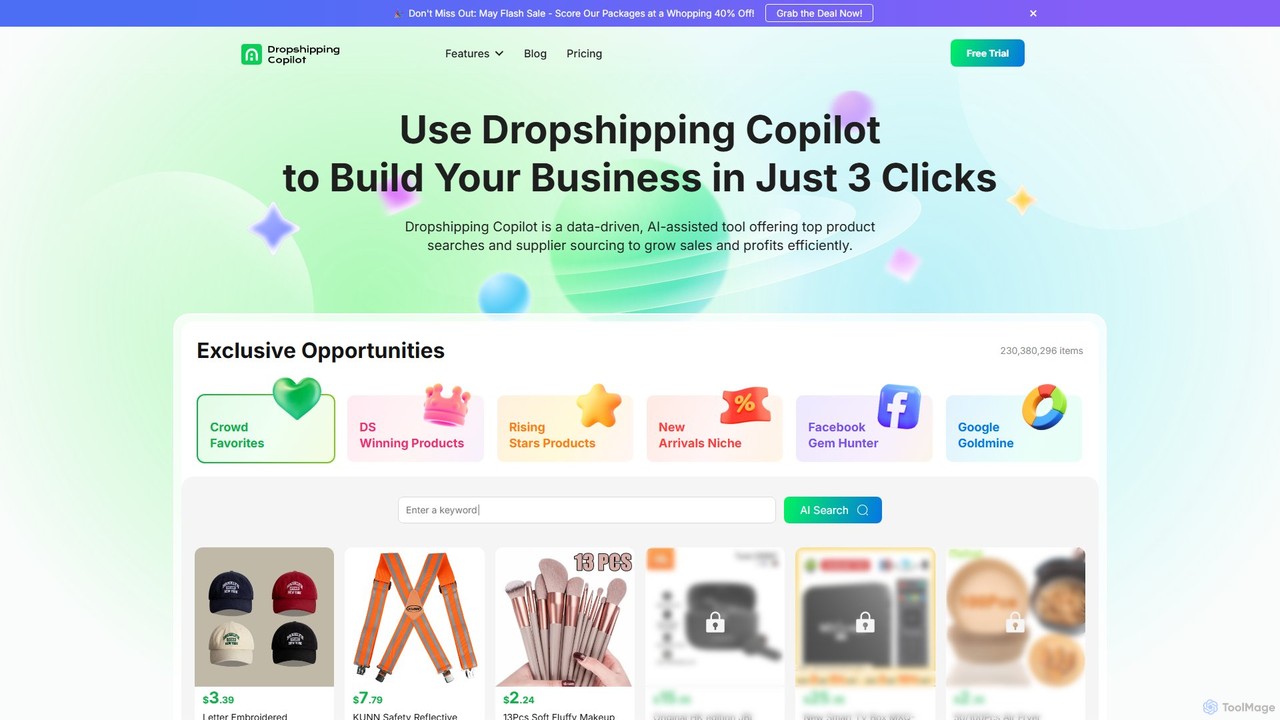
dscopilot is an AI-powered dropshipping assistant that helps e-commerce entrepreneurs find winning products, source reliable suppliers, and automate …

3.6K

About Store Management

AI-powered Store Management tools are specialized solutions designed to automate, optimize, and enhance various operational aspects of retail and e-commerce businesses. Leveraging advanced algorithms and machine learning, these tools streamline processes from inventory control to customer engagement, significantly improving efficiency and profitability. They provide retailers with intelligent insights and automated capabilities to manage their daily operations more effectively within the broader e-commerce ecosystem.

Core Features

  • Automated Inventory Management: Uses AI to predict demand, optimize stock levels, and automate reordering, minimizing overstocking and stockouts.
  • Personalized Customer Engagement: Employs AI chatbots and recommendation engines to offer tailored shopping experiences and instant support.
  • Sales Forecasting & Analytics: Analyzes historical data and market trends to provide accurate sales predictions and identify growth opportunities.
  • Dynamic Pricing Optimization: Adjusts product prices in real-time based on demand, competitor pricing, and inventory levels to maximize revenue.
  • Fraud Detection & Security: Identifies suspicious transactions and potential security breaches using pattern recognition, protecting both store and customers.

Applicable Scenarios

E-commerce businesses utilize these tools to automate order fulfillment, manage product listings across multiple channels, and personalize customer journeys, reducing manual workload and enhancing conversion rates. Physical retail stores deploy AI for optimizing staff scheduling, monitoring in-store traffic, and providing interactive customer assistance through smart kiosks, leading to improved operational efficiency and customer satisfaction. Small businesses can leverage these solutions to gain competitive insights and streamline their limited resources.

How to Choose

When selecting an AI Store Management tool, consider its integration capabilities with existing POS, CRM, and e-commerce platforms to ensure seamless data flow. Evaluate the breadth of features offered, focusing on whether it addresses your specific pain points like inventory, customer service, or sales analytics. Assess the scalability of the solution to grow with your business, and review its user-friendliness and the level of customer support provided.

Store ManagementUse Cases

1

Automating Inventory Forecasting and Reordering

For e-commerce managers, AI Store Management tools analyze past sales data, seasonal trends, and external factors to predict future demand with high accuracy. This enables automated reordering of popular products, preventing stockouts during peak seasons and reducing excess inventory costs. It saves countless hours of manual data analysis and ensures optimal stock levels, directly impacting sales and customer satisfaction.

2

Personalizing Customer Shopping Experiences

Retailers use AI to analyze customer browsing history, purchase patterns, and demographic data to offer highly personalized product recommendations and promotions. AI-powered chatbots provide instant, 24/7 support, answering queries, guiding purchases, and resolving issues. This creates a more engaging and efficient shopping journey, significantly boosting customer loyalty and conversion rates.

3

Optimizing Dynamic Pricing Strategies

Store owners can deploy AI to continuously monitor competitor pricing, market demand fluctuations, and current inventory levels. The system automatically adjusts product prices in real-time to maximize profit margins and sales volume. This dynamic pricing capability ensures competitiveness and helps clear slow-moving stock efficiently, adapting quickly to market changes without constant manual intervention.

4

Streamlining Multi-Channel Product Listing Management

For businesses selling across various platforms (e.g., Shopify, Amazon, eBay), AI tools centralize product data, automate listing creation, and synchronize inventory updates across all channels. This eliminates manual data entry errors, ensures consistent product information, and prevents overselling. It significantly reduces the operational complexity of multi-channel retail, freeing up staff for strategic tasks.

5

Enhancing In-Store Customer Service with AI Assistants

Physical retail stores can integrate AI-powered virtual assistants or smart kiosks to provide immediate information on product availability, location, and specifications. These assistants can also guide customers to relevant sections or offer personalized recommendations based on their preferences. This improves the in-store shopping experience, reduces staff workload, and enhances customer satisfaction.

6

Detecting and Preventing E-commerce Fraud

E-commerce security teams utilize AI to analyze transaction patterns, user behavior, and payment details in real-time. The AI identifies anomalies and suspicious activities indicative of fraud, such as unusual purchase volumes or mismatched billing/shipping addresses. This proactive detection helps prevent financial losses, protects customer data, and maintains the store's reputation for security.

Store ManagementFrequently Asked Questions