Storeclaw
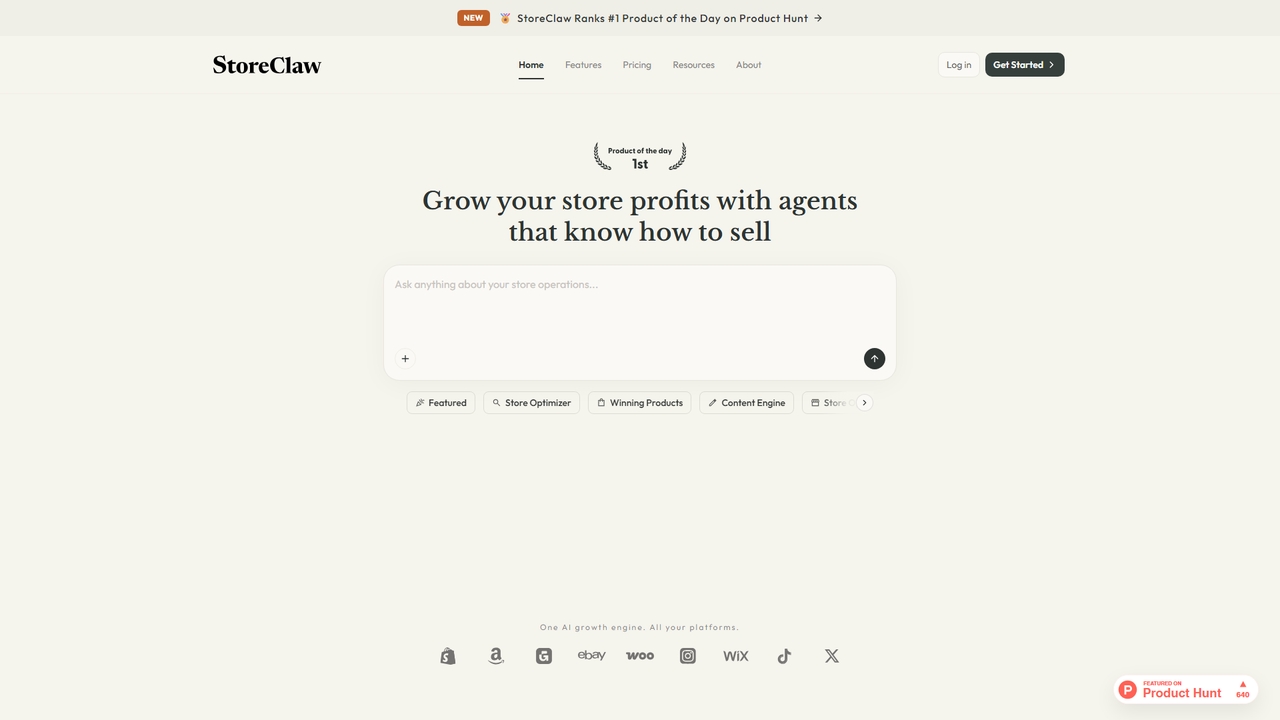
StoreClaw is an autonomous AI growth engine designed for ecommerce. It integrates store diagnostics, SEO/GEO optimization, marketing content …
StoreClaw is an autonomous AI growth engine designed for ecommerce. It integrates store diagnostics, SEO/GEO optimization, marketing content creation, and omnichannel management into a single platform, helping merchants run and grow their stores 24/7.
ConvertMate
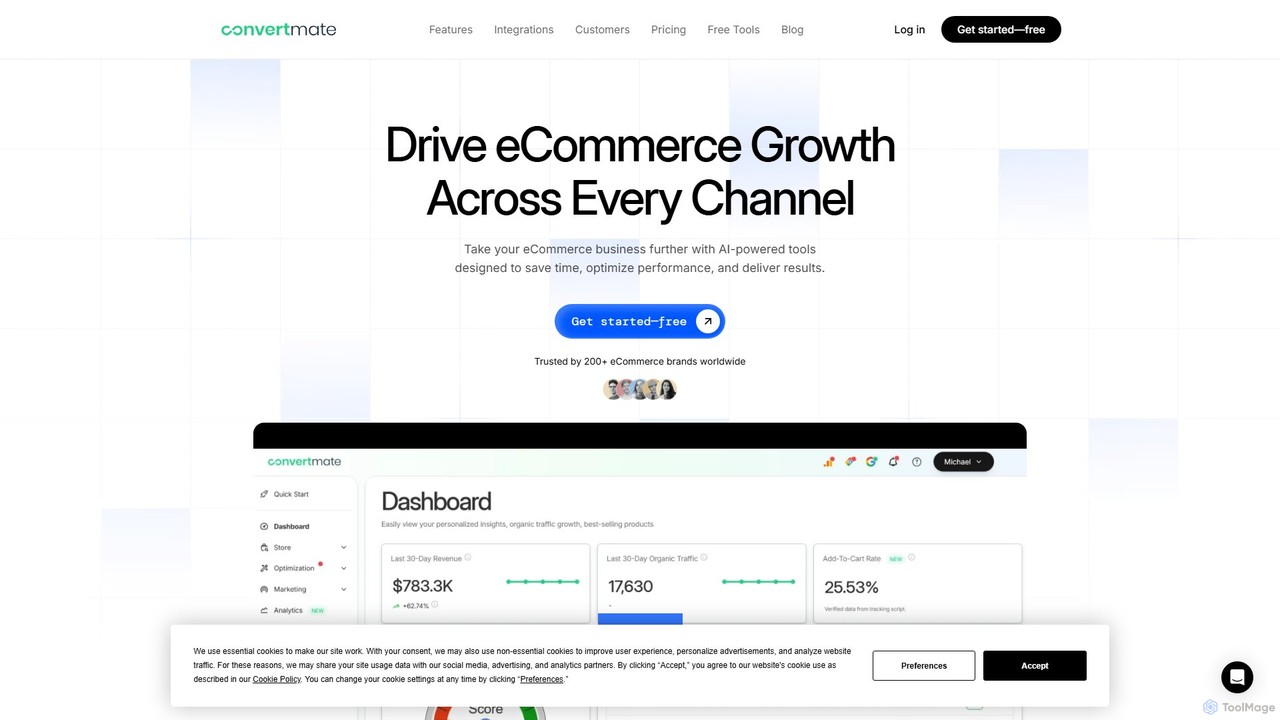
ConvertMate is an AI-powered omnichannel marketing platform for eCommerce. It automates and integrates product feed management, search engine …
ConvertMate is an AI-powered omnichannel marketing platform for eCommerce. It automates and integrates product feed management, search engine optimization (SEO), and conversion rate optimization (CRO) into a single system. Designed for online stores, it helps increase organic traffic, boost sales, and scale operations without expanding your team.
Lazycom
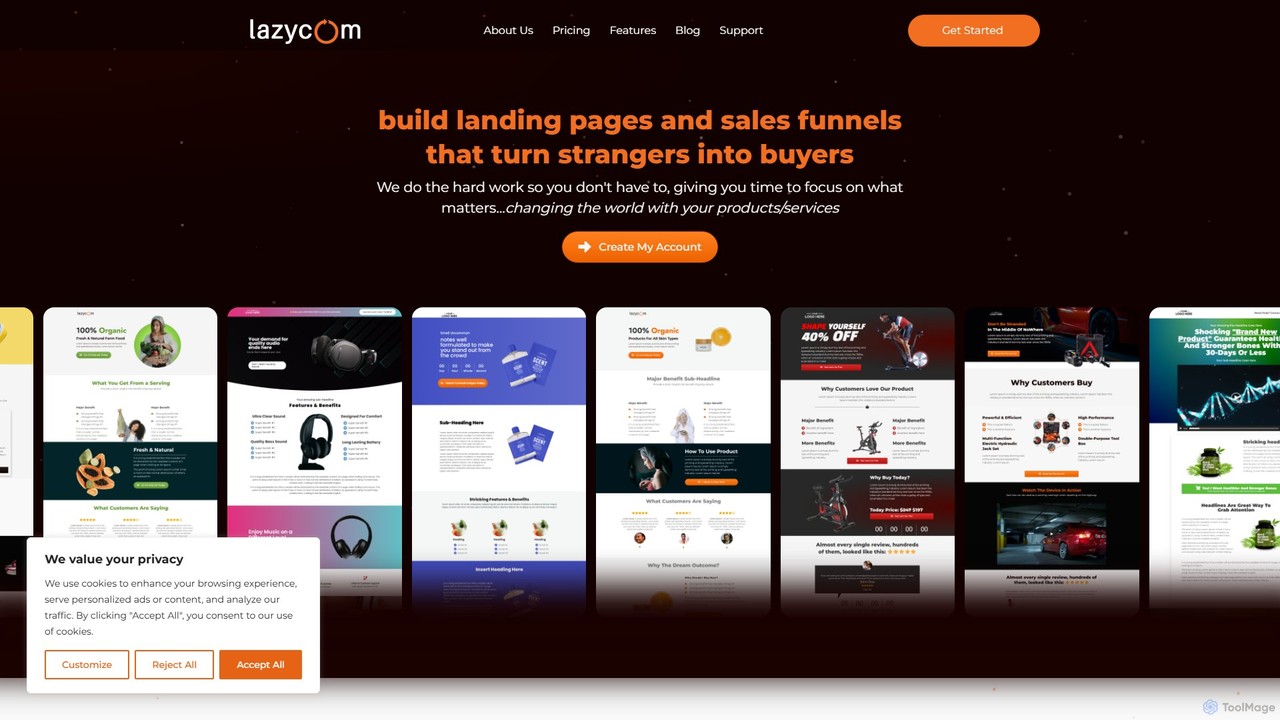
Lazycom is an AI-powered, all-in-one marketing automation platform designed for eCommerce businesses. It simplifies the creation of high-converting …
Lazycom is an AI-powered, all-in-one marketing automation platform designed for eCommerce businesses. It simplifies the creation of high-converting landing pages and sales funnels with a user-friendly drag-and-drop editor and conversion-optimized templates. The platform integrates email/SMS automation, CRM, and AI-driven content generation and SEO, empowering non-tech-savvy entrepreneurs to boost sales and streamline their marketing efforts without needing multiple complex tools.
Polar Analytics
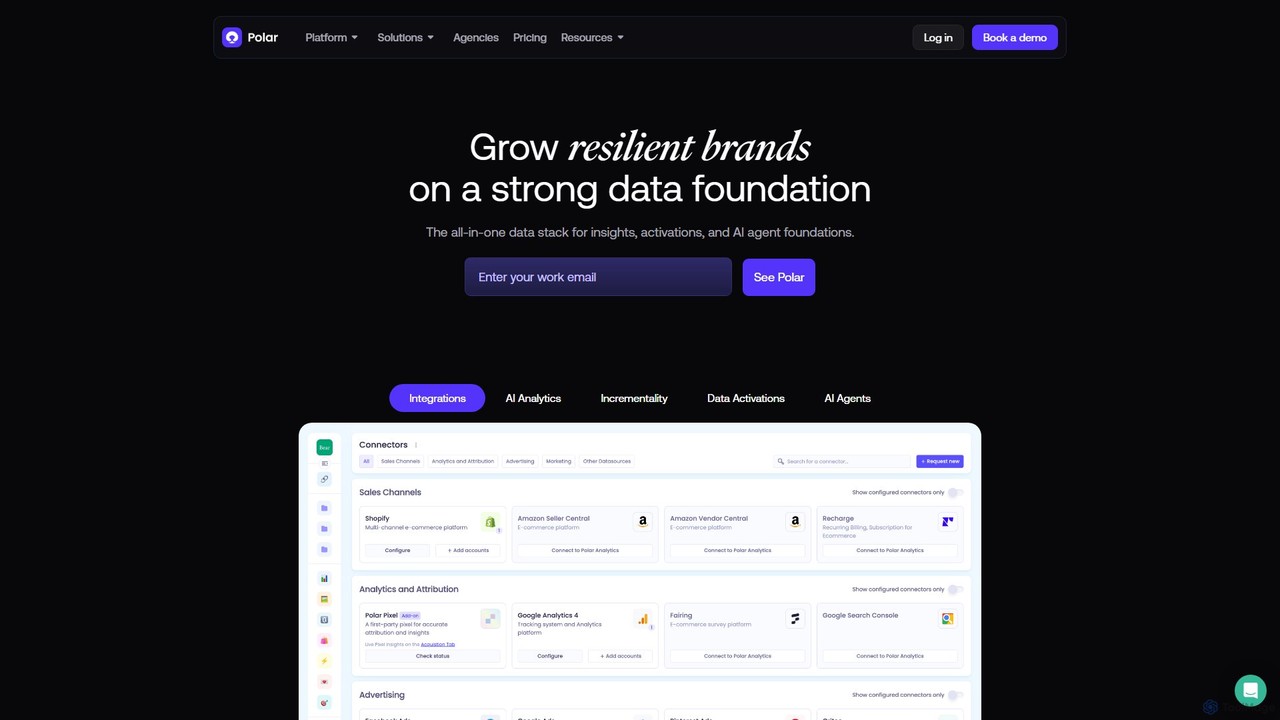
Polar Analytics is an all-in-one AI-powered data platform for e-commerce brands, primarily on Shopify. It centralizes data from …
Polar Analytics is an all-in-one AI-powered data platform for e-commerce brands, primarily on Shopify. It centralizes data from all sources into a single dashboard, providing actionable insights on key metrics like LTV and CAC. It enhances marketing with server-side tracking, data activation for email and ads, and AI agents to automate campaigns, helping brands grow faster and more profitably.
About Marketing Automation
Marketing Automation tools are AI-powered platforms designed to streamline, automate, and measure marketing tasks and workflows. These systems use AI to analyze customer data, segment audiences, and deliver personalized messages across channels like email, social media, and SMS. For ecommerce businesses, this enables efficient lead nurturing, enhanced customer engagement, and data-driven sales growth. The core advantage lies in executing complex, personalized campaigns at scale with minimal manual intervention.
Core Features
- AI-Powered Customer Segmentation: Automatically groups users based on behavior, purchase history, and predictive analytics.
- Automated Workflows: Creates trigger-based campaigns for events like cart abandonment, welcome series, or post-purchase follow-ups.
- Lead Nurturing & Scoring: Systematically guides potential customers through the sales funnel and scores their readiness to buy.
- Multi-Channel Messaging: Orchestrates communications across email, SMS, push notifications, and social media from a single platform.
- Personalized Content Delivery: Dynamically adapts website content, product recommendations, and email messaging for each user.
Use Cases
Marketing Automation is crucial for ecommerce, SaaS, and B2B companies. Marketing managers use it to automate repetitive tasks, while ecommerce operators leverage it to recover abandoned carts and increase customer lifetime value. Digital strategists also use these tools to build and analyze complex, multi-touch customer journeys.
How to Choose
When selecting a Marketing Automation tool, prioritize its integration capabilities with your existing ecommerce platform (e.g., Shopify, WooCommerce) and CRM. Evaluate the depth of its AI features, such as predictive segmentation and personalization. Also consider its scalability to support business growth, the range of supported communication channels, and the intuitiveness of its workflow builder.

Marketing AutomationUse Cases
Automate Abandoned Cart Recovery Emails
An ecommerce manager sets up a workflow to address cart abandonment. When a customer adds items to their cart but leaves without purchasing, the system automatically triggers a sequence of personalized emails or SMS messages after a set period. AI can optimize the timing of these messages or include a dynamic discount code to entice the customer to complete their purchase, effectively recovering lost revenue without manual effort.
Nurture B2B Leads with Personalized Content
A marketing specialist for a SaaS company creates a lead nurturing sequence. When a user downloads a whitepaper, they are automatically entered into a workflow that delivers a series of targeted emails. The content is personalized based on the user's role or industry, providing relevant case studies, webinar invitations, and eventually a demo offer. This systematic approach guides leads through the funnel and increases conversion rates for the sales team.
Create Dynamic Segments for Targeted Campaigns
A digital marketer for an online fashion brand uses AI to automatically segment customers. The system identifies groups like 'high-value repeat buyers,' 'lapsed customers,' or 'users interested in a specific category.' The marketer can then launch highly targeted promotional campaigns for each segment, such as offering exclusive early access to new arrivals for VIPs, which increases relevance, engagement, and return on investment.
Automate Customer Onboarding and Welcome Series
For a subscription box service, the marketing team designs an automated welcome series. Once a new customer signs up, they receive a sequence of emails over the first week. These emails introduce the brand story, explain how to get the most out of their subscription, showcase community features, and ask for feedback. This automated process builds a strong initial relationship, improves customer satisfaction, and reduces early churn.
Manage Coordinated Cross-Channel Campaigns
A campaign manager orchestrates a new product launch. Using a marketing automation platform, they coordinate a campaign across email, SMS, and social media ads. The tool ensures consistent messaging and timing. For instance, a user who clicks an email link might then be shown a retargeting ad on social media, and receive an SMS notification when the product is officially available, creating a cohesive and effective customer journey.
Deliver AI-Powered Product Recommendations
An online electronics store uses its marketing automation tool to enhance its weekly newsletter. Instead of sending a generic list of products, the system's AI analyzes each recipient's browsing history and past purchases. It then dynamically populates the email with personalized product recommendations. This level of personalization significantly increases click-through rates and drives more sales directly from email marketing efforts.