Ecommerce Best in category 4 results Price Comparison AI Tool

Popular AI tools in the Price Comparison field of Ecommerce include Zyft、shopencore、Compara.cat、Pricein, etc., helping you quickly improve efficiency.

Free
Zyft

Zyft

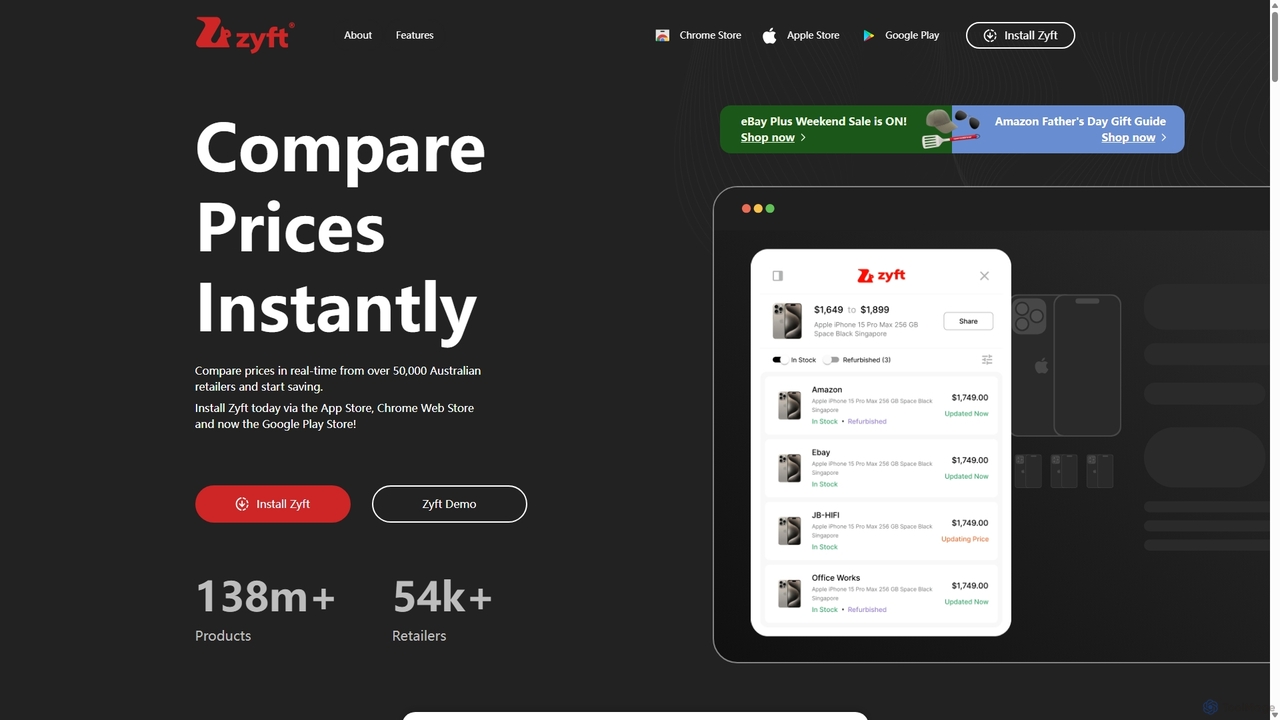
Zyft is a free, AI-powered shopping assistant for the Australian market that instantly compares prices from over 50,000 …

40.2K
Free
Compara.cat

Compara.cat

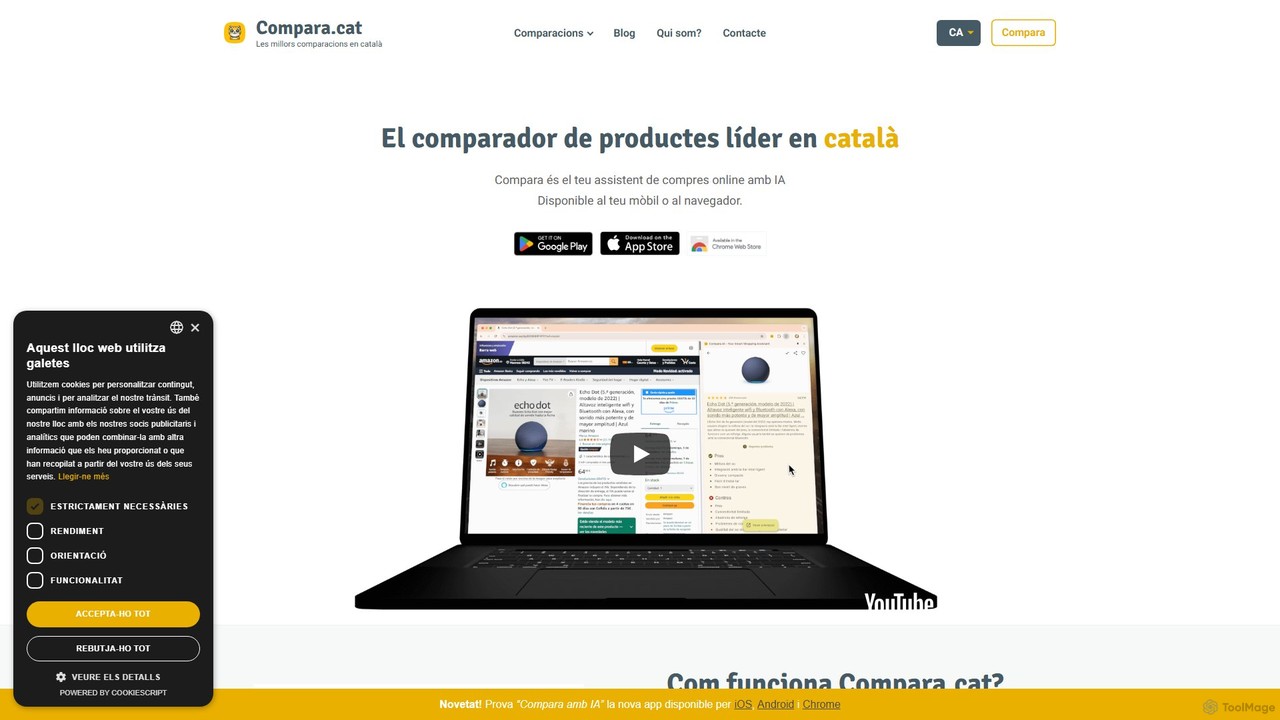
Compara.cat is an AI-powered shopping assistant designed for Catalan speakers. It analyzes thousands of real user reviews from …

6.9K
Free
Pricein

Pricein

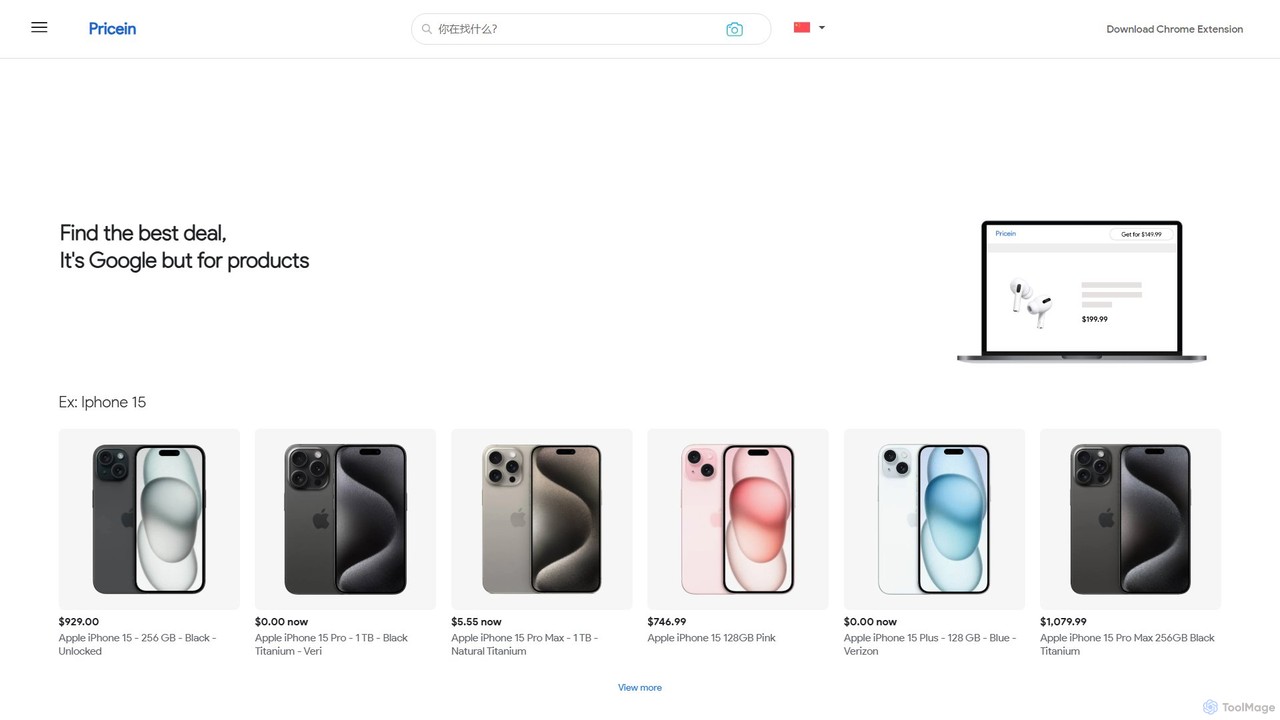
Pricein is a free AI-powered browser extension that functions as a product search engine. It compares prices from …

3.0K
Free
shopencore

shopencore

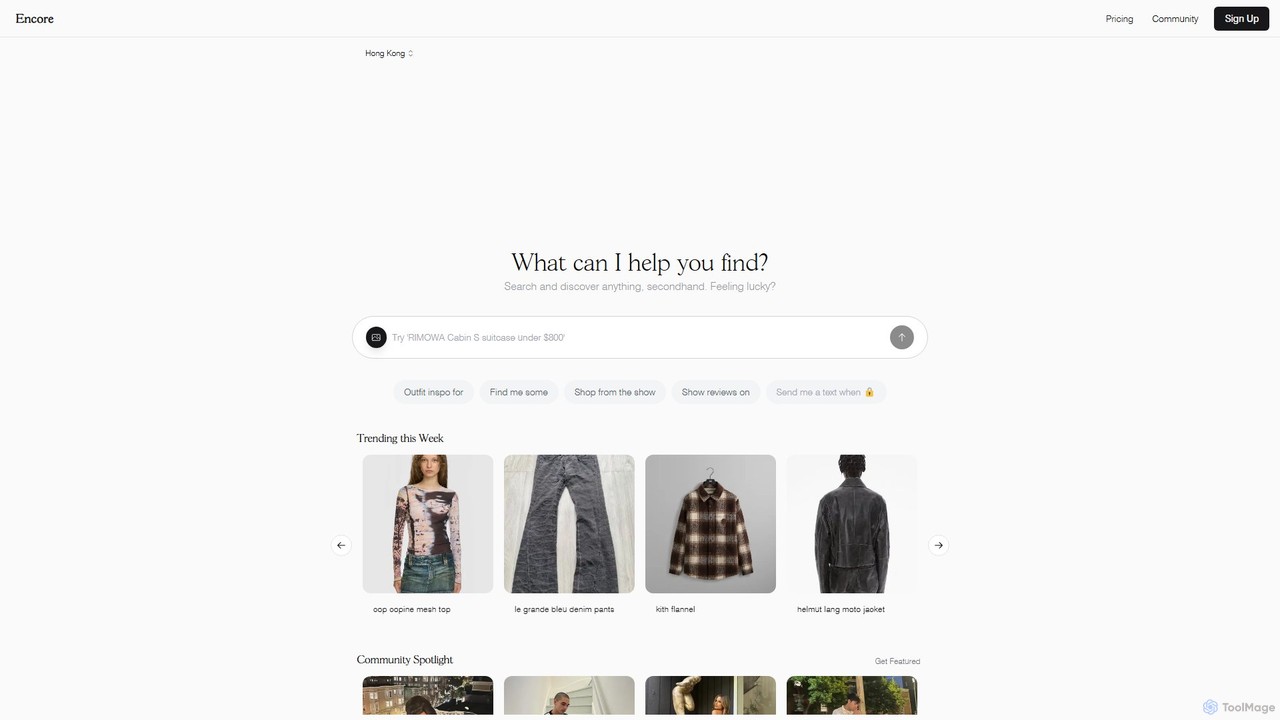
An AI-powered search engine for the secondhand market. Use natural language or image uploads to discover and compare …

8.7K

About Price Comparison

AI Price Comparison tools are applications that use artificial intelligence to automatically track, compare, and analyze product prices across numerous online retailers. These tools leverage web scraping and machine learning to identify identical products and monitor price fluctuations in real-time. They provide businesses with crucial competitive intelligence for dynamic pricing strategies and help consumers find the best available deals. As a key component of the Ecommerce ecosystem, they empower data-driven decision-making for pricing and market positioning.

Core Features

  • Automated Price Tracking: Continuously monitors competitor websites and marketplaces to collect real-time pricing data.
  • Product Matching: Uses AI algorithms to accurately identify and match the same products across different sellers, even with varied titles or SKUs.
  • Dynamic Pricing Suggestions: Recommends optimal price points based on market trends, competitor pricing, demand, and predefined business rules.
  • Historical Data Analysis: Provides insights into price trends over time, helping to identify seasonal patterns and competitor strategies.
  • Real-time Alerts: Sends instant notifications about significant price changes, stock availability, or violations of pricing policies (like MAP).

Applicable Scenarios

These tools are primarily used by e-commerce managers, retail analysts, brand manufacturers, and marketing teams. For instance, an online store can automate price adjustments to maintain a competitive edge, while a brand can monitor if retailers are adhering to its Minimum Advertised Price (MAP) policy. Procurement departments also use them to secure the best prices for bulk purchases.

Selection Criteria

When choosing an AI Price Comparison tool, consider its data accuracy and update frequency, as stale data is ineffective. Evaluate its scalability to handle your product catalog size and the number of competitors you need to track. Check for essential integrations with e-commerce platforms (like Shopify, Magento) or API access. Finally, assess the level of customization available for setting pricing rules and alert conditions.

Price ComparisonUse Cases

1

Automating Dynamic Pricing for E-commerce Stores

An e-commerce manager for an online electronics store uses an AI price comparison tool to maintain a competitive edge. The tool is configured to monitor the prices of their top 50 products across three main competitors in real-time. Based on predefined rules, such as 'always be 2% cheaper than the lowest competitor but never sell below a 15% margin,' the system automatically adjusts product prices on their Shopify store via an API integration. This eliminates hours of manual price checks daily and increases sales by ensuring their offers are consistently attractive.

2

Brand MAP Policy Monitoring and Enforcement

A brand manager for a high-end kitchen appliance company needs to protect brand value by enforcing its Minimum Advertised Price (MAP) policy. They use an AI price comparison tool to scan hundreds of online retailers daily. The tool's AI identifies their products and flags any retailer advertising them below the MAP. It automatically takes screenshots as evidence and sends alerts to the brand manager, who can then contact the non-compliant retailer. This automated process ensures consistent pricing across the market and protects relationships with compliant retail partners.

3

Market Research for Product Launch Strategy

A market analyst preparing for a new product launch uses a price comparison tool for competitive intelligence. They track the pricing of similar products from key competitors over a three-month period. The tool's historical data analysis reveals competitors' promotional cycles, common discount percentages, and price points for different product tiers. This information allows the analyst to create a data-backed pricing strategy for the new product, positioning it competitively from day one and forecasting potential revenue more accurately.

4

Optimizing Procurement for Corporate Purchasing

A procurement manager at a mid-sized company is responsible for purchasing office equipment and supplies. They use an AI price comparison tool that specializes in B2B vendors. Before making a bulk purchase of 100 office chairs, they input the model number into the tool. The system scans dozens of approved suppliers, comparing not only the unit price but also bulk discounts, shipping costs, and estimated delivery times. This allows the manager to quickly identify the vendor offering the best overall value, saving the company thousands of dollars and streamlining the purchasing process.

5

Personal Deal Hunting for High-Value Purchases

A consumer planning to buy a new high-end laptop uses a price comparison tool to ensure they get the best deal. Instead of manually checking multiple retail websites every day, they set up an alert for the specific laptop model. They define a target price and request notifications for any price drop of 5% or more from major retailers like Amazon, Best Buy, and Newegg. A week later, the tool sends a push notification to their phone about a flash sale on Newegg, allowing them to purchase the laptop for $200 less than its usual price, saving both time and money.

6

Analyzing Competitor Pricing in the Travel Industry

A revenue manager for a hotel chain uses a specialized AI price comparison tool to monitor room rates of competing hotels in key locations. The tool tracks prices for different room types across various booking platforms like Booking.com and Expedia. It provides a dashboard showing real-time price comparisons and historical trends. By analyzing this data, the manager can identify periods of high demand or competitor promotions, allowing them to adjust their own room rates dynamically to maximize occupancy and revenue without being overpriced or underpriced.

Price ComparisonFrequently Asked Questions