Plot Snippets
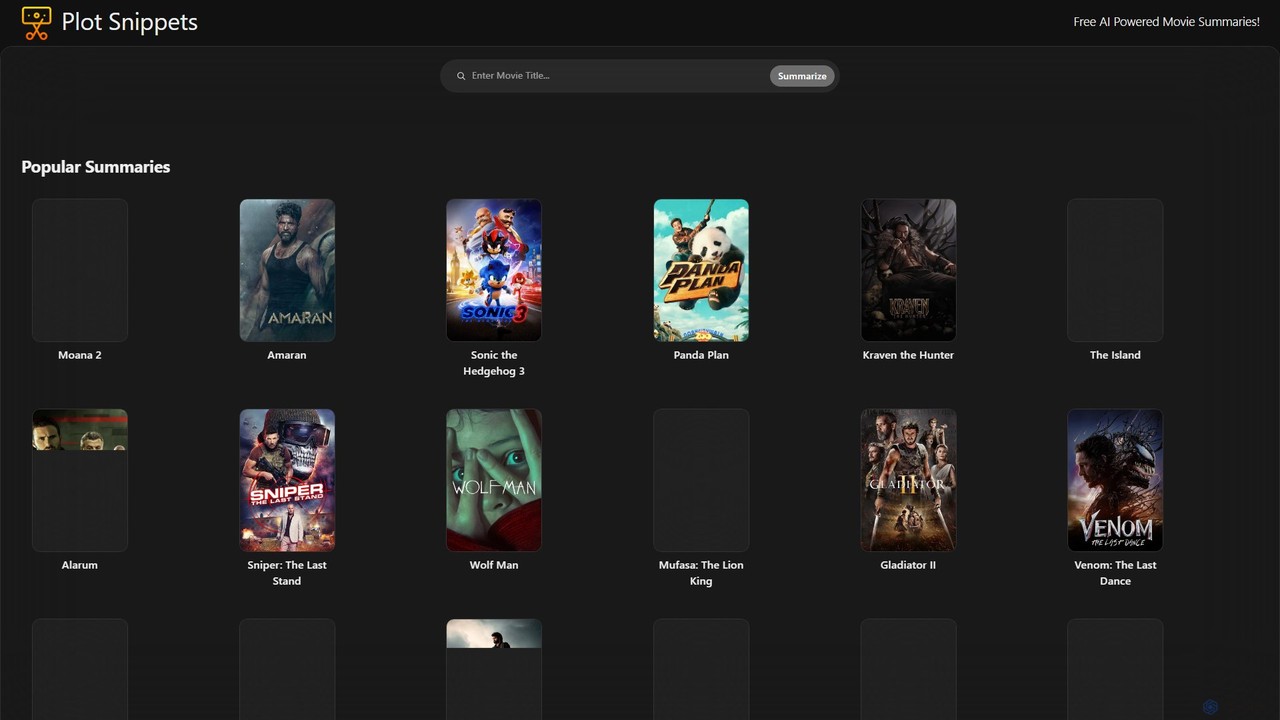
Plot Snippets is a free AI-powered tool that generates concise summaries for a vast library of movies. It …
Plot Snippets is a free AI-powered tool that generates concise summaries for a vast library of movies. It helps users quickly understand a film's plot, provides 'Why Watch' analysis for different audiences, and offers recommendations for similar movies, making it easier to decide what to watch next.
Sourcer AI
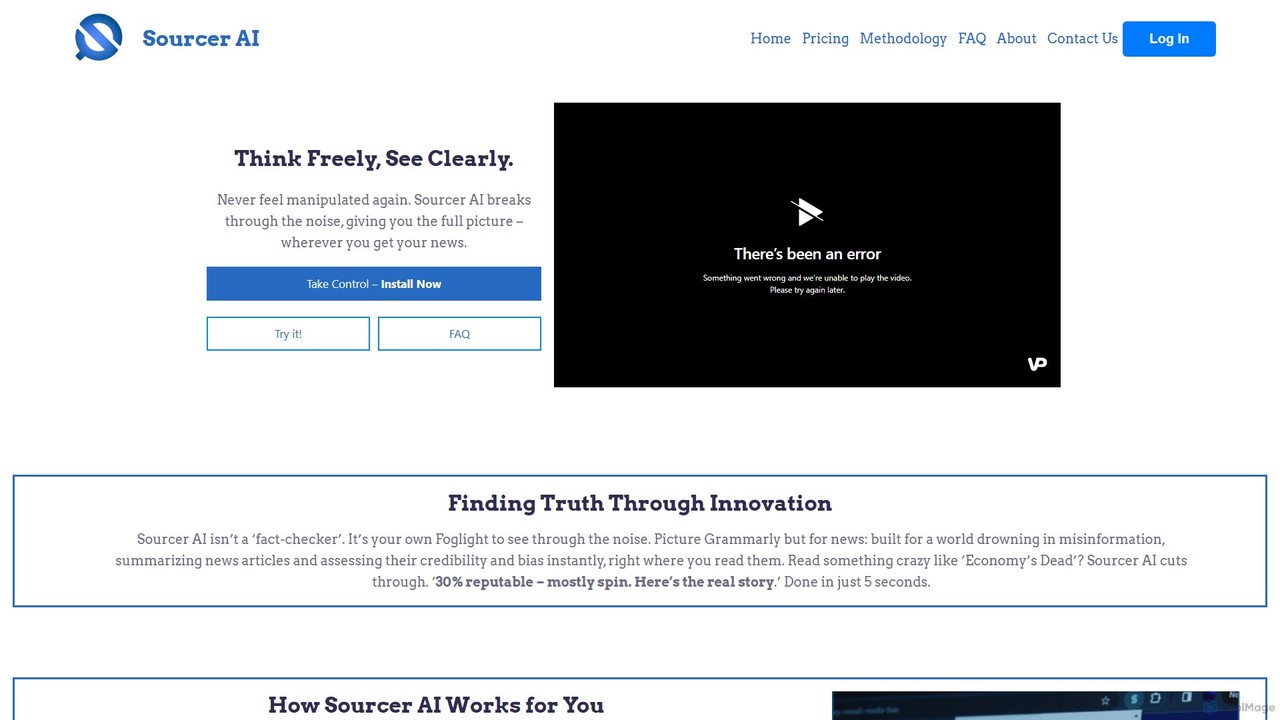
Sourcer AI is a browser extension that provides instant analysis of news articles. It assesses credibility, detects political …
Sourcer AI is a browser extension that provides instant analysis of news articles. It assesses credibility, detects political bias, and generates summaries to help you see through misinformation and understand the full picture, right where you read.
TheirTube
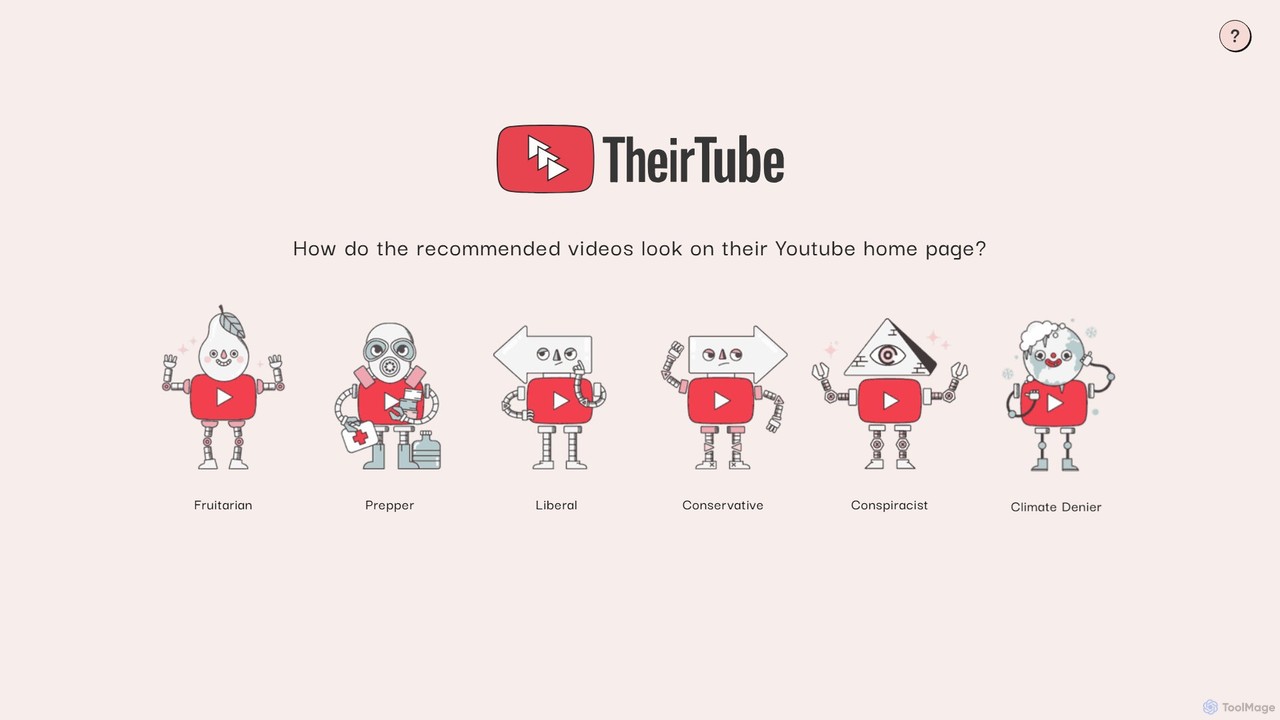
TheirTube is an educational tool that simulates YouTube's homepage to reveal how algorithmic filter bubbles work. By selecting …
TheirTube is an educational tool that simulates YouTube's homepage to reveal how algorithmic filter bubbles work. By selecting different user personas like 'Conservative' or 'Climate Denier,' you can see the specific video recommendations they would receive, offering a powerful insight into online echo chambers and media polarization.
realorai
realorai is an engaging online game that tests your ability to distinguish between real photos and AI-generated images. …
realorai is an engaging online game that tests your ability to distinguish between real photos and AI-generated images. Sharpen your visual literacy skills by analyzing a series of pictures and guessing their origin. It's a fun, educational, and timely tool for anyone looking to understand the nuances of synthetic media in today's digital world.
About Media Literacy
Media Literacy tools are a specialized category of educational AI that equip users to critically analyze, evaluate, and verify digital content. These tools leverage machine learning algorithms to detect misinformation, identify biases, and assess the credibility of online sources. Their primary value lies in empowering individuals to navigate the complex digital information landscape, fostering informed citizenship and resilience against manipulation. They are essential for students, educators, journalists, and the general public in the age of AI-generated content.
Core Features
- Misinformation Detection: Identifies fake news, propaganda, and manipulated content, including deepfakes, by analyzing patterns and inconsistencies.
- Source Credibility Analysis: Evaluates the reliability of websites, authors, and publications based on historical accuracy, bias, and domain authority.
- Bias and Sentiment Analysis: Detects political, ideological, or commercial bias in text and media to reveal underlying perspectives.
- Content Provenance Verification: Traces the origin and modification history of digital assets like images and videos to confirm their authenticity.
- Interactive Learning Modules: Provides simulations and guided exercises to help users practice and improve their critical evaluation skills.
Use Cases
These tools are widely used in educational settings, from high schools to universities, to teach critical thinking and digital citizenship. Journalists and fact-checkers integrate them into their workflows to rapidly verify sources and user-generated content. Additionally, corporations use them for brand reputation management by monitoring for misinformation campaigns.
How to Choose
When selecting a Media Literacy tool, consider the types of media it supports (text, image, video). Evaluate the transparency of its detection methods and the breadth of its source-checking database. For practical use, look for tools with browser extensions for real-time analysis. Finally, assess its user interface to ensure it presents complex information in an understandable way.
Media LiteracyUse Cases
Fact-Checking News Articles in the Classroom
An educator teaching digital citizenship presents a class with several online news articles, some factual and some generated by AI to be misleading. Students use a media literacy tool to analyze each article. The tool highlights suspicious phrasing, cross-references claims with a database of verified facts, and provides a credibility score for the source domain. This hands-on exercise allows students to learn how to identify markers of misinformation and develop critical thinking skills in a controlled, educational environment.
Verifying Authenticity of User-Generated Video Content
A journalist receives a video clip of a purported public event from an anonymous source. Before publishing, they use a media literacy tool with deepfake detection capabilities. The tool analyzes the video frame by frame for subtle artifacts, inconsistent lighting, and unnatural facial movements that are hallmarks of digital manipulation. It also attempts to trace the video's digital provenance to see if it has been altered from a known original. The analysis provides a confidence score on the video's authenticity, helping the journalist make an informed decision and avoid spreading misinformation.
Assessing Bias in Sources for Academic Research
A university student is writing a research paper on a controversial topic and needs to use unbiased sources. They use a media literacy tool to analyze a list of potential articles and reports. The tool scans the text for loaded language, emotional appeals, and one-sided arguments. It generates a report for each source, visualizing its political or ideological leaning on a spectrum and highlighting specific phrases that indicate bias. This allows the student to select a balanced set of sources, strengthen their academic argument, and demonstrate a thorough, critical approach to their research.
Debunking Viral Health Misinformation on Social Media
A concerned individual sees a post on social media promoting a dangerous, unproven health remedy that is going viral. They use a browser extension powered by a media literacy AI. By clicking a button, the extension analyzes the claims in the post, checks them against information from reputable health organizations (like the WHO and CDC), and identifies the original source of the claim. It then displays a concise summary directly on the page, flagging the content as misinformation and providing links to accurate health guidance. This empowers the user to not only avoid the bad advice but also to inform others in their network.
Corporate Brand Reputation Monitoring
A public relations team for a large corporation uses a media literacy tool to monitor online mentions of their brand. The tool is configured to detect and flag potential misinformation campaigns or coordinated negative attacks. It analyzes sentiment, identifies networks of accounts spreading similar narratives, and traces the origin of misleading claims. When a potential threat is detected, the system sends an alert to the PR team, providing them with a detailed report. This allows the team to respond proactively and strategically to protect the brand's reputation before the misinformation spreads widely.
Empowering Citizens to Identify Election Interference
During an election cycle, a non-profit organization promotes a free media literacy tool to the public. Citizens can use this tool to check political ads, news articles, and social media posts for signs of foreign interference or domestic propaganda. The AI analyzes content for characteristics common in influence operations, such as the use of divisive language, amplification by bot networks, and links to known propaganda outlets. By making these analytical capabilities accessible, the organization helps create a more informed electorate, capable of recognizing and resisting attempts at manipulation.