
ToolMage
Sign in

Best 1 Game Guides AI tools for Entertainment

Popular Game Guides AI tools in Entertainment include onecricnews, helping you work more efficiently.

onecricnews
Free

onecricnews

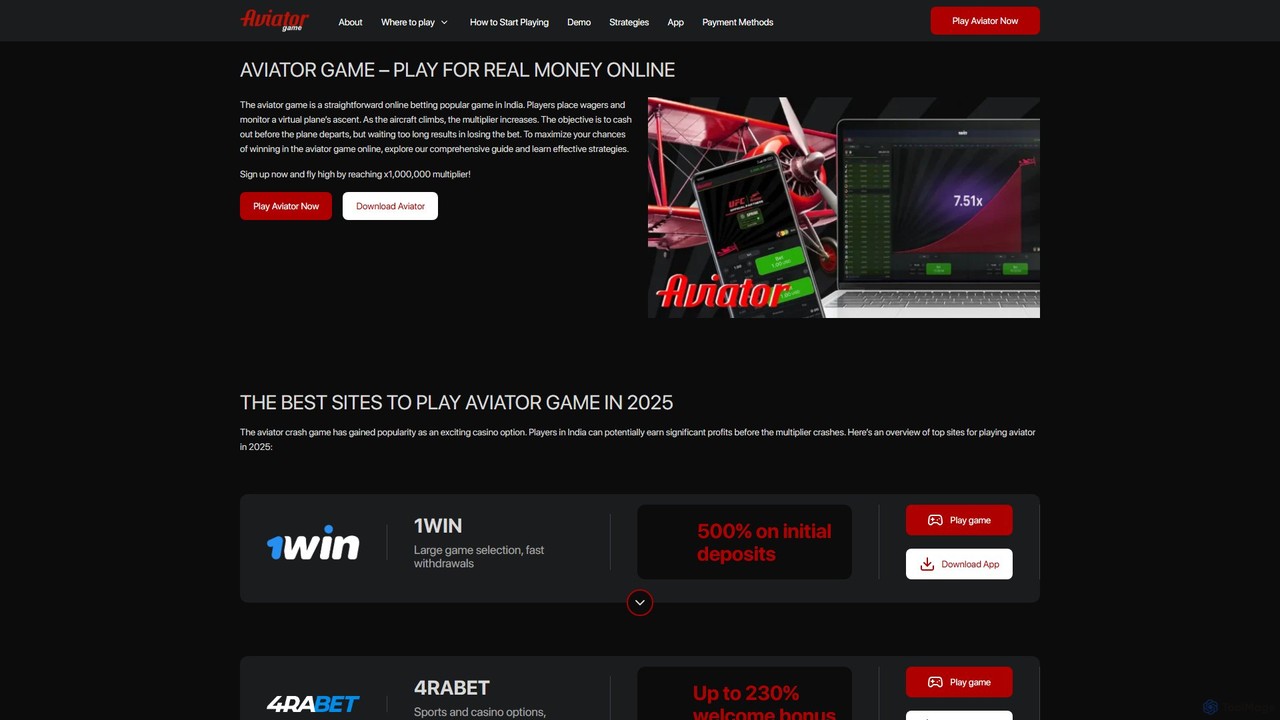
onecricnews is a comprehensive informational platform and guide dedicated to the popular online crash game, Aviator. It offers in-depth reviews of gaming platforms, detailed explanations of game mechanics, and effective betting strategies to help both new and experienced players maximize their understanding and potential success.

Game Guides
Visits 5.4KFavorites 125Likes 121

About Game Guides

AI Game Guides are intelligent tools that provide dynamic, personalized, and real-time assistance to gamers. Unlike static wikis or video walkthroughs, these tools use AI to analyze gameplay, understand context, and offer tailored advice. They help players overcome challenges, optimize strategies, and explore game worlds more efficiently. This technology transforms the traditional guide into an interactive companion that adapts to an individual's playstyle.

Core Features

  • Real-time Strategy Suggestions: Provides on-screen overlays or companion app advice for tactical decisions, boss fights, and competitive matches.
  • Build & Loadout Optimization: Analyzes character stats, skills, and available gear to recommend the most effective configurations for specific goals.
  • Intelligent Quest Tracking: Offers optimized pathing, contextual reminders, and solutions for complex multi-stage quests.
  • Gameplay Analysis: Reviews recorded gameplay to identify areas for improvement in mechanics, positioning, and decision-making.
  • Natural Language Q&A: Allows players to ask specific questions about game lore, mechanics, or item locations and receive instant answers.

Use Cases

AI Game Guides are invaluable for players of complex genres like RPGs, strategy games, and competitive shooters. RPG players use them to perfect character builds, while strategy gamers get real-time advice on unit composition and build orders. They are also used by completionists in open-world games to efficiently find all collectibles and hidden secrets.

How to Choose

When selecting an AI Game Guide, consider the specific games it supports, as compatibility is crucial. Evaluate the depth of its features—does it offer simple quest tracking or in-depth performance analysis? Also, consider the user interface: is it an unobtrusive overlay or a separate application? Finally, check community reviews for accuracy and reliability of the AI's suggestions.

Game Guides use cases

1

Optimizing Character Builds in RPGs

An RPG player wants to maximize their character's damage output for end-game raids. Instead of spending hours on theorycrafting forums, they use an AI Game Guide. The tool analyzes their current equipment, skill tree, and character stats. It then runs simulations against various boss profiles and recommends specific gear changes, skill point reallocations, and rotation adjustments. The player receives a clear, data-driven path to improving their performance, saving significant time and effort while achieving a competitive edge.

2

Mastering Complex Strategy Games

A new player in a real-time strategy (RTS) game like StarCraft or a MOBA like League of Legends is often overwhelmed by the steep learning curve. An AI Game Guide acts as a real-time coach. It analyzes the opponent's actions and suggests optimal build orders, unit counters, and macro-economic decisions through an on-screen overlay. For example, it might detect an early enemy aggression and advise building defensive structures immediately. This guidance helps new players learn core concepts faster and become competitive much more quickly than through trial and error alone.

3

Finding All Collectibles in Open-World Games

A completionist player aims to find every hidden item in a massive open-world game like 'The Legend of Zelda: Tears of the Kingdom'. Instead of constantly switching between the game and a web browser with a map, they use an AI guide. The tool provides an in-game overlay that shows the most efficient route to collect all nearby items. It can dynamically update the path based on the player's current location and already collected items, saving dozens of hours of backtracking and manual cross-referencing, making the 100% completion goal much more enjoyable and less of a chore.

4

Improving Performance in Competitive Shooters

A competitive FPS player wants to improve their rank in a game like 'Valorant' or 'Counter-Strike'. After each match, they upload their gameplay to an AI analysis tool. The AI reviews the footage, tracking metrics like aim accuracy, reaction time, crosshair placement, and utility usage. It then generates a personalized report highlighting key mistakes, such as poor positioning during a crucial round or consistently failing to check common angles. The tool provides specific drills and practice routines to address these weaknesses, offering a structured path to improvement that is more effective than simply playing more matches.

5

Navigating Difficult Puzzle Sections

A player is stuck on a complex environmental puzzle in a game like 'Portal' or 'Tomb Raider'. Frustrated after many failed attempts, they turn to an AI Game Guide. Instead of giving away the full solution immediately, the AI offers tiered hints. The first hint might be a vague clue about the objective. If the player is still stuck, the next hint could highlight a key interactive object. As a last resort, the AI can provide a full step-by-step visual guide. This progressive assistance system allows the player to maintain a sense of accomplishment by solving the puzzle with minimal help, avoiding the spoilers of a full video walkthrough.

6

Learning Game Lore and Mechanics On-the-Fly

While playing a lore-rich RPG like 'Elden Ring', a player encounters a character or term they don't recognize. Instead of pausing the game to search a wiki, they use the AI guide's natural language query feature. They can ask, "Who are the Numens?" or "How does the poise mechanic work?" The AI provides a concise, context-aware answer directly in a companion app or overlay. This seamless integration allows players to deepen their understanding and immersion in the game's world without breaking the flow of gameplay, making the experience richer and more engaging.

Game Guides FAQ

What are AI Game Guides?

AI Game Guides are advanced software tools that provide real-time, personalized assistance to video game players. Unlike traditional static guides (like wikis or text walkthroughs), they use artificial intelligence to analyze your specific gameplay situation and offer dynamic advice. Key features often include real-time strategy suggestions, character build optimization, intelligent quest tracking, and post-game performance analysis. Their main purpose is to help players learn faster, overcome difficult challenges, and enhance their overall gaming experience by providing contextual, data-driven insights.

How do AI Game Guides differ from traditional wikis or video walkthroughs?

The key difference is dynamism and personalization. Traditional guides are static and one-size-fits-all, requiring you to search for information manually. AI Game Guides are interactive and adaptive.

  • Context-Awareness: An AI guide can understand your current in-game situation (e.g., your health, location, inventory) and provide advice relevant to that specific moment.
  • Personalization: They can tailor recommendations to your playstyle, character build, and past performance.
  • Real-time Feedback: Many AI guides operate as an overlay or companion app, offering suggestions live as you play, whereas wikis and videos require you to pause and switch context.
  • Data-Driven Analysis: They can analyze complex data, like combat logs or match replays, to offer insights that are difficult for a human to spot.

In short, wikis provide a library of information, while AI guides act as a personal coach.

How to choose the right AI Game Guide?

Choosing the right AI Game Guide depends on your specific needs. Consider the following factors:

  • Game Support: First and foremost, check if the tool supports the games you play. Many guides are specialized for a single game or genre.
  • Feature Set: Determine what you need most. Are you looking for real-time coaching, post-game analysis, build optimization, or simple quest tracking? Match the tool's features to your goals.
  • User Interface: Consider how the tool presents information. Do you prefer an in-game overlay, a second-screen companion app, or a web-based dashboard for analysis?
  • Community & Reviews: Look for user reviews and community feedback. A strong community often indicates a reliable and well-maintained tool with accurate, helpful advice.
  • Pricing Model: Evaluate the cost. Some tools may be free with ads, while others require a subscription. Determine if the features offered justify the price for your level of engagement.
Can using an AI Game Guide get me banned?

This is a critical question and the answer depends on the game's Terms of Service (ToS) and the specific functionality of the AI guide. Generally, tools that only provide information, analysis, or advice (like build optimizers or post-game analyzers) are safe and considered fair play. However, any tool that automates gameplay, interacts directly with the game's memory, or provides real-time information that wouldn't be available to a human player (e.g., revealing enemy positions) could be classified as cheating. Always check the game developer's policy on third-party tools and prioritize guides that operate externally or as overlays without injecting code into the game.

What are the main features of AI Game Guides?

While features vary between tools, most high-quality AI Game Guides offer a combination of the following:

  • Performance Analytics: In-depth analysis of your gameplay, tracking metrics like accuracy, actions per minute (APM), and decision-making patterns to identify strengths and weaknesses.
  • Build Optimization: Data-driven recommendations for character skills, gear, and loadouts in RPGs and other character-based games to maximize effectiveness.
  • Real-time Overlays: On-screen assistance that provides live tips, enemy information, or optimal pathing without requiring you to leave the game.
  • Interactive Maps & Trackers: Dynamic maps that update with your progress, helping you find collectibles, complete quests, and navigate complex areas efficiently.
  • Natural Language Q&A: The ability to ask the AI questions about the game in plain language and get instant, accurate answers.