ToolMage
Sign in

Best 2 Recommendation Engine AI tools for Entertainment

Popular Recommendation Engine AI tools in Entertainment include play_this and Movie & Book Recommender, helping you work more efficiently.

Movie & Book Recommender
Free

Movie & Book Recommender

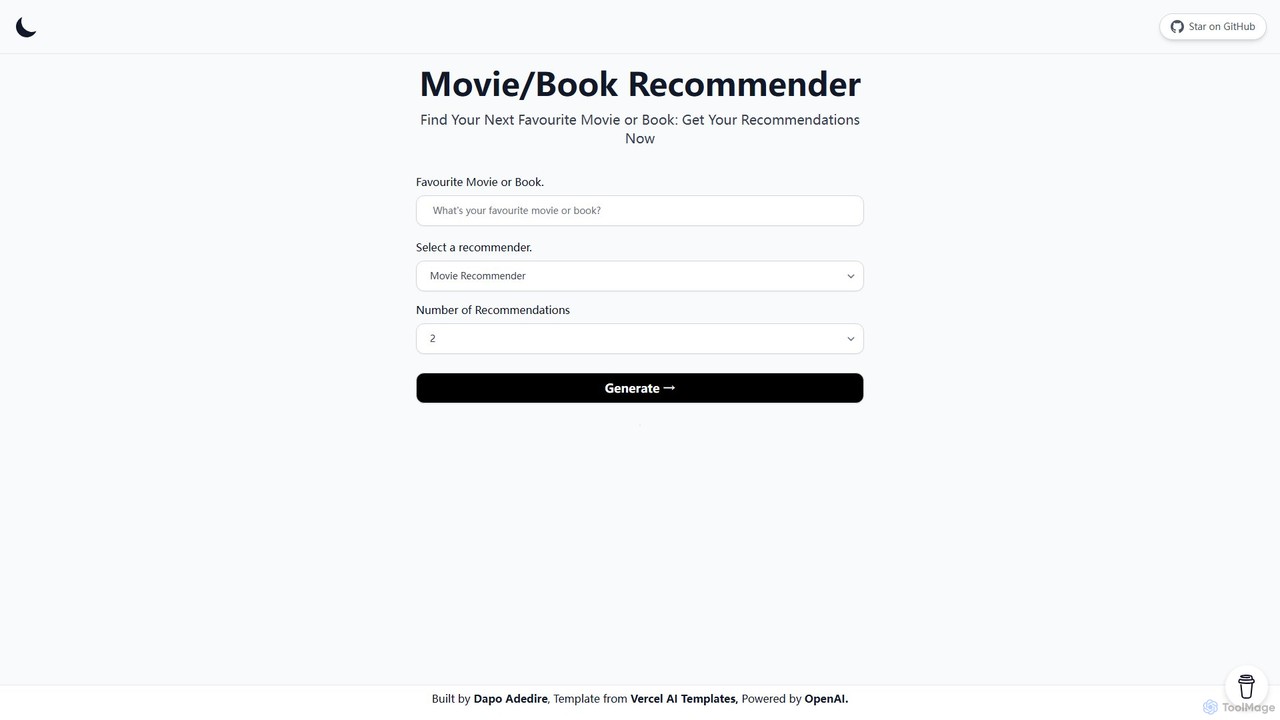
An AI-powered tool that provides personalized movie and book recommendations. Simply enter your favorite movie or book, and the system generates a curated list of similar titles to help you discover your next favorite. Ideal for film buffs and avid readers looking for new entertainment.

Recommendation Engine
Visits 4.7KFavorites 134Likes 129
play_this
Freemium

play_this

PlayThis is an AI-powered platform for gamers to manage their game backlog and discover new titles. By integrating with Steam, it analyzes your library to provide personalized recommendations. Unique metrics like 'Quality Per Hour' and estimated completion times help you decide what to play next, ensuring you spend your gaming time on titles you'll truly enjoy.

Recommendation Engine
Visits 96.8KFavorites 146Likes 131

About Recommendation Engine

A Recommendation Engine is an AI-powered system that predicts user preferences to suggest relevant items like products, content, or services. These tools analyze vast amounts of data, including user behavior, item attributes, and interactions, using algorithms like collaborative and content-based filtering. Their primary value lies in creating personalized user experiences, which helps increase engagement, boost conversion rates, and improve customer retention. Unlike static 'most popular' lists, AI recommendation engines deliver dynamic, one-to-one personalization at scale.

Core Features

  • Personalized Suggestions: Delivers recommendations tailored to an individual user's historical data, preferences, and real-time behavior.
  • Collaborative Filtering: Recommends items by identifying patterns from users with similar tastes and behaviors.
  • Content-Based Filtering: Suggests items that share attributes with things a user has previously shown interest in.
  • Real-time Processing: Adapts recommendations instantly based on a user's current actions and session context.
  • Performance Analytics: Offers dashboards to monitor key metrics such as click-through rates, conversion lift, and recommendation effectiveness.

Use Cases

Recommendation Engines are essential for businesses with large catalogs. They are widely used by e-commerce platforms to suggest products, streaming services like Netflix and Spotify to recommend movies and music, and online news portals to personalize article feeds for readers.

How to Choose

When selecting a Recommendation Engine, consider its algorithm capabilities—does it support collaborative, content-based, or hybrid models? Evaluate its data integration capacity with your existing systems (e.g., CRM, product catalog). Assess its scalability to handle your user and item volume. Finally, check for customization options that allow you to implement specific business rules, such as boosting certain products or filtering categories.

Recommendation Engine use cases

1

Enhancing E-commerce Product Discovery

An e-commerce manager for an online fashion retailer aims to increase the average order value. By implementing a recommendation engine on product pages and at checkout, the system analyzes a user's browsing history, past purchases, and items in their cart. It then automatically displays relevant sections like 'You Might Also Like' and 'Frequently Bought Together'. This proactive suggestion of complementary items leads to a measurable increase in cross-sells and improves the overall shopping experience by helping customers discover products they might not have found otherwise.

2

Personalizing Streaming Content Feeds

A product manager at a video streaming service needs to reduce user churn by keeping them engaged. A recommendation engine is used to create personalized content carousels like 'Top Picks for You' and 'Because You Watched...'. The engine analyzes viewing history, user ratings, and genre preferences to populate these feeds. This helps users quickly find content they are likely to enjoy, significantly increasing average session duration and making the service feel indispensable, which directly contributes to higher retention rates.

3

Automating News Article Suggestions

A digital editor for an online news portal wants to increase page views per session. By integrating a recommendation engine, the platform can automatically suggest related articles at the end of each piece a user reads. The engine analyzes the topic, keywords, and category of the current article, as well as the user's broader reading history, to provide a highly relevant list of 'Recommended Reading'. This encourages users to continue browsing, significantly boosting engagement metrics and increasing the likelihood of them discovering premium, subscription-only content.

4

Improving Music Discovery on an App

A user experience designer for a music streaming app wants to combat listener fatigue and improve artist discovery. The app's recommendation engine uses collaborative filtering to create personalized playlists like 'Discover Weekly'. It analyzes a user's listening habits (skips, repeats, saves) and compares them to users with similar tastes to predict new songs they will enjoy. This feature becomes a key driver of user retention, as it consistently provides fresh and relevant music, making users feel understood and encouraging daily engagement with the platform.

5

Optimizing B2B Software Recommendations

A marketing manager at a SaaS marketplace needs to help business customers find the right tools from a catalog of thousands. A recommendation engine analyzes firmographic data (company size, industry) and technographic data (currently used software). It then suggests complementary tools or more suitable alternatives. For example, it might recommend a specific CRM that integrates well with the user's existing marketing automation platform. This provides highly relevant suggestions, improving lead quality for vendors and increasing the platform's conversion rate from visitor to qualified lead.

6

Personalizing Online Learning Course Paths

A curriculum developer for an e-learning platform wants to guide students through a vast course catalog. The platform's recommendation engine suggests next courses based on a student's completed modules, stated career goals, and the learning paths of other successful students with similar profiles. It can create personalized learning journeys, suggesting a sequence of courses to achieve a specific skill or certification. This proactive guidance increases course completion rates and boosts student satisfaction by making the educational path clear and relevant.

Recommendation Engine FAQ

What is a Recommendation Engine?

A Recommendation Engine is an AI-powered software system that filters information to predict and suggest items a user is likely to be interested in. It analyzes data such as a user's past behavior (clicks, purchases, ratings), item attributes, and the behavior of similar users. The primary goal is to enhance user experience by helping them discover relevant content or products from a large catalog, thereby increasing engagement and sales. They are commonly used by services like Amazon, Netflix, and Spotify.

How do I choose the right Recommendation Engine?

To choose the right engine, consider these key factors:

  • Algorithm Type: Determine if you need collaborative filtering (based on similar users), content-based filtering (based on item similarity), or a hybrid model that combines both for better accuracy.
  • Data Integration: Ensure the tool can easily connect with your existing data sources, such as your user database, product catalog, and event tracking systems.
  • Scalability: Verify that the engine can handle your current and projected volume of users, items, and interactions without performance issues.
  • Customization and Control: Check if you can apply custom business rules, such as promoting certain items, filtering out specific categories, or adjusting recommendation logic.
What's the difference between a Recommendation Engine and a search function?

A search function is reactive, providing results based on a user's explicit keyword query. It helps users find what they already know they are looking for. In contrast, a Recommendation Engine is proactive. It suggests items based on implicit signals (like browsing history) and explicit data (like ratings) to help users discover new things they might like but aren't actively searching for. Essentially, search fulfills a known need, while recommendation drives discovery of unknown or unstated needs.

What are the main types of recommendation algorithms?

The three most common types of recommendation algorithms are:

  • Collaborative Filtering: This method makes predictions based on the behavior of other, similar users. It assumes that if two users liked similar items in the past, they will likely enjoy similar items in the future.
  • Content-Based Filtering: This approach recommends items based on their attributes. It suggests items that are similar to those a user has previously liked, focusing on properties like genre, brand, or keywords.
  • Hybrid Models: These models combine collaborative and content-based methods to leverage the strengths of both. They often provide more accurate and robust recommendations by overcoming the limitations of a single approach.
Who should use a Recommendation Engine?

Any business with a large catalog of products, content, or services can benefit from a Recommendation Engine. This includes:

  • E-commerce platforms to increase sales and average order value.
  • Media and streaming services (like Netflix, YouTube) to boost user engagement and retention.
  • News and content publishers to personalize article feeds and increase readership.
  • Online learning platforms to suggest relevant courses and create personalized learning paths.

Essentially, if your goal is to help users navigate a large amount of choice and discover relevant items efficiently, a recommendation engine is a valuable tool.