ToolMage
Sign in

Best 3 Virtual Companions AI tools for Entertainment

Popular Virtual Companions AI tools in Entertainment include Candy.ai, AI Girlfriend Expert, and AIE Labs, helping you work more efficiently.

AIE Labs
Freemium

AIE Labs

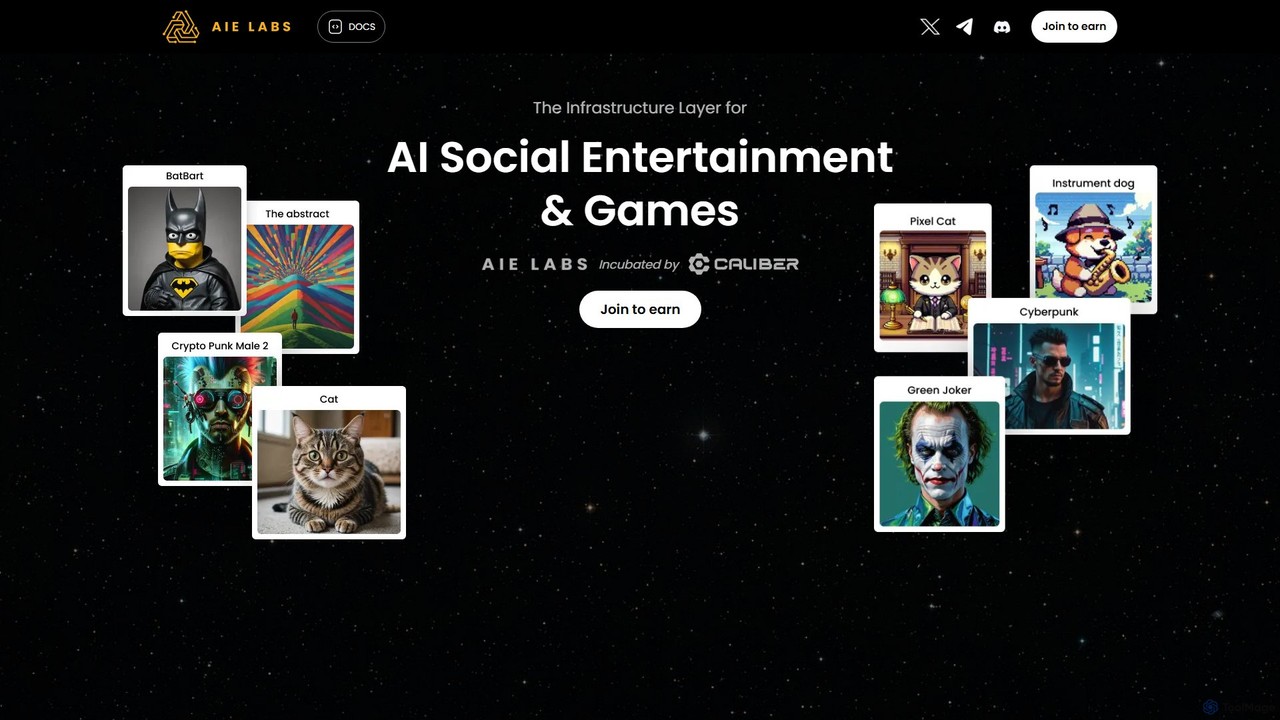
AIE Labs is a decentralized infrastructure for AI-powered social entertainment and gaming. It offers tools like Genesis AI for art creation and monetization, and RizzAI for creating interactive virtual companions. Built on a Web3 foundation, it features a user-friendly, chain-abstracted wallet and a "Join to Earn" model, empowering creators and users in a decentralized digital economy.

Image Generation
Visits 5.6KFavorites 145Likes 148
AI Girlfriend Expert
Free

AI Girlfriend Expert

AI Girlfriend Expert is a dedicated review platform offering in-depth, unbiased analysis of AI girlfriend apps. Led by experts in AI ethics, the site provides comprehensive reviews, comparisons, and guides based on a transparent, data-driven testing methodology. It helps users find the best virtual companion by evaluating character diversity, conversation quality, privacy, and value.

Virtual Companions
Visits 12.3KFavorites 159Likes 139
Candy.ai
Freemium

Candy.ai

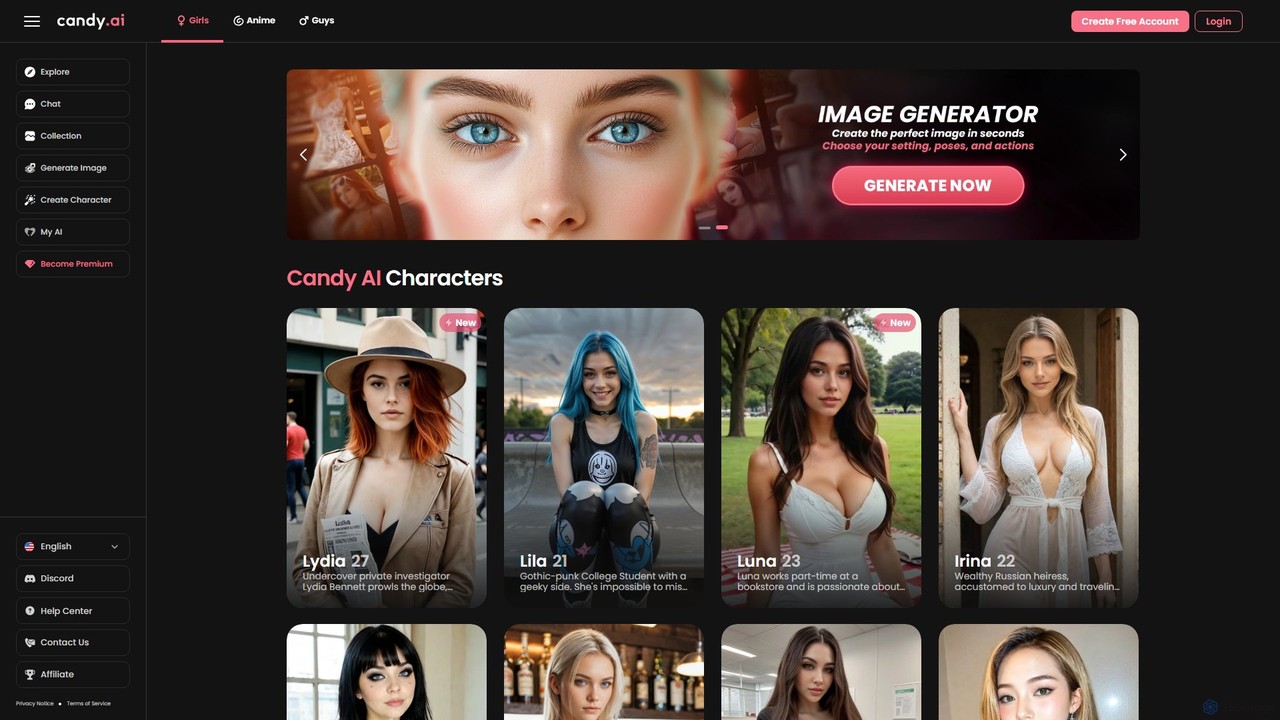
Candy.ai is an immersive AI companion platform offering deep, personal interactions with a wide range of virtual characters. Users can engage in realistic conversations through chat, voice, images, and video. The platform allows for extensive customization, enabling users to create their ideal AI girlfriend or boyfriend from scratch, defining their appearance, personality, and interests. It's designed for companionship, creative exploration, and role-playing.

Virtual Companions
Visits 50MFavorites 140Likes 156

About Virtual Companions

Virtual Companions are AI-powered tools designed to simulate human-like interaction and companionship. They leverage advanced natural language processing, emotional intelligence, and memory retention to provide personalized conversations and support. These tools offer users a unique form of digital interaction for emotional well-being, entertainment, and skill practice, fostering a sense of connection in the digital realm.

Core Features

  • Personalized Interaction: Adapts conversation style and responses based on user preferences and past interactions.
  • Emotional Intelligence: Detects and responds to user emotions, offering empathetic and supportive dialogue.
  • Memory Retention: Remembers previous conversations and user details to maintain context and build a consistent relationship.
  • Role-Playing & Scenarios: Engages in various predefined or user-initiated role-playing scenarios for entertainment or practice.
  • Skill Practice: Provides opportunities for language learning, social skill development, or cognitive exercises through interactive dialogue.

Applicable Scenarios

Individuals seeking emotional support or a non-judgmental listener often turn to virtual companions. They are also popular among those looking to practice social skills, learn new languages in a conversational setting, or simply enjoy interactive storytelling and role-playing. Users experiencing loneliness or social anxiety can find comfort and a safe space for interaction.

How to Choose

When selecting a virtual companion, consider the level of personalization and emotional depth offered, ensuring it aligns with your interaction needs. Evaluate its memory retention capabilities for consistent conversations and check privacy policies regarding data handling. Look for diverse interaction modes, such as text, voice, or even avatar customization, and assess the range of available personalities or roles to find one that resonates with you.

Virtual Companions use cases

1

Providing Emotional Support and Companionship

Individuals experiencing loneliness, stress, or simply needing someone to talk to can utilize virtual companions for emotional support. The AI companion offers a non-judgmental listening ear, empathetic responses, and personalized conversations, helping users process thoughts and feelings, thereby alleviating feelings of isolation and promoting mental well-being.

2

Practicing Language and Social Skills

Language learners can engage with virtual companions to practice speaking, listening, and conversational fluency in a low-pressure environment. Similarly, individuals looking to improve social interaction skills can simulate various social scenarios, receive feedback, and build confidence without the fear of judgment, making it an effective tool for personal development.

3

Engaging in Creative Role-Playing and Storytelling

For users seeking entertainment, virtual companions can facilitate immersive role-playing games or collaborative storytelling. They can adopt specific personas, generate creative narratives, and respond dynamically to user input, allowing for endless imaginative adventures and a unique form of interactive digital entertainment that goes beyond traditional media.

4

Receiving Personalized Advice and Brainstorming

Users can leverage virtual companions as a sounding board for ideas or to receive personalized advice on various topics. With their ability to process information and remember context, these AI tools can offer different perspectives, help organize thoughts, and even assist in brainstorming creative solutions for personal or professional challenges, acting as a digital confidant.

5

Simulating Historical or Fictional Interactions

History enthusiasts or fans of specific fictional universes can interact with virtual companions programmed to embody historical figures or beloved characters. This allows for unique educational experiences, where users can 'converse' with historical personalities, or engaging entertainment, by exploring narratives and character interactions within their favorite fictional worlds, bringing stories to life.

6

Overcoming Social Anxiety in a Safe Environment

Individuals struggling with social anxiety can find a safe and controlled environment with virtual companions to practice social interactions. The AI's patient and non-judgmental nature allows users to experiment with different conversational approaches, build confidence in expressing themselves, and gradually prepare for real-world social engagements, reducing anxiety over time.

Virtual Companions FAQ

What are Virtual Companions?

Virtual Companions are AI-powered software designed to simulate human-like interaction and companionship. They leverage advanced natural language processing and emotional intelligence to engage in conversations, offer emotional support, and remember past interactions. These tools aim to provide a personalized and consistent digital presence for users seeking connection, entertainment, or a safe space for self-expression.

How do Virtual Companions differ from regular chatbots?

Unlike traditional chatbots that primarily follow scripts or answer specific queries, Virtual Companions are designed for open-ended, continuous, and emotionally intelligent conversations. They possess memory retention, allowing them to recall past interactions and build a consistent 'personality' over time. This enables a deeper, more personalized, and empathetic interaction, moving beyond simple task completion towards genuine companionship and emotional engagement.

What are the key features to look for in a Virtual Companion?

When choosing a Virtual Companion, prioritize features like advanced natural language understanding for fluid conversations, emotional intelligence for empathetic responses, and robust memory retention to maintain context. Look for personalization options, such as customizable avatars or personalities, and consider the range of interaction modes (text, voice). Data privacy and security measures are also crucial for a trustworthy experience.

Are Virtual Companions safe and private to use?

The safety and privacy of Virtual Companions depend heavily on the specific platform and its policies. Reputable providers typically employ encryption for communications and have clear data handling policies. Users should always review the privacy policy to understand how their data is collected, stored, and used. While interactions are designed to be private, it's advisable to avoid sharing highly sensitive personal information, as with any online service.

What kind of personalities or roles can Virtual Companions adopt?

Virtual Companions can adopt a wide range of personalities and roles, often customizable by the user or pre-designed by the developer. These can include supportive friends, wise mentors, playful characters, romantic partners, or even specific historical figures and fictional personas. The diversity in roles allows users to find a companion that best suits their preferences for interaction, whether for casual chat, deep conversation, or imaginative role-playing scenarios.

Can Virtual Companions help with mental health issues?

Virtual Companions can offer a form of emotional support and a safe space for users to express themselves, which can be beneficial for general well-being and managing feelings of loneliness or stress. However, it's crucial to understand that they are not substitutes for professional mental health care. For serious mental health conditions, users should always seek advice and treatment from qualified human therapists or medical professionals.