Family Best in category 1 results History AI Tool

Popular AI tools in the History field of Family include TheLegacy, etc., helping you quickly improve efficiency.

TheLegacy

TheLegacy

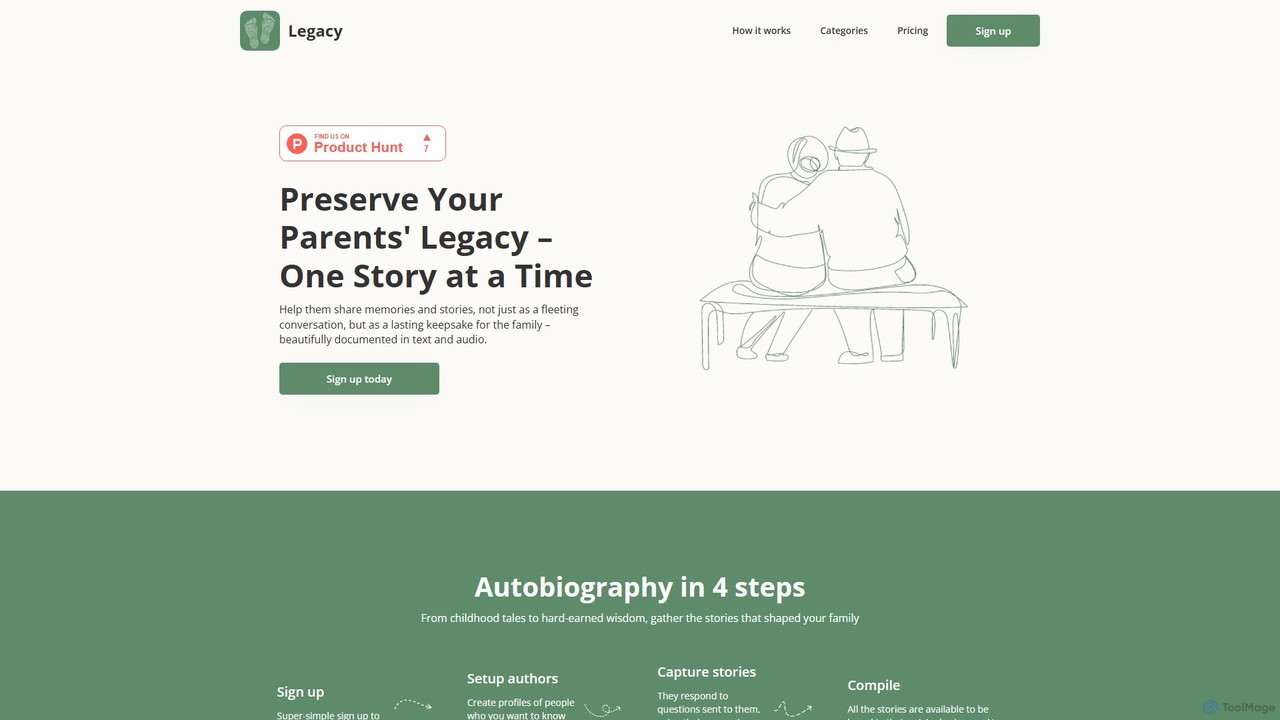
TheLegacy is an AI-powered platform designed to help you preserve your family's history. It allows you to capture …

3.2K

About History

History AI tools are specialized applications within the Family category that leverage artificial intelligence to help users explore, preserve, and document their family heritage. These tools utilize advanced algorithms for tasks like genealogical data analysis, image restoration, and narrative generation. They enable individuals to uncover ancestral stories, digitize precious memories, and create comprehensive family archives with unprecedented ease. By automating complex research and preservation tasks, these AI tools make family history accessible and engaging for everyone.

Core Features

  • Genealogical Data Analysis: Automatically processes historical records to identify connections and build family trees.
  • Photo & Document Restoration: Enhances old, faded, or damaged photographs and transcribes handwritten documents.
  • Narrative & Story Generation: Crafts compelling stories or biographies from collected family data and events.
  • Oral History Transcription: Converts spoken family anecdotes and interviews into searchable text.
  • Historical Contextualization: Integrates relevant historical events and timelines into personal family narratives.

Use Cases

Genealogists use these tools to accelerate research by analyzing vast datasets and suggesting new family connections. Individuals digitize and restore old family photos and letters, ensuring precious memories are preserved for future generations. Family historians compile comprehensive digital archives, transforming scattered records into coherent narratives.

How to Choose

When selecting History AI tools, consider data privacy and security, evaluating how tools handle sensitive personal and historical data. Assess the accuracy and reliability of AI-driven analysis, restoration, and transcription features. Check for integration capabilities with existing genealogical platforms or archival systems, and consider the ease of use for non-technical users.

HistoryUse Cases

1

Build a Comprehensive Family Tree

A family history enthusiast can use AI tools to automatically analyze historical records, census data, and digitized documents. By inputting known family members, the AI suggests potential connections and expands the family tree, identifying ancestors and relatives across generations. This significantly reduces the manual research time, allowing for the creation of a detailed and accurate genealogical record much faster than traditional methods.

2

Restore Faded Family Photos

Individuals with old, faded, or damaged family photographs can utilize AI-powered restoration tools. By uploading scanned images, the AI automatically corrects colors, sharpens details, removes scratches, and even reconstructs missing parts. This process breathes new life into precious visual memories, making them clearer and more vibrant, suitable for digital archiving or printing, ensuring their longevity for future generations.

3

Transcribe Old Handwritten Letters

Researchers or family members often encounter old handwritten letters or diaries that are difficult to read. AI transcription tools can process scanned images of these documents, converting the cursive or faded text into editable digital text. This not only makes the content accessible for analysis and sharing but also preserves the historical information in a searchable format, unlocking insights that might otherwise remain hidden.

4

Create a Digital Family Archive

Families can use AI tools to organize and categorize vast collections of digital and digitized family assets, including photos, videos, documents, and audio recordings. The AI can automatically tag content with dates, locations, and identified individuals using facial recognition and OCR, making it easy to search and retrieve specific memories. This creates a highly organized and accessible digital archive, safeguarding family history for generations.

5

Generate a Family History Narrative

After collecting various family data—from genealogical records to personal anecdotes and restored photos—AI tools can synthesize this information into a coherent and engaging narrative. Users can input key events, relationships, and descriptions, and the AI generates a written family history, complete with timelines and character profiles. This transforms raw data into a compelling story, perfect for sharing with family members or publishing as a personal memoir.

6

Discover Unknown Relatives or Ancestral Origins

Individuals seeking to expand their family tree beyond known records can leverage AI tools that integrate with vast genealogical databases. By analyzing DNA data (if provided) or cross-referencing existing family information with public records, the AI can identify distant relatives, suggest new branches for the family tree, or even pinpoint ancestral origins in specific geographic regions. This opens new avenues for discovery and connection.

HistoryFrequently Asked Questions