Subtlefood
Subtlefood is an AI-powered recipe generator designed to provide simple, fast, and clutter-free cooking solutions. It allows users …
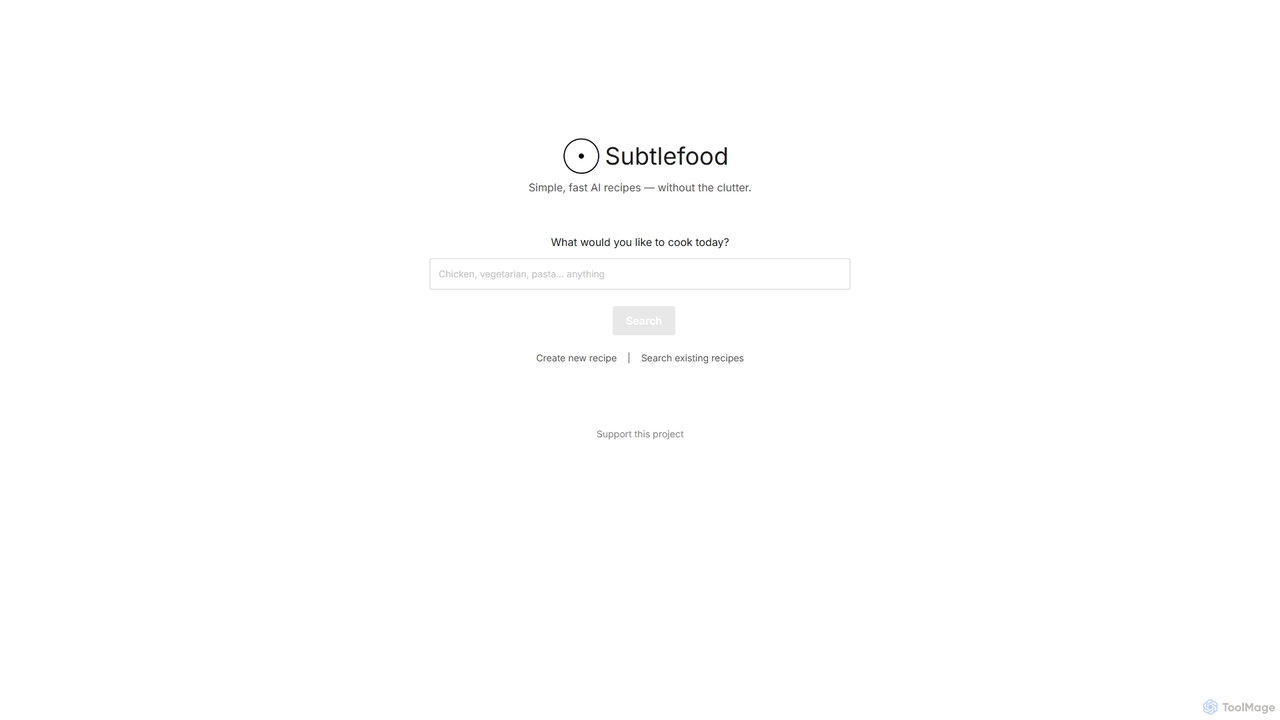
Subtlefood is an AI-powered recipe generator designed to provide simple, fast, and clutter-free cooking solutions. It allows users to effortlessly create new recipes or search through existing ones, making meal planning and culinary exploration straightforward and enjoyable.
WellnessLens
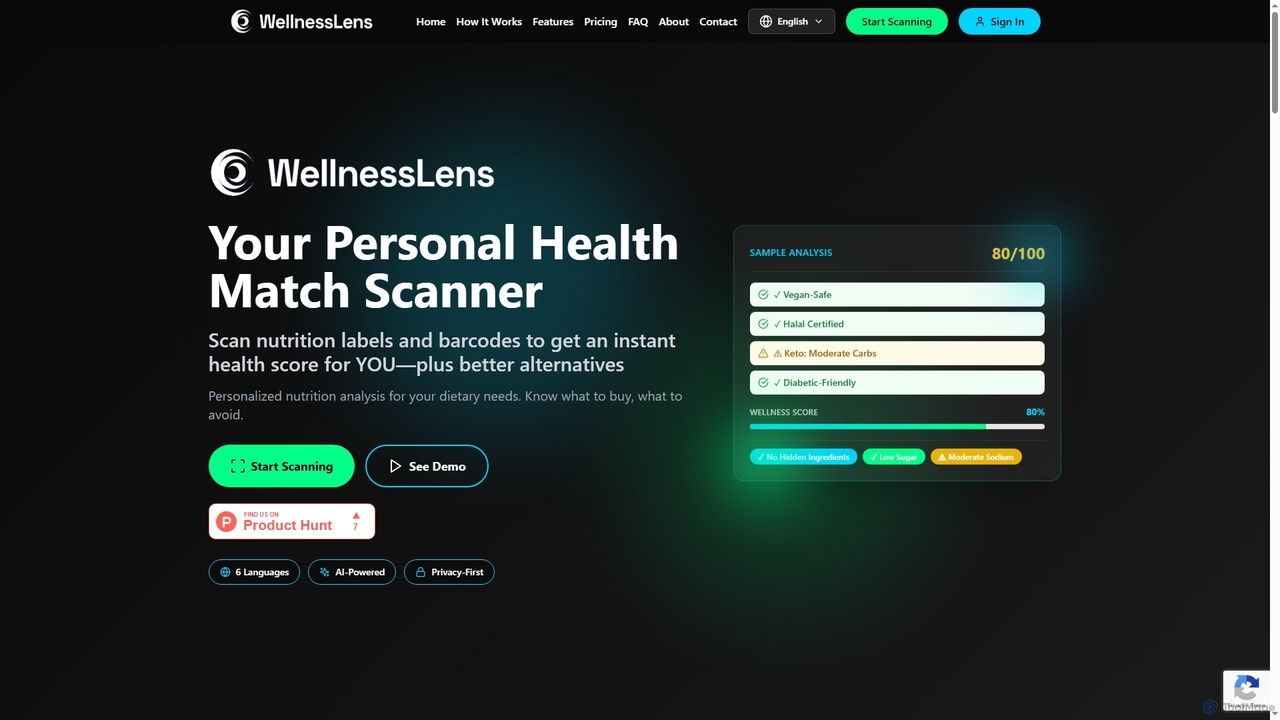
WellnessLens is an AI-powered food scanner that provides instant, personalized nutrition analysis for various dietary needs like Vegan, …
WellnessLens is an AI-powered food scanner that provides instant, personalized nutrition analysis for various dietary needs like Vegan, Keto, and Diabetic. It helps users understand food labels, detect allergens, and receive real-time food safety alerts, empowering healthier eating choices for individuals and families.
Yassir
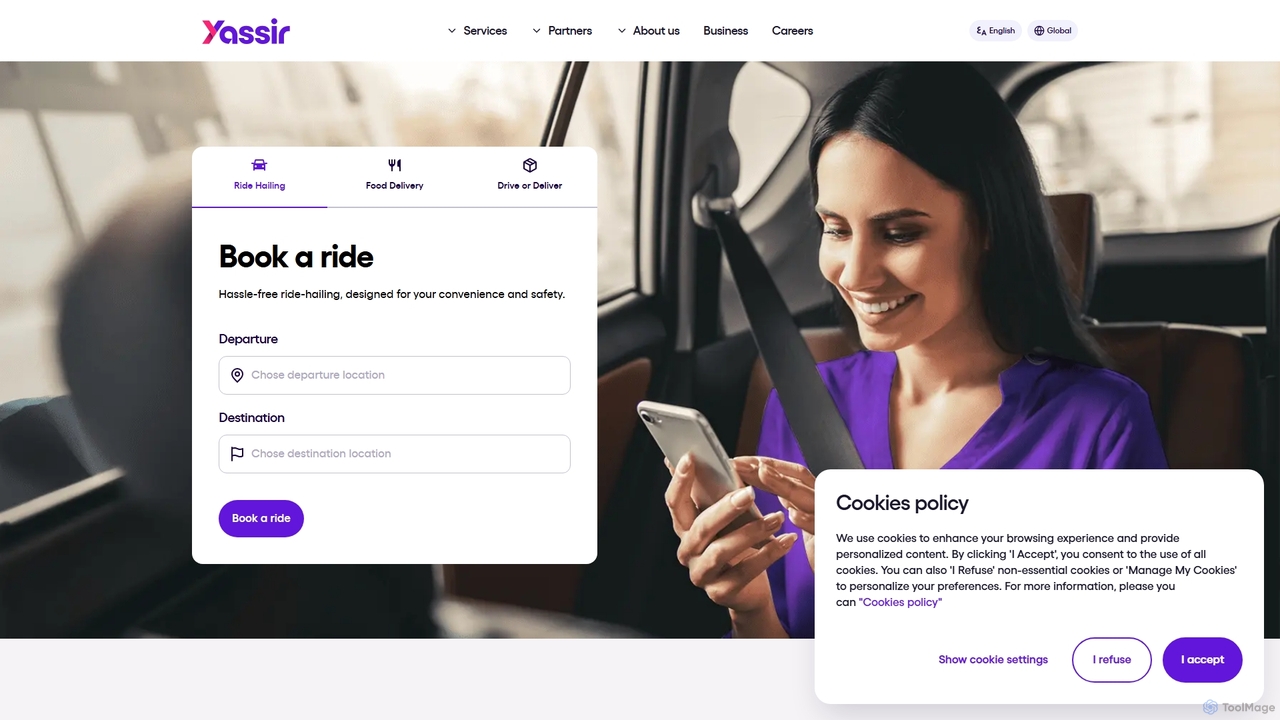
Yassir is an all-in-one super app providing on-demand services including ride-hailing, food and grocery delivery, and financial services. …
Yassir is an all-in-one super app providing on-demand services including ride-hailing, food and grocery delivery, and financial services. Leveraging AI for logistics optimization, dynamic pricing, and personalized recommendations, Yassir aims to simplify daily life for millions of users across Africa and beyond. It also offers income opportunities for drivers and delivery partners, and B2B solutions for corporate transportation management.
WeChef
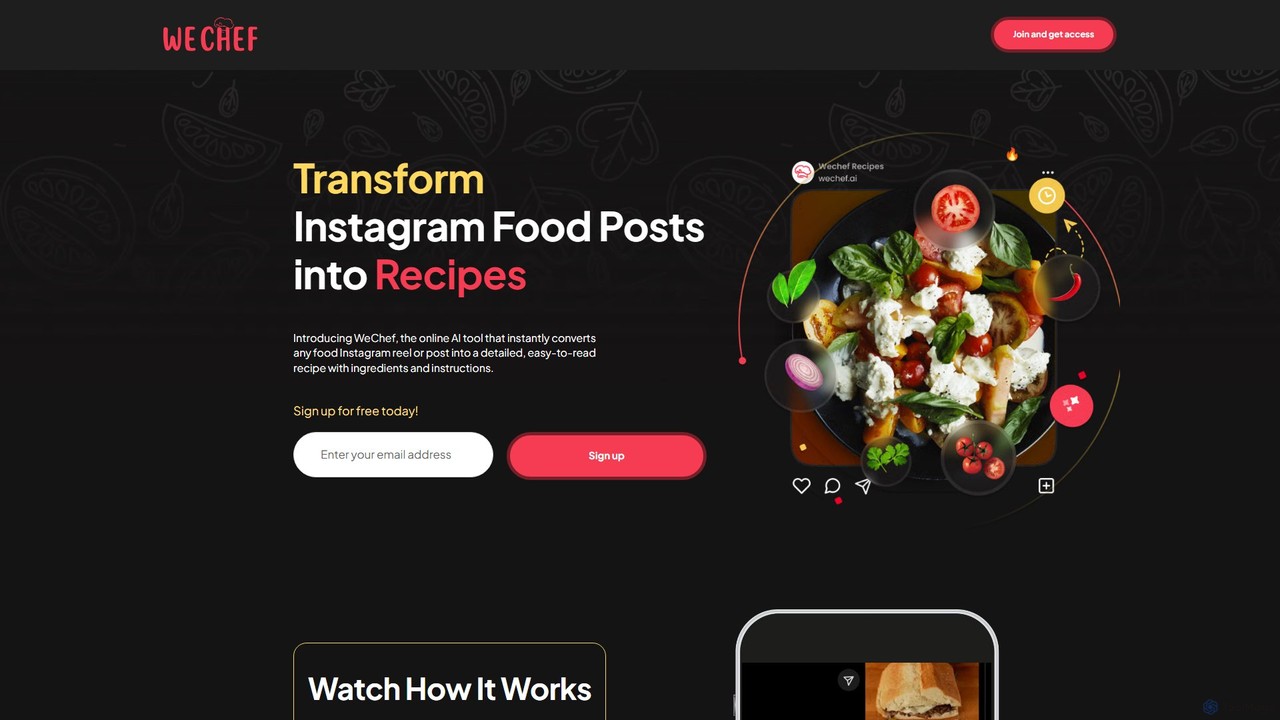
WeChef is an AI-powered culinary assistant that transforms any Instagram food post or reel into a detailed, easy-to-follow …
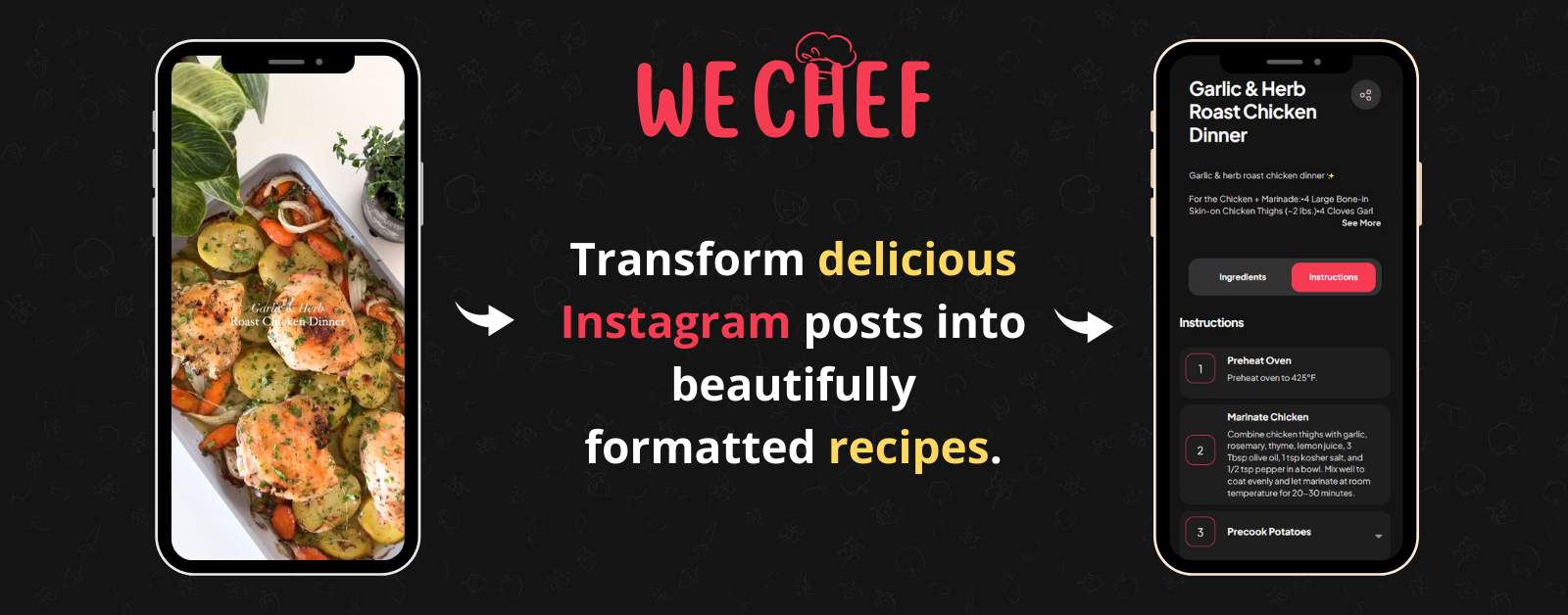
WeChef is an AI-powered culinary assistant that transforms any Instagram food post or reel into a detailed, easy-to-follow recipe. Simply share the Instagram link with the WeChef AI, and instantly receive a complete recipe with ingredients and step-by-step instructions, turning your social media feed into a personal cookbook.
Posha
Posha is an AI-powered kitchen robot that acts as your family's private chef. It fully automates the cooking …
Posha is an AI-powered kitchen robot that acts as your family's private chef. It fully automates the cooking process, from adding ingredients to adjusting heat, using advanced camera vision and sensors. Simply prep the ingredients, select a recipe from its vast library via the app, and let Posha cook dinner for you. It offers extensive customization for dietary needs and preferences, making fresh, home-cooked meals effortless for busy individuals and families.
ScanMyKitchen
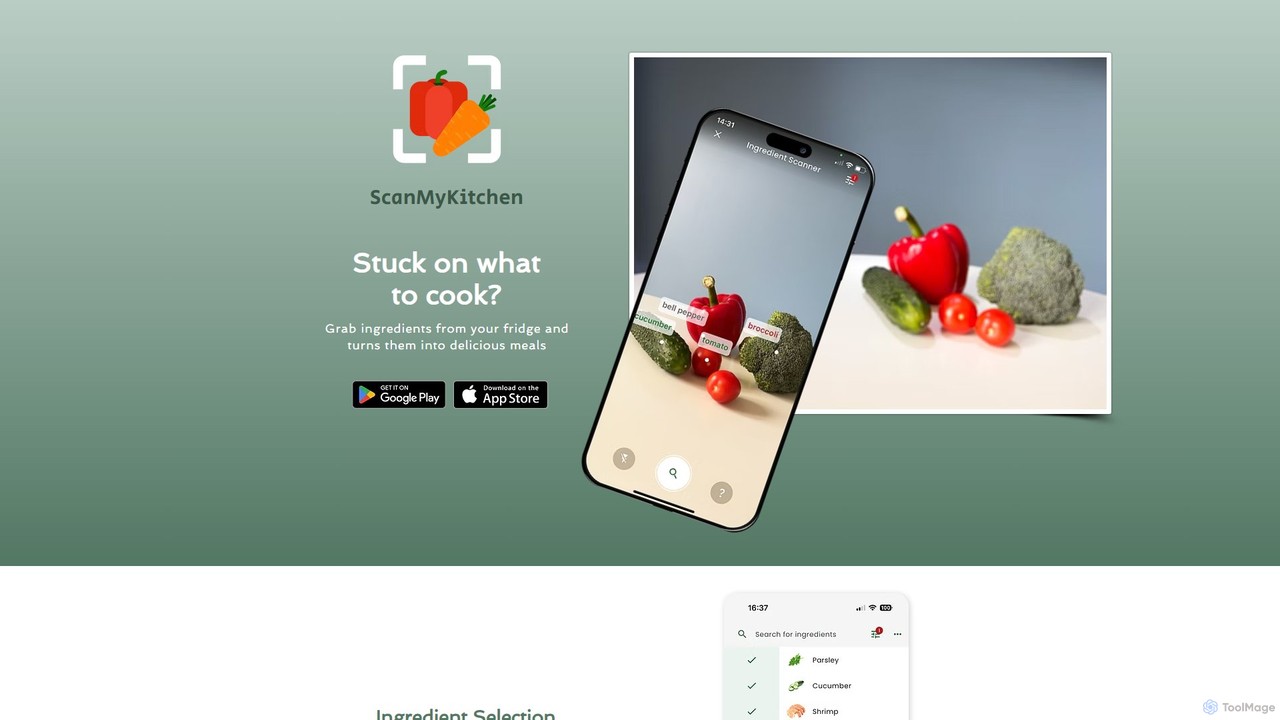
ScanMyKitchen is an AI-powered recipe generator that transforms your available ingredients into delicious meals. Simply select what you …
ScanMyKitchen is an AI-powered recipe generator that transforms your available ingredients into delicious meals. Simply select what you have in your fridge or use the camera scanning feature, and the tool provides traditional and AI-generated recipes. It helps reduce food waste, save money, and inspire your daily cooking.
About Food
AI Food tools are a class of applications that leverage artificial intelligence to innovate the entire food lifecycle, from recipe creation to nutritional management. These tools typically employ machine learning algorithms to analyze vast datasets of ingredients and cooking methods, and use computer vision to identify foods from images. Their primary value lies in providing personalized meal plans, optimizing commercial kitchen operations, and offering creative culinary inspiration. This technology empowers users to make smarter dietary choices and helps businesses reduce waste and improve efficiency.
Core Features
- Recipe Generation: Creates novel or customized recipes based on ingredients, dietary needs, or cuisine style.
- Nutritional Analysis: Calculates calories, macronutrients, and micronutrients from photos, text descriptions, or recipes.
- Meal Planning: Automatically generates weekly or daily meal plans complete with shopping lists.
- Restaurant Optimization: Analyzes sales data to forecast demand, manage inventory, and engineer menus for profitability.
Use Cases
These tools are valuable for a wide range of users. Home cooks use them for meal inspiration and planning. Nutritionists and dietitians create personalized client diet plans more efficiently. Restaurant managers and chefs leverage them to optimize menus, control costs, and reduce food waste. Food bloggers and content creators use them to brainstorm new recipe ideas.
How to Choose
When selecting an AI Food tool, consider your primary goal: are you a home user needing recipes or a business owner optimizing operations? Evaluate the accuracy and size of the food database for nutritional tools. For recipe generators, assess the level of customization and creativity. For business applications, check for integration capabilities with existing POS or inventory systems and the quality of analytics provided.
FoodUse Cases
Personalized Weekly Meal Planning
For busy professionals or families looking to maintain a healthy diet, AI food tools can generate a complete weekly meal plan. A user inputs their dietary preferences (e.g., vegetarian, low-carb), allergies, health goals (e.g., weight loss, muscle gain), and even ingredients they have on hand. The AI then processes this information to create a seven-day plan with breakfast, lunch, and dinner recipes. It also generates a consolidated shopping list, saving significant time on planning and reducing food waste by ensuring all purchased ingredients are used.
Automated Nutritional Tracking from Photos
Health-conscious individuals and athletes often need to track their daily caloric and macronutrient intake. Instead of manually logging every food item, AI tools with computer vision allow users to simply take a photo of their meal. The AI identifies the different food components, estimates their portion sizes, and queries a vast database to provide a detailed nutritional breakdown. This automates the tedious process of food journaling, making it easier for users to stay consistent with their dietary goals and gain accurate insights into their eating habits.
Restaurant Menu and Inventory Optimization
For restaurant owners and managers, AI tools can analyze point-of-sale (POS) data to uncover powerful insights. By processing sales history, seasonality, and even local events, the AI can predict demand for specific menu items. This allows for smarter inventory management, reducing spoilage of perishable goods. Furthermore, it can perform menu engineering by identifying the most and least profitable items, suggesting price adjustments, or recommending new dishes that are likely to be popular with the customer base, ultimately boosting profitability.
Creative Recipe Generation for Food Bloggers
Food bloggers and content creators constantly face the challenge of developing new and exciting recipes. AI recipe generators can serve as a powerful brainstorming partner. A creator can input a core ingredient, a specific cuisine type, or a dietary constraint (e.g., 'gluten-free dessert with avocado'). The AI then generates multiple unique recipe ideas, complete with ingredient lists and step-by-step instructions. This not only helps overcome creative blocks but also allows for the rapid exploration of novel flavor combinations, keeping their content fresh and engaging for their audience.
Creating Dietary Plans for Nutritionists
Nutritionists and dietitians spend considerable time creating customized meal plans for clients with specific health conditions, such as diabetes or celiac disease. An AI food tool can streamline this process significantly. The professional can input the client's detailed profile, including medical conditions, allergies, food dislikes, and macronutrient targets. The AI can then generate a compliant and balanced meal plan in minutes, which the nutritionist can review, refine, and approve. This frees up their time to focus on higher-value tasks like client counseling and education.
AI-Enhanced Food Photography for Marketing
Restaurants, food delivery services, and consumer packaged goods (CPG) brands rely on high-quality food photography for marketing. AI tools can significantly enhance this process. A marketer can upload a standard product photo, and the AI can automatically remove or replace the background, adjust lighting to look more appetizing, or even generate lifestyle scenes around the dish. Some advanced tools can generate entirely new, photorealistic images of dishes from a text description, allowing for rapid A/B testing of different visual concepts without expensive photoshoots.