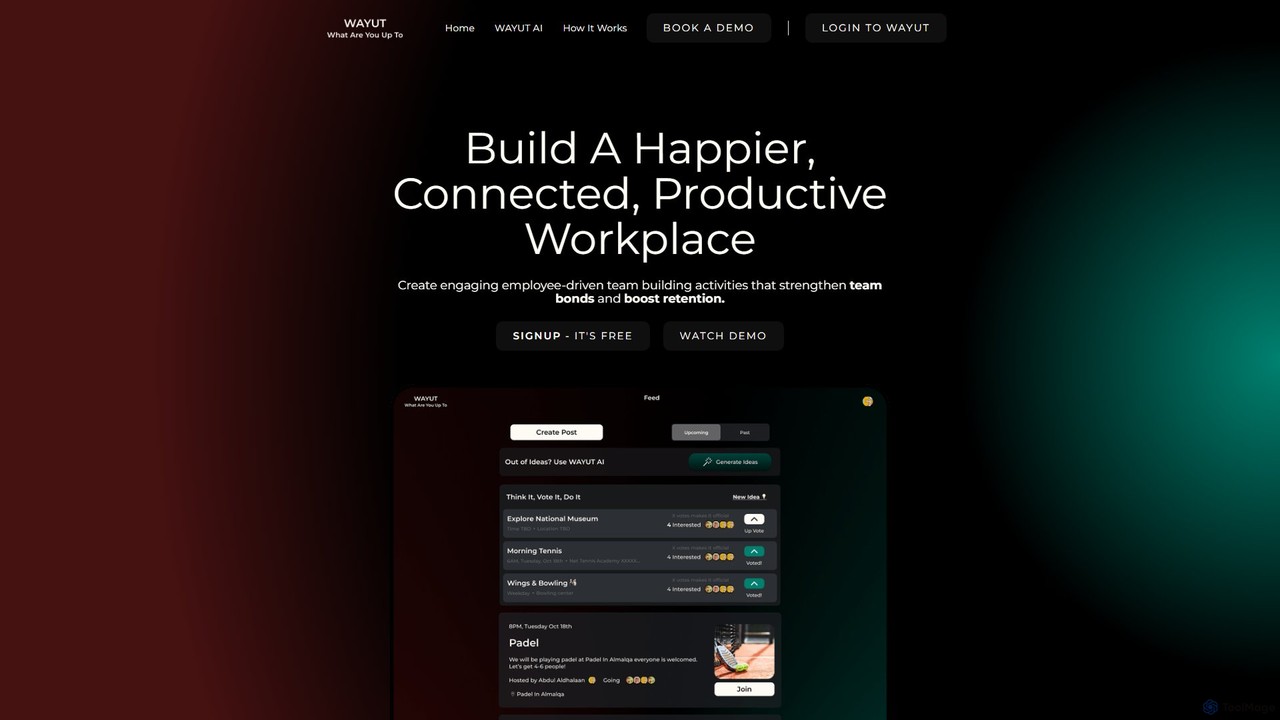
Event Planning AI tools are specialized software solutions that leverage artificial intelligence to streamline and enhance various stages of event organization. These tools utilize machine learning algorithms and data analysis to automate repetitive tasks, personalize guest experiences, and optimize resource allocation. They transform complex logistical challenges into manageable, efficient processes, enabling planners to focus on creativity and strategic execution. As a part of the 'Fun Tools' category, they aim to make the often stressful process of event planning more enjoyable and innovative through intelligent automation.
Core Features
- Automated Scheduling: Generates optimized timelines for tasks, vendors, and sessions, considering dependencies and availability.
- Personalized Guest Engagement: Crafts tailored communication, recommendations, and interactive experiences based on attendee data.
- Budget Optimization: Analyzes spending patterns and suggests cost-saving opportunities while maintaining event quality.
- Venue & Vendor Matching: Recommends suitable venues and reliable vendors based on event requirements, budget, and past performance.
- Real-time Analytics: Provides insights into attendee engagement, marketing campaign performance, and operational efficiency during the event.
Applicable Scenarios
Event Planning AI tools are invaluable for professional event organizers, corporate marketing teams, and individual hosts alike. They are used for large-scale conferences to manage complex agendas and thousands of attendees, for corporate events to ensure brand consistency and ROI, and even for personal celebrations to simplify coordination and add unique touches. These tools help reduce manual workload and ensure a seamless experience from conception to execution.
How to Choose
When selecting an Event Planning AI tool, consider its core functionalities, such as scheduling, budgeting, and guest management, to ensure they align with your specific needs. Evaluate its integration capabilities with existing CRM, marketing, or ticketing platforms for a unified workflow. Assess the level of AI automation offered, from simple task suggestions to advanced predictive analytics. Finally, review the user interface for ease of use and the vendor's support, as these factors significantly impact adoption and overall satisfaction.