chefkittyai
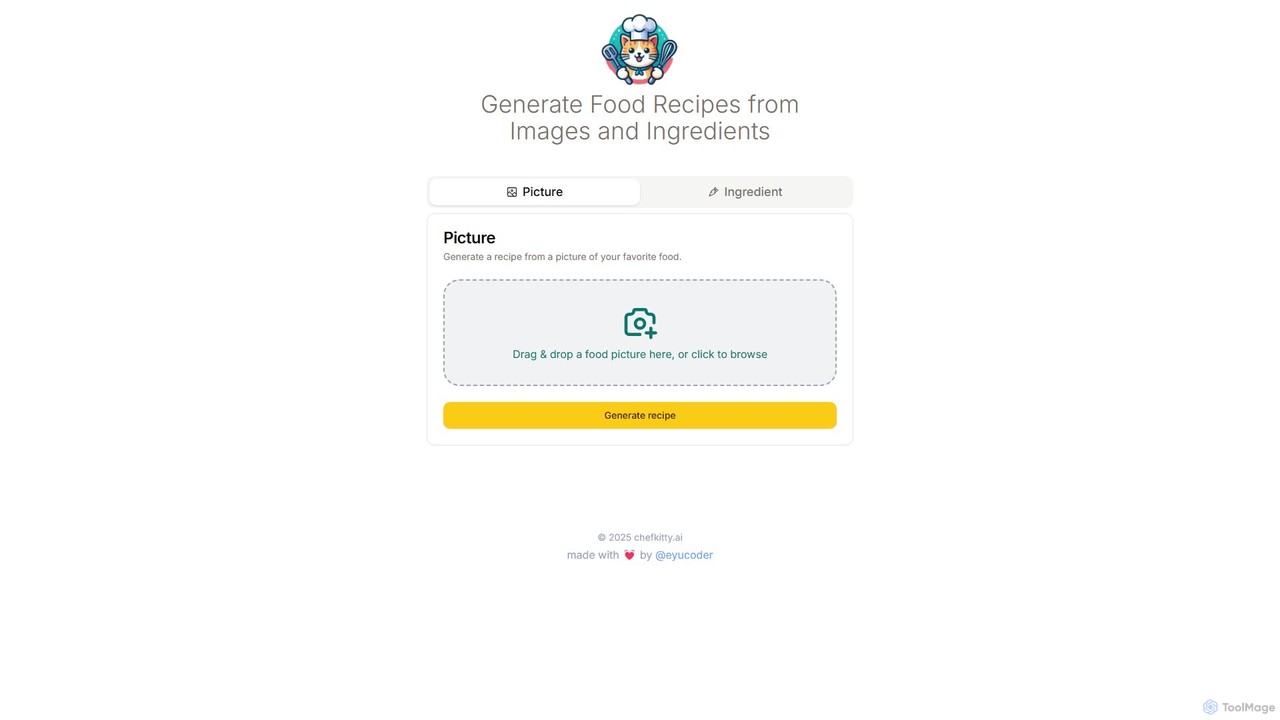
chefkittyai is an AI-powered culinary assistant that transforms food photos into detailed recipes. Simply upload an image of …
chefkittyai is an AI-powered culinary assistant that transforms food photos into detailed recipes. Simply upload an image of a dish or list the ingredients you have, and the AI generates step-by-step cooking instructions, ingredient lists, and even nutritional information. It's perfect for home cooks seeking inspiration, reducing food waste, and recreating their favorite meals.
About Food
AI Food tools are applications that leverage artificial intelligence to assist with various culinary and nutritional tasks. These tools often use large language models and computer vision to generate recipes, plan meals, and analyze food content. They serve as creative partners in the kitchen, helping users discover new dishes, manage dietary goals, and reduce food waste. By inputting available ingredients or dietary preferences, users can receive instant, customized culinary guidance.
Core Features
- Recipe Generation: Creates unique recipes based on available ingredients, dietary restrictions (e.g., vegan, gluten-free), or desired cuisine type.
- Personalized Meal Planning: Automatically generates daily, weekly, or monthly meal plans tailored to individual calorie targets, macronutrient goals, and food preferences.
- Nutritional Analysis: Estimates calories, protein, carbs, and fats from a food photo or a list of ingredients, simplifying diet tracking.
- Food Image Creation: Generates realistic or artistic images of dishes from text descriptions, useful for bloggers, marketers, or menu design.
- Smart Shopping Lists: Compiles organized grocery lists based on selected recipes or meal plans, streamlining the shopping process.
Use Cases
These tools are ideal for home cooks seeking inspiration to use up leftovers, fitness enthusiasts meticulously tracking their nutritional intake, and individuals with specific dietary needs like allergies or intolerances. Food bloggers and social media managers also use them to generate content ideas and visually appealing food imagery.
How to Choose
When selecting an AI Food tool, consider its primary function—whether you need a recipe generator, a meal planner, or a nutrition tracker. Evaluate the quality and size of its recipe database, the accuracy of its nutritional data, and the level of personalization it offers. Also, check for a user-friendly interface and features like shopping list integration.

FoodUse Cases
Generate Recipes from Leftover Ingredients
A home cook wants to prepare dinner but only has a few random items in the fridge: chicken breast, broccoli, a lemon, and some yogurt. Instead of searching endlessly online, they use an AI food tool. They input the ingredients, and the AI instantly suggests several recipes, such as 'Lemon Herb Chicken with Roasted Broccoli' or a 'Creamy Yogurt Marinated Chicken Skewer.' This not only solves the 'what's for dinner' dilemma but also helps reduce food waste by utilizing what's on hand.
Create a Personalized Weekly Fitness Meal Plan
A fitness enthusiast aims to consume 2,200 calories per day with a high-protein diet. Using an AI meal planner, they set their caloric and macronutrient targets. The tool generates a complete 7-day meal plan, including breakfast, lunch, dinner, and snacks. Each meal suggestion fits their dietary profile. The tool also creates a consolidated shopping list for the week, saving hours of planning and calculation time.
Visualize a New Dish for a Restaurant Menu
A chef is developing a new dessert concept: a deconstructed tiramisu with a raspberry foam. Before investing time and resources into perfecting the physical dish, they use an AI image generator. They describe the dish in detail, specifying the plating style, colors, and textures. The AI produces several high-quality, photorealistic images, which can be used for internal discussions, pre-launch marketing on social media, or as a visual guide for the kitchen staff.
Effortless Calorie Tracking with Food Photos
Someone trying to manage their weight finds manual calorie counting tedious. With an AI nutrition tool, they simply take a photo of their plate before each meal. The app's computer vision technology identifies the food items (e.g., grilled salmon, quinoa, asparagus) and estimates the portion sizes. It then provides an approximate calorie and macronutrient breakdown, which is automatically logged in their daily diary, making diet tracking fast and intuitive.
Discovering Food and Wine Pairings
A user is hosting a dinner party and plans to serve a rich beef bourguignon. They are unsure which wine would best complement the dish. They use an AI food tool with a pairing feature, inputting 'beef bourguignon' as the main course. The AI analyzes the dish's flavor profile—rich, savory, and complex—and recommends several wine varietals, such as a Burgundy Pinot Noir or a Merlot, explaining why each choice enhances the dining experience.
Adapting Recipes for Dietary Allergies
A parent whose child has a severe nut allergy wants to bake a birthday cake. Many traditional cake recipes include nuts or are at risk of cross-contamination. They use an AI recipe tool, search for a 'chocolate birthday cake,' and apply a 'nut-free' filter. The AI not only provides tested nut-free recipes but can also suggest safe substitutions for other ingredients, like using sunflower seed butter instead of peanut butter in a frosting recipe.