ToolMage
Sign in

Best 2 Generative Ai AI tools for Fun Tools

Popular Generative Ai AI tools in Fun Tools include Voicemy.ai and Meoweler, helping you work more efficiently.

Voicemy.ai
Freemium

Voicemy.ai

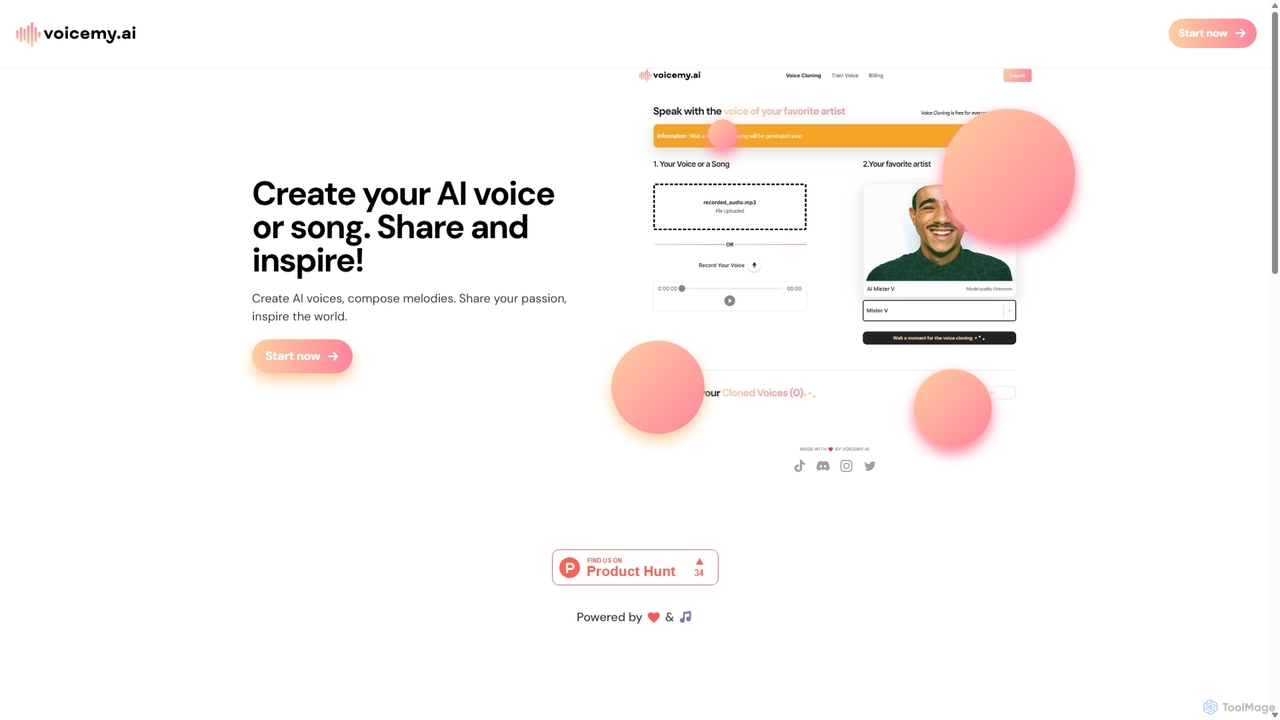
Voicemy.ai is an AI-powered platform for creating unique AI voices and songs. It specializes in voice cloning, custom voice model training, and AI song generation, allowing users to transform their creative audio ideas into reality and share them with a global community.

Voice Cloning
Visits 16.5KFavorites 96Likes 90
Meoweler
Free

Meoweler

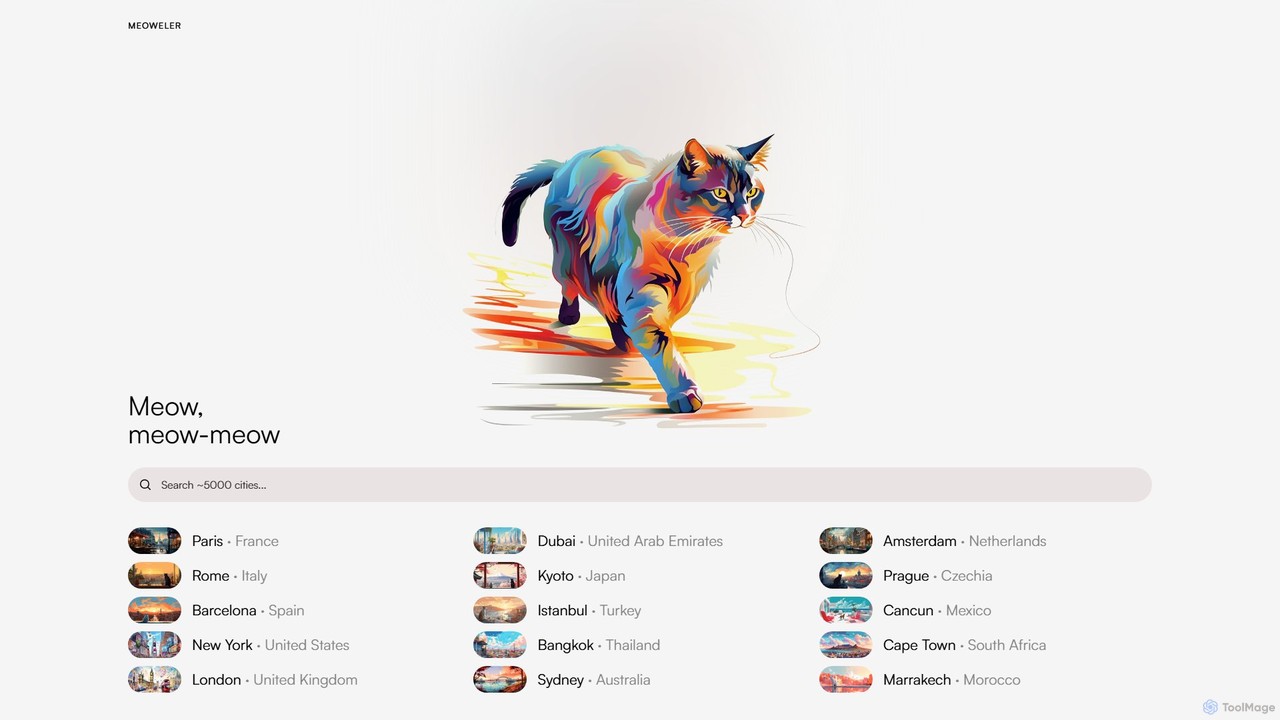
Meoweler is an AI-powered travel guide offering unique, cat-themed insights for over 5000 cities. Discover destinations with its proprietary 'MeowScore,' which rates cities on factors like safety, scenery, and greenery. Get AI-generated recommendations for activities, practical travel tips, and quirky advice to plan your next purr-fect trip.

Generative Ai
Visits 7KFavorites 105Likes 92

About Generative Ai

Generative AI tools are a class of artificial intelligence that create new, original content such as text, images, music, and code. These tools operate by learning patterns from vast datasets and then using that knowledge to synthesize novel outputs from user prompts. They empower users to produce unique digital assets, from detailed artwork and articles to complex code snippets, often with simple natural language commands. While powerful for professional tasks, their ability to spark creativity and produce surprising results makes them a cornerstone of fun and experimental AI applications.

Core Features

  • Text Generation: Creates diverse written content, including articles, emails, stories, and marketing copy from prompts.
  • Image Synthesis: Generates unique images and artwork from textual descriptions, covering various styles from photorealistic to abstract.
  • Audio & Music Creation: Composes original musical pieces, sound effects, or voiceovers based on specified genres, moods, or scripts.
  • Code Generation: Writes functional code snippets, scripts, or entire functions in various programming languages from natural language instructions.
  • Multi-modal Creation: Combines different data types, such as generating a video from a text script or creating an image based on a sketch.

Use Cases

Generative AI is widely used by content creators, marketers, developers, and hobbyists for rapid prototyping, brainstorming, and producing unique digital materials. Common applications include drafting blog posts, designing social media visuals, creating concept art for games, composing background music for videos, and exploring creative ideas for personal enjoyment.

How to Choose

When selecting a Generative AI tool, consider the primary content type you need to create (text, image, audio, etc.). Evaluate the tool's ease of use—whether it relies on simple prompts or requires complex parameter tuning. Assess the level of customization and control it offers over the final output. Finally, examine the pricing model, such as subscription-based, pay-per-use credits, or a freemium plan, to find one that fits your budget and usage frequency.

Featured tool rankings

Generative Ai use cases

1

Creating Unique Social Media Visuals

A social media manager for a small business needs to produce daily, eye-catching images for Instagram and Facebook posts. Lacking a large budget for stock photos or a graphic designer, they turn to a Generative AI image tool. By inputting descriptive prompts like 'a minimalist flat lay of coffee and a laptop on a pastel pink background, morning light', they can generate dozens of high-quality, on-brand visual options in minutes. This process allows them to maintain a vibrant and consistent social media presence, saving significant time and resources while avoiding generic stock imagery.

2

Brainstorming Blog Post Ideas and Drafts

A content writer is tasked with creating a series of articles on a new topic but is experiencing writer's block. They use a Generative AI text tool to brainstorm. By providing a core theme like 'the future of remote work', the AI generates a list of potential article titles, subheadings, and even introductory paragraphs for each. This output serves as a powerful starting point, helping the writer overcome the initial hurdle, structure their thoughts, and accelerate the drafting process. The writer can then refine and add their unique perspective to the AI-generated foundation.

3

Designing Concept Art for Indie Games

An indie game developer needs to visualize characters and environments for a new fantasy game but has a limited art team. They use a Generative AI tool to rapidly prototype ideas. By inputting detailed descriptions like 'elven archer in a bioluminescent forest, detailed leather armor, style of a watercolor painting', the AI produces dozens of visual concepts. This allows the team to quickly explore different artistic directions, iterate on character designs, and establish a visual mood for the game, saving weeks of manual sketching and concepting time.

4

Composing Royalty-Free Background Music

A video creator for YouTube needs custom background music for their content to avoid copyright issues and enhance production value. Using a Generative AI music tool, they can specify a genre (e.g., 'lo-fi chillhop'), a mood ('relaxing and focused'), and a duration (3 minutes). The AI then composes a unique, royalty-free track that fits these parameters perfectly. This empowers creators to have a custom soundtrack for every video without needing musical composition skills or paying for expensive licenses, making their content more professional and engaging.

5

Generating Personalized Bedtime Stories

A parent wants to create a unique bedtime story for their child, incorporating the child's name, favorite animal, and a recent family trip. Using a Generative AI story tool, they input a simple prompt: 'Write a short, happy bedtime story about a brave lion named Leo who visits the Grand Canyon.' In seconds, the AI generates a complete, age-appropriate story with a clear beginning, middle, and end. This turns storytime into a fun, interactive, and highly personalized experience, fostering creativity and making cherished memories without any writing effort from the parent.

6

Prototyping Website Code Snippets

A web developer is building a new feature and needs a specific JavaScript function for an interactive element, like a responsive navigation menu. Instead of writing it from scratch, they ask a Generative AI code assistant: 'Write the HTML, CSS, and JavaScript for a mobile-friendly hamburger menu.' The AI provides a functional code block that can be immediately tested, adapted, and integrated into the project. This accelerates the development process, helps in learning new coding patterns, and allows the developer to focus on more complex logic rather than boilerplate code.

Generative Ai FAQ

What is Generative AI?

Generative AI refers to a type of artificial intelligence that can create new and original content, rather than just analyzing or processing existing data. It learns from vast amounts of information (like text, images, or sounds) and then uses that knowledge to generate something entirely new, such as writing an essay, composing a song, or designing an image from a text prompt. Its core capability is synthesis and creation, making it a powerful tool for creativity and problem-solving.

How do I choose the right Generative AI tool?

To choose the right tool, consider these factors:

  • Content Type: Determine what you need to create—text, images, code, music, or video. Different tools specialize in different outputs.
  • Ease of Use: Look for a tool with an interface that matches your skill level. Some offer simple text prompts, while others have advanced settings for greater control.
  • Quality and Style: Evaluate the quality of the output. For creative work, check if the tool can generate content in the specific styles you need.
  • Pricing Model: Compare costs. Options range from free tools with limitations to subscription plans or pay-per-use credit systems for heavy users.
What's the difference between Generative AI and other types of AI?

The main difference lies in their purpose. Most other types of AI, often called Analytical or Discriminative AI, are designed to analyze existing data to make predictions or classifications (e.g., identifying spam email, recognizing faces). In contrast, Generative AI is designed to create new, synthetic data that resembles the data it was trained on. In short, Analytical AI understands and categorizes the world as it is, while Generative AI creates new things that could exist in that world.

Can anyone use Generative AI tools?

Yes, absolutely. A major trend in Generative AI is the development of user-friendly interfaces that require no technical expertise. Many of the most popular tools operate through simple natural language prompts, meaning you can just type what you want to create. While advanced tools offer more complex controls for professionals, the barrier to entry for basic use is very low, making these tools accessible to artists, writers, marketers, students, and anyone with a creative idea.

Are the outputs from Generative AI tools copyright-free?

The copyright status of AI-generated content is a complex and evolving legal area. It varies significantly by country and the specific terms of service of the tool you are using. Some tools grant users full ownership and commercial rights to the creations, while others may have restrictions. It is crucial to always read and understand the terms of service for any Generative AI tool, especially if you plan to use the output for commercial purposes. For critical projects, consulting with a legal professional is recommended.