
ToolMage
Sign in

Best 1 Message Generator for Fun Tools

Popular Message Generator in Fun Tools include wish, helping you work more efficiently.

wish
Freemium

wish

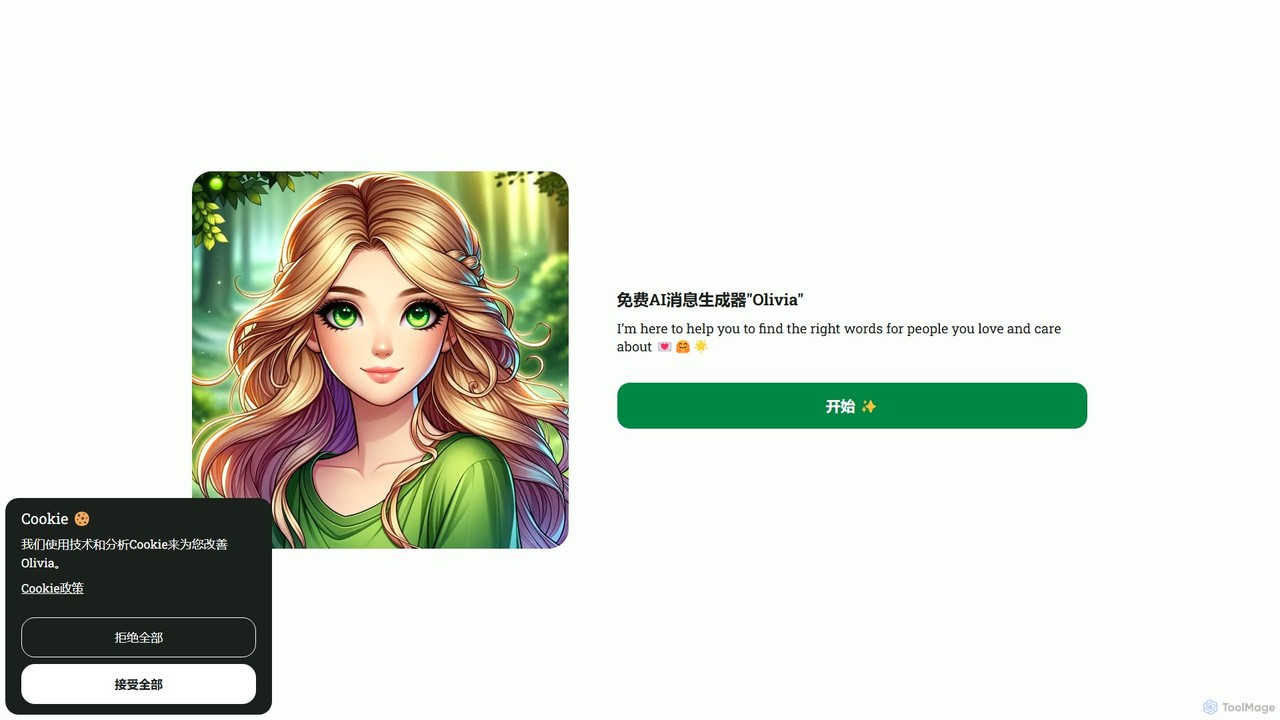
wish is a free AI-powered message generator, "Olivia," designed to help you find the perfect words for any occasion. Whether it's a birthday, anniversary, or a simple friendly note, wish crafts personalized and heartfelt messages in over 20 languages, overcoming writer's block and making communication effortless and meaningful.

Message Generator
Visits 5.5KFavorites 116Likes 102

About Message Generator

Message Generators are AI-powered tools that automatically craft short-form text for various communication scenarios. They utilize natural language processing (NLP) to interpret user prompts and produce contextually relevant messages in diverse tones and styles. These tools help users overcome writer's block, save time on crafting replies, and find the right words for social media, emails, or personal texts. As a specialized category within Fun Tools, they focus on providing quick, scenario-based text solutions for everyday interactions.

Core Features

  • Tone and Style Customization: Instantly generate text in various tones, such as formal, humorous, empathetic, or sarcastic, to match the situation.
  • Context-Aware Suggestions: Creates relevant messages based on user inputs like the occasion, recipient, and desired goal.
  • Platform-Specific Formatting: Optimizes output for different platforms, considering character limits (like Twitter) and suggesting relevant emojis or hashtags.
  • Multiple Variations: Produces several alternative messages from a single prompt, giving users a range of options to choose from.

Use Cases

These tools are frequently used by social media managers for rapid engagement, professionals for drafting concise email replies, and individuals needing assistance with personal communication, like writing birthday greetings or thoughtful apologies. They are also popular for generating creative dating app openers and witty comments.

How to Choose

When selecting a Message Generator, consider the variety of supported platforms and message types it offers. Evaluate the depth of its tone and style customization capabilities. Assess the user interface for ease of use—some provide templates for common scenarios, which can be very efficient. Finally, check the supported languages and any usage limits.

Featured tool rankings

Message Generator use cases

1

Crafting Witty Social Media Replies

Social media managers often need to respond to dozens of comments daily with fresh and engaging content. A Message Generator allows them to input a user's comment and select a 'witty' or 'humorous' tone. The tool instantly provides several clever reply options, which can be posted directly or slightly edited. This process significantly reduces response time and helps maintain a consistent, engaging brand voice across platforms without creative fatigue.

2

Overcoming Personal Communication Hurdles

For individuals who struggle to express themselves, especially in sensitive situations, a Message Generator can be a valuable aid. Whether it's crafting a heartfelt apology, a congratulatory note, or a message of condolence, the user can provide the context. The tool then generates several options with appropriate empathy and sincerity. This helps bridge communication gaps, ensuring the intended emotion is conveyed clearly and thoughtfully, reducing anxiety for the sender.

3

Generating Engaging Dating App Openers

Coming up with a unique and engaging opening line on dating apps can be challenging. Users can input details from a person's profile into a Message Generator and ask for a 'charming' or 'funny' opener. The AI can craft personalized messages that reference a shared interest or a detail from a photo, increasing the likelihood of a response compared to a generic 'hello'. This helps users make a better first impression and stand out in a crowded environment.

4

Quick Professional Email & Chat Responses

A busy professional receives numerous messages on platforms like Slack or email that require a quick, polite acknowledgment. Instead of typing out similar responses repeatedly, they can use a Message Generator. By inputting a simple prompt like 'Politely decline a meeting request' or 'Acknowledge receipt of a file', the tool generates a concise and professional message. This streamlines workflow, ensures consistent communication etiquette, and frees up mental energy for more complex tasks.

5

Generating Personalized Holiday & Event Greetings

During holidays or special events like birthdays and anniversaries, sending personalized messages can be time-consuming. A user can input the event ('Happy Birthday'), the recipient's name, and a few key details (e.g., 'loves hiking'). A Message Generator can then create a variety of warm, personalized greetings that go beyond a generic message. This is useful for individuals wanting to send thoughtful notes and for businesses looking to send personalized greetings to clients at scale.

6

Brainstorming Short-Form Marketing Copy

Marketers and copywriters can use a Message Generator as a rapid brainstorming tool. By providing a product name and a desired tone (e.g., 'energetic', 'luxurious'), the tool can generate dozens of short taglines, social media captions, or SMS marketing messages in seconds. While the output may require refinement, it serves as an excellent starting point, helping to overcome creative blocks and quickly explore multiple messaging angles for a campaign.

Message Generator FAQ

What is an AI Message Generator?

An AI Message Generator is a specialized software tool that uses artificial intelligence, particularly natural language processing (NLP), to create short text-based messages. Unlike general-purpose AI writers, these tools are often designed with specific scenarios, tones, and platforms in mind, such as social media replies, professional emails, or personal text messages. They provide a guided experience, allowing users to quickly generate contextually appropriate communication without extensive prompting.

How to choose the right AI Message Generator?

To choose the right tool, consider these factors:

  • Supported Platforms: Ensure it generates messages suitable for the channels you use most, like SMS, email, Twitter, or LinkedIn.
  • Tone & Style Variety: Look for a tool with a wide range of tones (e.g., formal, funny, empathetic) to cover all your communication needs.
  • Ease of Use: A good generator should have an intuitive interface, perhaps with pre-built templates for common situations like 'thank you' notes or 'meeting requests'.
  • Customization: Check if you can provide context or keywords to guide the AI for more personalized and relevant outputs.
What's the difference between a Message Generator and a general AI writer?

The main difference lies in specialization and user experience. A general AI writer (like a large language model chatbot) is a versatile, open-ended tool that requires detailed prompts to produce good results. A Message Generator is a specialized application focused on short-form communication. It typically offers a more structured interface with pre-set tones, scenarios, and platform constraints, making it faster and easier to generate specific types of messages without needing to be an expert in prompt engineering.

What types of messages can these tools generate?

AI Message Generators can create a wide variety of short-form content. Common examples include:

  • Social Media: Witty replies, engaging comments, and short posts for platforms like Twitter, Facebook, and Instagram.
  • Professional Communication: Concise emails for scheduling, follow-ups, or acknowledgments, as well as quick replies for chat apps like Slack.
  • Personal Texts: Messages for birthdays, holidays, apologies, congratulations, or simply checking in with friends and family.
  • Creative Content: Opening lines for dating apps, short jokes, or brainstorming for taglines.
Do AI-generated messages sound natural and authentic?

Modern AI Message Generators use advanced language models that are trained on vast amounts of human conversation, allowing them to produce text that is often indistinguishable from human writing. They can effectively capture nuances in tone and style. However, for highly personal or critical communications, it is always a good practice to review and slightly personalize the generated message to ensure it perfectly reflects your voice and intent. The best tools serve as a starting point or a co-writer, not a complete replacement for human touch.