Fun Tools Best in category 3 results Music AI Tool

Popular AI tools in the Music field of Fun Tools include MyKaraoke Video、PlaylistAI、song2art, etc., helping you quickly improve efficiency.

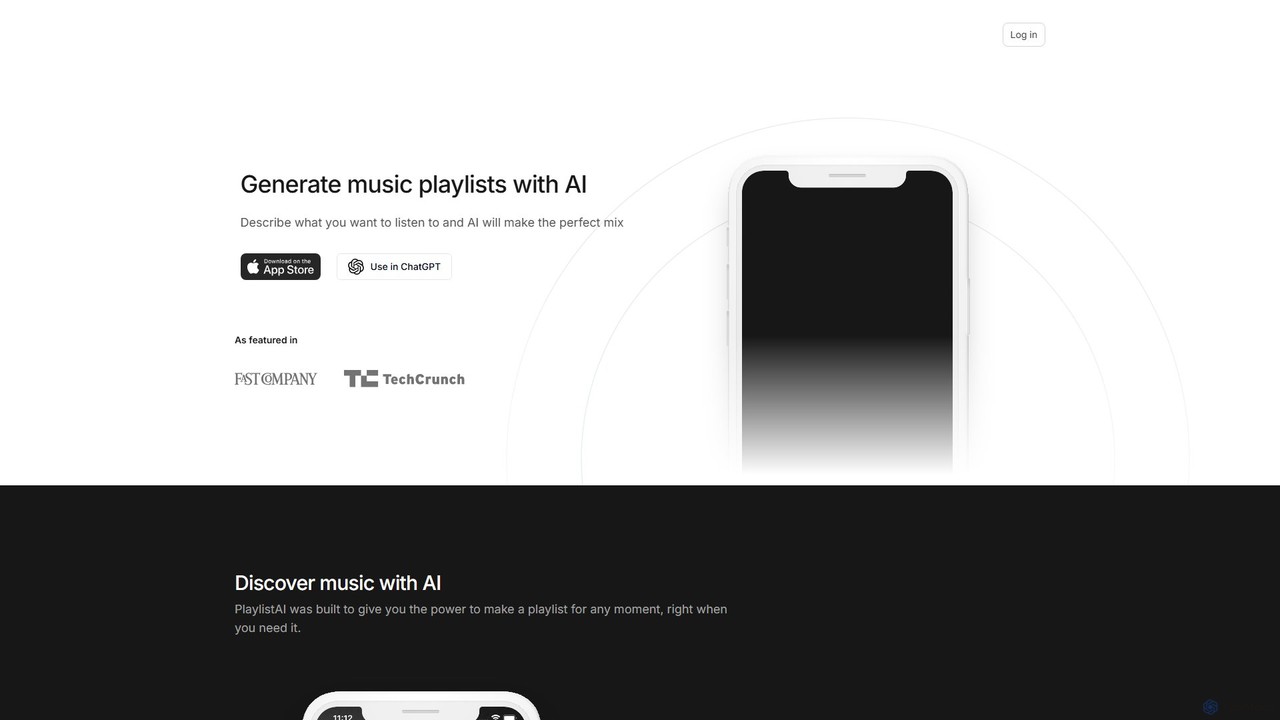
PlaylistAI

PlaylistAI

PlaylistAI is an AI-powered music discovery tool that creates personalized playlists for any moment. Generate unique mixes from …

47.0K
Free
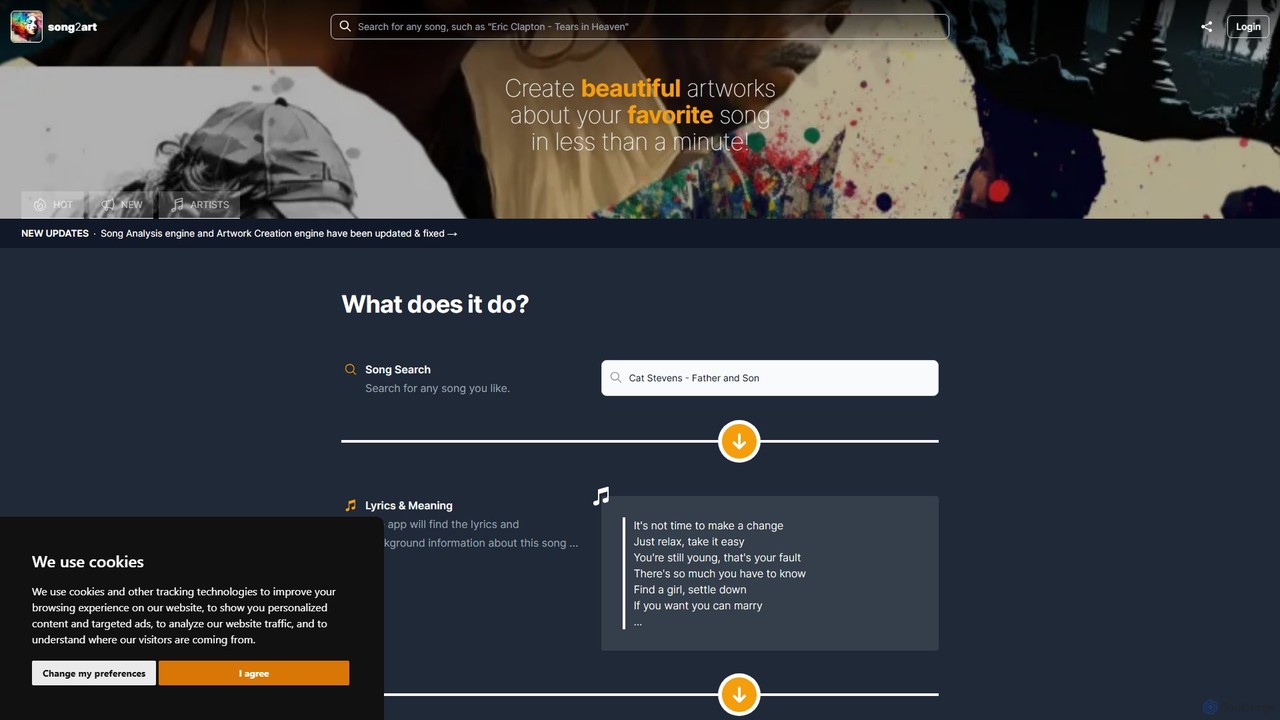
song2art

song2art

song2art is an innovative AI tool that transforms your favorite songs into unique, stunning artworks. It uses advanced …

2.9K
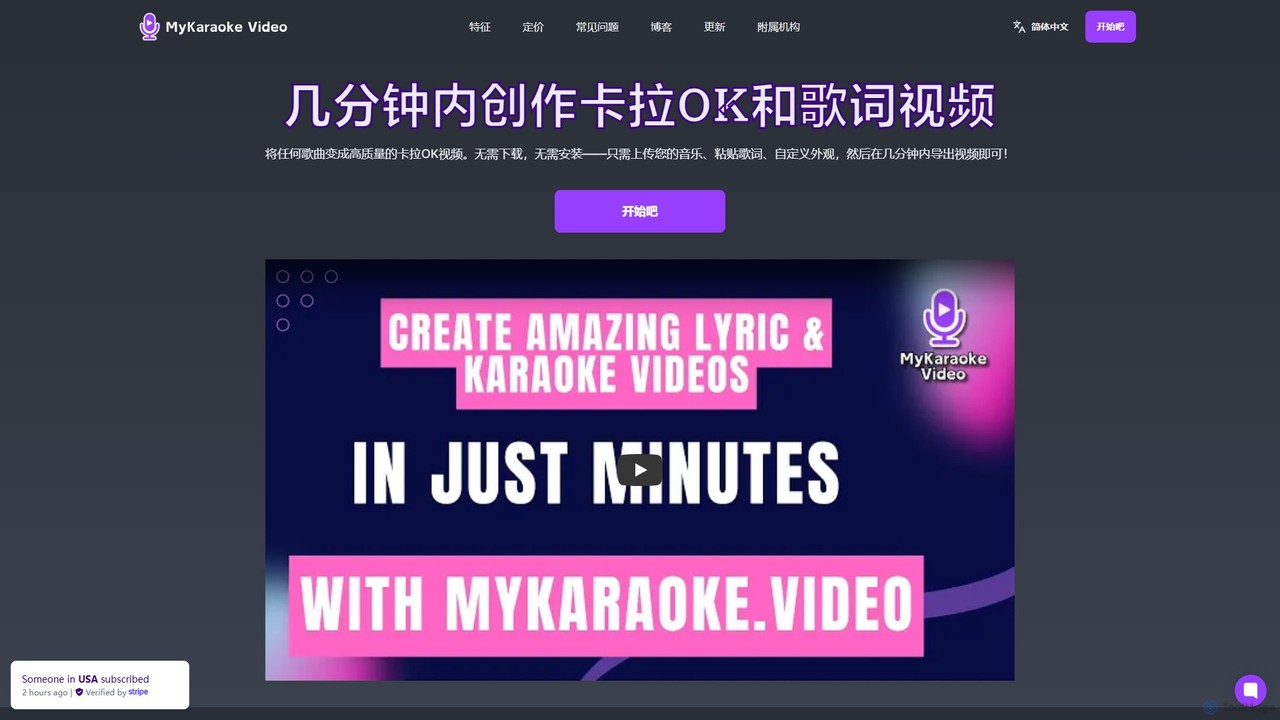
MyKaraoke Video

MyKaraoke Video

MyKaraoke Video is an AI-powered, browser-based tool that transforms any song into a professional karaoke or lyric video …

191.4K

About Music

AI Music tools are applications that leverage artificial intelligence to generate, compose, and modify musical pieces. These tools utilize deep learning models, such as Generative Adversarial Networks (GANs) or Transformers, to analyze patterns in vast music datasets and create original audio. They empower users without formal musical training to produce unique, royalty-free tracks for projects, and provide professional musicians with a powerful source of inspiration. As a unique subset of Fun Tools, they transform a complex creative process into an accessible and engaging experience.

Core Features

  • Melody & Chord Generation: Automatically creates original melodies, harmonies, and chord progressions based on user inputs like genre or mood.
  • Instrument & Genre Synthesis: Simulates a wide range of instruments and can compose music in various styles, from classical to electronic.
  • Vocal Synthesis & Voice Cloning: Generates realistic singing voices from text or clones an existing voice to perform a new melody.
  • Stem Separation: Isolates individual tracks (e.g., vocals, drums, bass) from a single audio file for remixing or analysis.
  • Text-to-Music: Creates musical compositions directly from descriptive text prompts, similar to AI image generation.

Use Cases

AI Music tools are widely used by content creators for generating custom, royalty-free background music for videos, podcasts, and streams. Musicians and producers use them to break creative blocks, experiment with new ideas, or quickly generate demo tracks. Game developers and app creators also leverage these tools to produce adaptive soundtracks that respond to in-game events.

How to Choose

When selecting an AI Music tool, consider the audio output quality and realism first. Evaluate the level of customization available, such as control over tempo, key, instruments, and structure. It's crucial to understand the licensing terms—confirm if the generated music is truly royalty-free for commercial use. Finally, check for integration capabilities, such as MIDI export, which allows for further editing in a Digital Audio Workstation (DAW).

MusicUse Cases

1

Generate Royalty-Free Music for Videos

A content creator needs unique background music for their weekly YouTube vlog. Instead of spending hours searching through stock music libraries or risking copyright claims, they use an AI Music tool. By inputting prompts like 'upbeat, acoustic, folk, for travel vlog,' the tool generates several original tracks in minutes. The creator can then select the best fit, adjust the length, and download a high-quality, royalty-free audio file, ensuring their content is both engaging and safe for monetization.

2

Break Creative Blocks for Musicians

A music producer is stuck on a new track and needs fresh inspiration. They use an AI music generator to explore new melodic or harmonic ideas. By setting parameters like the key (C minor), tempo (120 BPM), and genre (Synthwave), the AI generates dozens of MIDI patterns and chord progressions. The producer can then import these MIDI files into their Digital Audio Workstation (DAW), modify them, and use them as a starting point, effectively overcoming their creative block and accelerating the songwriting process.

3

Create Custom Jingles for Podcasts

A podcaster wants a unique intro and outro jingle for their show to build a strong brand identity. Instead of hiring a composer, they use an AI music tool. They can specify the mood ('energetic and optimistic'), duration (15 seconds), and instruments ('electric guitar and drums'). The AI generates several options, and the podcaster can even use a voice cloning feature to add a synthesized voiceover like 'Welcome to the Show!'. This provides a cost-effective and fast way to produce professional, custom audio branding.

4

Prototype Adaptive Soundtracks for Games

A game developer is creating a new indie game and needs a dynamic soundtrack that changes based on gameplay. Using an AI music tool with stem separation and generation capabilities, they can create a base track. Then, they generate variations: a high-tension version with added percussion for combat scenes, and a calm, ambient version for exploration. By exporting these as separate stems, the game engine can dynamically mix and fade between them, creating an immersive, adaptive audio experience without the budget for a full orchestra or composer.

5

Separate Audio Stems for Remixing

A DJ wants to create a remix of a classic song but doesn't have access to the original multitrack recordings. They use an AI tool with a stem separation feature. By uploading the final mixed song file, the AI analyzes the audio and isolates the vocals, drums, bass, and other instruments into separate audio files. The DJ can then import these stems into their software to create a unique remix, for example, by using only the vocal track over a new beat they produced, opening up creative possibilities previously unavailable.

6

Experiment with Music Creation for Fun

A hobbyist with no musical background is curious about making music. They use a simple, text-to-music AI tool. They type in a fun prompt like 'a funky disco beat with a robot singing about pizza'. Within seconds, the AI generates a complete, albeit quirky, song. This allows them to experiment with different genres, moods, and ideas without needing to learn music theory or how to play an instrument. It serves as an entertaining creative outlet, making the process of music creation accessible and enjoyable for everyone.

MusicFrequently Asked Questions