Fun Tools Best in category 2 results Personalization AI Tool

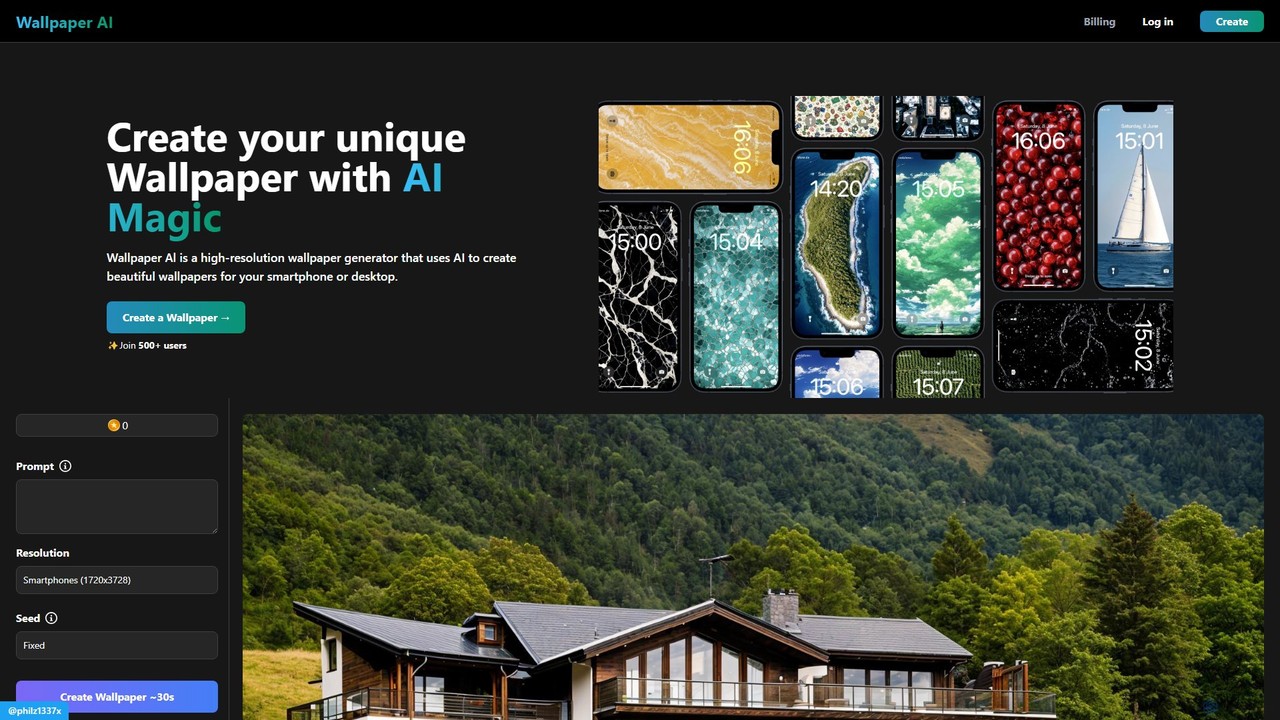
Popular AI tools in the Personalization field of Fun Tools include WallpaperAI.co、ReezAvatar, etc., helping you quickly improve efficiency.

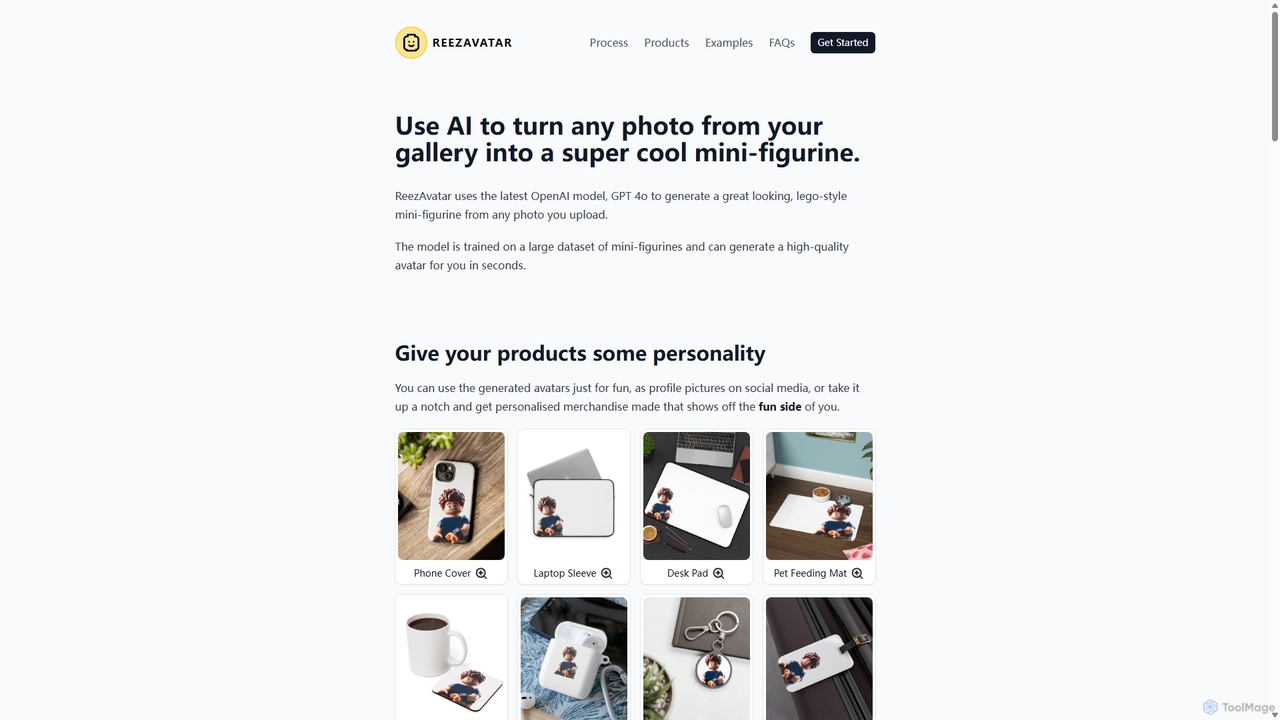
ReezAvatar

ReezAvatar

ReezAvatar is an AI-powered tool that transforms any photo into a unique, Lego-style mini-figurine. Leveraging the latest OpenAI …

2.3K
WallpaperAI.co

WallpaperAI.co

WallpaperAI.co is an AI-powered wallpaper generator that creates unique, high-resolution backgrounds for your devices. Simply enter a text …

2.4K

About Personalization

Personalization AI tools are a category of artificial intelligence applications designed to tailor content, experiences, or products to individual user preferences, behaviors, and needs. These tools leverage advanced machine learning algorithms to analyze user data, predict interests, and dynamically adapt outputs, making interactions more relevant and engaging. Within the broader "Fun Tools" category, personalization tools excel at creating uniquely engaging and custom-fitted experiences, from interactive entertainment to bespoke creative outputs.

Core Features

  • Adaptive Content Generation: Dynamically creates or modifies text, images, audio, or video to match individual user profiles and preferences.
  • User Behavior Analysis: Interprets interaction patterns, past choices, and explicit feedback to build detailed user models.
  • Dynamic Interface Customization: Adjusts application layouts, themes, or feature visibility based on individual user habits and accessibility needs.
  • Personalized Recommendation Engines: Suggests relevant content, products, or activities by understanding unique user tastes and historical data.
  • Interactive Experience Tailoring: Modifies game narratives, learning paths, or virtual environments in real-time to suit individual user engagement and skill levels.

Use Cases

These tools are invaluable for creators, educators, and businesses aiming to deliver highly relevant and captivating experiences. They are used in entertainment for custom game scenarios, in education for adaptive learning paths, and in marketing for hyper-targeted content delivery, ensuring each user feels uniquely addressed and engaged.

How to Choose

When selecting a Personalization AI tool, evaluate its data privacy policies, the depth of customization offered, and its integration capabilities with existing platforms. Consider the quality and relevance of its output, the ease of defining personalization rules, and its scalability to handle varying user loads and data complexities.

PersonalizationUse Cases

1

Creating Personalized Storybooks for Children

Parents or educators utilize AI personalization tools to generate unique storybooks where the narrative, characters, and settings are customized to a child's name, favorite animals, or specific interests. This fosters a deeper connection to reading and makes learning more engaging by reflecting the child's world within the story.

2

Designing Custom Avatars and Digital Identities

Social media users, gamers, or virtual world participants employ these tools to create highly personalized avatars, emojis, or digital representations. By inputting preferences for appearance, style, and even personality traits, users can generate unique digital identities that truly reflect their individuality, enhancing self-expression in online spaces.

3

Generating Adaptive Learning Paths for Students

Educational platforms and individual learners leverage AI personalization to curate dynamic learning content and exercises. The tools analyze a student's progress, strengths, weaknesses, and preferred learning style, then adapt the curriculum, pace, and resources to optimize their educational journey and improve retention.

4

Tailoring Interactive Game Experiences

Game developers and players use AI personalization to dynamically adjust game difficulty, storyline branches, character interactions, or quest generation based on an individual player's skill level, play style, and in-game choices. This ensures a continuously challenging and engaging experience that evolves with the player.

5

Curating Personalized Music Playlists and Soundscapes

Music enthusiasts or wellness practitioners utilize AI tools to generate custom music playlists or ambient soundscapes. By understanding mood, activity (e.g., studying, relaxing, working out), or specific genre preferences, the AI creates a unique auditory experience perfectly suited to the user's current state or goal.

6

Developing Personalized Wellness and Mindfulness Journeys

Individuals seeking self-improvement or mental well-being use these tools to receive customized meditation guides, journaling prompts, or exercise routines. The AI adapts suggestions based on user input regarding their goals, progress, and emotional state, providing a highly relevant and supportive personal development journey.

PersonalizationFrequently Asked Questions