FireHaircut
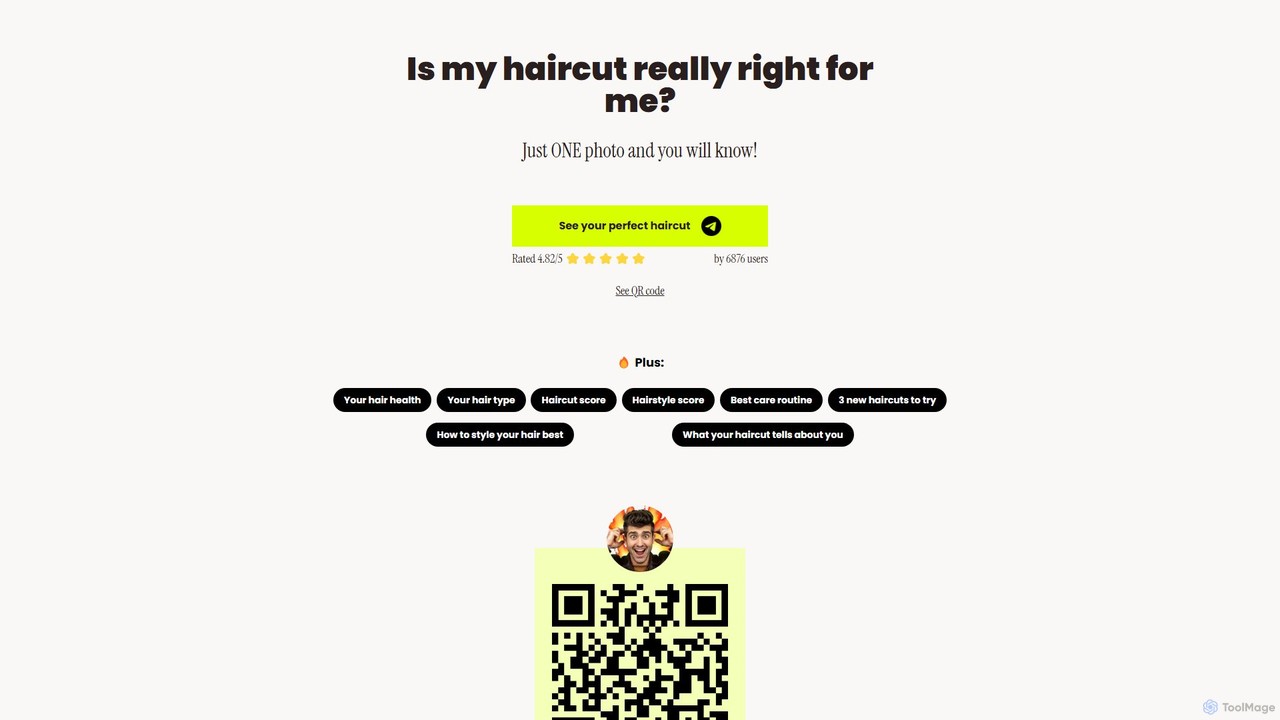
FireHaircut is an AI-powered Telegram bot that analyzes your photo to provide personalized haircut recommendations. Get a detailed …
FireHaircut is an AI-powered Telegram bot that analyzes your photo to provide personalized haircut recommendations. Get a detailed report on your hair type, health, and receive suggestions for three new styles that perfectly suit you, complete with styling advice.
Gift Ideas by Genie
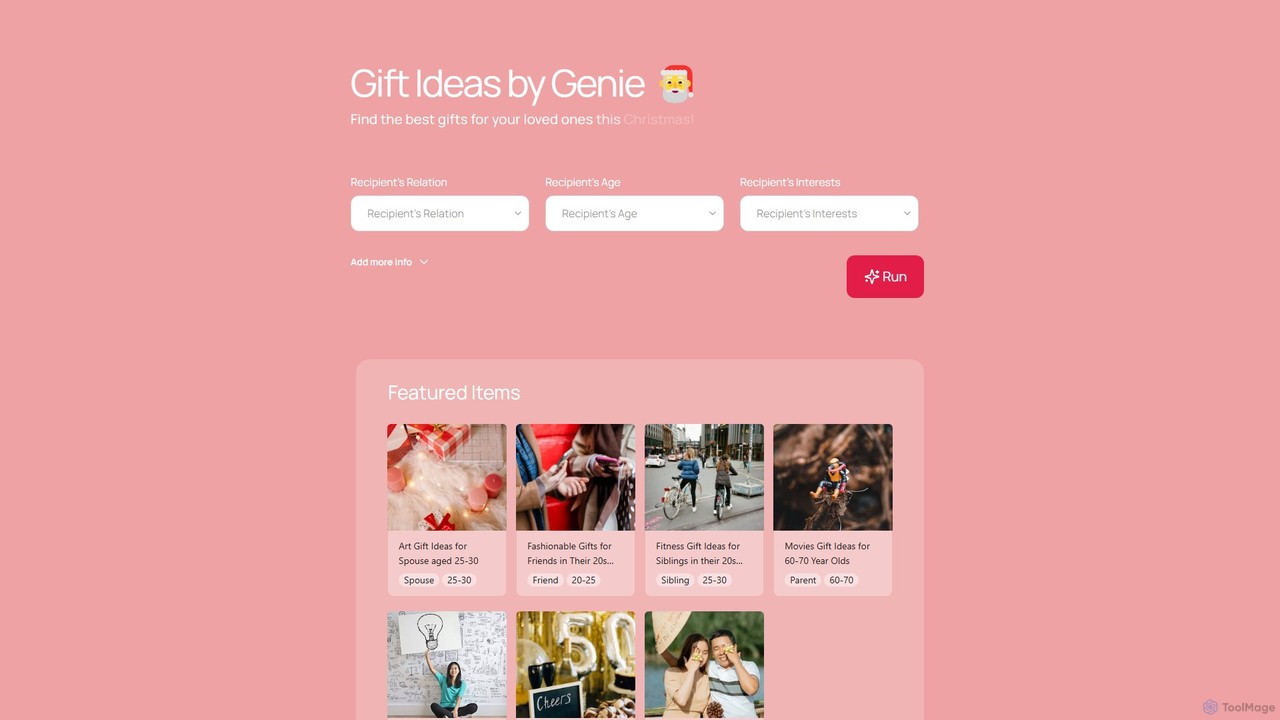
Gift Ideas by Genie is an AI-powered tool that helps you find the perfect gift for any occasion. …
Gift Ideas by Genie is an AI-powered tool that helps you find the perfect gift for any occasion. Simply provide details about the recipient, such as their relationship to you, age, and interests, and the AI Genie will generate a curated list of thoughtful and personalized gift suggestions. It even helps you write a heartfelt gift note, making gift-giving easy, fun, and stress-free. Ideal for birthdays, holidays, and anniversaries.
About Personalized Recommendations
Personalized Recommendations tools are a class of AI systems that analyze user data to predict and suggest relevant items, content, or services. These tools employ machine learning algorithms like collaborative and content-based filtering to understand individual preferences, past behavior, and contextual information. Their primary value lies in enhancing user engagement, increasing conversion rates for e-commerce, and improving content discovery on platforms like streaming services and news sites. As a type of Fun Tool, they create a more engaging and tailored user experience, making discovery feel intuitive and enjoyable.
Core Features
- User Behavior Analysis: Tracks and interprets user interactions such as clicks, views, purchases, and time spent to build dynamic profiles.
- Collaborative Filtering: Recommends items by identifying patterns from large groups of users, suggesting what similar users have liked.
- Content-Based Filtering: Suggests items based on their attributes and a user's historical preference for certain characteristics.
- Hybrid Recommendation Models: Combines multiple algorithms (e.g., collaborative, content-based, and demographic) for improved accuracy and to overcome limitations of single-algorithm systems.
- Performance Analytics: Offers dashboards to monitor key metrics like click-through rate, conversion, and revenue generated by recommendations.
Use Cases
These tools are essential for industries with large catalogs, such as e-commerce, media streaming, and digital publishing. An online retailer uses them to power 'Customers also bought' sections, while a video platform suggests the next movie to watch. They are also crucial for news aggregators and music services to personalize user feeds and drive deeper engagement.
How to Choose
When selecting a tool, consider its scalability to handle your user base and item catalog. Evaluate its integration capabilities with your existing platforms (e.g., Shopify, CMS, or custom apps) via APIs or plugins. Assess the level of control and customization offered for the recommendation algorithms. Finally, ensure it provides robust analytics to measure its direct impact on your business goals.

Personalized RecommendationsUse Cases
Boost E-commerce Sales with Product Suggestions
An e-commerce manager aims to increase the average order value and conversion rate. By integrating a personalized recommendation tool, they can automatically display relevant product suggestions on homepages, product pages, and at checkout. The AI analyzes a customer's browsing history, past purchases, and items in their cart to show 'You might also like' and 'Frequently bought together' sections. This not only improves the shopping experience but directly leads to higher sales and customer loyalty.
Enhance Content Discovery on Streaming Platforms
For a media streaming service, user retention is key. A product manager can use a recommendation engine to power the entire user interface. The system analyzes viewing habits, ratings, and genre preferences to create personalized rows like 'Top Picks for You' or 'Because you watched...'. This helps users quickly find content they'll love, reducing browsing fatigue and significantly increasing watch time and user satisfaction, which are critical for reducing churn.
Curate Personalized News and Article Feeds
A digital publisher or news aggregator wants to increase reader engagement and time on site. A recommendation tool can create a unique, dynamic feed for each visitor. By analyzing topics of interest, authors they follow, and articles they've read, the AI curates a personalized homepage or 'Recommended for You' section. This transforms a generic content site into a personal news hub, encouraging repeat visits and increasing the likelihood of a user subscribing.
Suggest Relevant Courses on E-Learning Platforms
An online learning platform needs to guide students toward a complete learning path. A recommendation engine can suggest the next course to take based on a student's completed courses, stated career goals, and the skills demonstrated in quizzes. It can also recommend supplementary materials or related courses from different fields to broaden a learner's knowledge. This personalized guidance improves course completion rates and helps upsell more advanced or specialized training programs.
Personalize Music and Podcast Discovery
For a music or podcast streaming app, helping users discover new content is crucial for engagement. A recommendation AI analyzes listening history, skipped tracks, liked songs, and playlist creations. Based on this data, it generates personalized playlists like 'Discover Weekly', suggests new artists similar to favorites, and recommends podcast episodes on topics the user has shown interest in. This creates a highly sticky user experience, making the app an indispensable tool for content discovery.
Offer Tailored Travel and Hospitality Packages
A marketing manager for an online travel agency or hotel chain can use recommendation tools to present personalized offers. The system analyzes past travel destinations, hotel preferences (e.g., budget vs. luxury), and search queries for activities. It can then dynamically assemble and suggest travel packages, hotels, or local tours that match the user's implicit preferences. This moves beyond generic deals to offer truly relevant travel options, significantly increasing booking conversion rates and customer satisfaction.