ToolMage
Sign in

Best 1 Political Satire AI tools for Fun Tools

Popular Political Satire AI tools in Fun Tools include Ballot Face, helping you work more efficiently.

Ballot Face
Free

Ballot Face

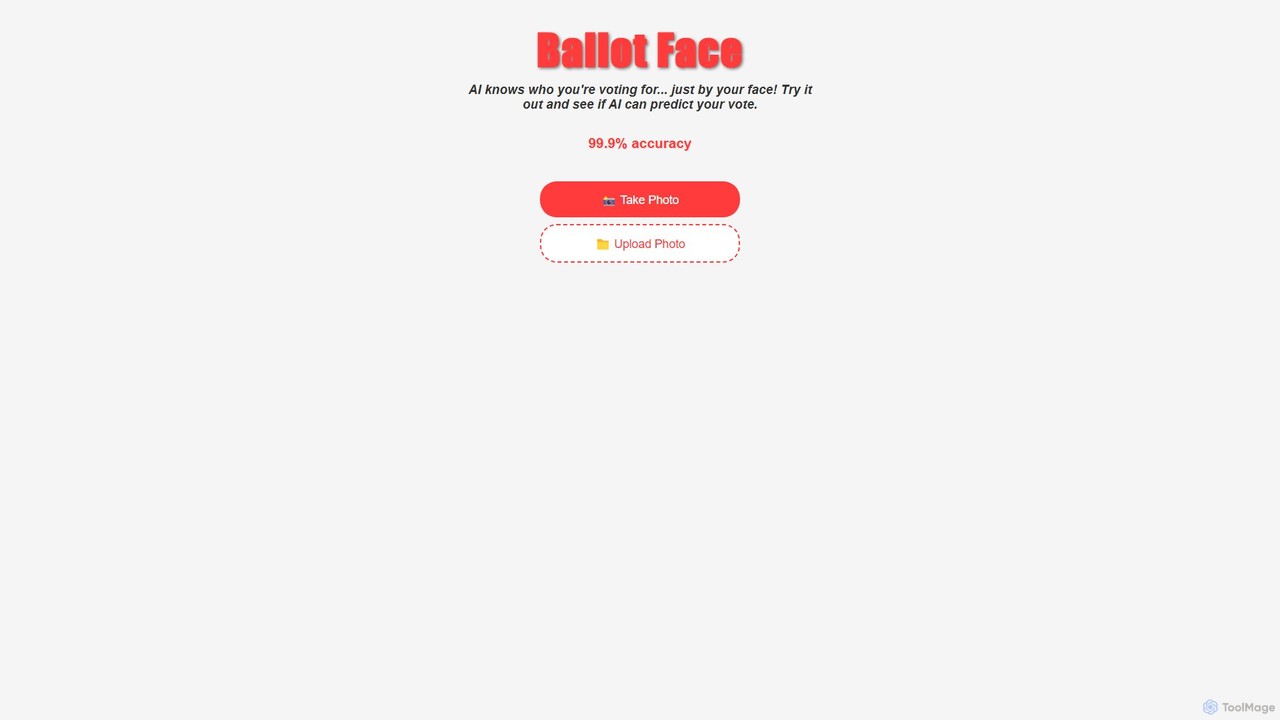
An entertaining AI tool that analyzes your face to predict your political affiliation. Upload a photo, let the AI analyze it, and share the fun, thought-provoking results on social media. It's a viral, satirical take on AI and politics.

Political Satire
Visits 5.9KFavorites 126Likes 123

About Political Satire

Political Satire tools are a class of AI applications designed to generate humorous, critical, or parodic content about political figures, events, and systems. These tools leverage advanced generative models, such as LLMs for text and GANs for images, to create scripts, caricatures, or voice parodies. Their primary value lies in enabling creators to produce timely and engaging social commentary, entertainment content, and memes with significant speed and creativity. As a specialized category within Fun Tools, they focus specifically on the nuances of political humor and critique.

Core Features

  • Satirical Script Generation: Creates humorous dialogues, monologues, or skits in the style of specific political figures.
  • AI Caricature Creation: Generates exaggerated and stylized images or animations of politicians for comedic effect.
  • Parody Voice Cloning: Replicates the voice patterns and speech habits of public figures for satirical audio or video clips.
  • Topical Meme Generation: Produces memes and witty captions based on current political news and events.
  • Style Emulation: Mimics the tone and format of specific political commentary shows or satirical news outlets.

Use Cases

These tools are primarily used by content creators, satirists, social media managers, and political commentators. They are ideal for producing viral social media content, creating segments for comedy podcasts or YouTube channels, and generating rapid-response memes during live political events like debates or speeches. They also serve individuals who wish to express political opinions through humor.

How to Choose

When selecting a Political Satire tool, consider the following: First, evaluate the quality and realism of the output—whether it's text, image, or audio. Second, check the range of customization options, such as the ability to control the tone, target specific figures, and refine the satirical angle. Third, review the platform's ethical guidelines and policies on preventing misinformation. Finally, assess its ease of use and the speed at which content can be generated and shared.

Political Satire use cases

1

Creating Viral Social Media Skits

A content creator specializing in political comedy uses an AI tool to generate a short, humorous script featuring two world leaders arguing over a trivial matter. They then use an AI voice cloning feature to record the dialogue in the leaders' voices and pair it with simple animation. The final video is shared on platforms like TikTok and YouTube Shorts, quickly gaining traction due to its timeliness and comedic take on current affairs, significantly boosting the creator's channel engagement.

2

Generating Daily Political Cartoons

A small online news outlet uses an AI caricature generator to produce daily political cartoons. Their graphic designer inputs a prompt describing the day's top political story, like 'Politician X tangled in red tape'. The AI generates several visual interpretations in a consistent art style. The designer selects the best one, adds captions, and publishes it across their website and social channels. This process reduces the time to create a cartoon from hours to minutes, allowing them to comment on news as it breaks.

3

Producing a Satirical Podcast Segment

The host of a weekly political commentary podcast wants to create a parody interview. They use an AI script generator to draft a witty Q&A between them and a famous politician. Next, they input the politician's lines into a voice cloning tool to generate realistic audio. By integrating this AI-generated audio into their podcast, they create a highly entertaining and shareable segment that sounds authentic, saving significant time on voice acting and production while adding a unique element to their show.

4

Rapid-Response Meme Creation for Events

During a live-streamed political debate, a social media manager for a political commentary blog uses an AI meme generator. As soon as a candidate makes a memorable gaffe, the manager inputs the quote and a screenshot into the tool. The AI instantly suggests several meme formats and witty captions. The manager chooses the best one and posts it within a minute of the event happening. This incredible speed allows their content to become part of the immediate online conversation, driving massive engagement and traffic.

5

Educational Parody for Civics Class

A high school civics teacher wants to explain a complex legislative process in an engaging way. They use an AI tool to create a short, animated skit where caricatures of historical political figures debate the bill using modern slang and humorous arguments. This satirical approach simplifies the topic, making it more memorable and relatable for students. The tool allows the teacher to produce high-quality educational content without needing animation skills, transforming a potentially dry lesson into a classroom highlight.

6

Personalized Satirical Greeting Cards

For a friend's birthday, a user wants to create a unique digital greeting card. They use an AI political satire tool to generate an image of their friend's least favorite politician awkwardly holding a birthday cake. They then use the voice cloning feature to have the politician 'deliver' a sarcastic birthday message. The combination of a personalized image and a parodied voice message results in a highly personal and hilarious gift that stands out from standard e-cards, created in just a few minutes.

Political Satire FAQ

What are AI Political Satire tools?

AI Political Satire tools are specialized software applications that use artificial intelligence to create humorous, critical, or parody content about politics. They employ generative AI technologies like text generation (LLMs), image synthesis (GANs), and voice cloning to produce content such as satirical scripts, caricatures of politicians, and parody voiceovers. Unlike general-purpose AI generators, these tools are often fine-tuned with political data and include features specifically designed for creating effective and timely satire.

How to choose the right AI Political Satire tool?

Choosing the right tool depends on your specific needs. Consider these factors:

  • Content Type: Determine if you need text (scripts, jokes), images (caricatures, memes), or audio/video (voice cloning). Choose a tool that excels in your desired format.
  • Quality and Realism: Evaluate the output quality. Does the generated text sound witty? Do the images look professionally stylized? Is the cloned voice convincing?
  • Customization and Control: Look for tools that allow you to fine-tune the output, such as adjusting the level of exaggeration in a caricature or the tone of a script.
  • Ethical Guidelines: Prioritize platforms with clear policies against creating harmful misinformation or malicious deepfakes. Ensure they encourage responsible use.
What's the difference between Political Satire tools and general AI Content Generators?

The main difference lies in their specialization and purpose. General AI content generators (like ChatGPT or Midjourney) are versatile platforms capable of creating a wide range of content. To create political satire with them, you need to provide very specific, detailed prompts. In contrast, AI Political Satire tools are purpose-built. They are often trained on datasets of political humor, news, and speeches, and include pre-built templates, character profiles of politicians, and features specifically designed to streamline the creation of satirical content, making the process faster and more focused.

Is it legal to use AI to create parodies of politicians?

The legality of creating parodies, including those made with AI, varies by jurisdiction but is often protected under free speech principles like 'fair use' or 'parody defense', especially in the United States. However, this protection is not absolute. Content that crosses the line into defamation (making false statements of fact that harm a reputation) or that could be reasonably mistaken for authentic footage (malicious deepfakes) may face legal challenges. It is crucial to clearly label AI-generated satirical content as parody to avoid misleading audiences and to be aware of local laws regarding defamation and impersonation.

Who typically uses AI Political Satire tools?

A diverse range of users leverages these tools. Key groups include:

  • Content Creators & YouTubers: For producing animated skits, parody videos, and commentary content quickly.
  • Social Media Managers: For creating timely, engaging, and viral memes and posts for political commentary pages.
  • Comedians & Satirists: As a creative aid for brainstorming jokes, writing scripts, and developing new material.
  • Journalists & Commentators: To create editorial cartoons or visual aids that add a humorous perspective to news analysis.
  • General Public: Individuals interested in politics and humor use them to create and share funny content with their social circles.