ToolMage
Sign in

Best 1 Predictive AI tools for Fun Tools

Popular Predictive AI tools in Fun Tools include FutureKid, helping you work more efficiently.

FutureKid
Paid

FutureKid

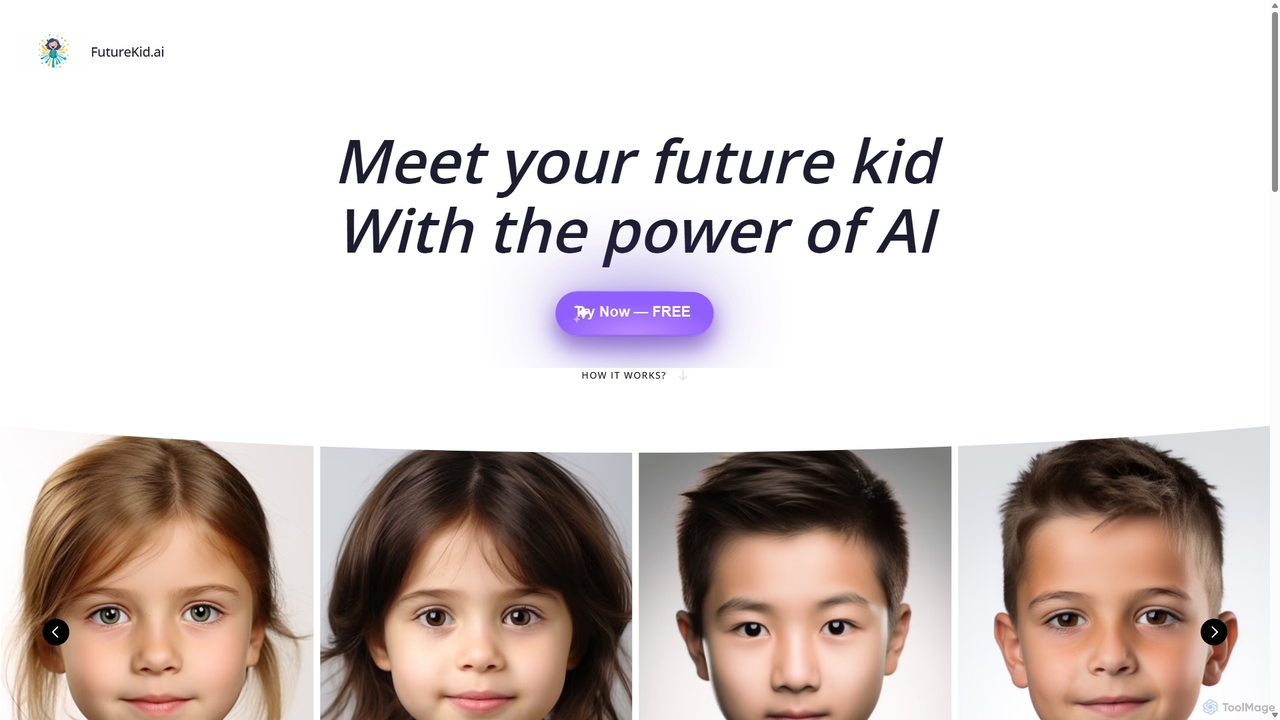
FutureKid is an AI-powered tool that predicts what your future child might look like. By uploading one photo of each parent, the AI generates 12 realistic, high-definition images, showing potential male and female children. The service is fast, private, and delivers results directly to your email within an hour, offering a fun and exciting glimpse into your future family.

Predictive
Visits 6.7KFavorites 147Likes 153

About Predictive

Predictive AI tools are a class of applications that use algorithms to generate entertaining or speculative forecasts about personal topics, creative concepts, or hypothetical events. These tools analyze user-provided inputs, such as text, images, or personal data, to produce amusing or thought-provoking outcomes. Their primary purpose is not scientific accuracy but to provide entertainment, spark curiosity, and offer a playful way to interact with AI technology. They stand out within the Fun Tools category by focusing on generating novel future possibilities rather than editing existing content.

Core Features

  • Input-Based Forecasting: Generates predictions based on user inputs like photos, text descriptions, or dates.
  • Thematic Generation: Focuses on specific, engaging themes such as future appearances, relationship compatibility, or creative story plots.
  • Visual Outcome Creation: Often produces an image or visual representation of the prediction, like a future baby's face or an aged portrait.
  • Shareable Results: Outputs are typically designed in a fun, visual format that is easy to share on social media platforms.

Use Cases

These tools are primarily used by individuals for personal entertainment, social media content creators looking for engaging post ideas, and writers or artists seeking a spark of inspiration. For example, a user might generate an image of their future self for a fun social media challenge, or a novelist could use a story predictor to brainstorm potential plot twists.

How to Choose

When selecting a predictive tool, consider the type of prediction you're interested in (e.g., visual, text-based, personality). Evaluate the tool's user interface for ease of use and check its data privacy policy to understand how your input is handled. Finally, look at user reviews to gauge the entertainment value and quality of the generated results.

Predictive use cases

1

Predicting a Future Baby's Appearance

An expecting couple uses a predictive AI tool for a fun glimpse into their future family. They each upload a clear portrait photo to the application. The AI analyzes key facial features from both parents, such as eye shape, nose structure, and face contour. Within moments, it generates several composite images suggesting what their child might look like. The couple finds the results amusing and shares their favorite prediction with family and friends on social media, sparking joyful conversations and speculation.

2

Generating a 'Future Self' Portrait for Social Media

A social media user wants to participate in a popular 'aging challenge' trend. They open a predictive AI tool and upload a recent selfie. The user selects the 'age progression' feature and chooses to see themselves in 30 years. The AI processes the image, applying realistic aging effects like wrinkles, changes in skin texture, and graying hair based on its training data. The result is a surprisingly convincing portrait of their older self. They post the before-and-after images to their profile, receiving numerous comments and reactions from followers.

3

Getting a Playful AI-Powered Dream Interpretation

After having a strange dream, a user is curious about its potential meaning. They access a predictive AI dream interpreter and type a description: 'I was flying over a city made of chocolate.' The AI, trained on a vast dataset of symbols, myths, and psychological concepts, analyzes the key elements. It generates an interpretation suggesting the dream could symbolize a desire for sweet indulgence and a new perspective on life. The interpretation is presented in a creative, non-clinical way, providing a fun and imaginative reflection rather than a serious diagnosis.

4

Brainstorming Plot Twists for a Fictional Story

A fantasy writer is experiencing writer's block while outlining their next novel. They use a predictive story generator, inputting the main character's profile: 'A young wizard who is afraid of their own magic.' The AI generates several potential future plot points, such as 'The wizard discovers their magic is actually a sentient entity,' or 'Their fear is a curse placed by a rival.' These predictions, while not definitive, provide fresh, unexpected angles that help the writer break through their creative block and explore new narrative paths for their story.

5

Discovering a Fun, AI-Generated Personality Profile

A user looking for a lighthearted distraction takes an AI-powered personality quiz. Instead of standard questions, the quiz asks them to choose between abstract images or short, poetic phrases. Based on their selections, the predictive AI analyzes patterns and generates a creative personality profile. It might describe them as a 'Nocturnal Philosopher' or a 'Kinetic Dreamer,' complete with a fun, speculative summary of their strengths and quirks. The user enjoys the unique and imaginative result, sharing it with friends to compare their own AI-generated profiles.

6

Generating a Fictional Pet for a Creative Project

A game designer is conceptualizing creatures for a new fantasy world. They use a predictive AI tool, inputting prompts like 'a cat mixed with a butterfly' and 'lives in a crystal forest.' The AI processes these concepts and generates not only a visual depiction of this 'Crystalwing Feline' but also a short, predicted description of its habits, diet, and magical abilities. This provides the designer with a strong, imaginative foundation, saving hours of initial brainstorming and allowing them to jump directly into refining the creature's design and lore.

Predictive FAQ

What are fun Predictive AI tools?

Fun Predictive AI tools are applications designed for entertainment that generate speculative outcomes based on user input. Unlike professional forecasting software, their goal is not accuracy but creativity and amusement. They use AI models to create playful predictions, such as what a future child might look like, how a story could unfold, or what your personality 'type' is based on creative prompts. They are part of the 'Fun Tools' category because their primary value lies in sparking joy, curiosity, and social sharing.

How do I choose a fun Predictive AI tool?

When choosing a fun predictive tool, consider these factors:

  • Prediction Type: Decide if you want visual predictions (like aging effects or baby faces), text-based outcomes (like story plots or personality profiles), or something else.
  • Ease of Use: Look for a tool with a simple, intuitive interface that doesn't require technical skills. The process of inputting data and getting a result should be quick and straightforward.
  • Entertainment Value: Check user reviews or examples to see if the results are genuinely creative, surprising, and fun. The quality and imagination of the output are key.
  • Privacy Policy: Since you might be uploading personal data like photos, review the tool's privacy policy to understand how your information is stored and used.
Are the predictions from these AI tools accurate?

No, the predictions from fun predictive AI tools are not scientifically accurate or factually reliable. They should be viewed as a form of digital entertainment, similar to a horoscope or a creative writing prompt. The AI generates plausible or amusing outcomes based on patterns in its data, not on a real understanding of the future or complex human traits. The primary purpose is to inspire imagination and provide a fun experience, not to deliver truthful forecasts. Always use these tools for amusement only.

What's the difference between fun Predictive AI and professional forecasting tools?

The primary difference lies in their purpose and data. Fun Predictive AI tools are built for entertainment. They use creative, often abstract data to generate imaginative and non-critical outcomes. Their success is measured by user enjoyment. In contrast, professional forecasting tools (used in finance, marketing, etc.) are built for decision-making. They rely on large, verified datasets and complex statistical models to predict quantifiable outcomes like sales figures or market trends. Their success is measured by their accuracy and impact on business strategy.

What kind of data do these Predictive tools need?

The required data varies depending on the tool's function. Common inputs include:

  • Images: For visual predictions like baby face generators or aging simulators, you'll typically need to upload clear photos of faces.
  • Text Prompts: For story generators or dream interpreters, you'll provide a written description of a character, scene, or dream.
  • Personal Information: Some tools, like AI horoscope or compatibility checkers, might ask for data like your birth date or name.
  • Quiz Answers: Personality predictors often work by having you respond to a series of questions or choose from various options.

It's always a good practice to be mindful of the data you share and to check the tool's privacy policy.