Fun Tools Best in category 5 results Random Generator AI Tool

Popular AI tools in the Random Generator field of Fun Tools include This Person Does Not Exist、realjapanesenamegenerator、randommoviegenerator、pleasureye、Random Animal Generator, etc., helping you quickly improve efficiency.

Free
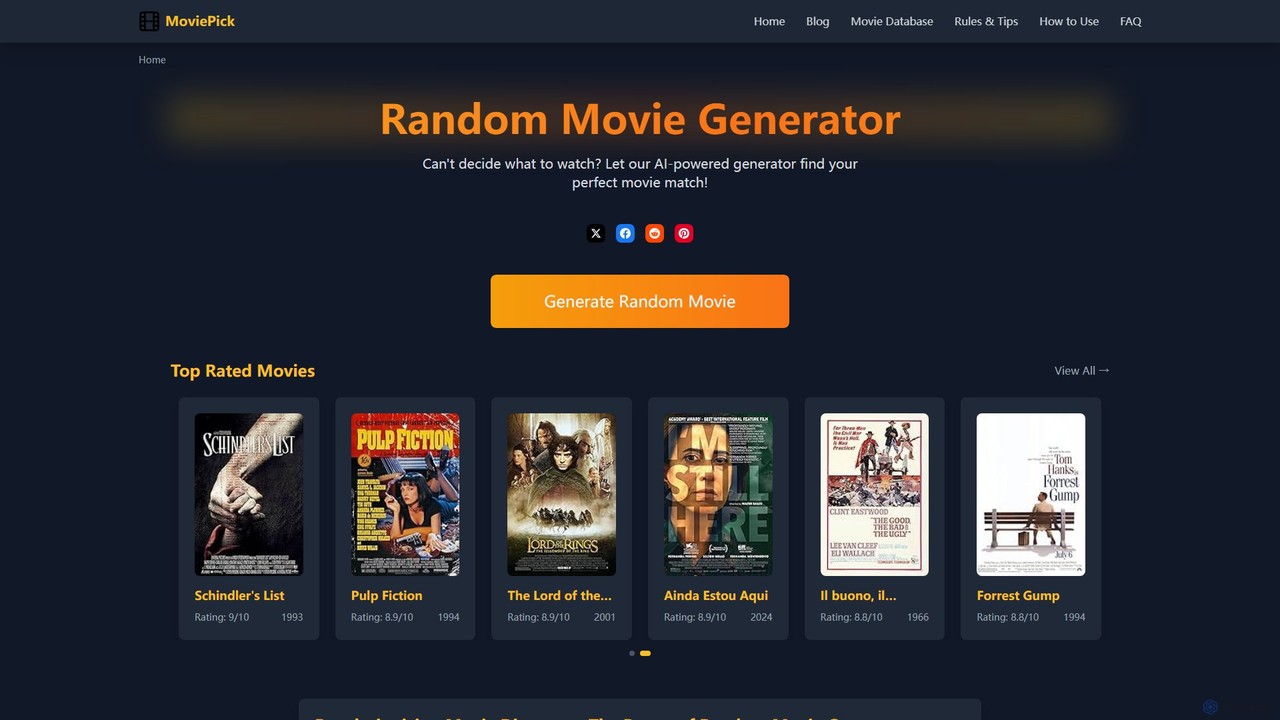
randommoviegenerator

randommoviegenerator

An AI-powered tool that provides random movie suggestions to help you instantly find your next film. Filter by …

3.0K
Free
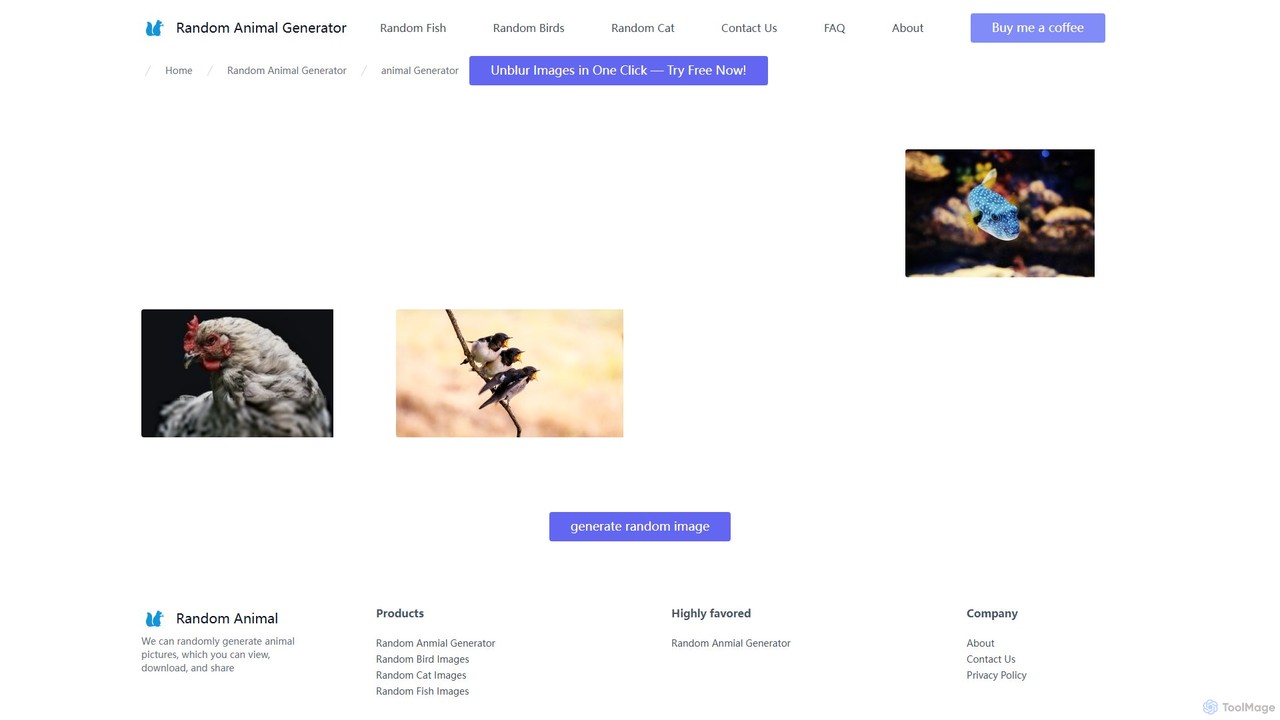
Random Animal Generator

Random Animal Generator

An intuitive online tool that instantly generates high-quality images of various animals, birds, and fish. Perfect for artists, …

2.1K
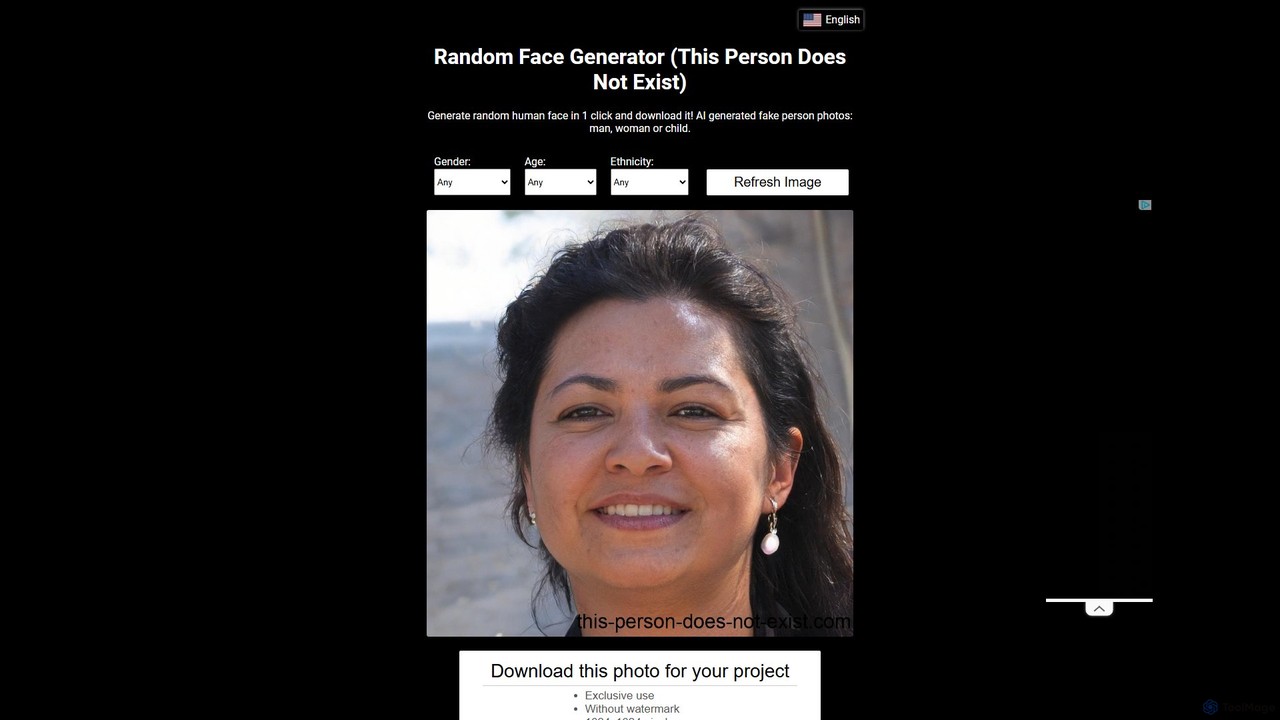
This Person Does Not Exist

This Person Does Not Exist

This Person Does Not Exist is an AI-powered tool that generates highly realistic, yet entirely fictional, human faces …

264.3K
Free
pleasureye

pleasureye

pleasureye is a powerful and free AI-driven platform offering a wide range of name and content generators. Instantly …

2.1K
Free
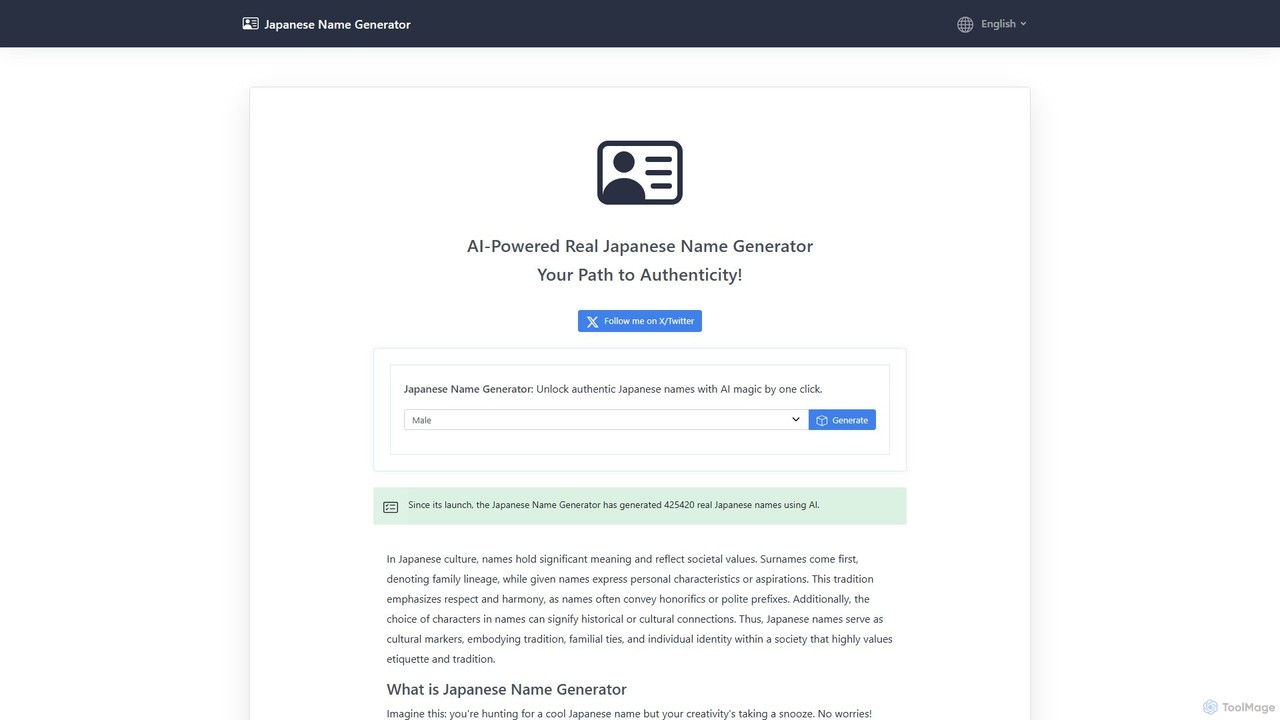
realjapanesenamegenerator

realjapanesenamegenerator

An AI-powered tool that generates authentic Japanese names with a single click. Select from male, female, or neutral …

3.5K

About Random Generator

Random Generators are AI-powered tools that produce unpredictable outputs based on specified parameters. These tools leverage algorithms to simulate true randomness or pseudo-randomness, offering a wide array of applications from creative content generation to data simulation. They provide a quick and efficient way to introduce variability and novelty into various tasks, making them valuable for designers, developers, and educators alike.

Core Features

  • Number & Sequence Generation: Create random numbers, dice rolls, or sequences within defined ranges.
  • List & Item Selection: Randomly pick items from a list, shuffle elements, or assign groups.
  • Prompt & Idea Generation: Generate random words, phrases, or creative prompts for various purposes.
  • Scenario & Event Simulation: Simulate random events or build unpredictable scenarios for games or testing.
  • Customization & Constraints: Define specific rules, weights, or exclusions for the random output.

Use Cases

Random generators are widely used in game development for creating diverse elements, in education for fair selection and quiz generation, and in creative fields to spark new ideas. They also serve data scientists for generating synthetic data and marketers for conducting impartial giveaways.

How to Choose

When selecting a random generator, consider the type of randomness needed (true vs. pseudo), the level of customization for parameters and constraints, the output format (text, numbers, lists), and whether it offers specific features like weighted selection or unique item generation. Ease of use and integration capabilities are also important factors.

Random GeneratorUse Cases

1

Generating Unique Game Elements

Game developers utilize random generators to create diverse and unpredictable elements within their games. This includes generating unique character names, item properties, quest objectives, or even entire level layouts. By introducing randomness, developers can enhance replayability and provide players with fresh experiences each time they play, fostering engagement and extending game longevity.

2

Facilitating Educational Activities

Educators and trainers employ random generators to create fair and engaging learning environments. This can involve randomly selecting students for participation, assigning groups for collaborative projects, or generating varied quiz questions to test comprehension. Such tools ensure impartiality and keep students alert, making classroom management more efficient and interactive.

3

Sparking Creative Writing Ideas

Content creators, writers, and artists often face creative blocks. Random generators can provide unexpected prompts, word combinations, or scenario starters to overcome this. By generating random plot twists, character traits, or settings, these tools help writers explore new directions, develop unique narratives, and maintain a steady flow of fresh ideas for their projects.

4

Simulating Data for Testing

Developers, data scientists, and QA engineers often require large, varied datasets for testing software, algorithms, or machine learning models. Random number and data generators can quickly create synthetic data that mimics real-world distributions or specific edge cases. This ensures robust testing without relying on sensitive real data, accelerating development cycles and improving product reliability.

5

Conducting Fair Giveaways and Lotteries

Marketers, event organizers, and community managers often need to select winners for contests, raffles, or giveaways in an impartial manner. Random selection tools ensure transparency and fairness by picking participants or numbers without bias. This builds trust with the audience and simplifies the process of managing promotions, making it a reliable solution for any prize distribution.

6

Creating Varied Design Prompts

Graphic designers, illustrators, and artists can use random generators to break out of creative ruts and explore new artistic directions. By generating random combinations of themes, styles, colors, or objects, these tools provide fresh prompts for design challenges, concept art, or daily drawing exercises. This encourages experimentation and helps artists develop a more diverse portfolio.

Random GeneratorFrequently Asked Questions