ToolMage
Sign in

Best 2 Educational AI tools for Games

Popular Educational AI tools in Games include LingoLooper and gitori, helping you work more efficiently.

gitori
Freemium

gitori

Gitori is a gamified learning platform for musicians. It uses interactive games, like the popular "Fretboard Fly," to help players master instruments such as the guitar. It focuses on essential skills like fretboard note recognition, scales, and intervals through a fun, addictive, and effective learning process.

Music
Visits 17.4KFavorites 131Likes 132
LingoLooper
Freemium

LingoLooper

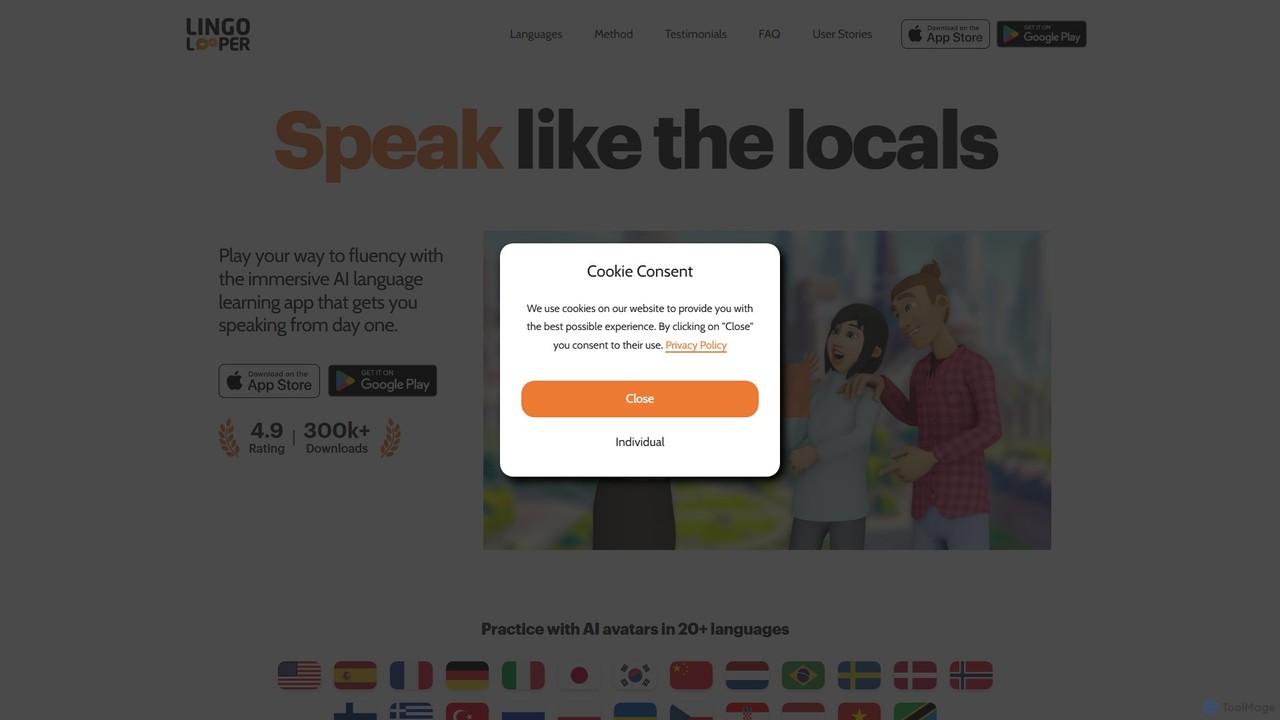
LingoLooper is an AI-powered language learning game for iOS and Android. It focuses on improving speaking skills through immersive, gamified conversations with lifelike AI avatars, providing real-time feedback and corrections to help you achieve fluency.

Language Learning
Visits 20.9KFavorites 102Likes 102

About Educational

Educational games are a type of game designed primarily to teach specific subjects or skills through interactive play. They utilize AI to create adaptive learning paths, personalized feedback, and engaging simulations that adjust to the user's performance. This approach transforms learning from a passive activity into a goal-oriented experience, effectively merging entertainment with education. Unlike traditional games, their success is measured by both player engagement and demonstrable educational outcomes.

Core Features

  • Adaptive Learning: The AI adjusts the game's difficulty and content in real-time based on the player's skill level and progress.
  • Personalized Feedback: Provides instant, specific guidance on mistakes and reinforces correct concepts to accelerate learning.
  • Gamified Curriculum: Integrates academic or professional subjects like math, language, or coding directly into the game's mechanics and narrative.
  • Skill Assessment & Analytics: Tracks and measures the user's knowledge acquisition and skill development, providing data for learners and educators.

Use Cases

Educational games are widely used in K-12 and higher education to supplement traditional teaching methods for subjects like mathematics and science. In the corporate world, they are used for employee onboarding, compliance training, and professional skill development. They are also popular among individual learners for language acquisition, coding practice, and cognitive training.

How to Choose

When selecting an educational game, first verify that its learning objectives align with your specific goals. Assess the age appropriateness of the content and the complexity of the gameplay. Examine the quality of the AI-driven feedback mechanism—it should be constructive and clear. Finally, evaluate the balance between entertainment and education to ensure the game remains engaging without sacrificing its core learning purpose.

Featured tool rankings

Educational use cases

1

Interactive Language Skill Practice

A language learner uses an AI educational game to practice Spanish conversation. The game presents realistic scenarios, like ordering food at a restaurant. The AI analyzes the user's spoken responses for pronunciation and grammar, providing instant, targeted feedback. As the learner improves, the game introduces more complex vocabulary and conversational challenges, making practice more effective and engaging than traditional flashcards.

2

Gamified Math Problem Solving for Kids

A middle school student struggling with algebra plays an adventure game where solving equations correctly helps their character defeat monsters. The AI detects when the student makes a recurring error, such as mishandling negative numbers. It then generates a specific mini-game or tutorial focused solely on that concept. This personalized intervention helps the student master difficult topics in a low-stress, highly engaging environment.

3

Corporate Training Through Workplace Simulations

A new sales employee uses a simulation game to practice handling difficult customer conversations. The game features AI-powered characters that react realistically to the employee's dialogue choices. The system provides feedback on their negotiation tactics, empathy, and adherence to company policy. This allows for safe, repeatable practice of critical soft skills before interacting with real customers, improving confidence and performance.

4

Learning to Code with Puzzle-Based Games

A beginner programmer learns Python fundamentals by playing a game where they write simple code snippets to navigate a character through puzzles. The game's AI provides real-time syntax checking and hints when the player gets stuck. It visualizes abstract concepts like loops and data structures, making them easier to grasp. The difficulty scales automatically, introducing new programming concepts only after the current ones are mastered.

5

Medical Training with Virtual Reality Simulations

A medical student uses a VR educational game to practice a complex surgical procedure. The AI-driven simulation provides realistic anatomical models and haptic feedback, mimicking the feel of real tissue. The system tracks the student's movements for precision and efficiency, highlighting critical errors in real-time. This allows for unlimited, risk-free practice, significantly shortening the learning curve for delicate manual skills.

6

Cognitive Skill Enhancement Through Brain Training

An adult uses an AI-powered educational game to improve cognitive functions like memory and logical reasoning. The app presents a daily regimen of varied puzzles and challenges. The AI analyzes performance patterns, such as response time and accuracy, to identify cognitive strengths and weaknesses. It then dynamically adjusts the difficulty and type of subsequent exercises to create a personalized training program that effectively targets areas for improvement.

Educational FAQ

What are AI Educational Games?

AI Educational Games are interactive applications that use game mechanics and artificial intelligence to teach specific knowledge or skills. Unlike traditional games focused purely on entertainment, their primary goal is to facilitate learning. AI is used to create adaptive challenges, provide personalized feedback, and track a user's progress to tailor the learning experience.

How to choose the right AI Educational Game?

When choosing, consider these key factors:

  • Learning Goals: Ensure the game's curriculum aligns with your specific educational objectives.
  • Target Audience: Check if the content, style, and difficulty are appropriate for the learner's age and skill level.
  • AI Adaptivity: A good educational game should adjust its difficulty and content based on the user's performance.
  • Feedback Quality: Look for tools that provide clear, constructive, and immediate feedback to guide the learning process.
What's the difference between Educational Games and regular Games?

The primary difference is their core purpose. Regular games are designed mainly for entertainment and engagement. Educational games, while also aiming to be engaging, have a structured learning objective as their foundation. Their success is measured not just by player enjoyment but by the acquisition of knowledge or skills. AI in educational games focuses on personalizing learning, while in regular games it's often used to create challenging opponents or dynamic environments.

What are the key features of AI Educational Games?

Key features often include:

  • Adaptive Difficulty: The game gets harder or easier based on the player's performance to maintain optimal challenge.
  • Personalized Learning Paths: The AI tailors the sequence of topics and challenges to individual needs and learning styles.
  • Intelligent Feedback Systems: Provides specific, actionable guidance on errors rather than just a pass/fail result.
  • Performance Analytics: Tracks progress and identifies areas needing improvement for both the learner and an overseeing educator.
Who can benefit from using AI Educational Games?

A wide range of users can benefit. This includes K-12 students learning core subjects, university students using complex simulations, professionals undergoing corporate training or learning new skills like coding, and individuals of all ages looking to learn a new language or improve cognitive abilities in an engaging way.