Best of the Year 10 results Generative Art AI Tools

Popular AI tools in the Generative Art field include YouArt、Nano Banana、MindPic、aibabygenerator、Story Diffusion、iclight、ColorCraft、Co-Producer、AI Loft、Nail Design Hub, etc., helping you quickly improve efficiency.

ColorCraft

ColorCraft

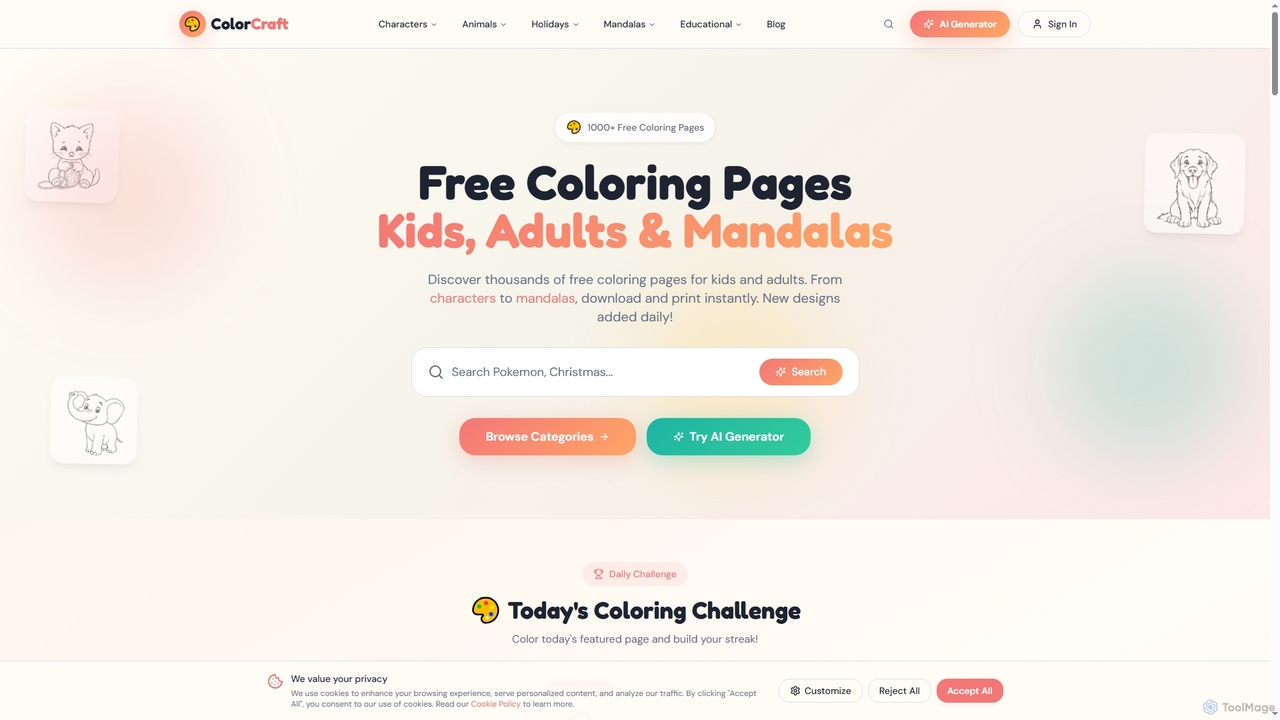
ColorCraft is a versatile online platform offering thousands of free, printable coloring pages for all ages, from kids …

2.5K
Free
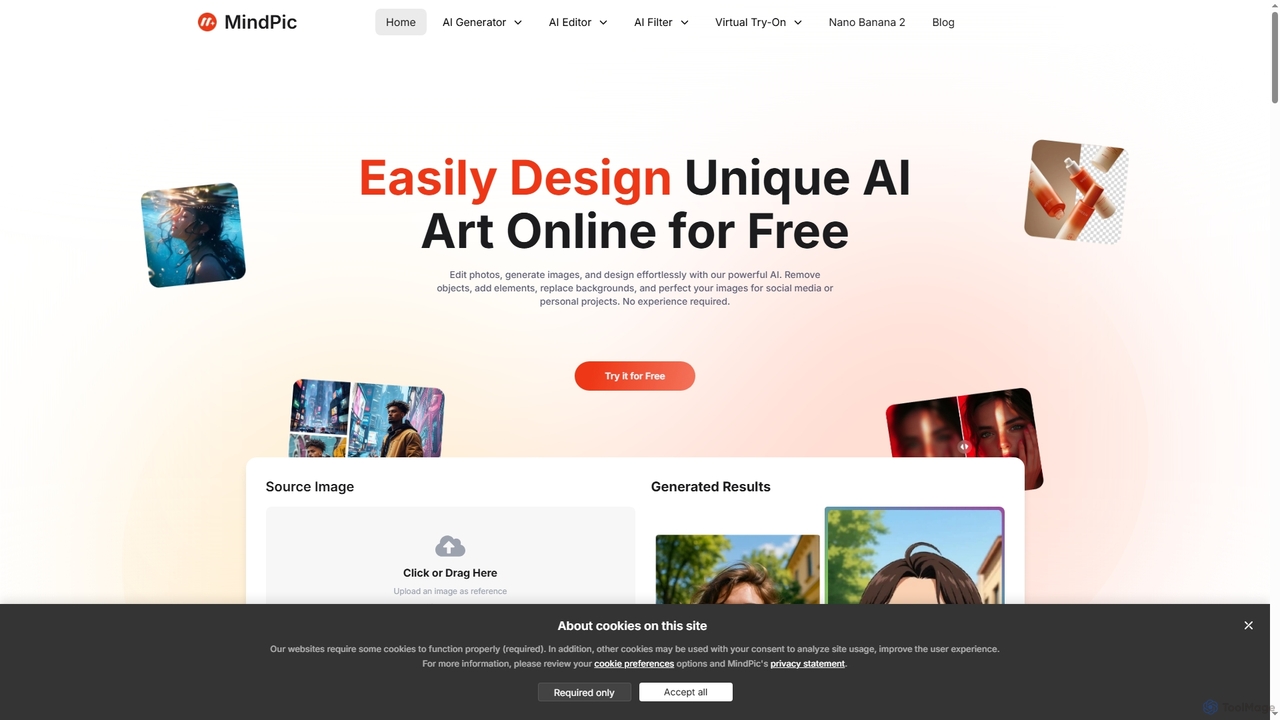
MindPic

MindPic

MindPic is a free online AI photo editor and design tool that empowers users to effortlessly enhance, transform, …

21.3K
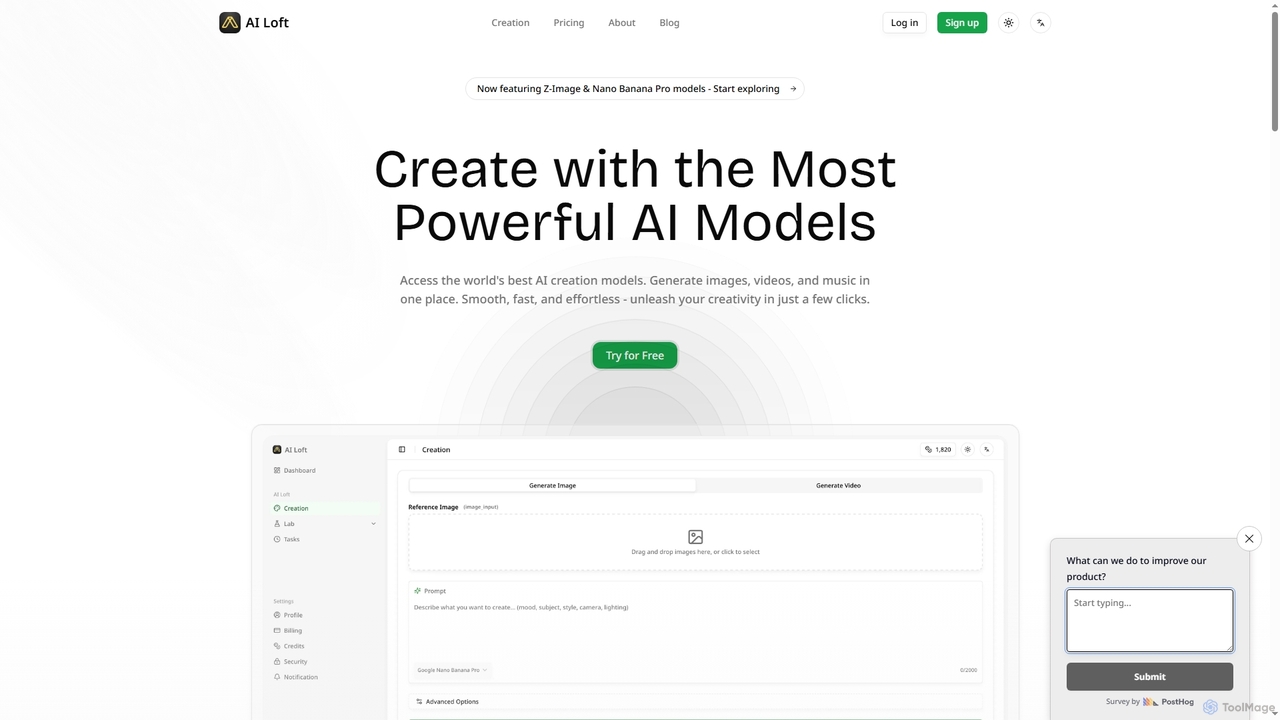
AI Loft

AI Loft

AI Loft is a multimodal AI creation platform designed for creators and visual artists. It enables users to …

2.5K
YouArt

YouArt

YouArt is an AI design studio that transforms ideas into stunning visuals using advanced AI image and video …

147.9K
Nano Banana

Nano Banana

Nano Banana is an AI-powered image editor driven by natural language prompts, utilizing Gemini 2.5 Flash Image technology. …

81.6K
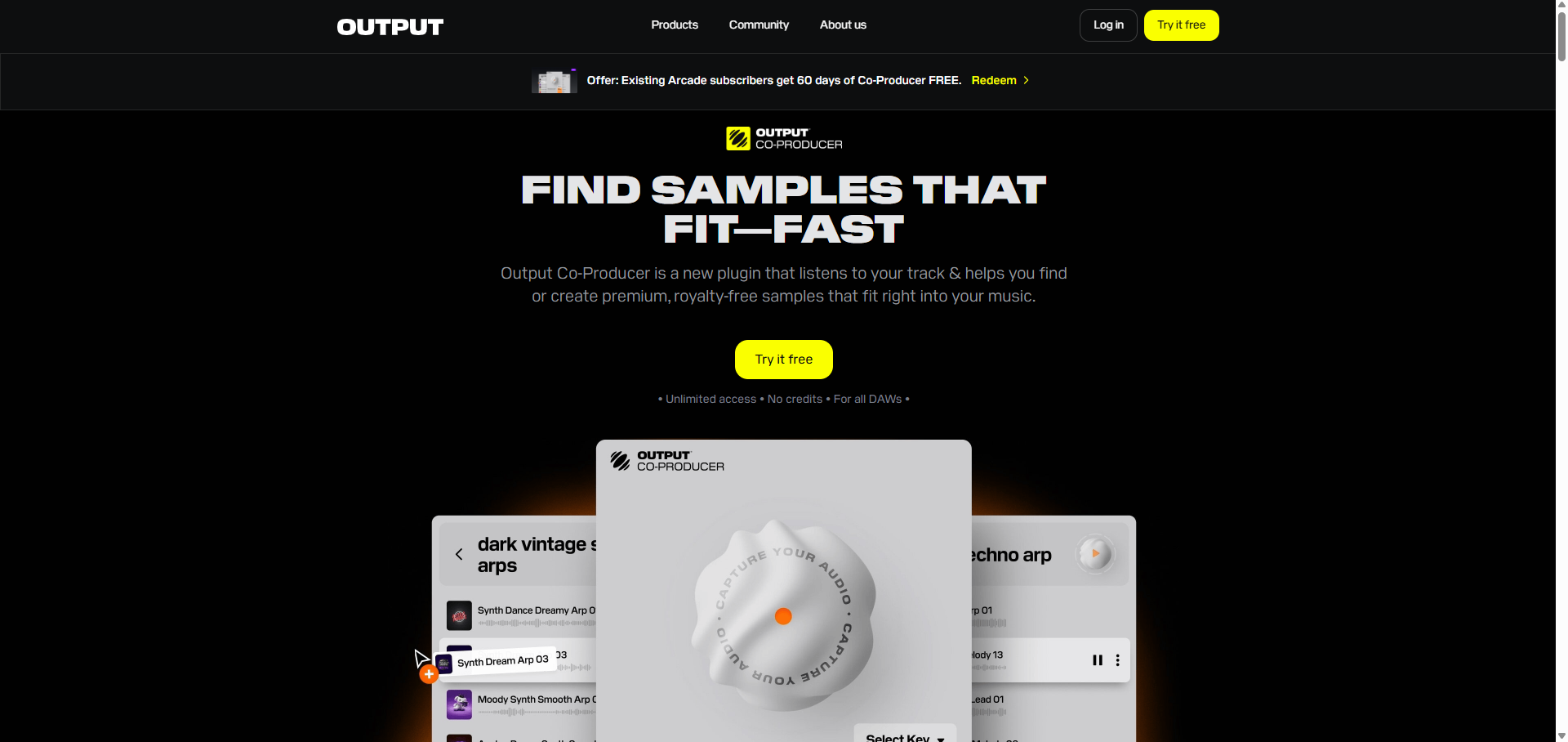
Co-Producer

Co-Producer

Co-Producer by Output is an AI-powered music creation assistant designed to accelerate the production workflow. It helps producers …

2.5K
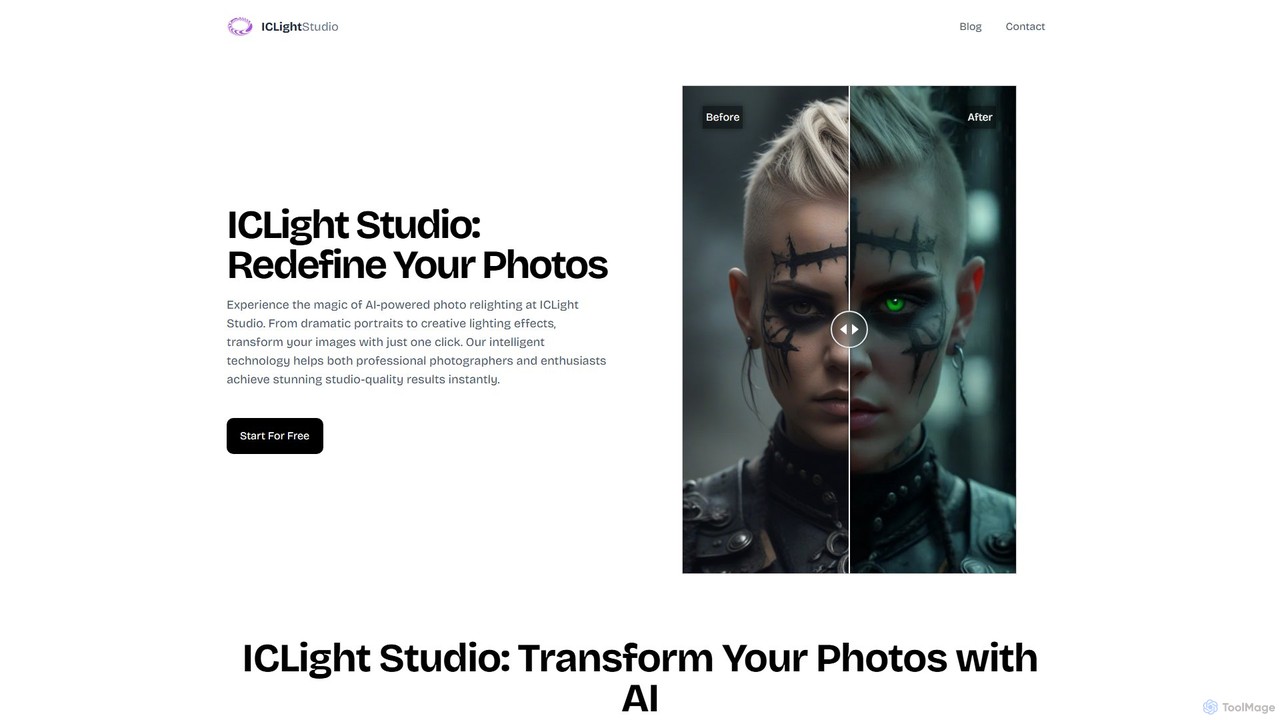
iclight

iclight

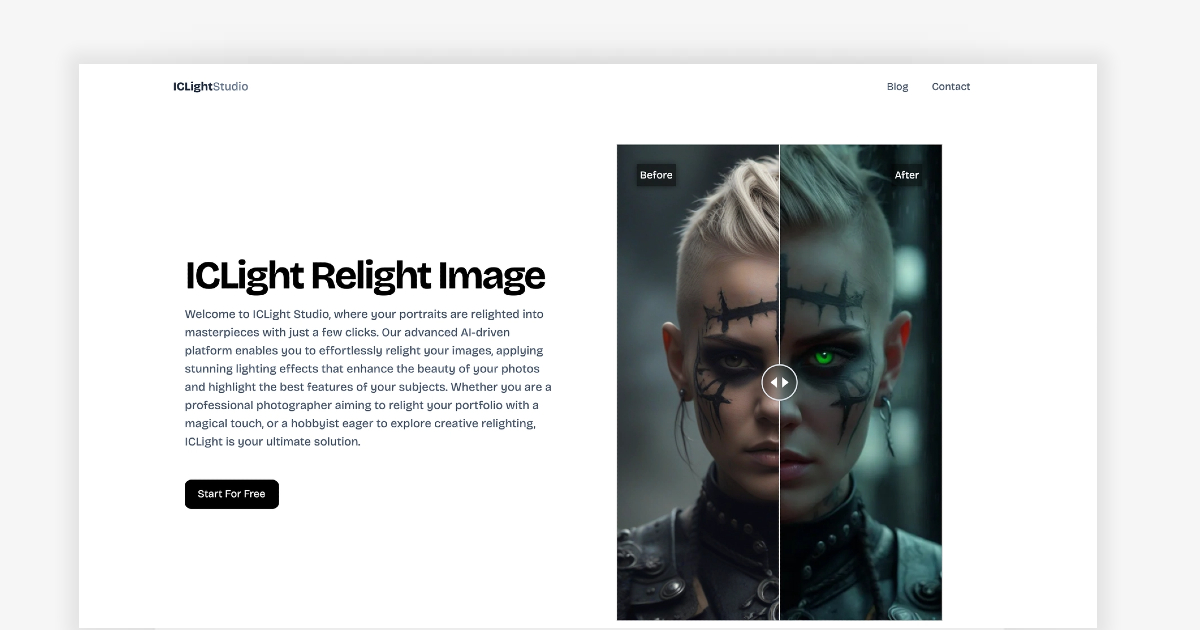
iclight is an AI-powered photo relighting tool that transforms your images with studio-quality lighting effects. Using simple text …

2.9K
Free
Story Diffusion

Story Diffusion

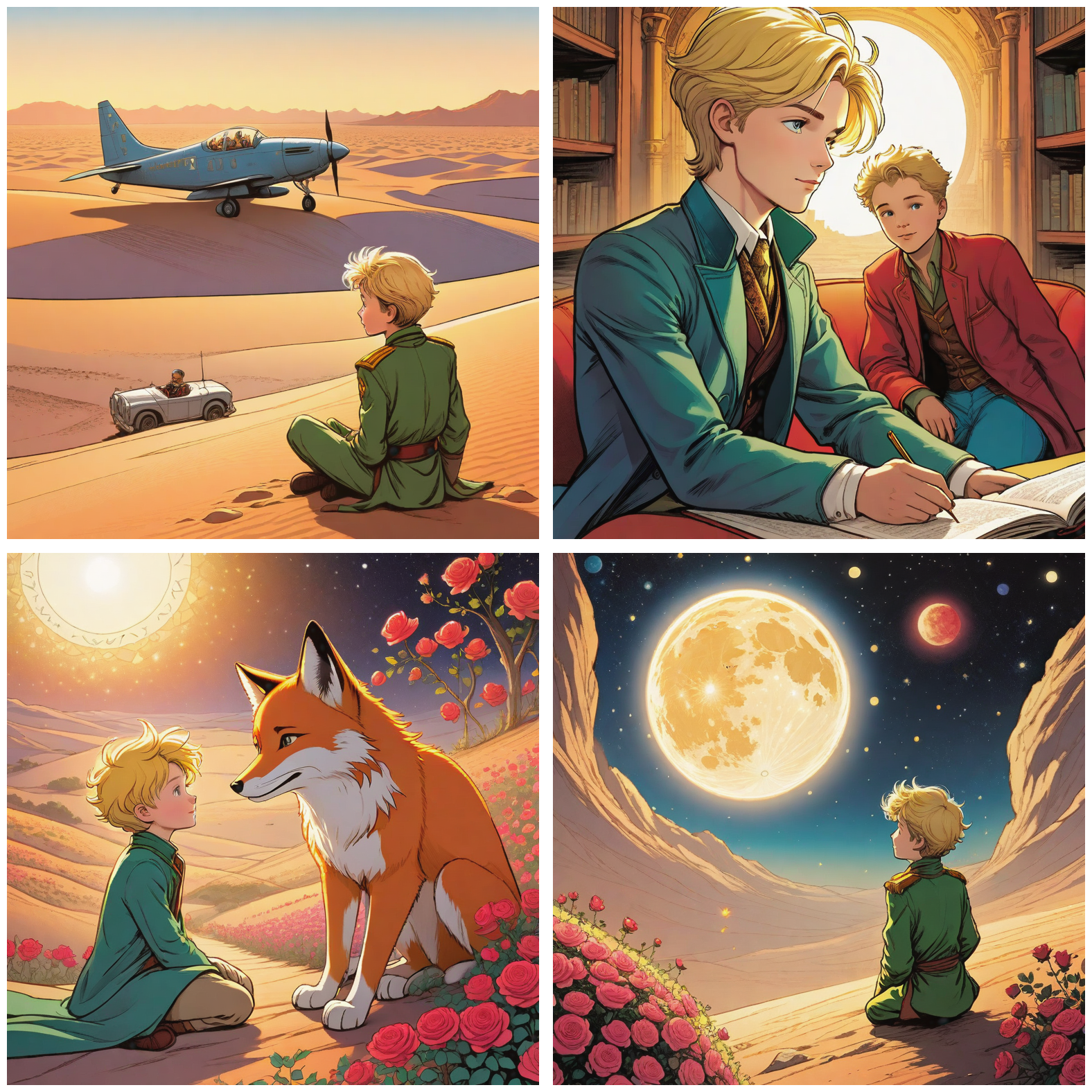
Story Diffusion is an AI-powered tool for generating long-range, consistent visual stories from text prompts. It excels at …

4.7K
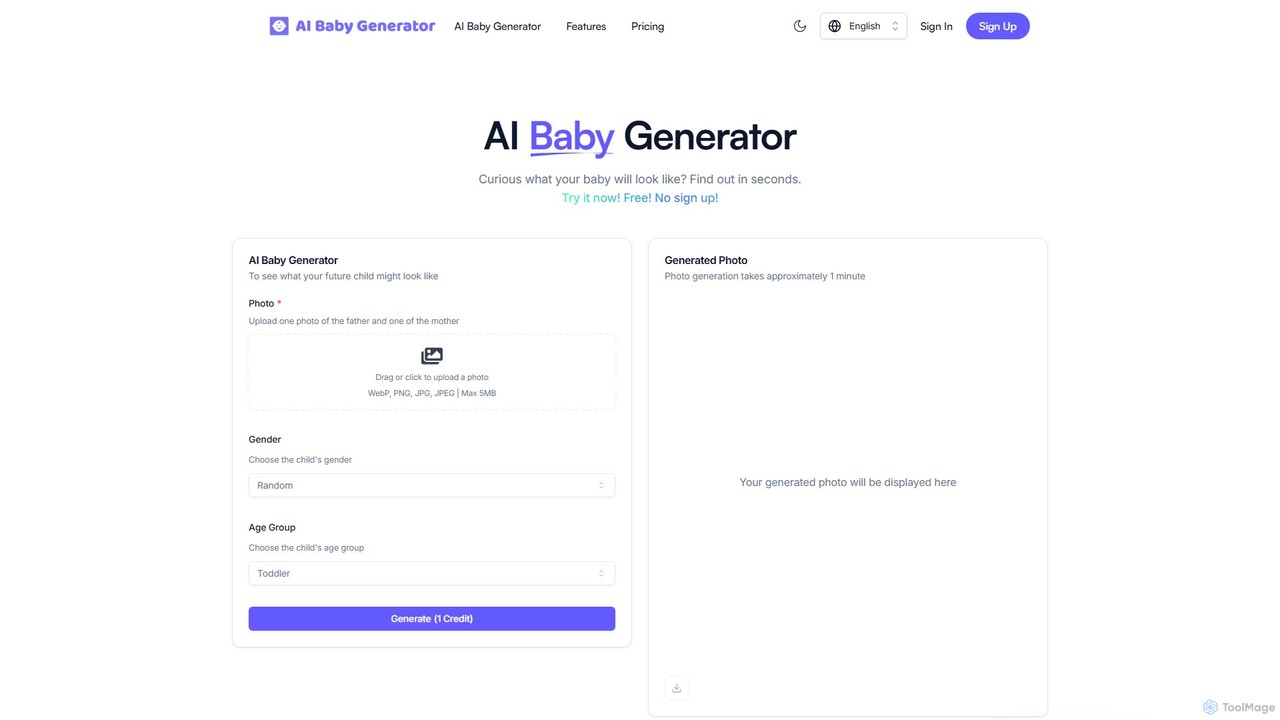
aibabygenerator

aibabygenerator

An AI-powered tool that generates ultra-realistic images of your future baby by combining photos of two parents. It …

14.5K
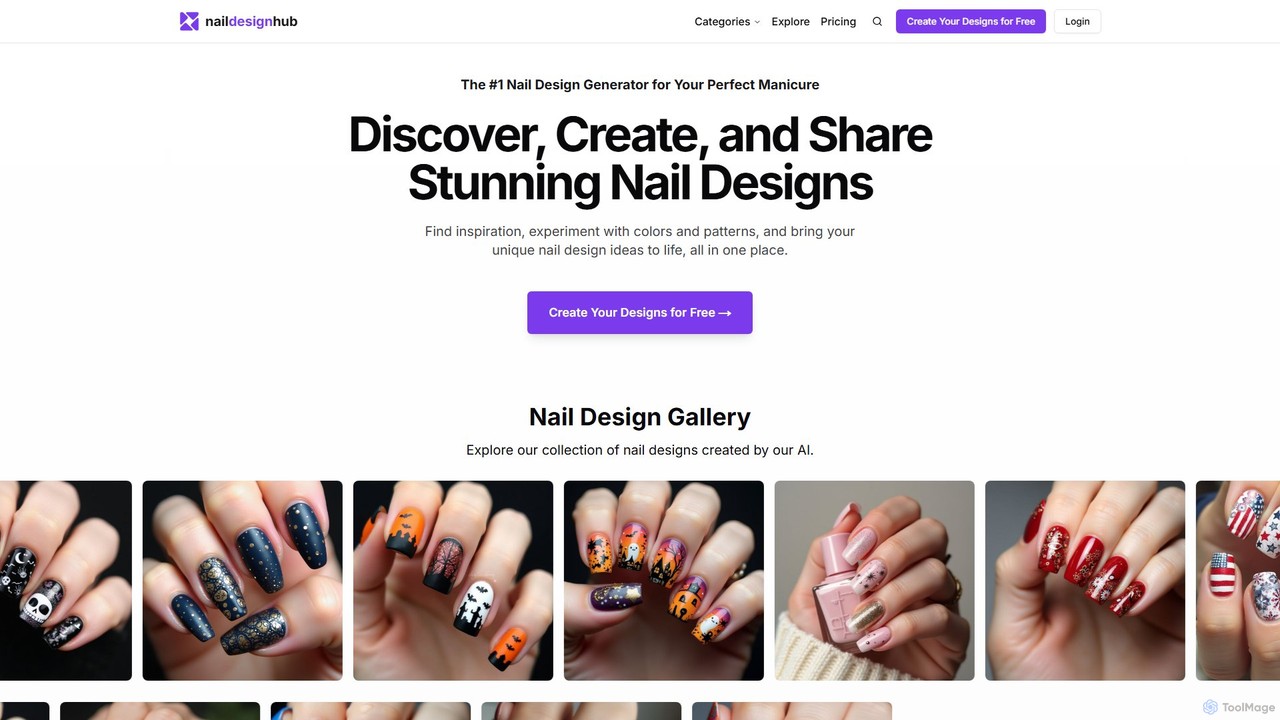
Nail Design Hub

Nail Design Hub

Nail Design Hub is an AI-powered platform for discovering, creating, and sharing unique nail art. Simply describe your …

2.4K

About Generative Art

Generative Art tools are AI-powered platforms that create unique artistic content through algorithms and computational processes. These tools leverage machine learning models to interpret parameters, styles, and inputs, producing novel visual, audio, or textual artworks. They empower artists, designers, and creators to explore new aesthetic possibilities, automate repetitive tasks, and generate diverse creative outputs with unprecedented speed and scale.

Core Features

  • Algorithmic Composition: Automatically generates art based on predefined rules, patterns, or learned styles.
  • Parameter Control: Allows users to adjust variables like color palettes, textures, forms, and complexity to guide the generation process.
  • Style Transfer & Blending: Applies the artistic style from one image to another or combines elements from multiple sources.
  • Real-time Interaction: Enables dynamic creation where outputs evolve in response to user input or environmental data.
  • High-Resolution Output: Produces print-ready or production-quality images, videos, or audio files.

Use Cases

Generative Art tools are widely adopted in various creative fields. Game developers use them for rapid concept art generation and unique asset creation, while graphic designers leverage them for abstract backgrounds and pattern design. Musicians explore algorithmic composition for experimental soundscapes, and marketers create personalized visual content for campaigns, pushing the boundaries of traditional creative workflows.

How to Choose

When selecting Generative Art tools, consider the desired output medium (visual, audio, text), the level of control required over the generation process, and the complexity of the algorithms. Evaluate the quality and resolution of the generated content, the ease of integration with existing creative software, and the pricing model. User interface intuitiveness and community support are also crucial for a smooth creative experience.

Generative ArtUse Cases

1

Designing Game Environment Concept Art

Game artists can utilize Generative Art tools to rapidly produce a multitude of environment concepts. By inputting textual descriptions or reference images, the AI generates diverse landscapes, architectural styles, and atmospheric conditions, significantly accelerating the initial ideation phase. This allows for quick iteration and exploration of visual themes before committing to detailed asset creation, saving considerable time and resources in game development.

2

Creating Unique Digital Fashion Patterns

Fashion designers can employ Generative Art to develop innovative and exclusive fabric patterns or garment textures. The tools can generate intricate, non-repeating designs based on specific aesthetic parameters, color schemes, or even historical art movements. This capability provides an endless source of fresh inspiration, enabling designers to differentiate their collections and explore avant-garde aesthetics without manual drawing limitations.

3

Generating Abstract Backgrounds for Websites

Web designers and content creators frequently need unique, non-distracting backgrounds for websites, presentations, or social media. Generative Art tools can produce an infinite variety of abstract, organic, or geometric patterns and gradients. Users can specify color palettes and complexity levels, ensuring the generated visuals align perfectly with brand aesthetics and enhance user experience without relying on stock imagery.

4

Composing Experimental Music and Soundscapes

Musicians and sound artists can use Generative Art tools, specifically those focused on audio, to compose experimental pieces or ambient soundscapes. By defining parameters such as tempo, instrumentation, melodic structures, or emotional tone, the AI can generate unique musical sequences or evolving sonic textures. This opens up new avenues for creative expression, allowing for the exploration of complex auditory patterns beyond traditional composition methods.

5

Developing Dynamic Visuals for Live Performances

VJs and performance artists can leverage Generative Art to create real-time, reactive visual projections for concerts, theatrical productions, or art installations. These tools can generate constantly evolving patterns, animations, and effects that respond to live audio input, audience interaction, or performer movements. This creates an immersive and unique sensory experience, making each performance distinct and engaging.

6

Crafting Personalized Digital Art for NFTs

Digital artists and collectors can use Generative Art tools to create unique, one-of-a-kind digital artworks for Non-Fungible Tokens (NFTs). By setting a base style or theme and varying specific attributes like colors, shapes, or elements, the AI can produce a collection of distinct pieces. This allows for the efficient creation of large, diverse NFT collections, each with its own unique characteristics, appealing to the burgeoning digital art market.

Generative ArtFrequently Asked Questions