Healee
Healee is an AI-powered, white-label patient access solution designed for healthcare providers. It optimizes clinic operations by integrating …
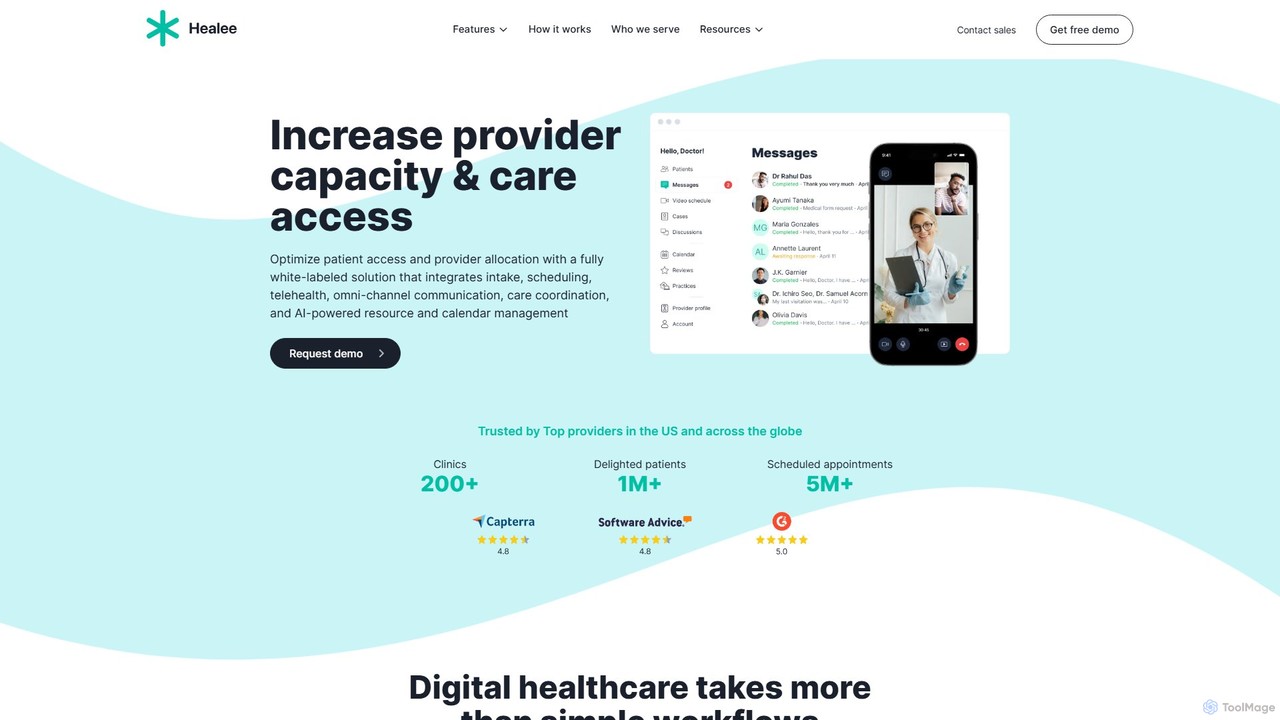
Healee is an AI-powered, white-label patient access solution designed for healthcare providers. It optimizes clinic operations by integrating smart patient intake, AI-driven scheduling, omni-channel telehealth, and care coordination into a single platform. By predicting patient demand and automating resource allocation, Healee helps increase provider capacity, reduce administrative costs, and enhance the overall patient experience, all under your own brand.
Carepatron
Carepatron is an all-in-one, AI-powered practice management software designed for healthcare clinicians. Trusted by over 50,000 practitioners, it …
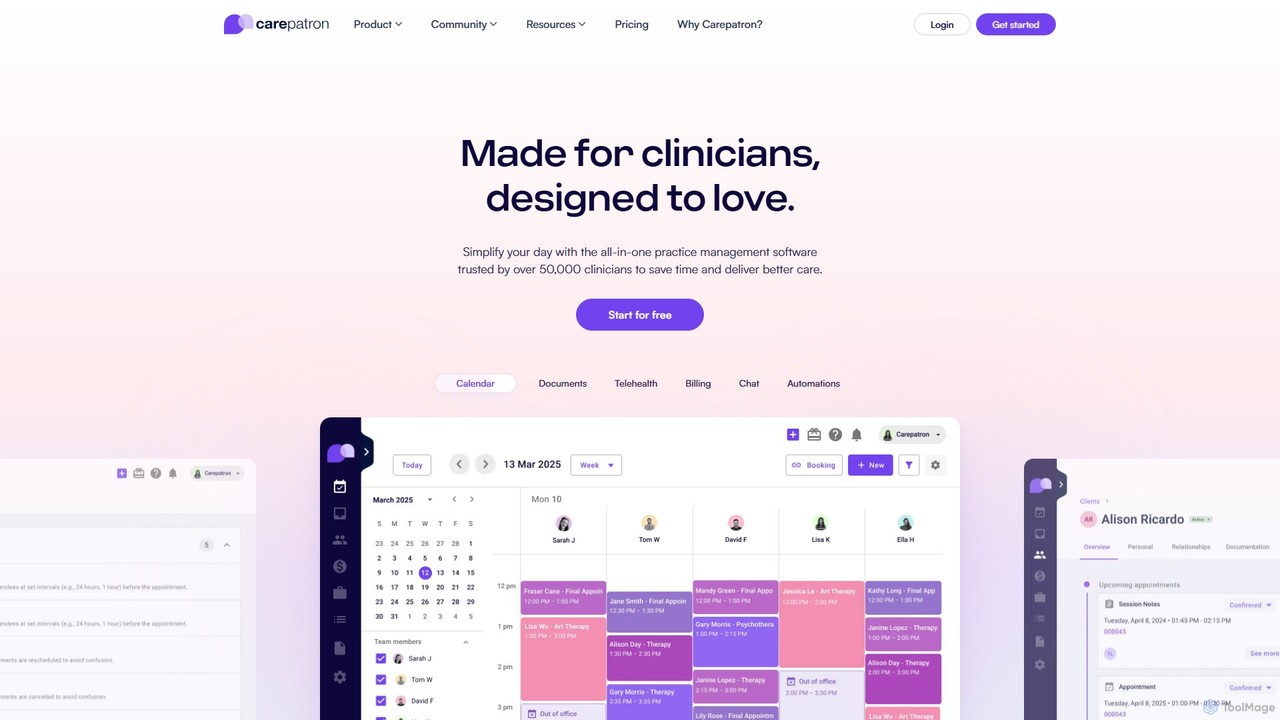
Carepatron is an all-in-one, AI-powered practice management software designed for healthcare clinicians. Trusted by over 50,000 practitioners, it simplifies daily workflows with tools for scheduling, telehealth, billing, clinical documentation, and secure client communication. By automating administrative tasks and centralizing patient information, Carepatron helps clinicians save time, reduce administrative burden, and deliver better, more collaborative patient care. Its modern, intuitive interface makes it a preferred choice for various health and wellness professionals.
Clearstep
Clearstep is an AI-powered healthcare platform providing conversational AI assistants for the entire patient journey. It offers virtual …
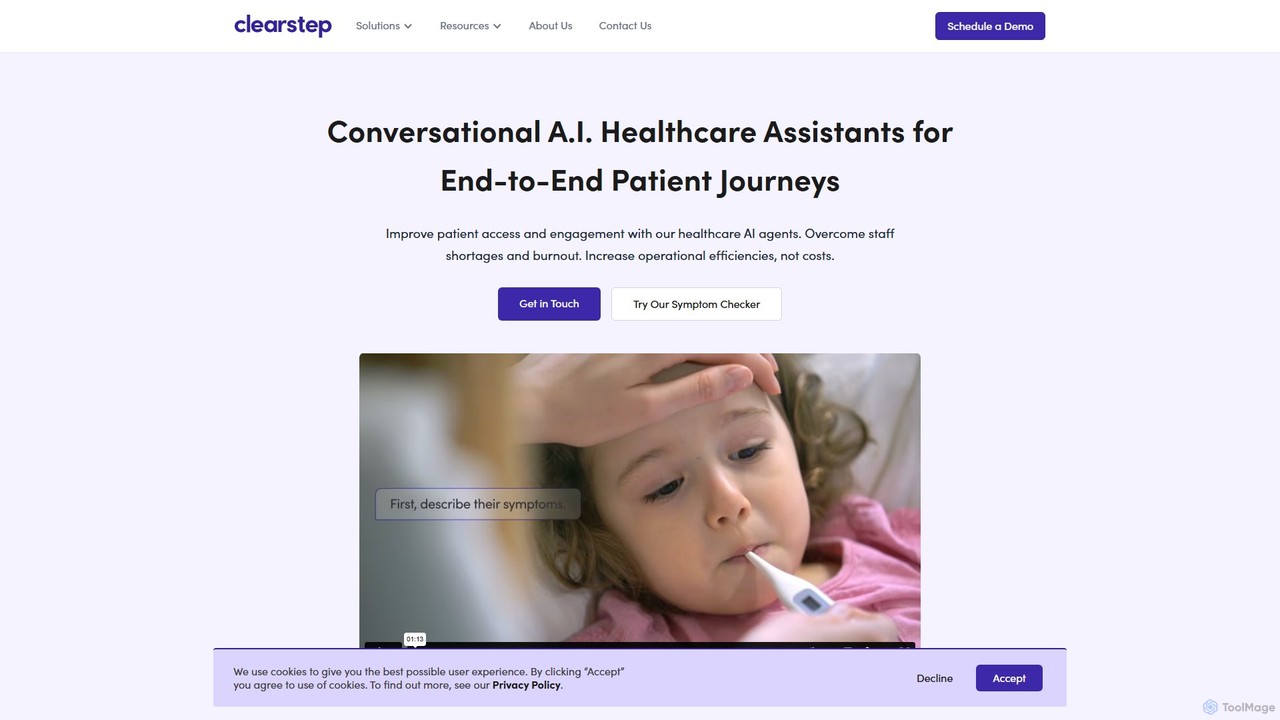
Clearstep is an AI-powered healthcare platform providing conversational AI assistants for the entire patient journey. It offers virtual triage, care navigation, and capacity optimization to help healthcare organizations improve patient access, enhance operational efficiency, and reduce staff burnout. Trusted by leading health systems, Clearstep guides patients to the right care at the right time.
About Telemedicine
Telemedicine tools are AI-powered solutions that enable the remote delivery of healthcare services, bridging geographical gaps and enhancing accessibility. These platforms leverage artificial intelligence for tasks like symptom analysis, personalized treatment recommendations, and efficient patient triage. They facilitate virtual consultations, remote patient monitoring, and digital diagnostics, significantly improving patient engagement and clinical workflows within the broader healthcare sector.
Core Features
- Virtual Consultations: Secure video and audio calls for remote doctor-patient interactions, including AI-driven pre-consultation assessments.
- Remote Patient Monitoring (RPM): AI-analyzed data from wearable devices and sensors to track vital signs and health metrics, alerting clinicians to anomalies.
- AI-powered Diagnostics Support: Assisting clinicians with preliminary diagnoses by analyzing patient data, medical images, and symptoms.
- Digital Prescription & Referrals: Streamlined electronic prescribing and referral systems integrated with AI for dosage checks and drug interaction warnings.
- Personalized Health Management: AI-driven insights for patients on chronic disease management, medication adherence, and lifestyle adjustments.
Use Cases
Telemedicine tools are vital for healthcare providers to extend their reach beyond traditional clinics, serving patients in rural areas or those with mobility issues. They are also used by chronic disease management programs to continuously monitor patient health and intervene proactively.
How to Choose
When selecting a telemedicine platform, consider its compliance with healthcare regulations (e.g., HIPAA, GDPR), the breadth of its AI-powered features (e.g., diagnostic support, RPM capabilities), integration with existing EHR systems, and user-friendliness for both patients and clinicians. Scalability and robust security protocols are also crucial.
TelemedicineUse Cases
Conducting Virtual Consultations for General Practice
General practitioners can use telemedicine platforms to conduct secure video consultations with patients for routine check-ups, minor ailments, or follow-up appointments. AI assists by pre-screening patient symptoms and providing relevant medical history summaries, allowing doctors to focus on diagnosis and treatment, reducing clinic wait times and improving patient access.
Remote Monitoring of Chronic Disease Patients
Healthcare providers manage patients with chronic conditions like diabetes or hypertension by deploying remote patient monitoring (RPM) devices. Telemedicine tools collect and analyze data from these devices, using AI to detect trends or critical changes in vital signs, automatically alerting nurses or doctors for timely intervention and preventing hospital readmissions.
Delivering Specialist Care to Rural Areas
Specialists in fields like dermatology or psychiatry can offer their expertise to patients in remote or underserved regions without requiring physical travel. Through high-definition video consultations and secure sharing of medical images or patient records, telemedicine breaks down geographical barriers, ensuring equitable access to specialized medical advice.
AI-Assisted Triage and Symptom Assessment
Patients can use AI-powered telemedicine applications to input their symptoms and receive an initial assessment or recommendation for the appropriate level of care. This helps in triaging patients effectively, guiding them to self-care, a virtual consultation, or an emergency visit, thereby optimizing healthcare resource allocation.
Post-Operative Care and Rehabilitation Monitoring
After surgery or during rehabilitation, patients can receive continuous support and monitoring from their homes. Telemedicine platforms facilitate virtual follow-up appointments, allow patients to report progress or concerns, and enable therapists to guide exercises remotely, ensuring adherence to recovery plans and early detection of complications.
Mental Health Support and Counseling via Video
Mental health professionals utilize telemedicine for secure and confidential video counseling sessions, making therapy more accessible and convenient for individuals facing geographical constraints, busy schedules, or social anxieties. AI tools can assist in tracking patient mood patterns and suggesting relevant therapeutic resources between sessions.