Voxket
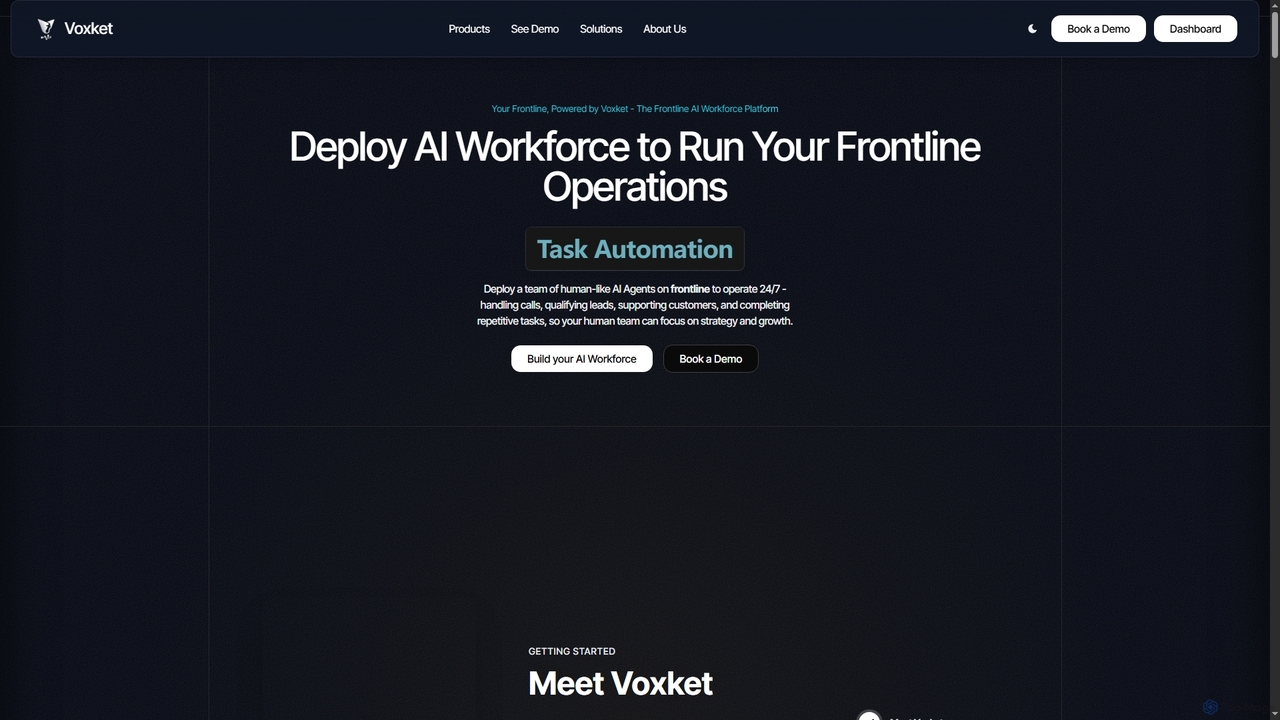
Voxket is a frontline AI workforce platform that enables businesses to deploy human-like AI agents for 24/7 operations. …
Voxket is a frontline AI workforce platform that enables businesses to deploy human-like AI agents for 24/7 operations. It automates customer support, lead qualification, and repetitive tasks across voice, chat, IVR, and video, allowing human teams to focus on strategic growth.
Oatmeal Health
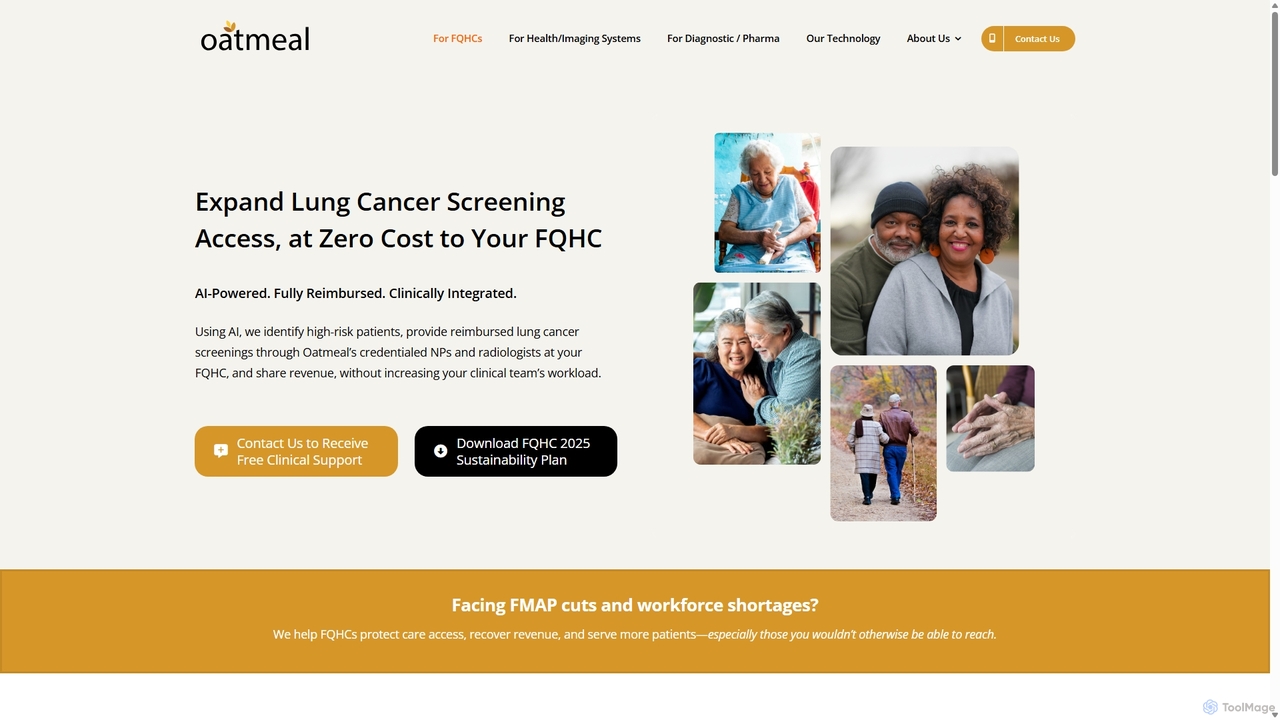
Oatmeal Health is an AI-powered cancer screening platform designed for Federally Qualified Health Centers (FQHCs). It provides a …
Oatmeal Health is an AI-powered cancer screening platform designed for Federally Qualified Health Centers (FQHCs). It provides a zero-cost solution to identify high-risk patients for lung cancer, manage screening processes with virtual care teams, and generate new revenue streams for clinics through a shared reimbursement model, all while improving patient outcomes and health equity.
Puppeteer AI
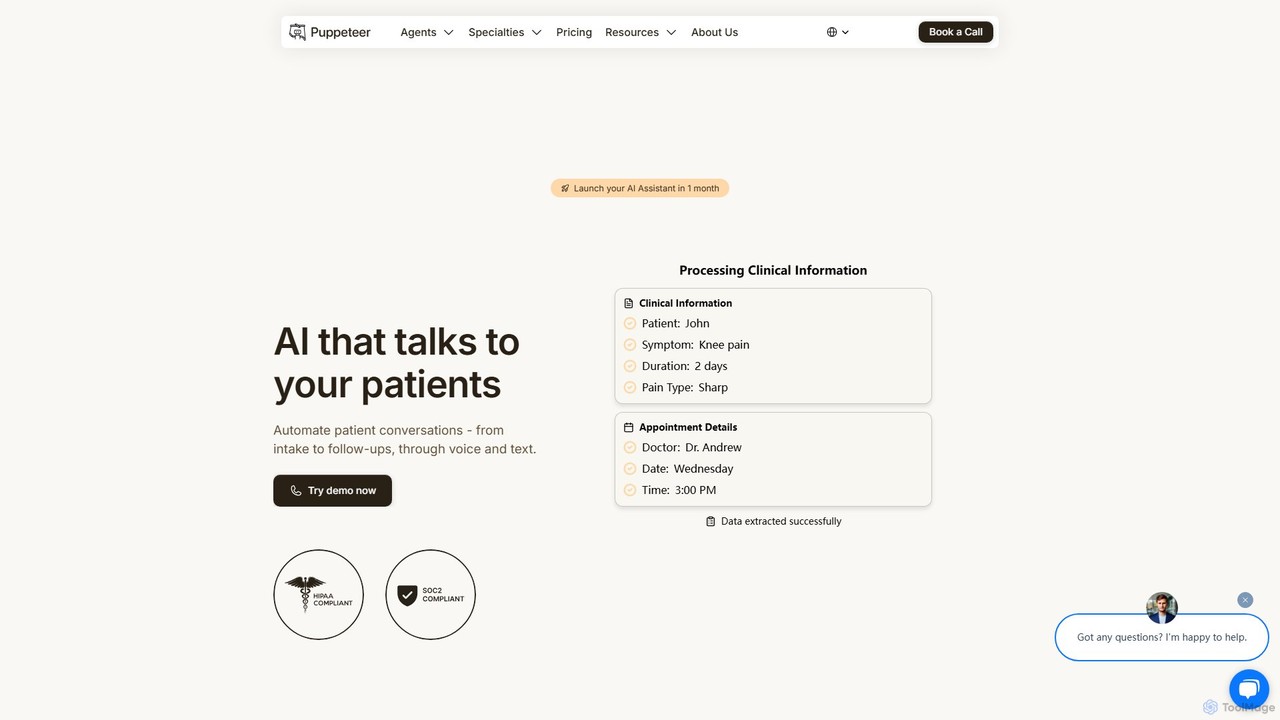
Puppeteer AI provides HIPAA-compliant AI agents for healthcare, designed to automate patient conversations. It handles tasks like patient …
Puppeteer AI provides HIPAA-compliant AI agents for healthcare, designed to automate patient conversations. It handles tasks like patient intake, scheduling, follow-ups, and billing via voice and text, integrating seamlessly with your existing EHR systems to enhance efficiency and patient engagement.
akidolabs
Akido Labs develops Scope AI, an advanced artificial intelligence platform designed to revolutionize healthcare operations. By optimizing scheduling, …
Akido Labs develops Scope AI, an advanced artificial intelligence platform designed to revolutionize healthcare operations. By optimizing scheduling, predicting patient needs, and coordinating care, it aims to make exceptional healthcare universally accessible. The platform empowers providers to increase capacity for in-person visits, reduce wait times, and deliver more proactive, human-centric care, ultimately building a more efficient and equitable healthcare system.
Vocca
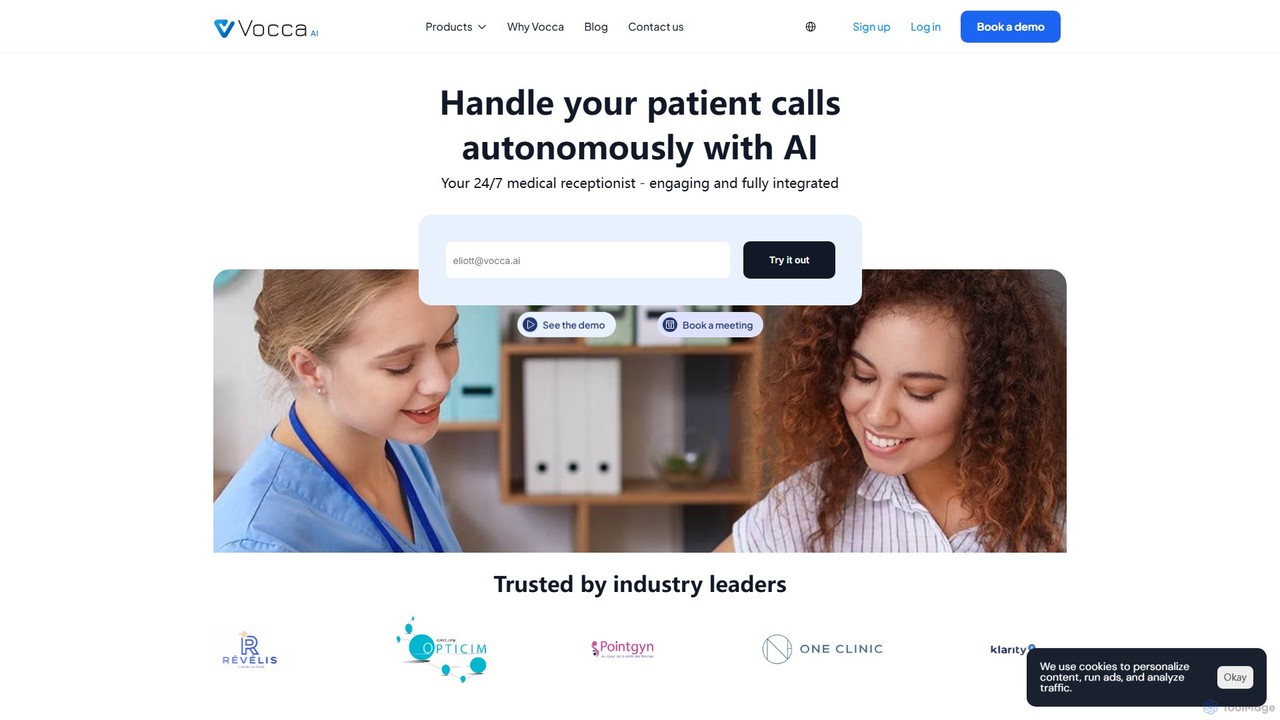
Vocca is an AI-powered call center and virtual receptionist designed specifically for the healthcare industry. It automates patient …
Vocca is an AI-powered call center and virtual receptionist designed specifically for the healthcare industry. It automates patient communications by handling inbound and outbound calls 24/7, scheduling appointments, sending reminders, and answering common questions. This allows medical staff to focus on patient care, reduce administrative workload, and improve clinic efficiency.
Feathery
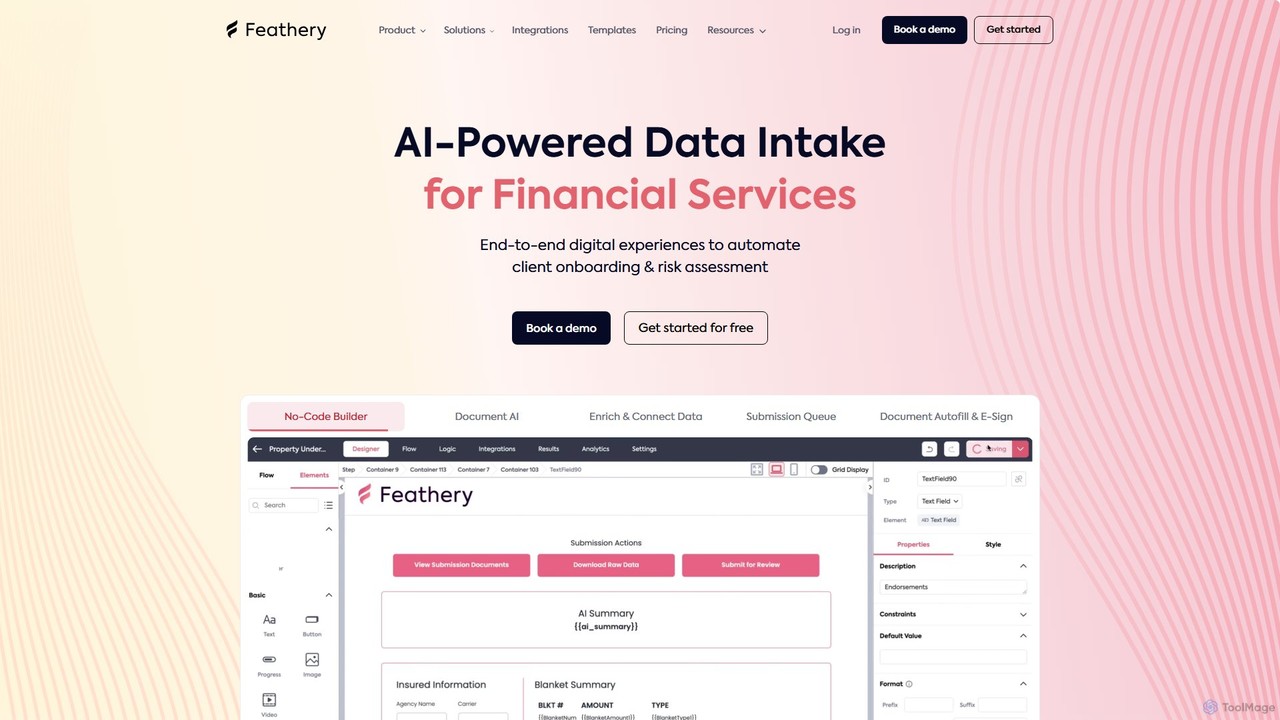
Feathery is an AI-powered platform for building complex data intake workflows, forms, and automating document processing. It offers …
Feathery is an AI-powered platform for building complex data intake workflows, forms, and automating document processing. It offers a no-code builder, document AI, and enterprise-grade security, designed for regulated industries like insurance, finance, and healthcare.
Clearstep
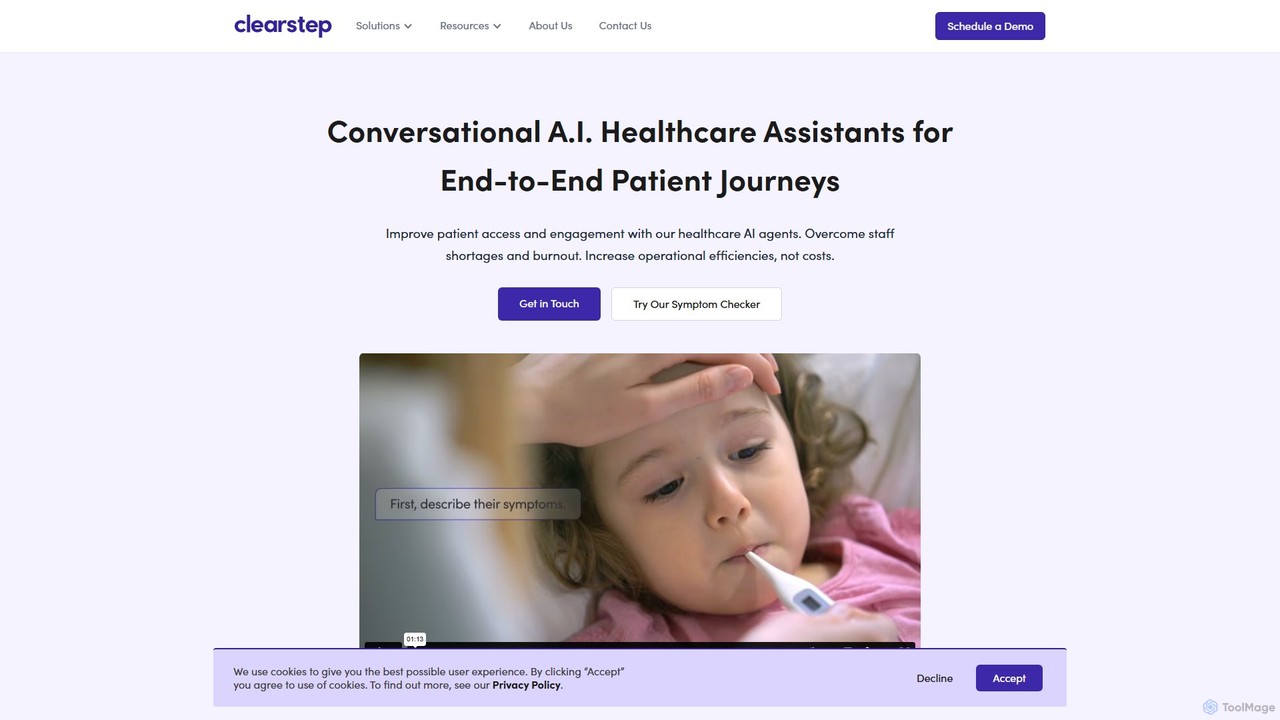
Clearstep is an AI-powered healthcare platform providing conversational AI assistants for the entire patient journey. It offers virtual …
Clearstep is an AI-powered healthcare platform providing conversational AI assistants for the entire patient journey. It offers virtual triage, care navigation, and capacity optimization to help healthcare organizations improve patient access, enhance operational efficiency, and reduce staff burnout. Trusted by leading health systems, Clearstep guides patients to the right care at the right time.
PatientIntake
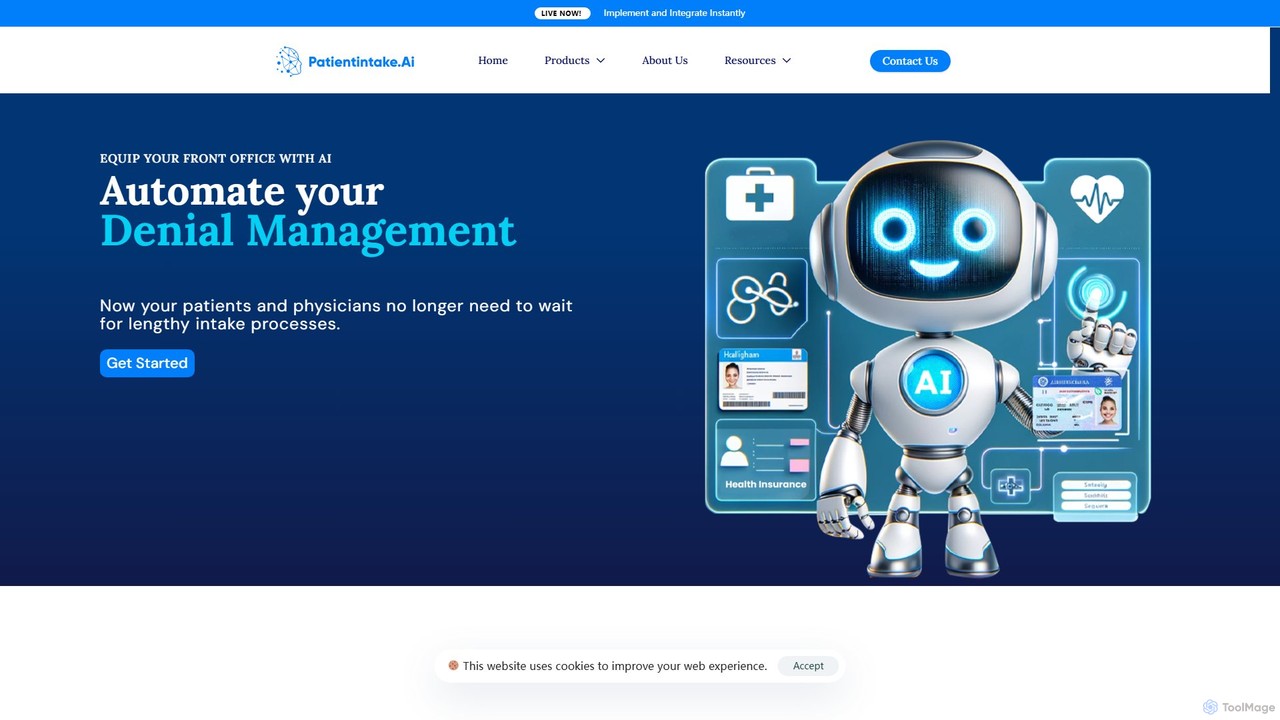
PatientIntake is an AI-powered suite designed for healthcare organizations to automate and streamline front office operations. It automates …
PatientIntake is an AI-powered suite designed for healthcare organizations to automate and streamline front office operations. It automates patient scheduling, insurance card capture, real-time insurance verification, and denial management. This enhances efficiency, reduces administrative errors, improves patient experience, and accelerates the revenue cycle.
About Patient Management
AI Patient Management tools are specialized software that use artificial intelligence to automate and optimize the administrative and clinical workflows involved in patient care. These tools leverage machine learning and natural language processing to streamline tasks from scheduling to follow-up, enhancing the efficiency of healthcare providers. Their primary value lies in reducing administrative burdens, improving patient engagement, and enabling more proactive, data-driven care. By analyzing patient data, they can predict needs, personalize communication, and support clinical decision-making within the broader healthcare ecosystem.
Core Features
- Automated Scheduling: Uses AI to optimize appointment calendars, predict no-shows, and manage waitlists automatically.
- Intelligent Patient Communication: Deploys chatbots and automated messaging for reminders, pre-visit instructions, and follow-up care.
- Clinical Documentation Assistance: Employs NLP to transcribe and summarize patient encounters, reducing manual data entry into EHRs.
- Personalized Care Plan Management: Helps create, track, and adjust patient treatment plans based on real-time data and adherence monitoring.
- Predictive Risk Stratification: Identifies high-risk patients by analyzing health records, enabling early and targeted interventions.
Use Cases
These tools are widely used in hospitals, private clinics, dental offices, and telehealth platforms. For instance, a multi-specialty clinic can use them to coordinate complex care schedules and reduce patient wait times. In chronic disease management, they help monitor patient progress remotely and automate check-ins, ensuring continuous care without constant manual oversight.
How to Choose
When selecting an AI Patient Management tool, prioritize its ability to integrate seamlessly with your existing Electronic Health Record (EHR) system. Verify its compliance with data privacy regulations like HIPAA or GDPR. Evaluate the user interface for both clinical staff and patients to ensure ease of use. Finally, consider the scalability of the platform to support future growth in patient volume and service offerings.
Patient ManagementUse Cases
Reducing Appointment No-Shows in a Dental Clinic
A clinic manager at a busy dental practice uses an AI patient management tool to tackle the high rate of missed appointments. The system analyzes patient history and communication preferences to send personalized, automated reminders via SMS or email at optimal times. It also offers a simple one-click option for patients to confirm or reschedule. This proactive communication strategy reduces the no-show rate by over 25%, optimizes the dentists' schedules, and significantly decreases lost revenue for the clinic.
Automating Chronic Disease Monitoring
A care coordinator for a group of diabetic patients uses an AI platform to monitor their conditions remotely. Patients report their blood glucose levels via a connected app. The AI system analyzes trends, flags any abnormal readings that require immediate attention, and automatically sends educational content or schedules a telehealth consultation with a nurse. This automates routine check-ins, allowing the care team to focus their efforts on high-risk patients and provide timely interventions, improving overall patient outcomes.
Streamlining New Patient Onboarding
A large hospital's administrative department implements an AI patient management system to improve the intake process. Before their first visit, new patients receive a link to an intelligent digital form. This form uses conversational AI to guide them through providing their medical history, insurance details, and consent forms. The system automatically verifies insurance eligibility and flags any incomplete information for follow-up. This reduces in-office wait times by 30% and ensures clinical staff have complete, accurate information before the appointment begins.
Personalizing Post-Operative Care Communication
A surgical center uses an AI tool to automate and personalize follow-up care. After discharge, patients receive automated text messages tailored to their specific procedure. These messages include medication reminders, wound care instructions, and symptom check-in surveys. If a patient reports concerning symptoms like high fever or severe pain via the survey, the AI system immediately alerts a nurse for manual intervention. This system improves patient adherence to post-op instructions and enables early detection of potential complications.
Optimizing Inpatient Bed Management
A hospital administrator uses an AI-powered patient management platform to improve patient flow and bed turnover. The system analyzes data from various departments to predict patient discharge times with high accuracy. It then automatically coordinates with housekeeping to schedule room cleaning and with the admissions department to assign the newly available bed. This predictive coordination reduces the time a bed sits empty between patients, decreases emergency department wait times, and improves overall hospital capacity management.
Automating Triage in a Virtual Care Setting
A telehealth provider integrates an AI chatbot into their patient portal to manage incoming requests. When a patient initiates a chat, the AI asks a series of dynamic questions to gather information about their symptoms and urgency. Based on the responses, the system triages the patient, either providing self-care advice for minor issues, scheduling a non-urgent appointment with a doctor, or immediately escalating the case to a live nurse for urgent concerns. This automates the initial assessment, allowing clinical staff to handle a higher volume of patients more efficiently.