Healthcare Best in category 1 results Automation AI Tool

Popular AI tools in the Automation field of Healthcare include shifthealth, etc., helping you quickly improve efficiency.

shifthealth

shifthealth

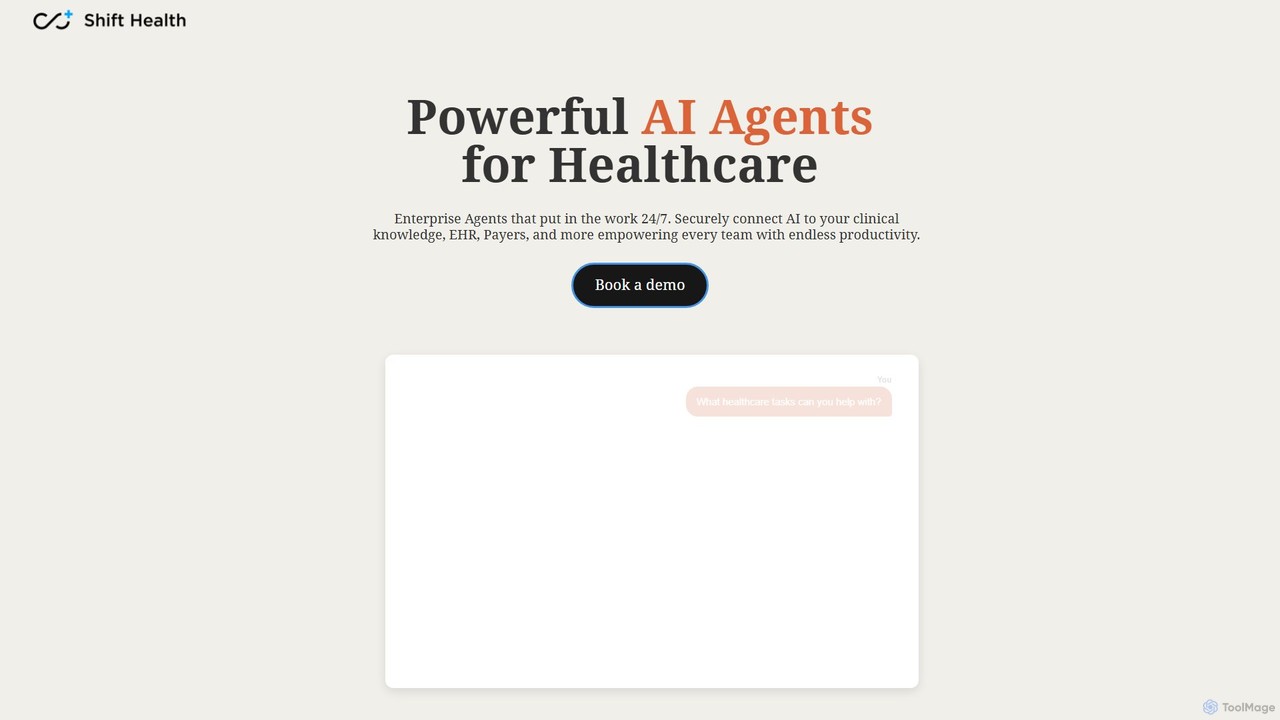
shifthealth is an agentic AI platform for healthcare enterprises, deploying powerful AI agents that work 24/7 to automate …

18.2K

About Automation

Automation in healthcare refers to AI-powered tools designed to streamline and optimize repetitive tasks and complex processes within medical environments. These solutions leverage artificial intelligence and machine learning to execute administrative, clinical, and operational workflows with minimal human intervention. By automating routine procedures, healthcare organizations can significantly reduce manual errors, free up valuable staff time, and enhance overall operational efficiency, ultimately leading to improved patient care, better resource allocation, and faster service delivery.

Core Features

  • Intelligent Data Processing: Automatically extracts, categorizes, and inputs patient information from diverse sources like medical records, lab results, and insurance forms, ensuring data accuracy.
  • Workflow Orchestration: Automates sequences of tasks, such as patient onboarding, appointment scheduling, and lab result routing, ensuring seamless operations and reducing bottlenecks.
  • Robotic Process Automation (RPA): Handles rule-based, high-volume tasks including claims processing, billing, inventory management, and supply chain logistics, improving financial and operational efficiency.
  • Predictive Analytics for Operations: Utilizes AI to monitor medical equipment performance, predict maintenance needs, optimize staff scheduling, and forecast patient flow, enhancing resource utilization.
  • Automated Communication: Manages patient reminders, follow-ups, routine inquiries, and pre-appointment instructions through AI-driven chatbots or automated messaging systems, improving patient engagement.

Applicable Scenarios

Healthcare automation tools are indispensable across various medical settings, from large hospital networks to specialized clinics and administrative departments. They are primarily utilized by medical staff to alleviate administrative burdens, by IT teams for seamless system integration, and by financial departments to optimize revenue cycles. Specific applications include automating patient intake processes in busy emergency rooms to accelerate triage, managing pharmaceutical inventory in hospital pharmacies to prevent stockouts, expediting complex insurance claims processing for billing specialists, and automating routine patient follow-ups for chronic disease management programs.

Selection Criteria

When choosing healthcare automation tools, several critical factors must be considered to ensure successful implementation and long-term value. Prioritize solutions with robust integration capabilities, ensuring seamless compatibility with existing Electronic Health Record (EHR) systems, hospital management software, and other clinical tools. Compliance with stringent healthcare regulations such as HIPAA, GDPR, and local data privacy laws is paramount, alongside strong data security protocols to protect sensitive patient information. Evaluate the scalability and flexibility of the platform to adapt to organizational growth and evolving healthcare workflows. Furthermore, assess the AI's accuracy and reliability in handling complex medical data, and consider the vendor's reputation for comprehensive support, implementation assistance, and staff training.

AutomationUse Cases

1

Automated Patient Onboarding & Registration

Healthcare administrators can utilize AI automation to streamline the patient intake process. By deploying intelligent forms and document processing, new patient data, consent forms, and medical history can be collected, verified, and integrated into EHR systems automatically. This reduces manual data entry errors, shortens patient wait times, and frees up front-desk staff to focus on more personalized patient interactions, improving the overall patient experience from the very first visit.

2

Streamlined Medical Claims Processing

Billing departments in healthcare facilities often face high volumes of insurance claims, leading to potential delays and errors. AI automation tools can significantly expedite this process by automatically extracting relevant information from medical records and claim forms, validating data against policy rules, and submitting claims electronically. This not only accelerates reimbursement cycles but also reduces the likelihood of claim denials due to human error, leading to improved financial health for the organization.

3

Intelligent Appointment Scheduling & Reminders

Healthcare providers can leverage AI automation to optimize appointment management. AI-powered systems can handle patient requests for scheduling, rescheduling, and cancellations through various channels (e.g., web portals, chatbots). They can also automatically send personalized appointment reminders via SMS or email, reducing no-show rates and ensuring clinics operate at optimal capacity. This improves patient access to care and enhances operational efficiency for medical practices.

4

Automated Pharmaceutical Inventory Management

Hospital pharmacies and clinics can utilize AI automation to manage their vast and critical pharmaceutical inventories. AI systems can monitor stock levels in real-time, predict demand based on historical data and patient trends, and automatically trigger reorders when supplies run low. This minimizes the risk of stockouts for essential medications, reduces waste from expired drugs, and optimizes purchasing decisions, ensuring that critical supplies are always available while controlling costs.

5

Efficient Revenue Cycle Management & Billing

Healthcare organizations can significantly improve their financial health by automating various aspects of revenue cycle management. AI tools can automate tasks such as patient eligibility verification, medical coding, charge capture, and payment posting. This reduces manual errors, accelerates the billing process, and minimizes revenue leakage. By ensuring accurate and timely financial operations, automation helps healthcare providers maintain a stable cash flow and focus more resources on patient care.

6

AI-Powered Clinical Workflow Optimization

Clinical staff can benefit from AI automation by optimizing various aspects of their daily workflows. This includes automating the routing of lab results to the correct physician, prioritizing patient cases based on urgency, and generating preliminary reports from diagnostic images. By reducing the time spent on administrative and organizational tasks, clinicians can dedicate more time to direct patient care, diagnosis, and treatment planning, leading to better patient outcomes and reduced burnout among medical professionals.

AutomationFrequently Asked Questions