Healthcare Best in category 4 results Administration AI Tool

Popular AI tools in the Administration field of Healthcare include Tennr、Streamline Verify、runtrellis、Outcall AI, etc., helping you quickly improve efficiency.

Tennr

Tennr

Tennr is an AI-powered platform that automates complex back-office workflows. It uses AI agents to read, understand, and …

61.7K
Outcall AI

Outcall AI

Outcall AI provides indistinguishable AI voice receptionists that operate on real phone numbers, ensuring every call is answered …

3.7K
Streamline Verify

Streamline Verify

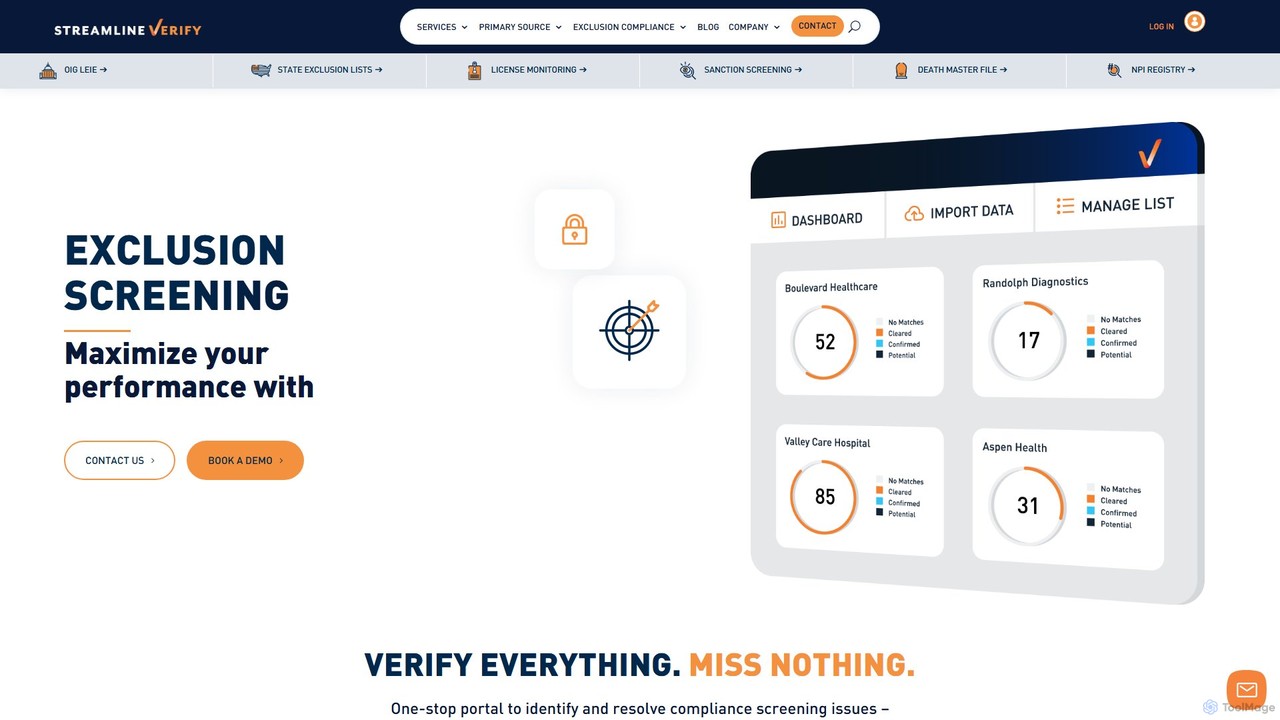
Streamline Verify is an automated exclusion screening platform for the healthcare industry. It continuously monitors federal and state …

10.7K
runtrellis

runtrellis

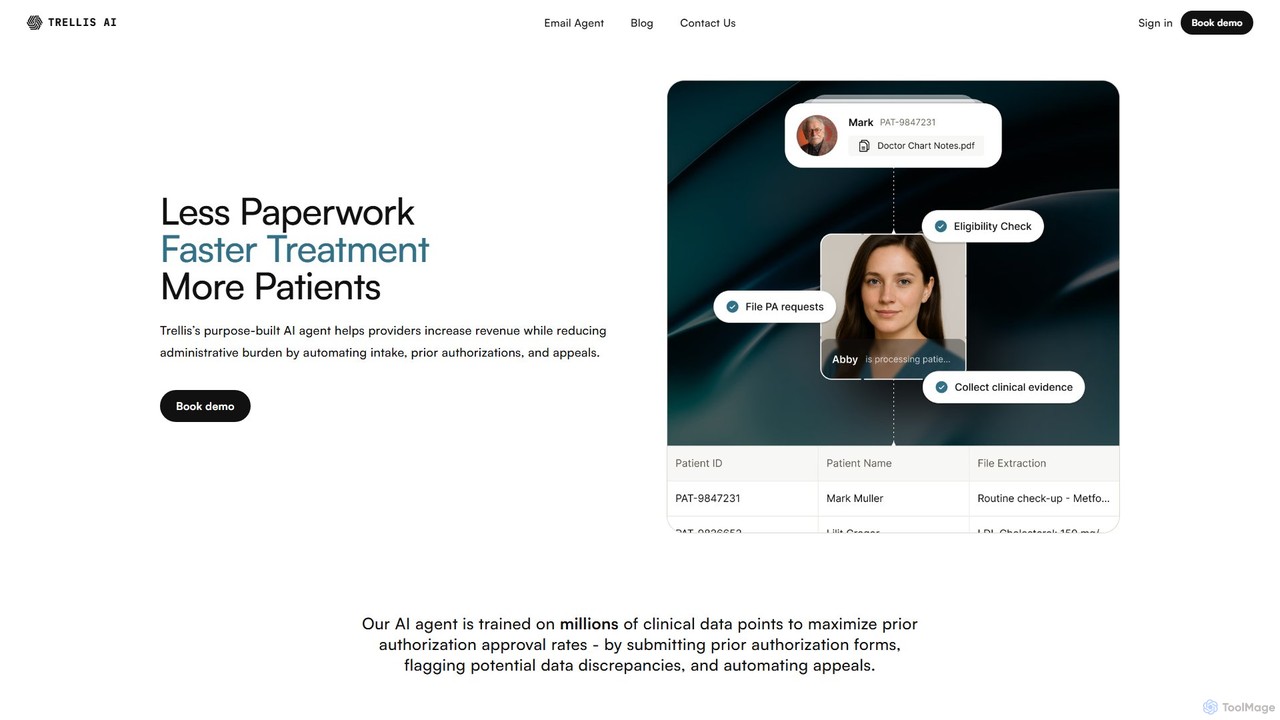
Runtrellis is an AI-powered platform that automates administrative workflows for healthcare and other document-heavy industries. It features a …

6.8K

About Administration

Administration AI tools in healthcare are specialized solutions designed to automate and optimize the operational and managerial tasks within medical facilities. Leveraging advanced algorithms, these tools streamline workflows from patient scheduling and medical record management to billing and resource allocation. Their primary value lies in significantly enhancing administrative efficiency, reducing operational costs, and allowing healthcare professionals to focus more on patient care. These AI-powered systems are crucial for improving the overall operational health and responsiveness of modern healthcare systems.

Core Features

  • Automated Scheduling: Optimizes patient appointments, staff shifts, and facility resource booking to reduce wait times.
  • Claims Processing Automation: Accelerates medical billing and insurance claims submission, verification, and reconciliation.
  • Resource Management: Intelligently allocates staff, equipment, and rooms based on real-time demand and availability.
  • Document Management & Indexing: Digitizes, organizes, and retrieves administrative documents and non-clinical patient records.
  • Compliance Reporting: Generates automated reports and monitors data to ensure adherence to healthcare regulations.

Applicable Scenarios

These tools are indispensable for hospital administrators, clinic managers, and medical office staff. They are used for tasks like optimizing patient intake processes, managing complex billing cycles, and ensuring efficient allocation of medical equipment across departments to enhance operational flow.

How to Choose

When selecting Administration AI tools for healthcare, consider the specific administrative functions you need to automate, such as scheduling or billing. Evaluate the tool's integration capabilities with existing Electronic Health Record (EHR) systems and other hospital management software. Assess its compliance features for data security and regulatory standards like HIPAA, and ensure it offers scalable solutions to meet future growth.

AdministrationUse Cases

1

Optimizing Patient Appointment Scheduling

Hospital administrators and clinic staff utilize AI scheduling tools to manage complex patient appointment systems. These tools analyze patient preferences, doctor availability, and facility resources to automatically suggest optimal appointment slots, reducing wait times and no-shows. This leads to more efficient patient flow and better resource utilization, significantly improving patient satisfaction and operational throughput.

2

Automating Medical Billing and Claims Processing

Medical billing departments leverage AI to automate the submission, tracking, and reconciliation of insurance claims. AI algorithms can identify coding errors, verify patient eligibility, and flag potential rejections before submission, drastically reducing claim denial rates and accelerating revenue cycles. This frees up staff from manual data entry and error correction, allowing them to focus on complex cases.

3

Intelligent Resource Allocation in Hospitals

Hospital operations managers use AI to dynamically allocate critical resources such as operating rooms, diagnostic equipment, and nursing staff. The AI analyzes real-time patient demand, staff availability, and equipment status to optimize usage, minimize bottlenecks, and ensure resources are available when and where needed. This enhances operational efficiency and improves patient care delivery.

4

Streamlining Medical Supply Chain Management

Healthcare procurement teams employ AI to forecast demand for medical supplies, manage inventory levels, and optimize purchasing decisions. AI tools track consumption patterns, predict future needs, and identify cost-saving opportunities, ensuring critical supplies are always in stock while minimizing waste and storage costs. This proactive approach prevents shortages and improves financial management.

5

Enhancing Administrative Document Management

Medical office personnel use AI-powered document management systems to digitize, index, and retrieve vast amounts of administrative paperwork, such as consent forms, referral letters, and non-clinical patient records. AI can automatically extract key information, categorize documents, and ensure secure, compliant storage, making information quickly accessible and reducing manual filing errors.

6

Automated Compliance Reporting and Auditing

Compliance officers and administrative teams in healthcare organizations utilize AI to automate the generation of regulatory reports and internal audit processes. AI tools can continuously monitor operational data for adherence to standards like HIPAA or GDPR, identify potential compliance risks, and produce detailed reports, ensuring the organization remains compliant and avoids penalties.

AdministrationFrequently Asked Questions