YOURIKA AI
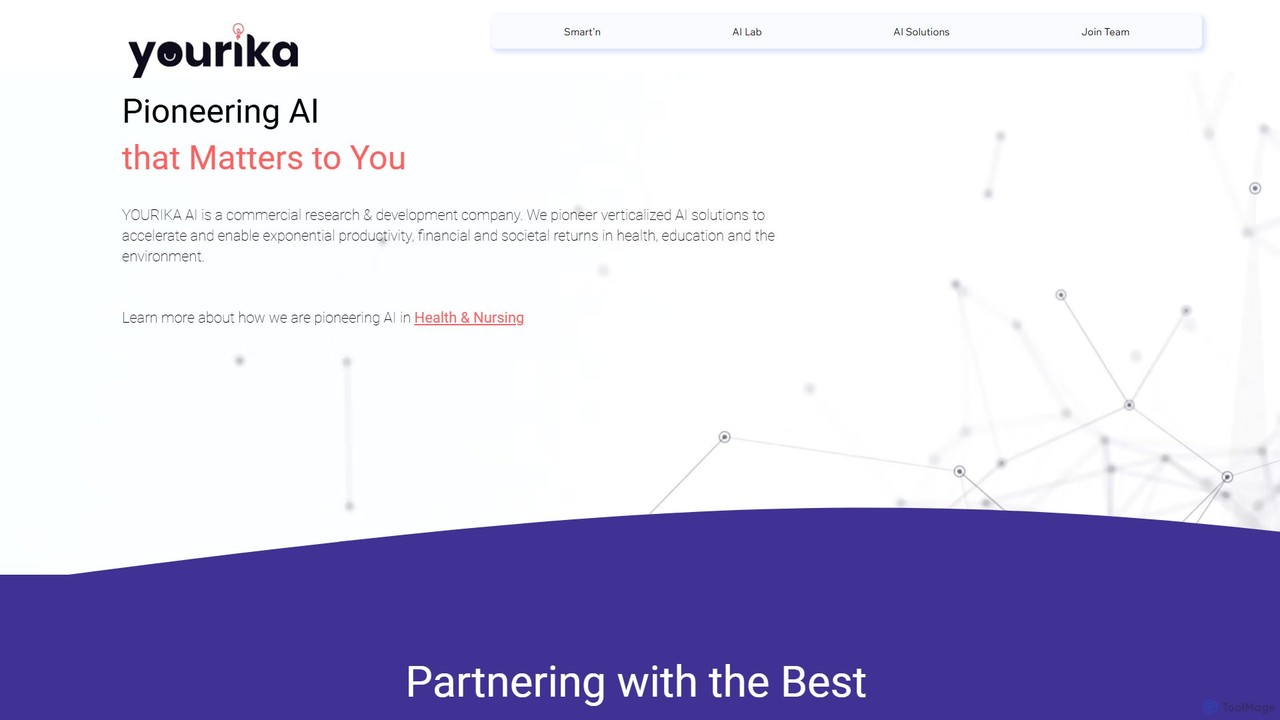
YOURIKA AI is a research and development company specializing in verticalized AI solutions. It focuses on creating high-impact …
YOURIKA AI is a research and development company specializing in verticalized AI solutions. It focuses on creating high-impact AI for healthcare, education, and the environment, aiming to boost productivity and deliver significant financial and societal returns. Their flagship product, 'ngale, is a highly accurate LLM designed specifically for the nursing profession.
ProgressMagic
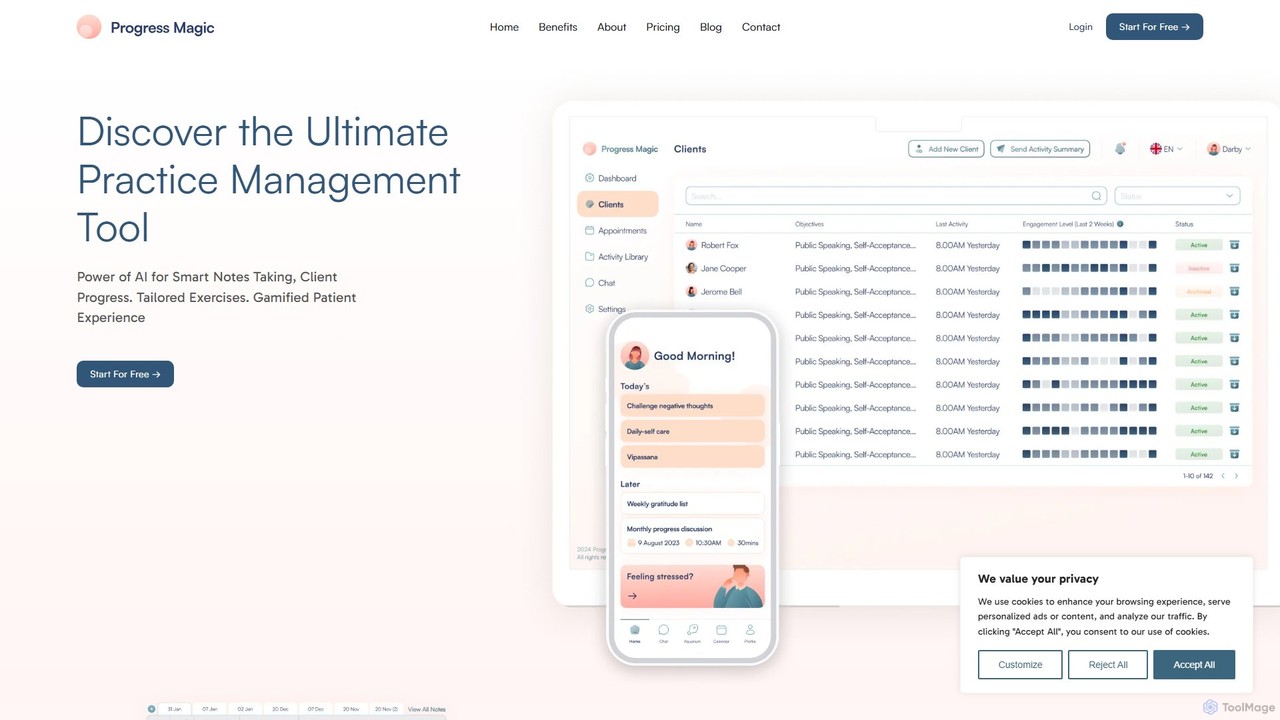
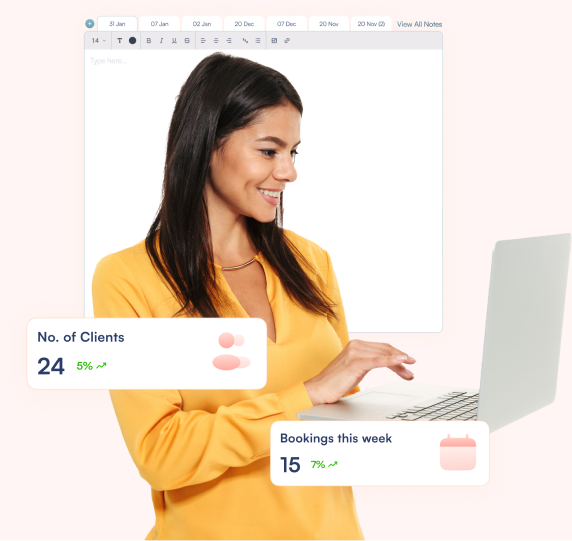
ProgressMagic is an AI-powered practice management platform for therapists, coaches, and healthcare professionals. It streamlines administrative tasks like …
ProgressMagic is an AI-powered practice management platform for therapists, coaches, and healthcare professionals. It streamlines administrative tasks like scheduling and billing, while offering advanced tools for tracking client progress. Leverage AI to generate insightful notes, analyze session data, and deliver more effective, personalized care from one intuitive dashboard.
Medical Brain
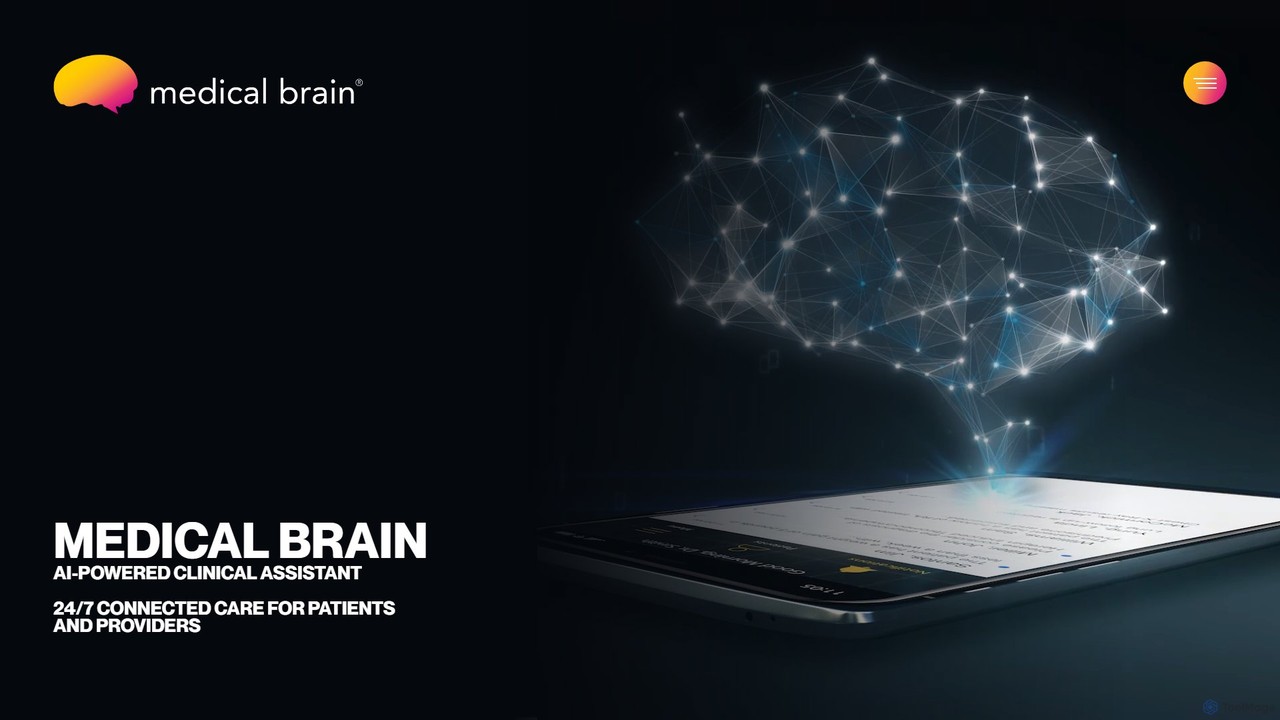
Medical Brain is an AI-powered platform designed as a clinical assistant for healthcare providers and a personal health …
Medical Brain is an AI-powered platform designed as a clinical assistant for healthcare providers and a personal health assistant for patients. It aims to enhance diagnostic accuracy, streamline clinical workflows, and empower patients with personalized, evidence-based health information.
Neural Wave
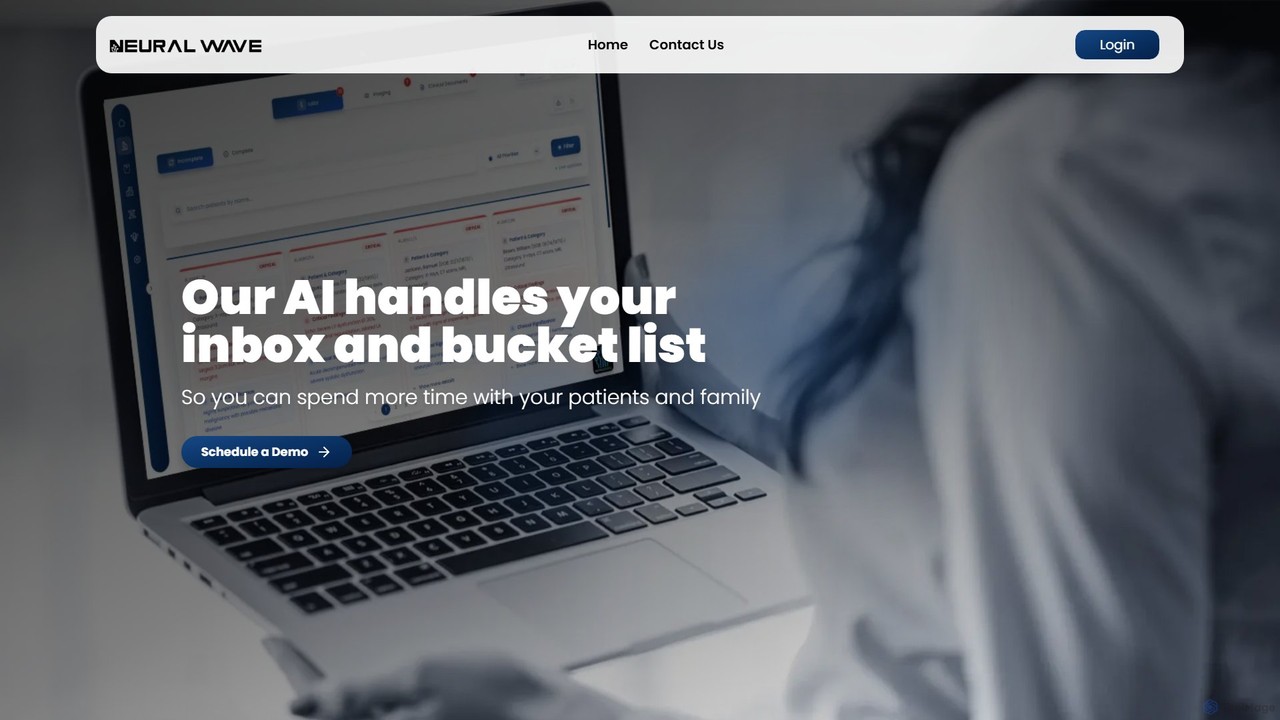
Neural Wave is an AI-powered platform for healthcare providers that automates non-billable administrative tasks. It intelligently analyzes lab …
Neural Wave is an AI-powered platform for healthcare providers that automates non-billable administrative tasks. It intelligently analyzes lab results, imaging reports, and clinical documents, extracting key insights, detecting abnormalities, and generating summaries to save clinicians time, reduce errors, and enhance patient care.
NoteMD
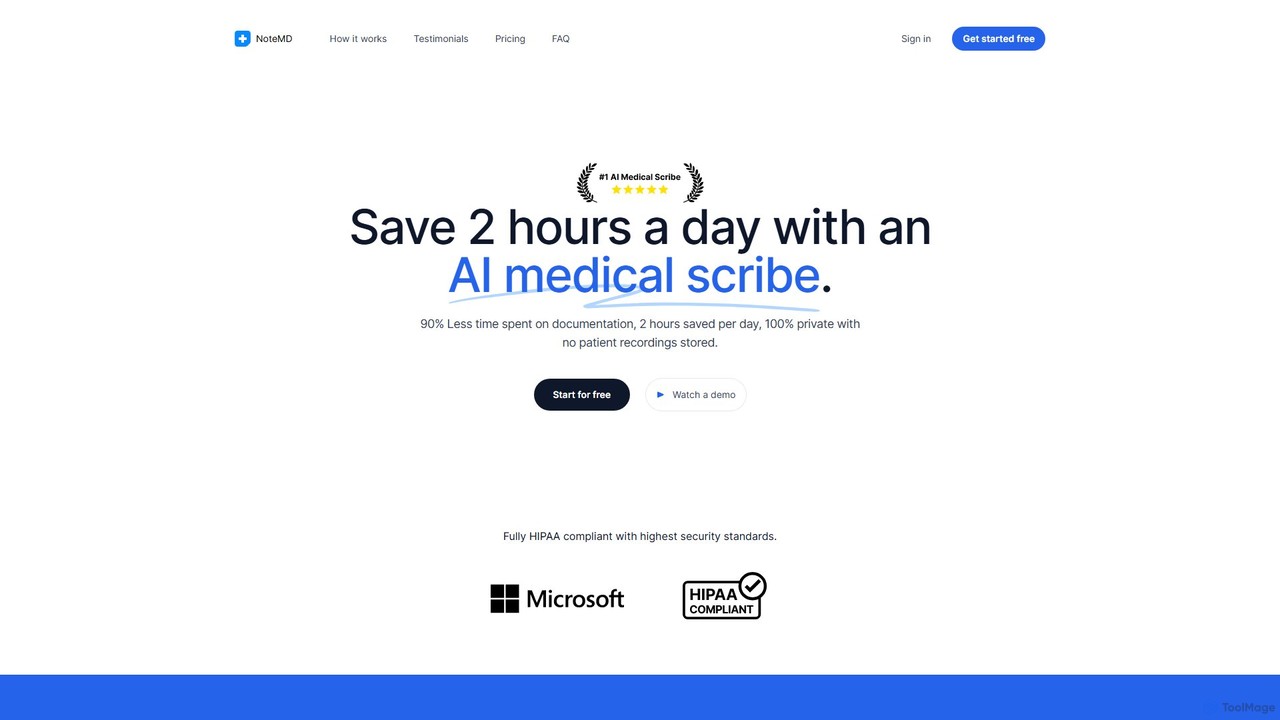
NoteMD is an AI-powered medical scribe designed for clinicians to reduce documentation time significantly. It transcribes patient visits …
NoteMD is an AI-powered medical scribe designed for clinicians to reduce documentation time significantly. It transcribes patient visits and automatically generates structured SOAP notes, allowing healthcare professionals to save up to 2 hours daily. The platform is fully HIPAA compliant, secure, and accessible on any device, helping doctors focus more on patient care and less on paperwork.
Physician UX
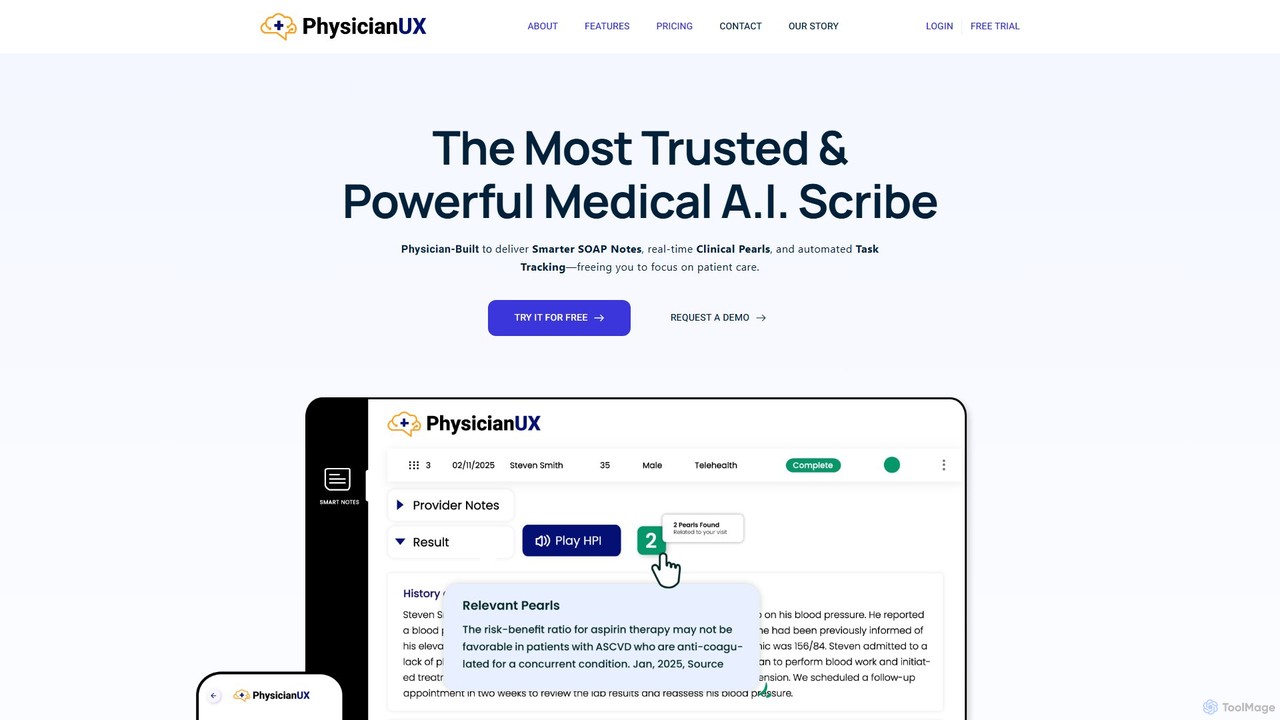
Physician UX is an AI-powered clinical documentation tool designed by a practicing physician to combat burnout. It functions …
Physician UX is an AI-powered clinical documentation tool designed by a practicing physician to combat burnout. It functions as an intelligent medical scribe, automating SOAP note creation, providing real-time clinical insights, and streamlining workflows. By operating independently of EMRs, it ensures high performance, security, and rapid feature updates, helping clinicians save time and focus on patient care.
MediScoper
MediScoper is an AI-assisted platform for healthcare professionals, designed to streamline clinical workflows. It offers high-accuracy audio transcription …
MediScoper is an AI-assisted platform for healthcare professionals, designed to streamline clinical workflows. It offers high-accuracy audio transcription of doctor-patient interactions, automatically generates SOAP-standard analysis reports, provides real-time diagnostic suggestions, and supports translation in over 60 languages. This allows doctors to reduce administrative tasks and focus more on patient care, while ensuring data security and confidentiality.
BotPhrase
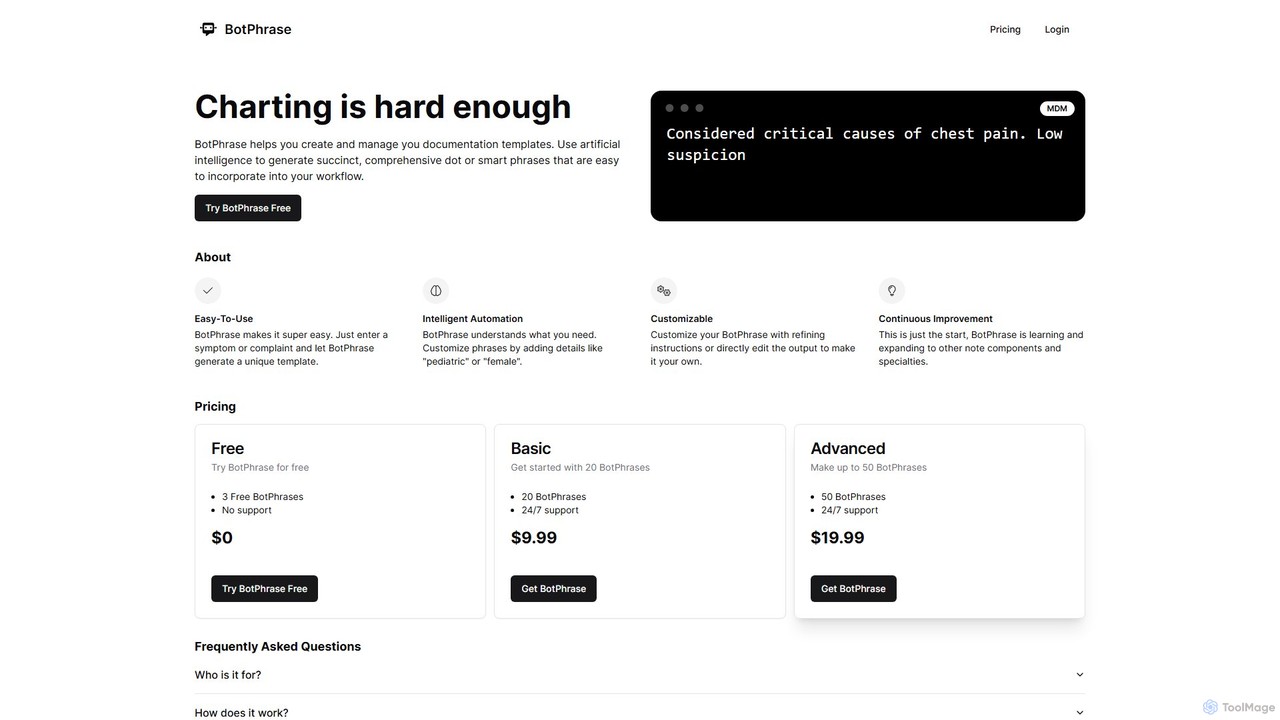
BotPhrase is an AI-powered tool designed for healthcare professionals to streamline medical documentation. It generates succinct, comprehensive, and …
BotPhrase is an AI-powered tool designed for healthcare professionals to streamline medical documentation. It generates succinct, comprehensive, and customizable documentation templates, known as dot or smart phrases, based on simple inputs like symptoms or complaints. This helps save time, reduce administrative burden, and improve the accuracy of clinical notes.
Corti
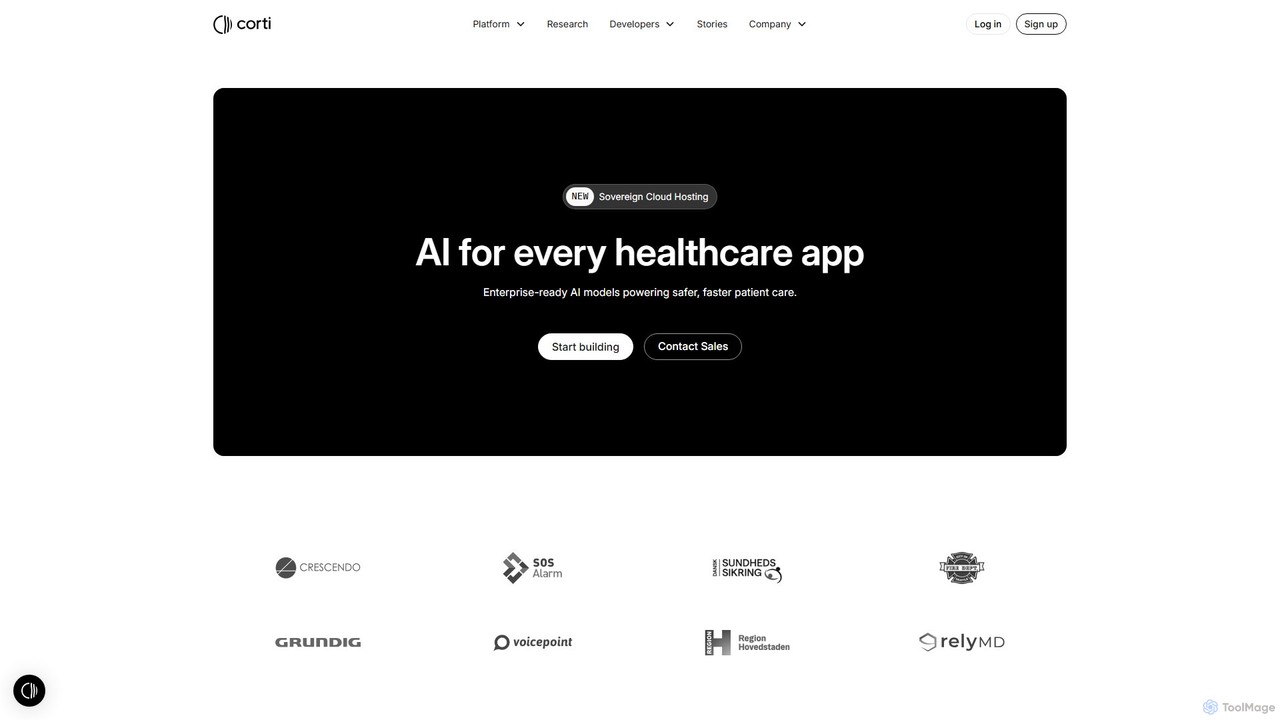
Corti is a specialized AI platform for healthcare, offering foundation models and APIs designed to understand complex medical …
Corti is a specialized AI platform for healthcare, offering foundation models and APIs designed to understand complex medical conversations. It helps providers streamline workflows, automate documentation, and improve patient care through ambient AI and advanced speech recognition, with a strong focus on data privacy and sovereign cloud deployment.
Astra Health AI
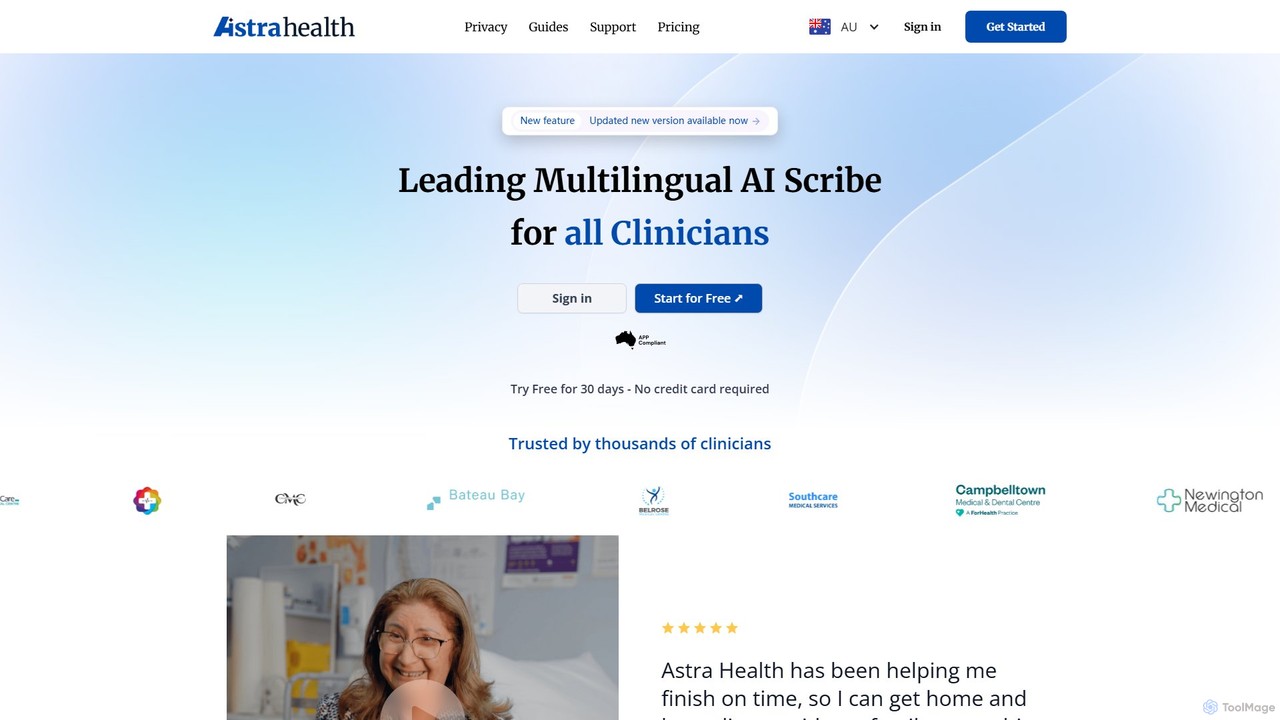
Astra Health AI is an advanced, multilingual AI medical scribe designed for clinicians. It automates clinical documentation by …
Astra Health AI is an advanced, multilingual AI medical scribe designed for clinicians. It automates clinical documentation by transcribing patient consultations in real-time and instantly generating structured notes. This allows healthcare professionals to save hours on administrative tasks, focus more on patient interaction, and improve the quality of their medical records. It supports over 35 languages and prioritizes data security and privacy.
About Clinical Assistance
Clinical Assistance tools are a specialized class of AI software designed to directly support healthcare professionals in diagnosis, treatment planning, and patient management. These tools utilize machine learning models trained on vast medical datasets to analyze complex clinical data, such as medical images, lab results, and electronic health records. Their primary value is to augment the clinician's expertise by providing data-driven insights, identifying subtle patterns, and automating repetitive analytical tasks. This enhances diagnostic accuracy, enables personalized treatment strategies, and streamlines clinical workflows at the point of care.
Core Features
- Diagnostic Support: Analyzes medical data (e.g., X-rays, CT scans, pathology slides) to detect anomalies, suggest potential diagnoses, and quantify disease characteristics.
- Treatment Recommendation: Proposes personalized treatment plans by synthesizing patient data with clinical guidelines and the latest medical research.
- Predictive Analytics: Forecasts disease progression, patient risk for conditions like sepsis, or the likelihood of treatment success based on historical data.
- Clinical Documentation Automation: Captures and structures information from patient encounters into clinical notes (e.g., AI Scribe), reducing administrative burden.
- Medical Data Synthesis: Rapidly summarizes patient histories or relevant medical literature to provide concise, actionable information for decision-making.
Applicable Scenarios
These tools are integral in data-intensive medical specialties. For instance, radiologists use them for faster and more accurate image interpretation, oncologists for crafting precision cancer treatment plans, and intensivists in ICUs for real-time patient risk monitoring. They are also increasingly used in primary care to automate documentation and flag at-risk patients.
Selection Criteria
When choosing a Clinical Assistance tool, prioritize regulatory approval (e.g., FDA clearance, CE mark) and evidence of clinical validation through peer-reviewed studies. Assess its seamless integration capabilities with existing systems like EHR and PACS. Also, consider the model's specificity to your use case, data security protocols, and the transparency of its AI algorithms.
Clinical AssistanceUse Cases
Accelerating Radiology Image Analysis
A radiologist in a busy hospital department uses an AI clinical assistance tool integrated with their PACS system. When reviewing a chest CT scan for a patient with shortness of breath, the AI automatically flags several small, suspicious pulmonary nodules that could be missed by the human eye during a high-volume workload. The tool provides quantitative measurements for each nodule, including volume and density, and compares them to previous scans. This allows the radiologist to focus their attention on critical areas, improve diagnostic accuracy, and create a more detailed report in significantly less time, leading to earlier potential cancer detection.
Automating Clinical Note Generation
A primary care physician uses an AI Scribe tool during a patient consultation. The tool, running ambiently on a tablet in the exam room, listens to the doctor-patient conversation. It automatically identifies and transcribes relevant medical information, structuring it into a standard SOAP (Subjective, Objective, Assessment, Plan) note format in real-time within the EHR. The physician can quickly review and edit the generated note, saving 10-15 minutes of administrative work per patient. This allows for more face-to-face interaction during the visit and significantly reduces after-hours documentation time.
Personalizing Oncology Treatment Plans
An oncologist uses an AI platform to create a treatment plan for a patient with a rare form of lung cancer. By inputting the patient's genomic data, pathology reports, and medical history, the AI synthesizes this information with thousands of clinical trials, research papers, and treatment guidelines. The platform suggests several evidence-based treatment options, including targeted therapies and immunotherapies, ranking them by predicted efficacy and potential side effects for this specific patient profile. This decision support tool helps the oncologist explore cutting-edge options beyond standard protocols, facilitating a more personalized and informed treatment strategy.
Predicting Sepsis Risk in the ICU
In an Intensive Care Unit (ICU), an AI-powered monitoring system continuously analyzes real-time data streams from a patient's vital signs monitor, lab results, and EHR. The system's predictive algorithm identifies subtle patterns that indicate an elevated risk of developing sepsis, often hours before clinical symptoms become apparent. It sends a timely alert to the nursing staff's dashboard, highlighting the specific risk factors. This early warning allows the clinical team to initiate sepsis protocols sooner, perform confirmatory tests, and begin treatment promptly, significantly improving patient outcomes and reducing mortality rates.
Assisting in Dermatological Screenings
A dermatologist uses an AI-powered mobile application during a routine skin check. When an unusual lesion is found, the dermatologist takes a high-resolution image with the device. The AI algorithm analyzes the image for features associated with malignancy, such as asymmetry, border irregularity, and color variation. Within seconds, it provides a risk score, classifying the lesion as low, medium, or high risk for melanoma. This information does not replace the dermatologist's judgment but serves as an immediate second opinion, helping to prioritize lesions for biopsy and providing objective data to support their clinical assessment.
Streamlining Pathology Slide Analysis
A pathologist reviewing digital scans of tissue biopsies for cancer grading uses an AI assistance tool. The software automatically scans entire whole-slide images to identify and highlight regions of interest, such as areas with high mitotic activity. It provides an automated cell count and quantifies biomarkers, tasks that are tedious and time-consuming to perform manually. This pre-analysis allows the pathologist to focus their expertise on interpreting the most critical areas, improving consistency between different pathologists, and accelerating the overall diagnostic workflow, which ultimately speeds up the delivery of results to the patient and treating physician.