ToolMage
Sign in

Best 11 Practice Management AI tools for Healthcare

Popular Practice Management AI tools in Healthcare include Weave, Carepatron, Athelas, Clinicminds, Keragon, Blaze, decodahealth, Loula, 75health, and ChartX, helping you work more efficiently.

75health
Freemium

75health

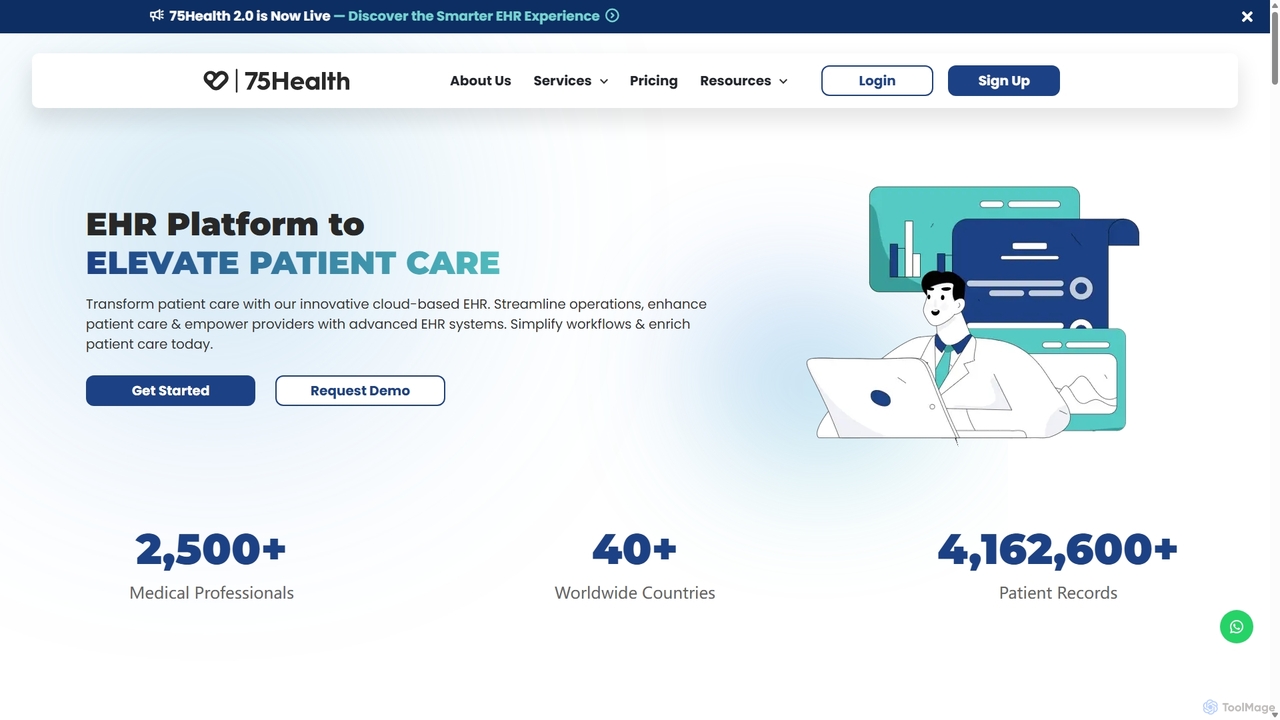
75health is a comprehensive, cloud-based Electronic Health Records (EHR) platform designed for medical professionals and clinics. It streamlines practice management, enhances patient care, and ensures data security. Key features include appointment scheduling, medical charting, integrated billing, a secure patient portal, and telehealth capabilities, all within a user-friendly, HIPAA-compliant environment.

Electronic Health Records
Visits 7.2KFavorites 115Likes 103
Imedcloud

Imedcloud

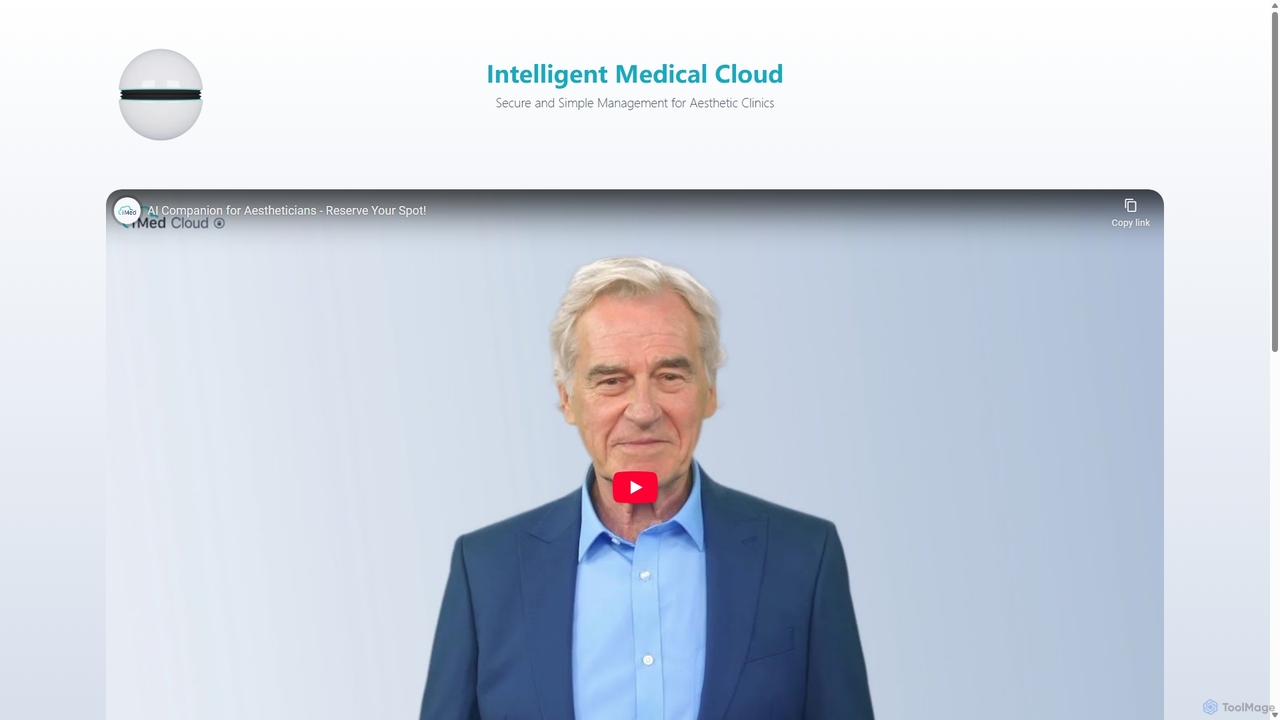
Imedcloud is an AI-powered, intelligent cloud platform designed for the secure and simple management of aesthetic clinics. It streamlines operations by acting as both a virtual administrative assistant and a social media coordinator, automating tasks from appointment scheduling and patient records to marketing content creation. This allows practitioners to focus on patient care while growing their practice efficiently.

Practice Management
Visits 5.8KFavorites 138Likes 154
Loula
Paid

Loula

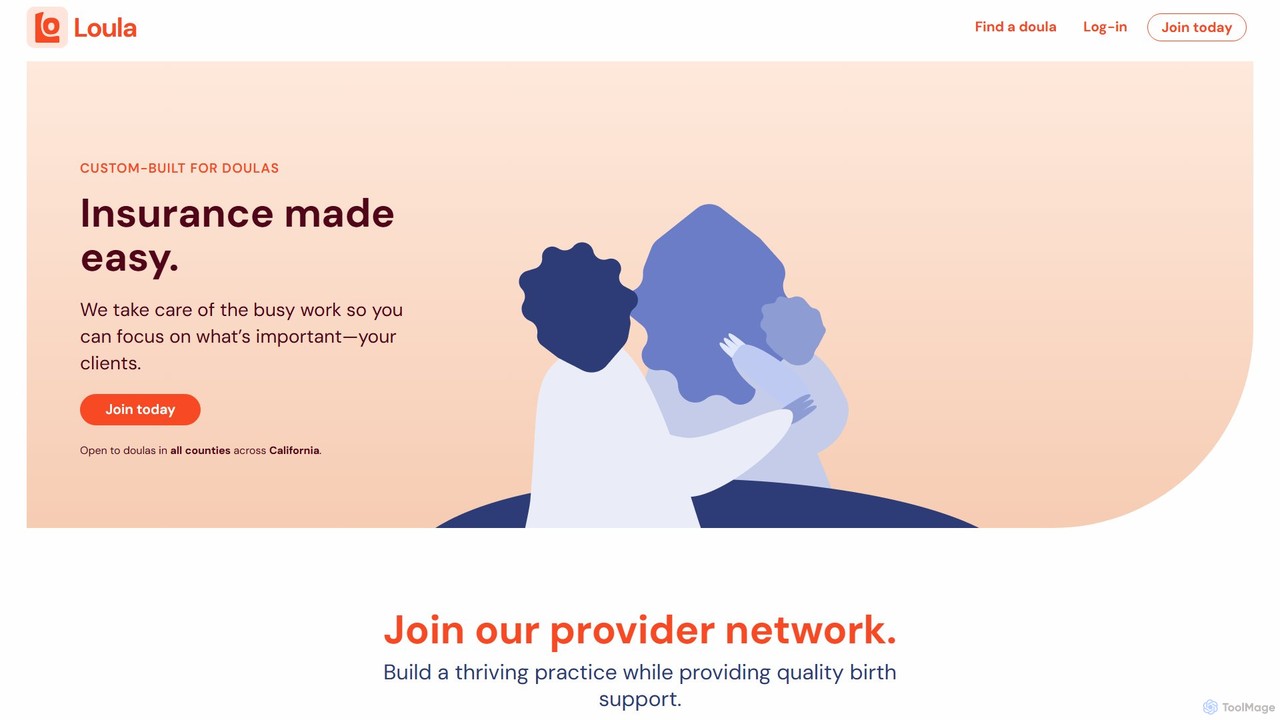
Loula is a specialized platform for doulas that automates and simplifies insurance credentialing, billing, and payments. It handles all administrative back-end work, allowing doulas to focus on client care while expanding their practice to accept insurance clients with guaranteed, bi-weekly payments.

Billing & Invoicing
Visits 11.8KFavorites 145Likes 155
Athelas
Paid

Athelas

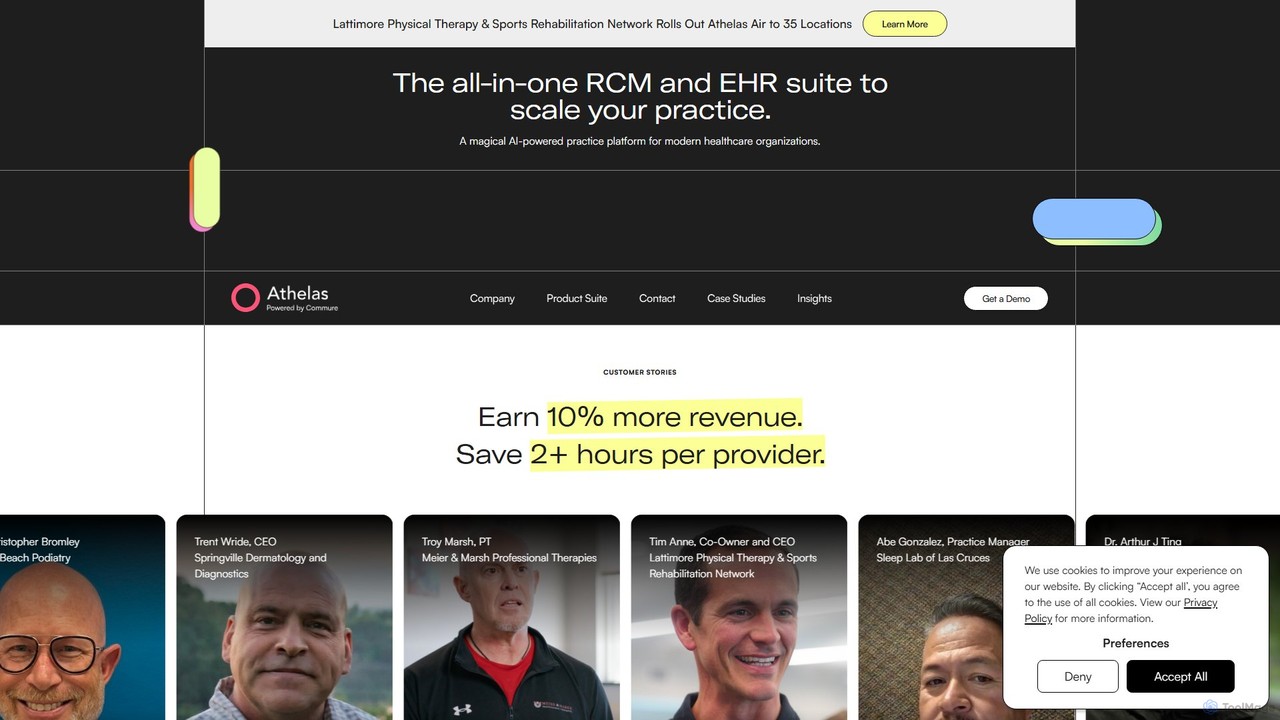
Athelas is an AI-powered platform designed to streamline healthcare operations. It combines an all-in-one Revenue Cycle Management (RCM) and Electronic Health Record (EHR) suite with advanced tools like an Ambient AI Scribe, autonomous coding, and an AI receptionist. The platform helps medical practices increase revenue, save clinician time, reduce administrative burdens, and improve patient care by automating documentation, billing, and scheduling.

Revenue Cycle Management
Visits 298.3KFavorites 138Likes 127
Blaze
Paid

Blaze

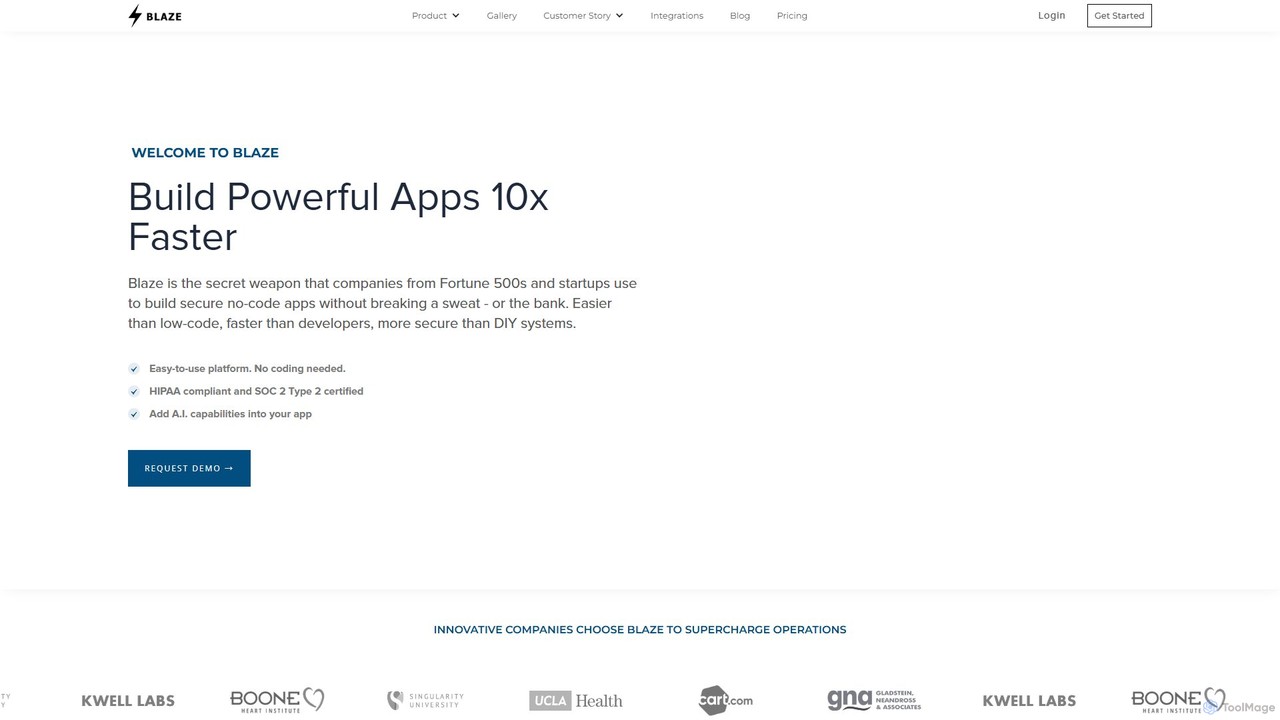
Blaze is a powerful all-in-one no-code platform for building custom web applications, internal tools, and customer portals. It empowers both non-technical and technical users to create complex, secure, and scalable software with a drag-and-drop interface, seamless API integration, and built-in AI capabilities. Blaze is particularly strong in regulated industries like healthcare, offering SOC 2 Type 2 and HIPAA compliance.

Crm
Visits 34.4KFavorites 100Likes 108
Weave
Paid

Weave

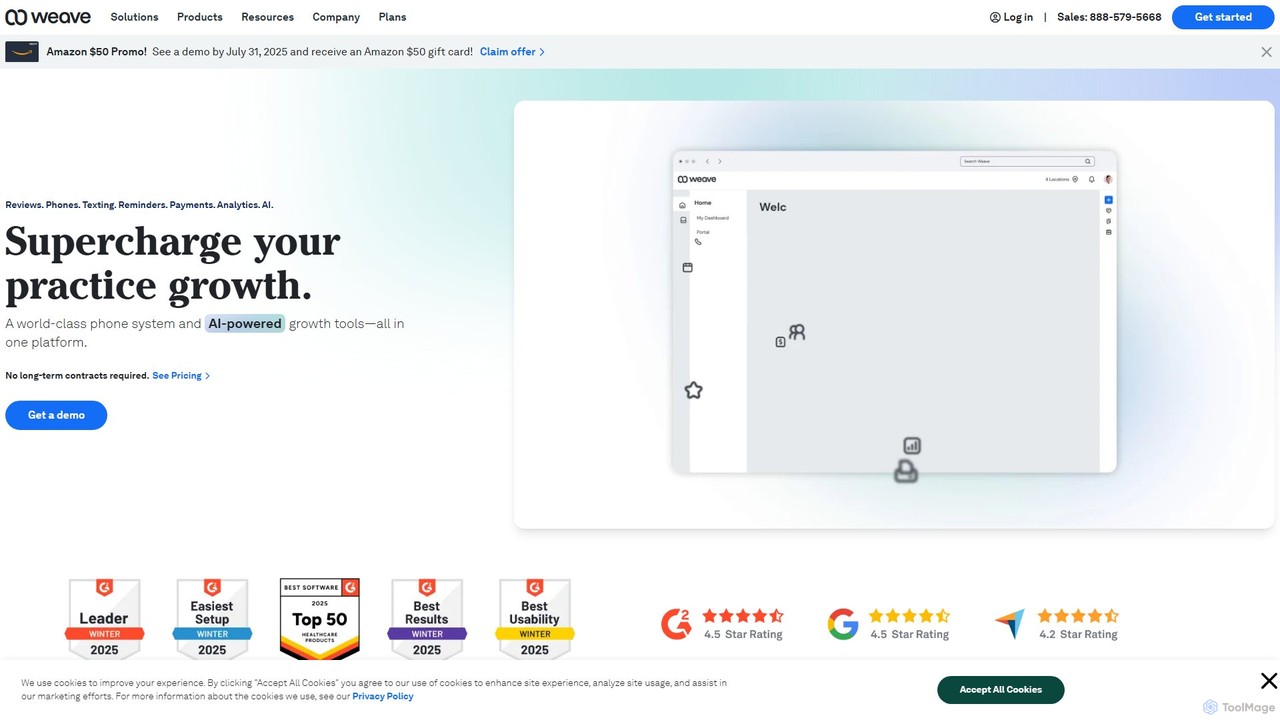
Weave is an AI-powered, all-in-one communication and growth platform for small businesses, primarily in the healthcare sector. It integrates a VoIP phone system, two-way texting, payment processing, and patient engagement tools into a single, unified interface. By leveraging AI, Weave helps practices streamline operations, enhance patient experiences, and accelerate business growth.

Crm
Visits 1.3MFavorites 149Likes 138
ChartX
Paid

ChartX

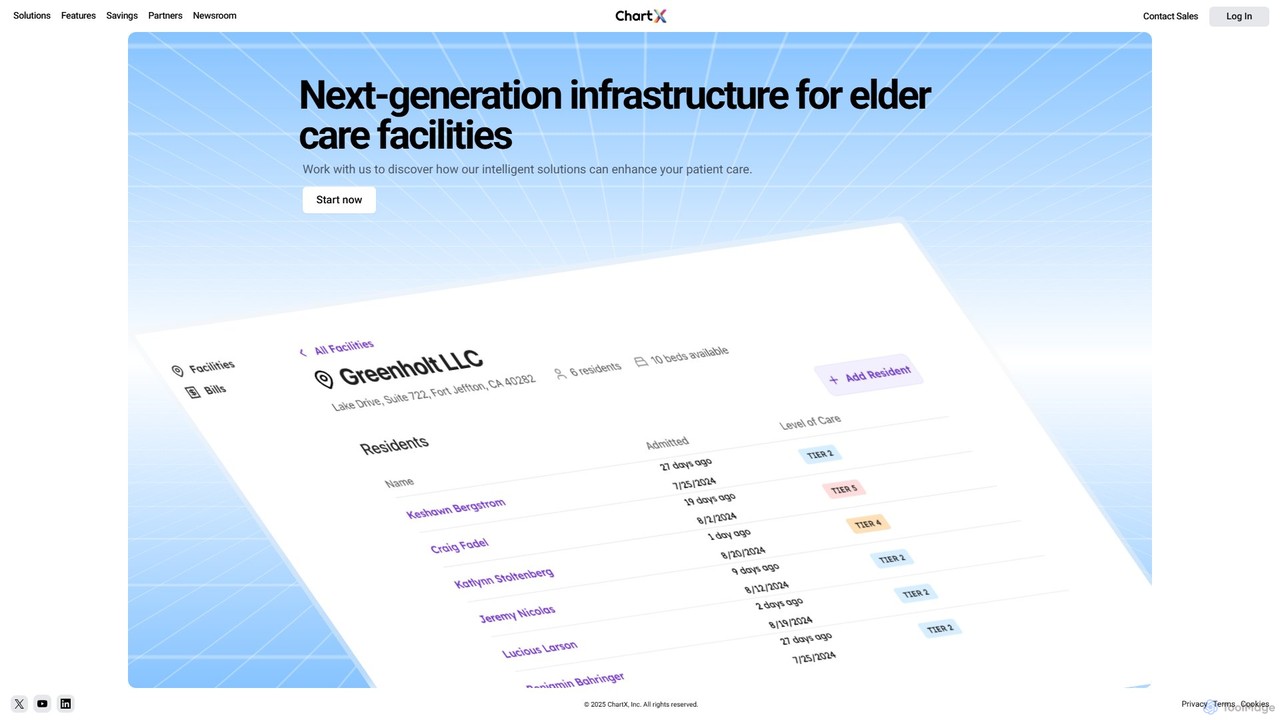
ChartX is a next-generation AI-powered infrastructure designed for elder care facilities. It streamlines operations by automating billing, patient onboarding, and financial management. The platform is HIPAA-compliant, ensuring data security while helping facilities enhance patient care, reduce administrative overhead, and improve revenue cycle management.

Operations
Visits 5.8KFavorites 125Likes 128
decodahealth
Paid

decodahealth

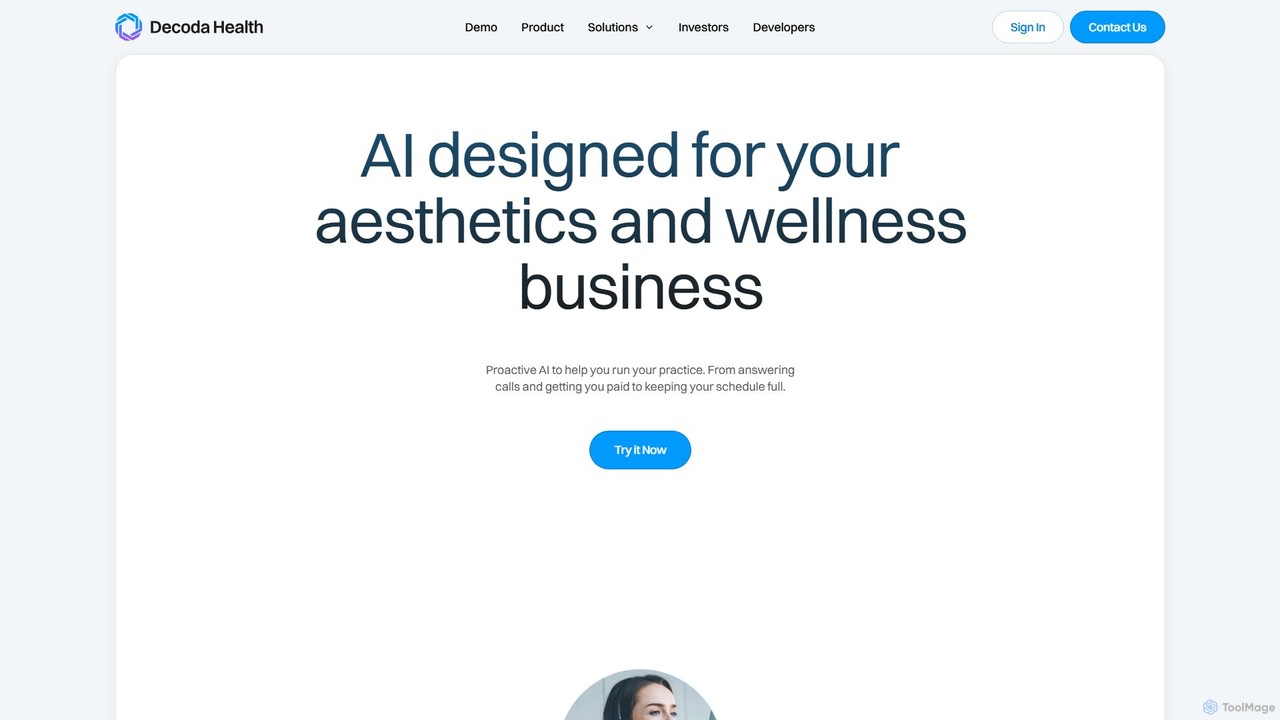
Decoda Health is an AI-powered platform designed for aesthetics and wellness medical practices. It automates front-desk operations, including 24/7 call answering, appointment scheduling, and patient intake. The system also handles payments, patient engagement, and automated clinical note-taking, consolidating multiple tools into one intelligent platform to enhance efficiency and patient satisfaction.

Virtual Assistant
Visits 12.1KFavorites 159Likes 164
Carepatron
Freemium

Carepatron

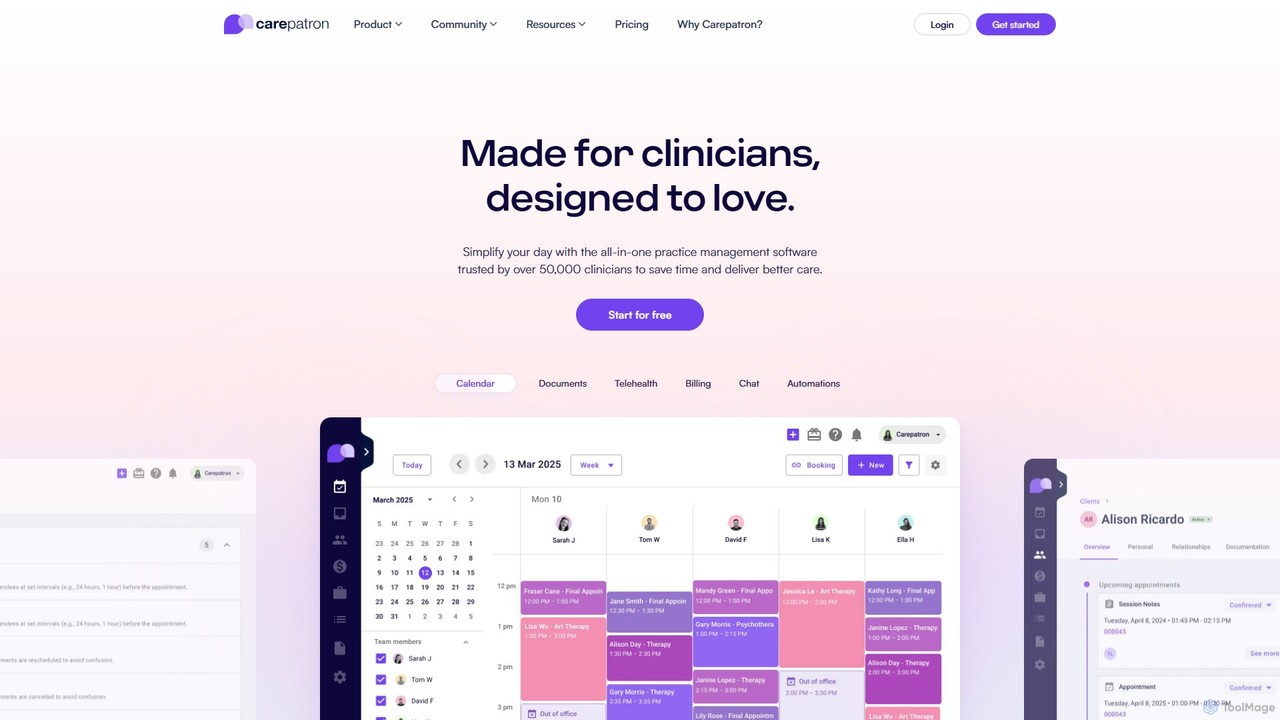
Carepatron is an all-in-one, AI-powered practice management software designed for healthcare clinicians. Trusted by over 50,000 practitioners, it simplifies daily workflows with tools for scheduling, telehealth, billing, clinical documentation, and secure client communication. By automating administrative tasks and centralizing patient information, Carepatron helps clinicians save time, reduce administrative burden, and deliver better, more collaborative patient care. Its modern, intuitive interface makes it a preferred choice for various health and wellness professionals.

Crm
Visits 793.2KFavorites 132Likes 136
Keragon
Freemium

Keragon

Keragon is the #1 no-code automation platform specifically designed for the healthcare industry. It enables healthcare organizations to connect all their software and build HIPAA-compliant workflows without writing any code. With over 300 healthcare integrations and an AI-powered visual editor, Keragon helps automate tasks like patient intake, appointment scheduling, and billing, saving time and improving operational efficiency.

No Code
Visits 34.9KFavorites 136Likes 139
Clinicminds
Paid

Clinicminds

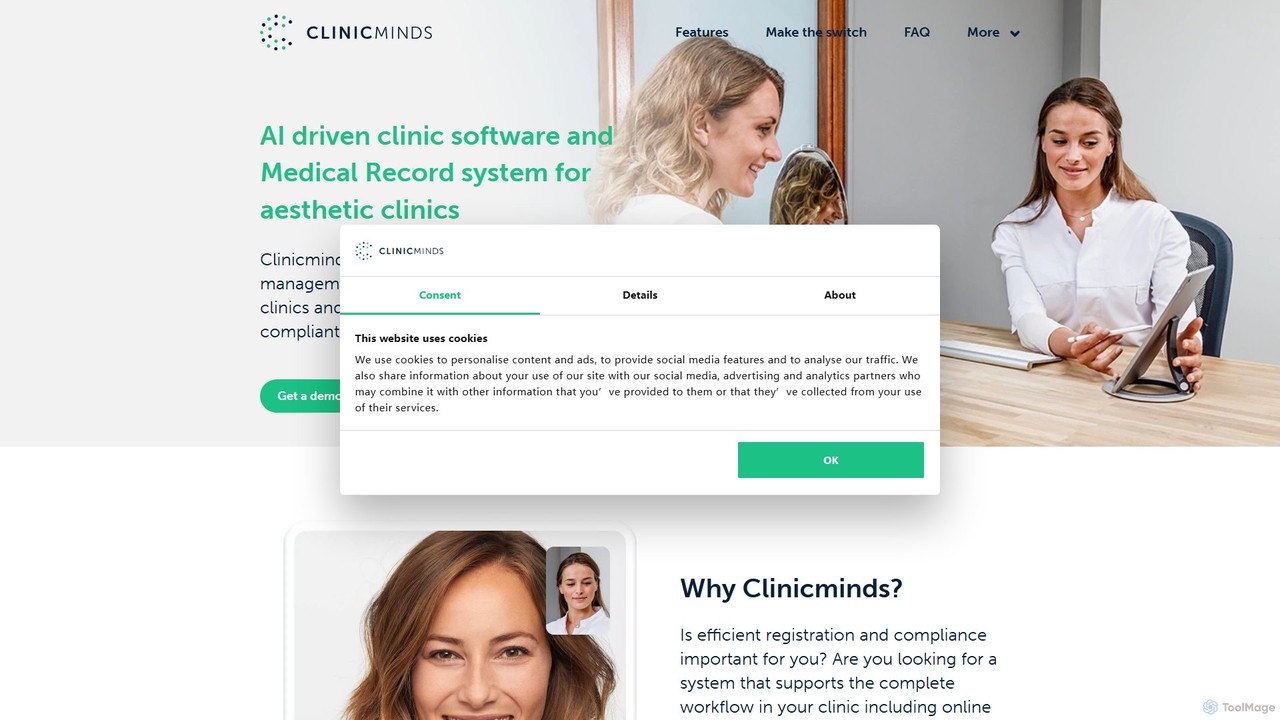
Clinicminds is an all-in-one practice management software designed for aesthetic clinics. It streamlines operations with features like electronic medical records (EMR), online appointment scheduling, digital consent forms, invoicing, and powerful analytics, helping clinics go paperless and grow their business efficiently.

Crm
Visits 209.5KFavorites 142Likes 150

About Practice Management

AI Practice Management tools are specialized solutions designed to automate and optimize the administrative and operational workflows within professional practices, particularly in healthcare. Leveraging artificial intelligence, these tools enhance efficiency in tasks like scheduling, patient communication, and billing. They aim to streamline daily operations, improve patient experience, and reduce the administrative burden on staff, allowing practitioners to focus more on patient care. These intelligent systems provide data-driven insights to foster better decision-making and resource allocation.

Core Features

  • AI-powered Scheduling & Reminders: Automate appointment booking, optimize schedules, and send intelligent reminders to reduce no-shows.
  • Intelligent Patient Communication: Utilize chatbots and AI assistants for instant patient queries, personalized follow-ups, and appointment confirmations.
  • Automated Billing & Claims Processing: Streamline medical coding, claims submission, and payment collection, minimizing errors and accelerating revenue cycles.
  • Data Analytics for Operational Insights: Analyze practice data to identify trends in patient flow, resource utilization, and operational bottlenecks for informed decision-making.
  • Virtual Administrative Assistants: Support staff by automating routine administrative tasks, document management, and data entry.

Applicable Scenarios

Medical clinics use these tools to manage patient flow from booking to follow-up, ensuring smooth operations and reduced wait times. Dental practices leverage AI for automated recall systems and personalized patient engagement. Therapy centers benefit from streamlined client intake, secure record-keeping, and efficient billing processes, allowing therapists to dedicate more time to client sessions.

How to Choose

When selecting an AI practice management solution, prioritize integration capabilities with existing EHR/PMS systems to ensure seamless data flow. Evaluate the scope of AI features, such as predictive scheduling or intelligent automation, against your specific operational needs. Consider data security and compliance (e.g., HIPAA, GDPR) as paramount. Finally, assess user-friendliness for both staff and patients, along with scalability to grow with your practice.

Featured tool rankings

Practice Management use cases

1

Automated Appointment Scheduling & Optimization

A busy medical clinic manager uses AI practice management tools to automatically fill appointment slots, minimize gaps, and send personalized reminders. The AI analyzes patient preferences and practitioner availability, reducing manual scheduling effort by 70% and decreasing no-show rates by 25%, ensuring a more efficient patient flow.

2

AI-driven Patient Intake & Onboarding

New patients at a dental office utilize an AI-powered portal to complete intake forms, medical history, and consent documents digitally before their visit. The AI guides them through the process, answers common questions, and securely integrates data into their profile, saving receptionists significant time and improving data accuracy.

3

Streamlined Medical Billing & Claims Processing

A healthcare billing specialist employs AI practice management software to automate the coding of diagnoses and procedures, submit claims to insurance providers, and track payment statuses. The AI identifies potential coding errors and claim rejections proactively, accelerating the revenue cycle and reducing administrative overhead by 30%.

4

Personalized Patient Communication & Engagement

A physical therapy center uses an AI chatbot on its website and patient portal to answer frequently asked questions, provide post-treatment care instructions, and gather patient feedback. This allows patients to get immediate support 24/7, enhancing satisfaction and freeing up administrative staff for more complex tasks.

5

Optimizing Staff Workflow & Resource Allocation

A large multi-specialty clinic's operations manager leverages AI analytics to monitor staff workload, patient wait times, and equipment utilization. The AI identifies bottlenecks and suggests optimal staffing levels or resource reallocation strategies, leading to a 20% improvement in operational efficiency and reduced staff burnout.

6

Secure & Intelligent Electronic Health Record (EHR) Management

Healthcare providers in a private practice use AI-enhanced EHR systems to securely manage patient data, from medical history to treatment plans. The AI assists with data entry, cross-references information for potential drug interactions, and provides quick access to relevant patient insights, ensuring comprehensive and compliant record-keeping.

Practice Management FAQ

What are AI Practice Management tools?

AI Practice Management tools are software solutions that use artificial intelligence to automate and optimize administrative and operational tasks within professional practices, particularly in healthcare. They leverage AI for functions like intelligent scheduling, automated patient communication, streamlined billing, and data analytics to improve efficiency, reduce manual errors, and enhance the overall patient experience.

How do AI tools enhance patient experience in practice management?

AI tools significantly enhance patient experience by offering faster, more personalized, and convenient interactions. This includes 24/7 AI chatbots for instant query resolution, automated and personalized appointment reminders, simplified digital intake forms, and quicker billing processes. These features reduce patient wait times, improve communication, and empower patients with easier access to information and services.

What are the key security considerations for AI Practice Management solutions?

Security is paramount for AI Practice Management solutions, especially due to sensitive patient data. Key considerations include robust data encryption, strict access controls, compliance with industry regulations like HIPAA (for healthcare in the US) or GDPR (in Europe), and regular security audits. Providers must ensure their AI systems are designed with privacy-by-design principles and have strong data governance policies in place.

Can AI Practice Management tools integrate with existing EHR systems?

Yes, integration with existing Electronic Health Record (EHR) systems is a critical feature for many AI Practice Management tools. Seamless integration allows for automatic data synchronization, preventing duplicate entries and ensuring that patient information is consistent and up-to-date across all platforms. This connectivity is essential for a unified workflow, enabling AI tools to leverage comprehensive patient data for better insights and automation.

What's the difference between traditional practice management software and AI-powered solutions?

Traditional practice management software primarily digitizes and organizes administrative tasks, often requiring manual input and rule-based processes. AI-powered solutions go further by introducing intelligence, automation, and predictive capabilities. They can learn from data, make autonomous decisions (e.g., optimizing schedules), personalize interactions, and identify patterns for proactive problem-solving, offering a more dynamic and efficient approach to practice operations.