ToolMage
Sign in

Best 3 Hotel Management AI tools for Hospitality

Popular Hotel Management AI tools in Hospitality include mara_solutions, Riviera, and innkeeper, helping you work more efficiently.

Riviera
Paid

Riviera

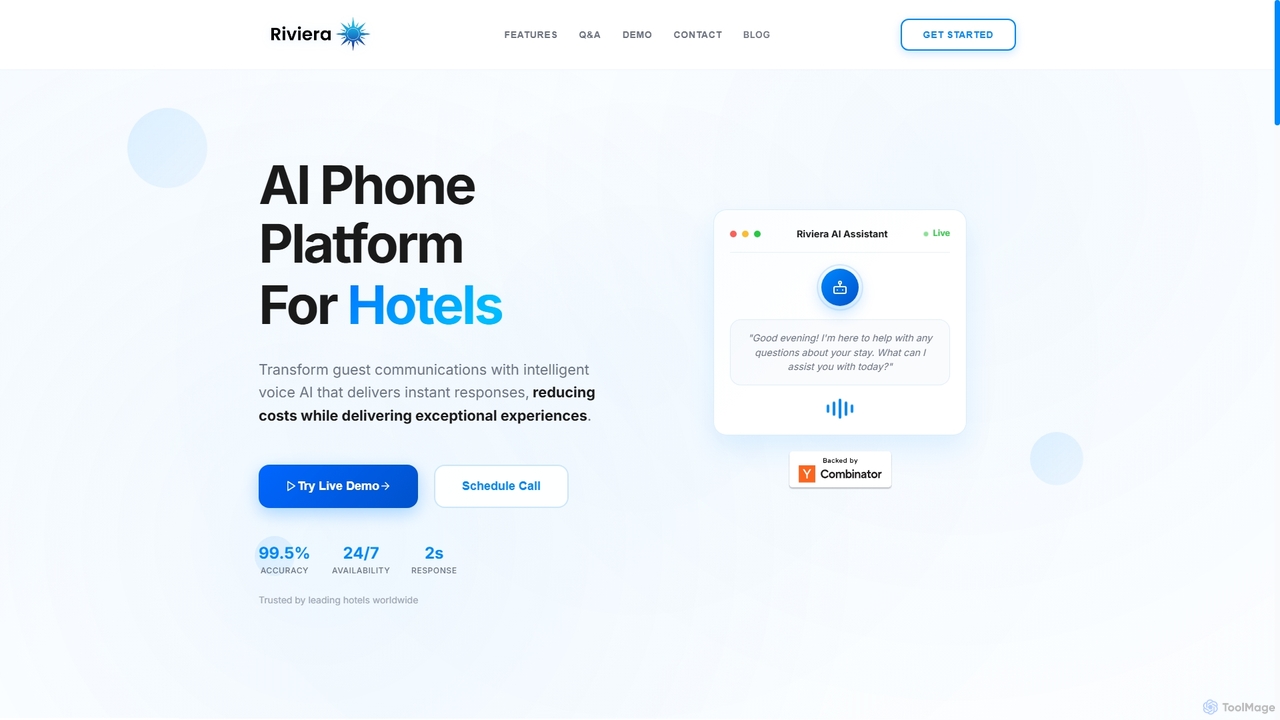
Riviera is an AI-powered voice agent platform designed for the hotel industry. It transforms guest communications by providing instant, intelligent responses 24/7, eliminating hold times, and integrating seamlessly with existing hotel systems like PBX, PMS, and POS. This reduces staff workload, cuts operational costs, and delivers an exceptional guest experience.

Voice Assistant
Visits 6.7KFavorites 142Likes 128
innkeeper
Freemium

innkeeper

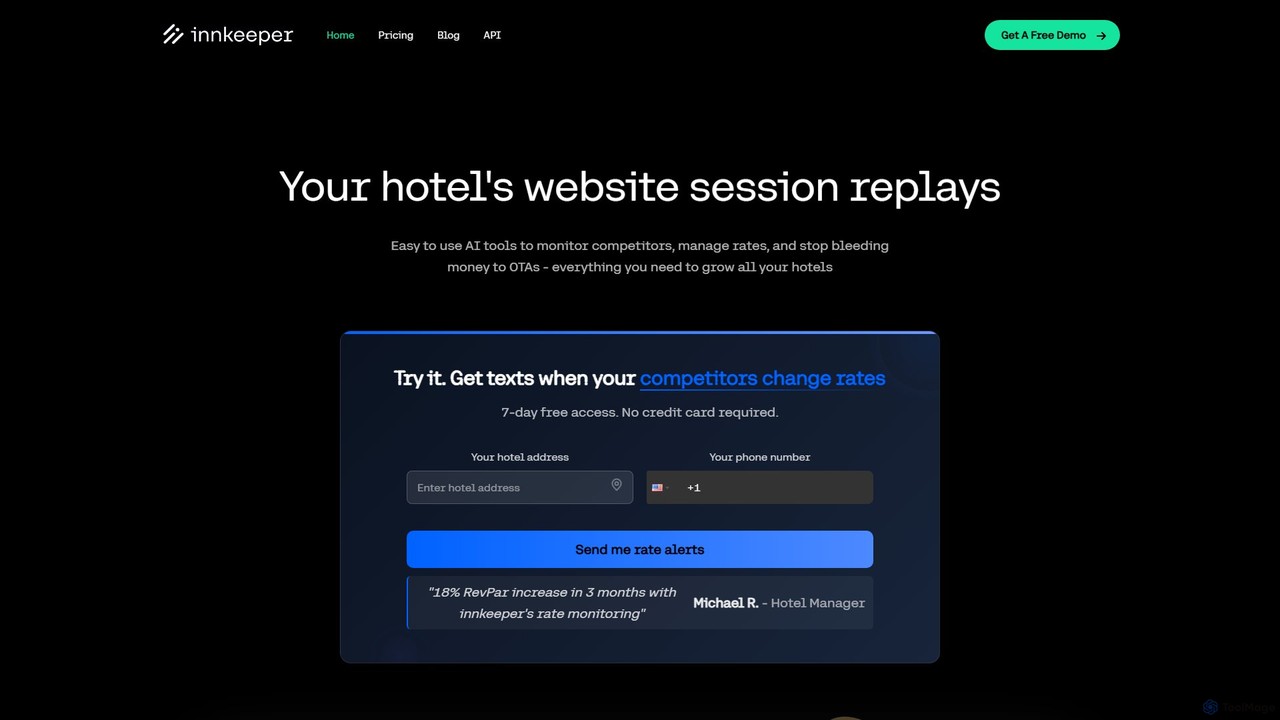
innkeeper is an all-in-one AI-powered hotel management platform designed to increase direct bookings, optimize revenue, and automate operations. It provides hotels with a high-converting website, real-time competitor rate monitoring, a 24/7 AI front desk, and dynamic pricing tools to reduce reliance on OTAs and boost profitability.

Chatbot
Visits 6.2KFavorites 147Likes 155
mara_solutions
Freemium

mara_solutions

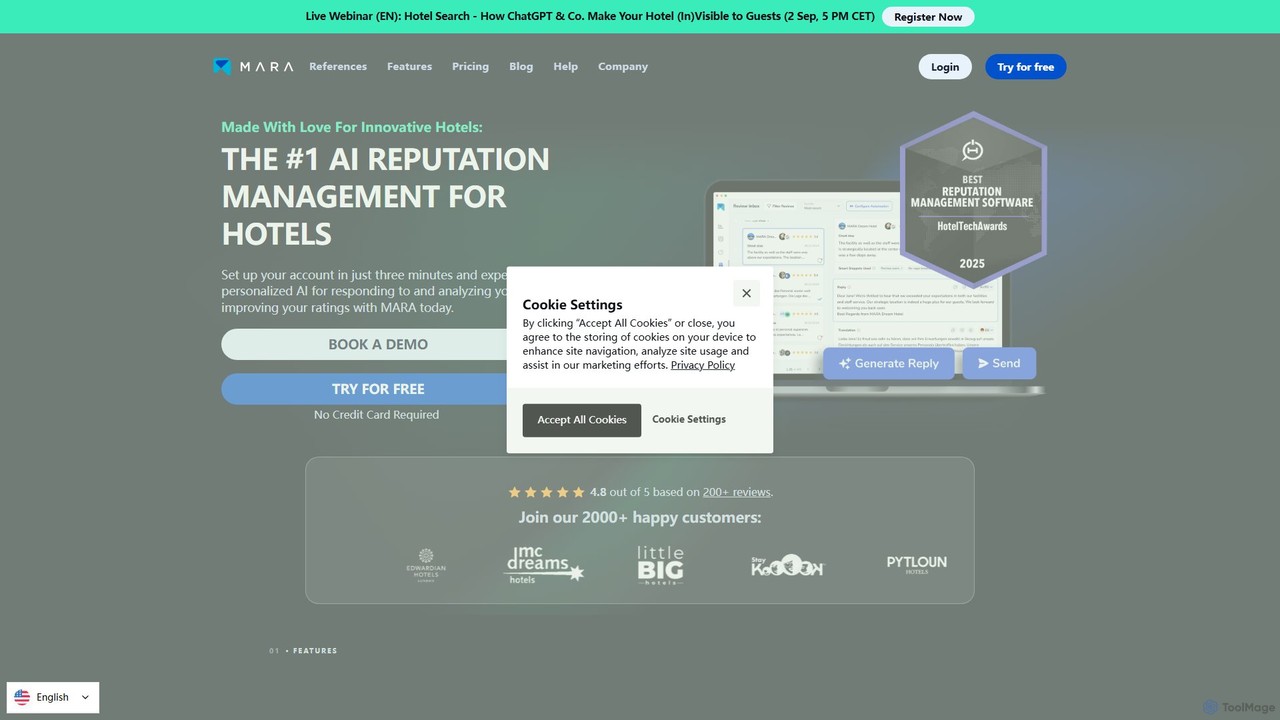
MARA is an AI-powered reputation management platform designed for the hospitality industry. It helps hotels automate personalized responses to guest reviews, analyze feedback for actionable insights, and improve their online ratings across multiple platforms, saving time and enhancing guest experience.

Reputation Management
Visits 34.2KFavorites 130Likes 128

About Hotel Management

AI Hotel Management tools are specialized software platforms that use artificial intelligence to automate and optimize hotel operations. These systems leverage machine learning for dynamic pricing, natural language processing for guest communication, and predictive analytics to forecast demand. Their primary value lies in increasing revenue, enhancing guest satisfaction, and improving operational efficiency. By analyzing vast amounts of data, these tools empower hotel managers to make smarter, data-driven decisions in real-time.

Core Features

  • Dynamic Pricing & Revenue Management: Automatically adjusts room rates based on market demand, competitor pricing, and local events to maximize revenue.
  • AI-Powered Chatbots & Concierge: Provides 24/7 automated responses to guest inquiries, booking requests, and service needs across multiple channels.
  • Predictive Operations Analytics: Forecasts occupancy rates to optimize staffing levels, inventory management, and housekeeping schedules.
  • Guest Personalization Engine: Analyzes guest data and preferences to deliver tailored recommendations, marketing offers, and in-stay experiences.
  • Reputation Management Automation: Monitors online reviews, performs sentiment analysis, and helps draft responses to manage the hotel's online brand image.

Use Cases

These tools are primarily used by revenue managers, general managers, front office staff, and marketing teams in various hospitality settings, from boutique hotels to large hotel chains. They are applied to automate pricing strategies, streamline guest communication workflows, and optimize resource allocation for housekeeping and maintenance.

How to Choose

When selecting an AI Hotel Management tool, consider its integration capabilities with your existing Property Management System (PMS). Evaluate the strength of its core features—whether you need advanced revenue management or a guest-facing chatbot. Also, assess the platform's scalability, data security protocols, and the quality of customer support provided.

Hotel Management use cases

1

Automating Dynamic Room Pricing

A revenue manager for a city hotel uses an AI tool to maximize Revenue Per Available Room (RevPAR). The system continuously analyzes real-time data, including competitor rates, flight booking trends, local events, and weather forecasts. Based on this analysis, it automatically adjusts room prices across all booking channels multiple times a day. This eliminates manual work, captures maximum revenue during peak demand, and stimulates bookings during slow periods, leading to a significant increase in overall profitability.

2

Providing 24/7 AI Concierge Services

A resort hotel implements an AI-powered chatbot on its website, mobile app, and WhatsApp. The chatbot acts as a 24/7 digital concierge, handling hundreds of simultaneous guest inquiries. It answers common questions about amenities, check-in/out times, and local attractions. It also processes room service orders and spa booking requests directly. This frees up front desk staff to focus on high-value, in-person interactions, reduces wait times for guests, and ensures consistent, accurate information is always available.

3

Predicting Staffing and Inventory Needs

An operations manager at a large hotel chain uses an AI platform to optimize resource allocation. The system analyzes historical booking data, upcoming events, and seasonal trends to generate highly accurate occupancy forecasts. Based on these predictions, it recommends optimal staffing levels for housekeeping, front desk, and restaurant staff for the upcoming weeks. It also predicts consumption of supplies like linens and toiletries, automating purchase orders to prevent stockouts and reduce waste, leading to significant cost savings.

4

Personalizing the Guest Experience at Scale

A marketing manager at a boutique hotel uses an AI system to create personalized guest journeys. The tool integrates with the PMS to analyze guest history, preferences, and past feedback. Before arrival, it automatically sends a personalized welcome email with tailored recommendations for local dining or activities. During the stay, it can trigger targeted offers for a spa discount or a happy hour reminder based on the guest's profile. This level of personalization, previously difficult to scale, enhances guest satisfaction and encourages ancillary revenue.

5

Streamlining Online Reputation Management

A hotel's general manager uses an AI reputation management tool to monitor guest feedback. The platform aggregates reviews from dozens of sites like TripAdvisor, Google, and Booking.com into a single dashboard. Its NLP capabilities analyze the sentiment of each review, identifying recurring themes (e.g., 'slow check-in,' 'excellent breakfast'). This provides actionable insights for operational improvements. The tool can also generate draft responses to reviews, saving the manager hours each week while ensuring a timely and consistent brand voice.

6

Optimizing Energy Consumption with Smart Controls

A facilities manager for an eco-conscious hotel brand integrates an AI-powered energy management system with the PMS and in-room smart devices (thermostats, lighting). The AI learns guest patterns and analyzes real-time occupancy data. When a room is unoccupied or a guest checks out, the system automatically adjusts the temperature to an energy-saving level and turns off lights. It can also pre-cool or pre-heat rooms just before a guest's scheduled arrival. This proactive energy management significantly reduces utility costs and supports the hotel's sustainability goals.

Hotel Management FAQ

What is AI Hotel Management software?

AI Hotel Management software is a category of tools that use artificial intelligence to optimize and automate various aspects of hotel operations. Unlike a traditional Property Management System (PMS) which primarily serves as a database for bookings and guest information, AI tools add a layer of intelligence. They analyze data to perform tasks like dynamic pricing, predictive staffing, personalized guest communication, and reputation management, helping hotels increase revenue and improve efficiency.

How to choose the right AI Hotel Management tool?

Choosing the right tool depends on your hotel's specific needs. Consider these factors:

  • Integration: Ensure it seamlessly integrates with your existing Property Management System (PMS) and other software.
  • Core Functionality: Identify your primary goal. Do you need to optimize revenue (dynamic pricing), improve guest service (chatbots), or streamline operations (predictive analytics)?
  • Scalability: Choose a solution that can grow with your business, whether you're a single boutique hotel or a multi-property chain.
  • Ease of Use: The platform should be intuitive for your staff to use without extensive training.
  • Data Security: Verify that the provider complies with data protection regulations like GDPR to safeguard guest information.
What's the difference between an AI Hotel Management system and a traditional PMS?

A traditional Property Management System (PMS) is a system of record. Its main job is to manage reservations, check-ins/outs, room inventory, and billing. It's foundational but largely reactive. An AI Hotel Management system is a layer of intelligence that often works with a PMS. It's proactive, using data from the PMS and other sources to make predictions, automate decisions (like pricing), and personalize guest interactions. In short, a PMS manages what is happening, while an AI system optimizes what should happen next.

What are the key benefits of using AI in hotel management?

The primary benefits of implementing AI in hotel management include:

  • Increased Revenue: Dynamic pricing tools maximize revenue per available room (RevPAR) by responding to real-time market conditions.
  • Improved Efficiency: Automating routine tasks like answering FAQs, processing requests, and scheduling staff frees up employees for more complex, guest-facing roles.
  • Enhanced Guest Experience: Personalization engines and 24/7 AI concierges provide tailored, responsive service that increases guest satisfaction and loyalty.
  • Data-Driven Decisions: AI provides predictive insights into occupancy, guest behavior, and operational needs, allowing managers to make proactive, informed choices rather than relying on historical data alone.
Can small or boutique hotels benefit from AI Hotel Management tools?

Absolutely. While once reserved for large chains, many modern AI hotel management tools are cloud-based and offered via affordable subscription models (SaaS), making them accessible to smaller properties. For boutique hotels, AI can be a powerful competitive advantage. It allows them to offer a high degree of personalization and service efficiency that rivals larger competitors, optimize pricing to maximize revenue from a smaller inventory, and automate administrative tasks to free up a small team to focus on creating a unique guest experience.