ToolMage
Sign in

Best 1 Vacation Rentals AI tools for Hospitality

Popular Vacation Rentals AI tools in Hospitality include ShortRentals, helping you work more efficiently.

ShortRentals
Paid

ShortRentals

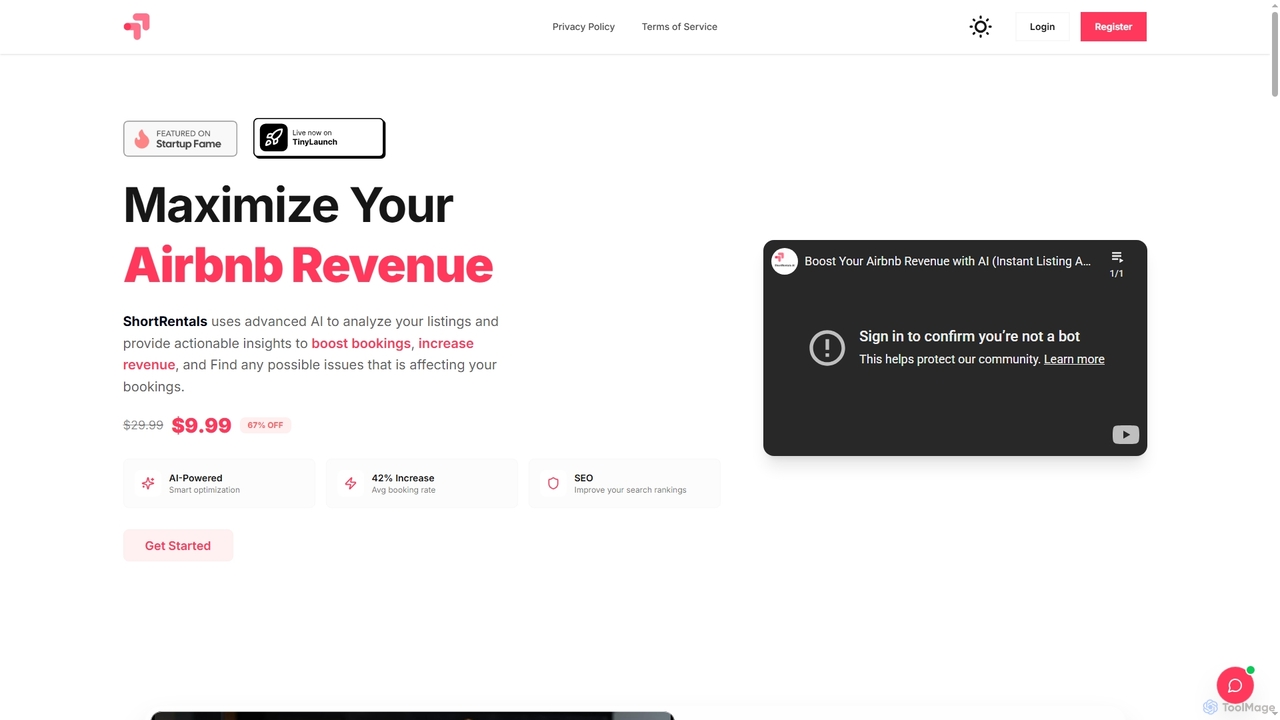
ShortRentals is an AI-powered tool designed for Airbnb hosts and property managers to optimize their listings. It analyzes listings to provide actionable insights on SEO, pricing, and amenities, aiming to boost bookings, increase revenue, and identify potential issues affecting performance.

Property Management
Visits 5.9KFavorites 154Likes 145

About Vacation Rentals

Vacation Rentals are specialized online platforms and software solutions designed to facilitate the short-term rental of furnished properties, offering travelers a diverse alternative to traditional hotels. These tools leverage advanced digital booking systems, comprehensive property management features, and integrated communication channels to efficiently connect property owners or managers with guests seeking unique accommodation experiences. They streamline the entire rental process, from creating compelling listings and managing bookings to automating guest communication, handling secure payments, and optimizing pricing, ultimately enhancing operational efficiency and maximizing property occupancy and revenue within the broader hospitality sector.

Core Features

  • Property Listing & Content Management: Enables owners to create detailed, attractive property profiles with high-quality photos, descriptions, and amenities, managing all property-specific information and content across various platforms.
  • Online Booking & Secure Payment Processing: Provides guests with a seamless experience to browse, select, and instantly book properties, supported by secure payment gateways that handle transactions and deposits efficiently.
  • Automated Guest Communication & Support: Offers integrated messaging systems, automated welcome messages, check-in instructions, and pre-scheduled communications to ensure timely and effective interaction with guests throughout their stay.
  • Dynamic Pricing & Revenue Optimization: Utilizes algorithms and market data analytics to automatically adjust rental rates based on real-time demand, seasonality, local events, and competitor pricing, maximizing rental income.
  • Channel Management & Listing Syndication: Synchronizes property availability, rates, and bookings across multiple online travel agencies (OTAs) like Airbnb, Booking.com, and Vrbo, as well as direct booking websites, preventing double bookings and expanding market reach.

Applicable Scenarios

These tools are indispensable for individual homeowners looking to generate income from their secondary residences or spare rooms, professional property management companies overseeing extensive portfolios of vacation homes, and boutique hospitality providers offering unique, curated stays. They also serve travelers seeking more space, privacy, kitchen facilities, or a localized experience compared to hotels, catering to family vacations, group trips, or extended business stays.

How to Choose

When selecting a vacation rental platform or management software, prioritize solutions that offer intuitive user interfaces for both owners and guests, robust channel integration capabilities, and transparent pricing models. Key features to evaluate include comprehensive property management tools, advanced dynamic pricing algorithms, efficient guest communication automation, and detailed reporting for performance analysis. Additionally, consider the platform's scalability to accommodate future growth and the quality of its customer support for reliable assistance.

Vacation Rentals use cases

1

Streamlining Guest Check-in and Check-out

A vacation rental property manager utilizes specialized software to automate the entire guest arrival and departure process. This involves sending automated welcome messages, digital access codes for smart locks, and detailed check-out instructions via integrated messaging platforms. By eliminating manual key exchanges and repetitive communication, the manager saves significant time, reduces the risk of human error, and provides guests with a seamless, self-service experience, especially for late arrivals or early departures.

2

Dynamic Pricing for Peak Season & Events

An individual homeowner renting out their beach house uses a dynamic pricing tool integrated with their vacation rental platform. The tool analyzes local demand, competitor pricing, seasonal trends, and upcoming events (e.g., festivals, holidays) to automatically adjust nightly rates. This ensures the property is priced competitively during low seasons to attract bookings and maximizes revenue during peak times, leading to a significant increase in overall rental income without constant manual adjustments.

3

Centralized Management of Multi-Platform Listings

A property management company overseeing 50+ vacation homes employs a channel manager to synchronize all property listings across major platforms like Airbnb, Booking.com, and Vrbo. This tool automatically updates availability calendars, rates, and property details in real-time across all channels from a single dashboard. This prevents double bookings, ensures consistent information, and drastically reduces the administrative burden of managing listings manually, allowing the team to focus on guest experience.

4

Automated 24/7 Guest Inquiry Handling

A host with multiple properties implements an AI-powered chatbot or automated messaging system within their vacation rental platform. This system is trained to answer frequently asked questions about amenities, local attractions, Wi-Fi passwords, and check-in procedures instantly, at any time. This ensures guests receive immediate assistance, improving satisfaction, while freeing the host from constant availability, allowing them to manage other aspects of their business more effectively.

5

Generating Engaging Property Descriptions

A new vacation rental owner struggles to write compelling descriptions for their property listings. They use an AI content generation tool specifically designed for real estate or hospitality. By inputting key features, location highlights, and target guest demographics, the AI generates several unique, SEO-friendly descriptions that highlight the property's best attributes and appeal to potential renters. This saves time and ensures high-quality, persuasive marketing copy for their listings.

6

Performance Analytics for Business Growth

A vacation rental business owner uses an analytics dashboard provided by their management software to monitor key performance indicators (KPIs) such as occupancy rates, average daily rate (ADR), and revenue per available room (RevPAR). By analyzing historical data and market trends, they can identify periods of low demand, optimize pricing strategies, and pinpoint properties that require improvements or targeted marketing efforts. This data-driven approach helps in making informed decisions for sustainable business growth.

Vacation Rentals FAQ

What are Vacation Rentals platforms?

Vacation Rentals platforms are online services and software solutions that enable property owners or managers to list, market, and manage short-term rental properties to travelers. These platforms act as intermediaries, connecting guests seeking temporary accommodation with hosts offering furnished homes, apartments, or unique spaces. They typically feature tools for online booking, secure payment processing, guest communication, and calendar management, providing a comprehensive ecosystem for the vacation rental industry as a distinct segment within hospitality.

How to choose the right Vacation Rental management tool?

Choosing the right vacation rental management tool involves assessing several key factors. First, consider the platform's integration capabilities with major online travel agencies (OTAs) to ensure broad market reach and prevent double bookings. Second, evaluate its automation features for guest communication, check-ins, and pricing adjustments to save time. Third, look for robust reporting and analytics to track performance and optimize revenue. Finally, prioritize user-friendliness for both you and your guests, along with reliable customer support and a clear pricing structure that aligns with your budget and property portfolio size.

What key features should I look for in Vacation Rental software?

When selecting vacation rental software, prioritize features that streamline operations and enhance guest experience. Essential functionalities include:

  • Channel Manager: To synchronize listings and bookings across multiple platforms.
  • Dynamic Pricing Engine: For automated rate adjustments based on market demand.
  • Guest Communication Tools: Integrated messaging, automated responses, and pre-scheduled messages.
  • Booking Engine: For direct bookings on your own website.
  • Property Management System (PMS): To manage calendars, tasks, and maintenance.
  • Payment Processing: Secure and efficient handling of transactions and deposits.

These features collectively help in maximizing occupancy, optimizing revenue, and reducing administrative workload.

What are the main benefits of using Vacation Rental tools for property owners?

For property owners, vacation rental tools offer numerous benefits that significantly enhance efficiency and profitability. They provide broader market exposure by listing properties across multiple platforms, leading to higher occupancy rates. Automation features for guest communication, check-ins, and pricing save considerable time and reduce manual effort. Owners can also optimize revenue through dynamic pricing strategies that respond to market fluctuations. Furthermore, these tools offer centralized management of bookings, calendars, and guest data, simplifying operations and improving overall guest satisfaction, ultimately leading to increased income and a more professional rental business.

How do Vacation Rentals differ from traditional hotels?

Vacation Rentals primarily differ from traditional hotels in their accommodation type and guest experience. Hotels typically offer standardized rooms with daily services like housekeeping and front desk support, often in larger commercial buildings. Vacation rentals, conversely, provide private, furnished properties (homes, apartments, villas) that offer more space, privacy, and amenities like full kitchens and laundry facilities, mimicking a home-away-from-home experience. While hotels focus on consistent service, vacation rentals emphasize unique, localized stays and often involve direct interaction with individual hosts or property managers, offering a more personalized and often more cost-effective option for longer stays or groups.