ToolMage
Sign in

Best 1 Professional Development AI tools for Hospitality

Popular Professional Development AI tools in Hospitality include MAJC, helping you work more efficiently.

MAJC
Free

MAJC

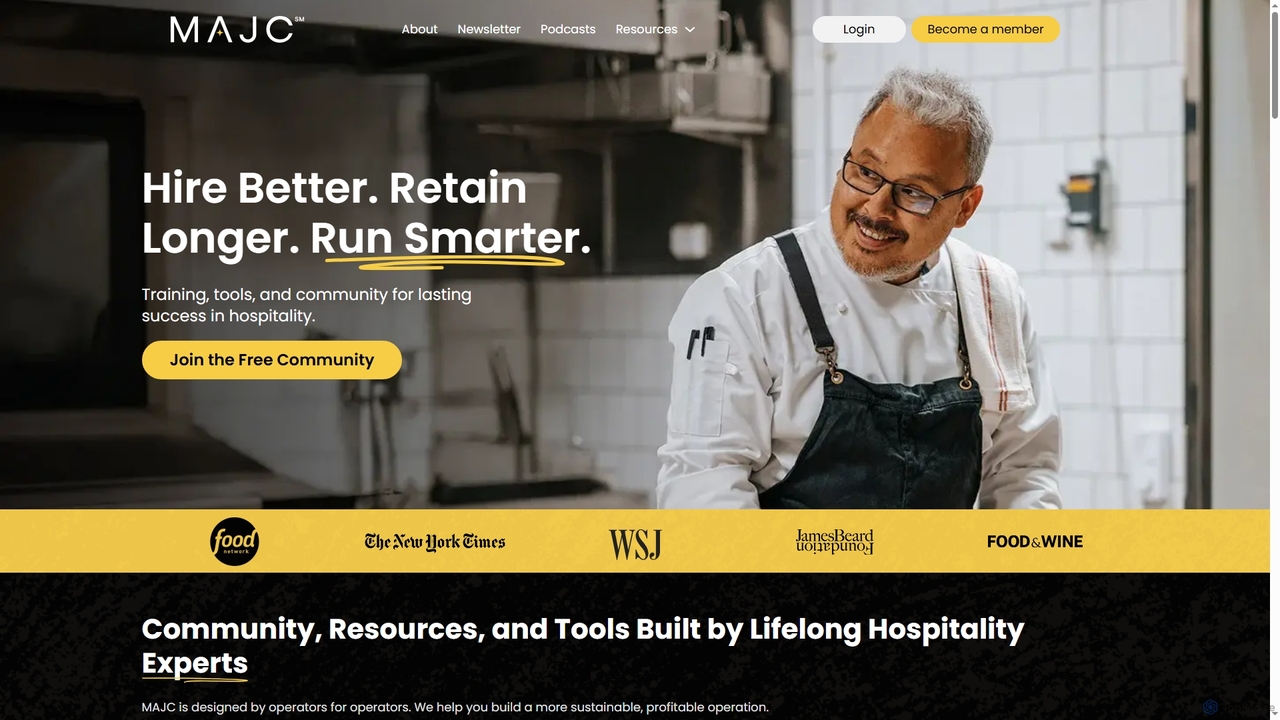
MAJC is a global community and platform dedicated to empowering hospitality professionals. It offers expert-led training, practical tools, and a supportive network to help businesses improve hiring, enhance staff retention, streamline operations, and foster sustainable growth within the industry.

Networking
Visits 18.5KFavorites 143Likes 164

About Professional Development

Professional Development AI tools are specialized platforms designed to enhance the skills, knowledge, and career trajectories of individuals within the dynamic hospitality sector. Leveraging advanced artificial intelligence, these tools offer highly personalized learning experiences, precise skill assessments, and immersive training simulations. They empower hospitality professionals, from front-line staff to management, to acquire new competencies, adapt swiftly to evolving industry changes, and strategically advance their careers, directly contributing to improved service quality, operational excellence, and guest satisfaction across hotels, restaurants, and other service establishments.

Core Features

  • Personalized Learning Paths: AI algorithms meticulously tailor educational content, modules, and learning pace based on an individual's current role, identified skill gaps, and specific career aspirations within the hospitality industry. This ensures highly relevant and efficient upskilling.
  • Virtual Training & Simulation: Provides realistic, interactive simulations for a wide array of hospitality scenarios, such as complex customer service interactions, operational task execution (e.g., check-in processes), or language practice. This offers a safe, low-stakes environment for skill refinement and error correction.
  • Skill Assessment & Gap Analysis: AI-driven evaluations precisely identify an individual's strengths and weaknesses across various hospitality competencies. Based on this analysis, the tools recommend targeted training modules to effectively close specific skill gaps, ensuring continuous improvement.
  • Language & Cross-cultural Communication Training: Offers specialized modules to improve multilingual communication skills, including industry-specific vocabulary and phrases, alongside training in cultural understanding crucial for diverse international guest interactions.
  • Career Pathing & Mentorship: AI assists in mapping potential career progression within the hospitality sector by analyzing current skills and industry trends. It suggests relevant advanced courses, certifications, and can even connect users with virtual mentors for guidance.

Applicable Scenarios

These tools are invaluable for large hotel chains onboarding new staff efficiently, ensuring consistent service standards from day one. Restaurant groups can utilize them to upskill managers in advanced culinary techniques, inventory management, or sophisticated customer relationship management. Individual hospitality professionals can leverage these platforms to specialize in high-demand areas like revenue management, sustainable tourism practices, or digital marketing for hotels, facilitating continuous learning and ensuring staff remain competitive and adaptable in a rapidly evolving industry landscape.

How to Choose

When selecting a Professional Development AI tool for the hospitality sector, prioritize solutions that offer deeply industry-specific content and realistic scenarios, directly relevant to roles like front desk, F&B, or housekeeping. Look for robust personalization features that adapt to individual learning styles, interactive simulation capabilities for practical skill development, and clear, measurable skill assessment metrics. Additionally, consider seamless integration with existing HR or learning management systems, overall user-friendliness, and the ability to track progress and provide certifications recognized within hospitality standards.

Professional Development use cases

1

Personalized Upskilling for Front-Desk Staff

Hotel front-desk personnel can use AI tools to receive personalized training modules focused on enhancing specific skills like conflict resolution, upselling premium services, or handling complex guest inquiries. The AI adapts content based on their performance in simulated scenarios, providing targeted feedback and practice opportunities to improve guest satisfaction and operational efficiency.

2

Virtual Culinary Skill Enhancement for Chefs

Chefs and culinary professionals can leverage AI-powered platforms for virtual training in advanced cooking techniques, new cuisine types, or stringent food safety protocols. These tools offer interactive simulations, step-by-step guides, and real-time feedback on execution, enabling continuous skill refinement and certification without disrupting kitchen operations.

3

Language & Cultural Fluency for International Guest Services

Hospitality staff interacting with international guests, such as concierges or guest relations managers, can utilize AI language learning tools. These platforms provide scenario-based practice for common guest requests, cultural etiquette training, and pronunciation correction, ensuring seamless communication and a more welcoming experience for diverse visitors.

4

Leadership Development for Hotel & Restaurant Managers

Managers in hotels and restaurants can engage with AI-driven leadership development programs. These tools offer simulations for strategic decision-making, team management, and crisis resolution within a hospitality context. They provide insights into leadership styles and their impact, fostering effective management practices and improving team performance.

5

Customer Service Simulation for New Hospitality Hires

New employees across various hospitality roles (e.g., waitstaff, housekeeping, reception) can undergo immersive AI-powered customer service simulations. This allows them to practice handling a wide range of guest interactions, from routine requests to challenging complaints, in a risk-free virtual environment, building confidence and competence before engaging with real guests.

6

Career Pathing & Skill Gap Analysis for Hospitality Employees

Hospitality employees can use AI tools to analyze their current skill set against desired career paths within the industry, such as moving from a server to a restaurant manager or from front desk to revenue management. The AI identifies specific skill gaps and recommends tailored courses, certifications, and mentorship opportunities to facilitate their professional growth and advancement.

Professional Development FAQ

What are AI tools for Professional Development in Hospitality?

AI tools for Professional Development in Hospitality are technology solutions that use artificial intelligence to deliver personalized, efficient, and engaging training and skill-enhancement programs specifically for the hotel, restaurant, and broader service industries. They go beyond traditional methods by adapting to individual learning styles, offering interactive simulations, and providing data-driven insights to accelerate career growth and improve service quality.

How do these AI tools personalize learning for hospitality professionals?

These AI tools personalize learning by first assessing an individual's existing skills, knowledge, and learning preferences. Based on this data, AI algorithms then curate a customized curriculum, recommend specific modules, and adjust the pace and difficulty of content. This ensures that each hospitality professional receives highly relevant training that directly addresses their unique development needs and career goals, making learning more effective and engaging.

What are the key benefits of using AI for professional development in the hospitality sector?

The key benefits include highly personalized training that addresses individual skill gaps, leading to faster and more effective learning. AI tools offer flexible, on-demand access to training, reducing operational disruptions. They provide realistic simulations for practical skill development, improve language and cross-cultural communication, and offer data-driven insights into employee progress, ultimately enhancing service quality, staff retention, and career advancement opportunities within hospitality.

How do AI-powered professional development tools differ from traditional training methods in hospitality?

AI-powered tools differ significantly from traditional methods by offering dynamic, adaptive, and highly personalized learning experiences, unlike static manuals or generic workshops. They provide immediate, data-driven feedback and allow for risk-free practice through simulations, which traditional methods often lack. AI tools also enable continuous learning and skill gap analysis, making professional development more efficient, measurable, and tailored to the fast-evolving demands of the hospitality industry.

What should I consider when choosing an AI professional development tool for my hospitality team?

When selecting an AI professional development tool, consider its relevance to specific hospitality roles and industry standards. Evaluate the depth of its personalization features, the realism and variety of its simulation capabilities, and its ability to provide actionable skill assessments. Also, look into ease of integration with existing HR/LMS systems, user experience, data privacy policies, and the availability of certifications recognized within the hospitality sector to ensure maximum impact and ROI.