Image & Video Best in category 1 results 3D Conversion AI Tool

Popular AI tools in the 3D Conversion field of Image & Video include Leia Inc., etc., helping you quickly improve efficiency.

Leia Inc.

Leia Inc.

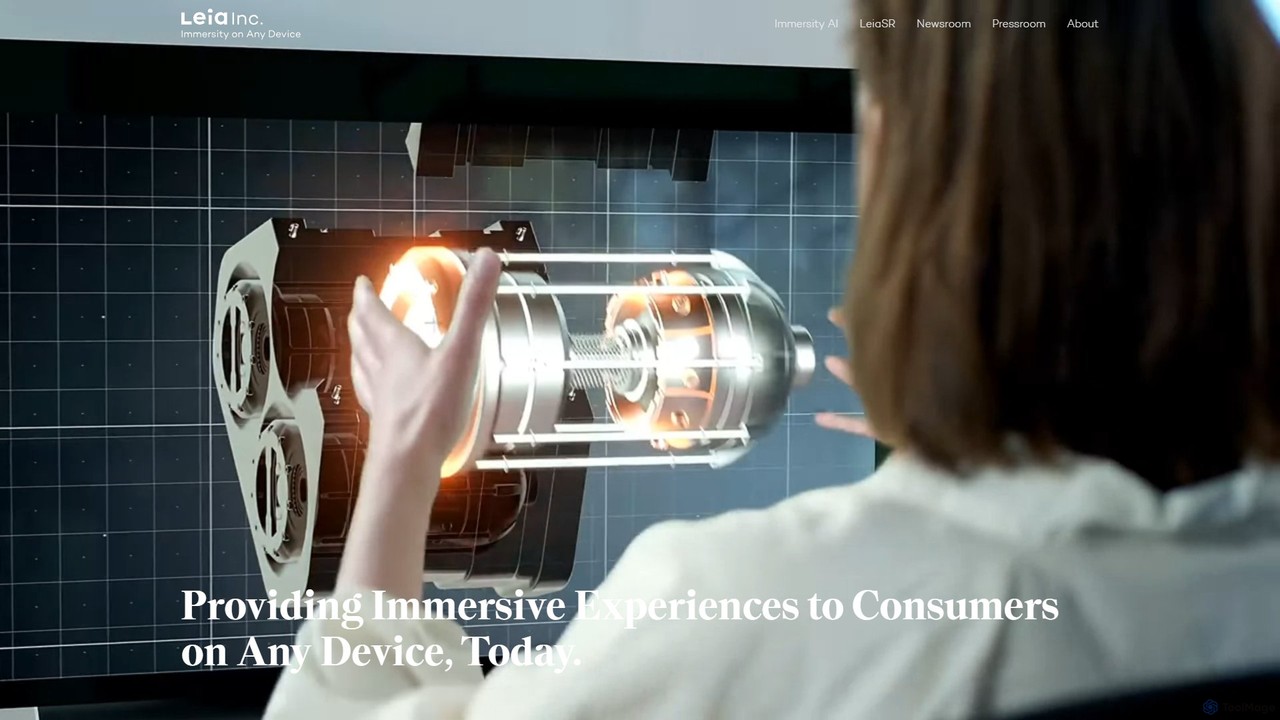
Leia Inc. provides LeiaSR™, an AI-powered technology platform that converts standard 2D displays into immersive, glasses-free 3D experiences. …

2.7K

About 3D Conversion

3D Conversion tools are AI-powered applications designed to transform 2D data, such as images, videos, or text, into three-dimensional models or scenes. Leveraging advanced computer vision and deep learning algorithms, these tools automate the complex process of generating realistic or stylized 3D assets. They significantly reduce the manual effort and specialized skills traditionally required for 3D modeling, enabling faster content creation and broader accessibility to 3D design across various industries.

Core Features

  • 2D Image to 3D Model: Automatically generates a 3D mesh and texture from a single 2D image or multiple views.
  • Video to 3D Scene/Object: Extracts 3D information from video footage to reconstruct environments or moving objects.
  • Text to 3D Asset: Creates 3D models based on textual descriptions, often integrating with generative AI.
  • Point Cloud to Mesh: Converts raw point cloud data (e.g., from LiDAR scans) into usable 3D polygonal models.
  • Format Conversion & Optimization: Transforms 3D models between various file formats and optimizes them for different platforms.

Applicable Scenarios

These tools are invaluable for game developers needing rapid asset creation, AR/VR content creators building immersive experiences, and product designers visualizing prototypes. They also assist architects in converting blueprints to 3D models and marketing professionals in generating interactive product showcases.

How to Choose

When selecting a 3D Conversion tool, consider the accuracy and realism of the output, the range of supported input (images, video, text, point clouds) and output formats (OBJ, FBX, GLB), processing speed, and ease of integration with existing 3D workflows. Evaluate the level of customization offered and the pricing model based on your project scale and budget.

3D ConversionUse Cases

1

Rapid Game Asset Creation

Game developers can quickly convert concept art or real-world object photos into game-ready 3D models, significantly accelerating the asset pipeline for environments, props, and characters. This reduces the need for extensive manual modeling, allowing for more iterative design and faster deployment of new game content.

2

AR/VR Environment Generation

AR/VR content creators utilize 3D conversion to transform panoramic images or video footage into immersive 3D environments. This enables the rapid prototyping and deployment of virtual tours, interactive training simulations, or augmented reality experiences by converting real-world captures into digital spaces.

3

Product Visualization for E-commerce

E-commerce businesses can convert 2D product photos into interactive 3D models. Customers can then view products from all angles, zoom in, and even place them in their own environment using AR, enhancing the online shopping experience and potentially reducing returns.

4

Architectural Model Generation from Blueprints

Architects and interior designers can convert 2D floor plans and elevation drawings into detailed 3D architectural models. This streamlines the visualization process for clients, facilitates design reviews, and integrates seamlessly with building information modeling (BIM) workflows.

5

Historical Object Digitalization

Museums and cultural heritage institutions use 3D conversion to create digital replicas of artifacts from photographs or scans. These 3D models can be used for virtual exhibitions, research, preservation, and educational purposes, making historical objects accessible globally without physical handling.

6

Marketing & Advertising Content

Marketing teams can transform existing 2D brand assets or product images into dynamic 3D animations or interactive experiences for campaigns. This allows for more engaging advertisements on social media, websites, or interactive kiosks, capturing audience attention with novel visual content.

3D ConversionFrequently Asked Questions