ToolMage
Sign in

Best 1 Personalization AI tools for Image & Video

Popular Personalization AI tools in Image & Video include outfitideas, helping you work more efficiently.

outfitideas
Freemium

outfitideas

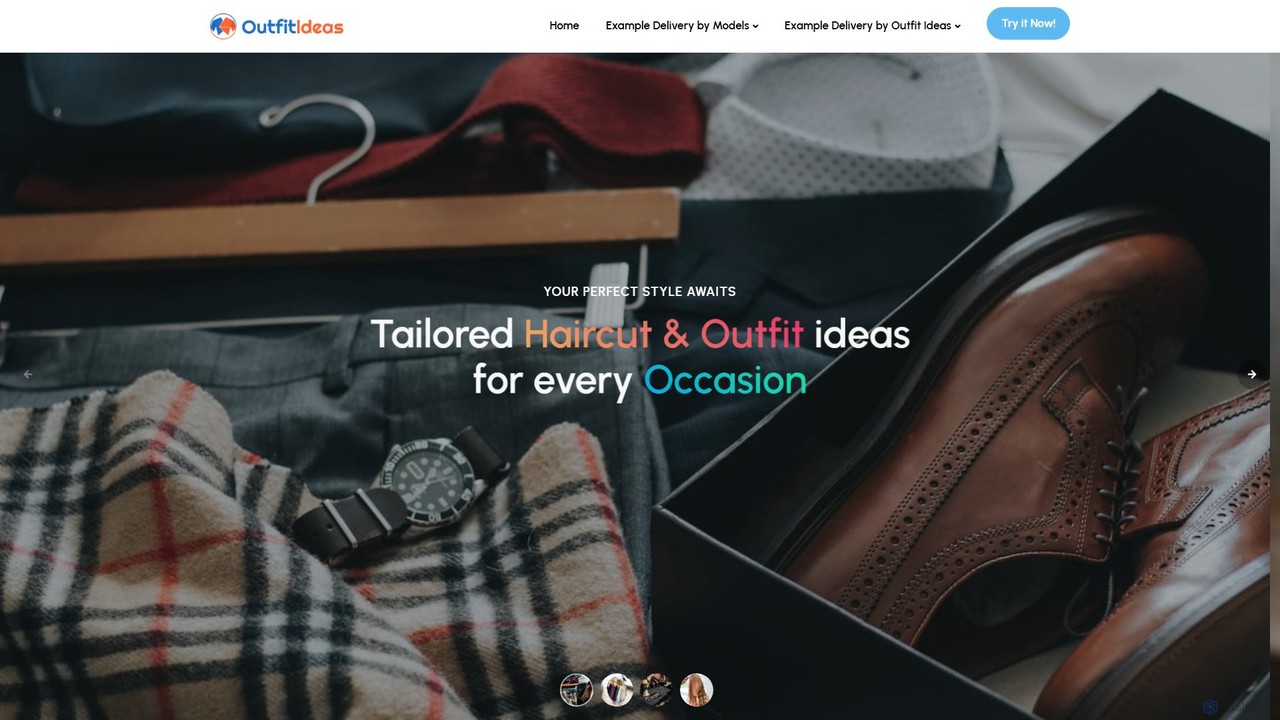
outfitideas is an AI-powered personal stylist that generates tailored haircut and outfit recommendations. Upload a photo and answer a few questions to receive a personalized lookbook complete with visualizations, styling tips, and a curated shopping list with real product links.

Fashion
Visits 4.1KFavorites 110Likes 109

About Personalization

Personalization AI tools are designed to dynamically adapt and generate visual content, including images and videos, to be uniquely relevant for individual users or specific audience segments. Leveraging advanced AI algorithms, these tools analyze user data, preferences, and contextual information to modify visual elements, styles, or entire compositions. Their primary value lies in enhancing engagement, conversion rates, and user experience by delivering highly tailored visual messages that resonate deeply with each recipient. This intelligent adaptation transforms generic visuals into bespoke experiences, driving stronger connections and more effective communication.

Core Features

  • Dynamic Visual Adaptation: Automatically alters image or video elements (e.g., text overlays, product displays, backgrounds) based on real-time user data or predefined segments.
  • AI-Driven Style Customization: Applies personalized artistic styles, color palettes, or visual themes to content, matching individual user preferences or brand guidelines.
  • Contextual Content Generation: Creates unique visual variations for different geographical locations, times of day, or user demographics, ensuring maximum relevance.
  • Personalized Avatar/Asset Creation: Generates custom profile pictures, virtual try-ons, or unique digital assets tailored to individual user characteristics.

Use Cases

These tools are invaluable for marketers, e-commerce businesses, and content creators aiming for hyper-targeted visual communication. They enable brands to deliver bespoke advertising creatives, product recommendations, and interactive experiences that significantly boost user interaction and brand loyalty.

How to Choose

When selecting a personalization AI tool, consider its integration capabilities with existing marketing platforms, the depth of its data analysis features, the range of visual elements it can dynamically modify, and its scalability to handle varying volumes of personalized content. Evaluate the ease of defining personalization rules and the quality of the generated output.

Featured tool rankings

Personalization use cases

1

Personalized E-commerce Product Ads

An e-commerce marketer uses personalization AI to dynamically generate product advertisements. Based on a user's browsing history and purchase patterns, the AI automatically swaps out product images, adjusts background scenes, and modifies text overlays in ad creatives. This ensures each user sees highly relevant products and promotions, significantly increasing click-through rates and conversion.

2

Dynamic Social Media Content for Audiences

A social media manager needs to engage diverse audience segments across different platforms. They utilize personalization AI to create multiple versions of a single video or image post. The AI adapts visual elements like cultural references, language in text overlays, or even the models featured, ensuring the content resonates specifically with each target demographic in real-time.

3

Customized Video Marketing Campaigns

A marketing team launches a large-scale video campaign. With personalization AI, they can automatically insert individual customer names, display specific product recommendations, or highlight relevant service features within a base video template. This creates a one-to-one marketing experience, making each viewer feel directly addressed and valued, leading to higher engagement.

4

Interactive Personalized User Interfaces

A UX designer integrates personalization AI into an application's interface. The AI dynamically adjusts visual elements like background images, icon styles, or theme colors based on the user's past interactions, stated preferences, or even mood detection. This creates a highly adaptive and intuitive user experience that evolves with the individual, enhancing satisfaction.

5

Automated Personalized Email Visuals

An email marketing specialist aims to make newsletters more impactful. They employ personalization AI to generate unique hero images or product carousels for each subscriber. The AI pulls data from CRM systems to display items the user has viewed, added to cart, or previously purchased, making the email content visually compelling and directly relevant to their interests.

6

Personalized Digital Avatar Creation

A gaming or social platform allows users to create personalized digital avatars. Personalization AI assists by generating unique facial features, hairstyles, clothing options, or accessories based on user input (e.g., uploaded photos, descriptive text). This streamlines the avatar creation process and offers a wider, more diverse range of truly personalized visual representations.

Personalization FAQ

What are AI Personalization tools for images and videos?

AI Personalization tools for images and videos are advanced software solutions that use artificial intelligence to automatically modify or generate visual content to be unique and highly relevant for individual users or specific audience segments. They analyze data like user behavior, demographics, and preferences to dynamically adapt visual elements, styles, and messages, moving beyond static content to deliver tailored visual experiences.

How do AI Personalization tools differ from standard image/video editing software?

Standard image/video editing software requires manual input to make changes, creating one-off static content. AI Personalization tools, however, automate the dynamic adaptation or generation of visuals at scale. They use algorithms to make intelligent, data-driven modifications for each viewer, rather than relying on a human editor to create every variation individually. This enables hyper-targeted visual marketing and user experiences.

What are the key benefits of using AI Personalization in visual content?

The primary benefits include significantly increased user engagement, higher conversion rates, and improved customer satisfaction. By delivering visuals that are directly relevant to an individual's interests and context, these tools foster a stronger connection with the audience, reduce content fatigue, and optimize marketing spend by ensuring messages resonate effectively.

What factors should I consider when choosing an AI Personalization tool for visual content?

Key factors include the tool's ability to integrate with your existing data sources (CRM, analytics), the types of visual elements it can personalize (e.g., text, products, backgrounds, styles), the accuracy and sophistication of its AI algorithms, scalability for your content volume, and the ease of defining and managing personalization rules. Also, consider the output quality and supported formats.

Can AI Personalization tools be used for real-time content delivery?

Yes, many AI Personalization tools are specifically designed for real-time content delivery. They can analyze user data and context on the fly to dynamically generate or adapt images and videos for immediate display on websites, in ads, or within applications. This capability is crucial for delivering truly responsive and engaging personalized experiences as users interact with your platforms.