Best of the Year 3 results Knowledge AI Tools

Popular AI tools in the Knowledge field include Queso、tswift、Ask YC, etc., helping you quickly improve efficiency.

Queso

Queso

Queso is an AI-powered Chrome extension that transforms passive online learning into an active, engaging experience. It enhances …

2.2K
Free
Ask YC

Ask YC

Ask YC was an AI-powered search engine designed to answer questions using the vast knowledge base of Y …

2.1K
Free
tswift

tswift

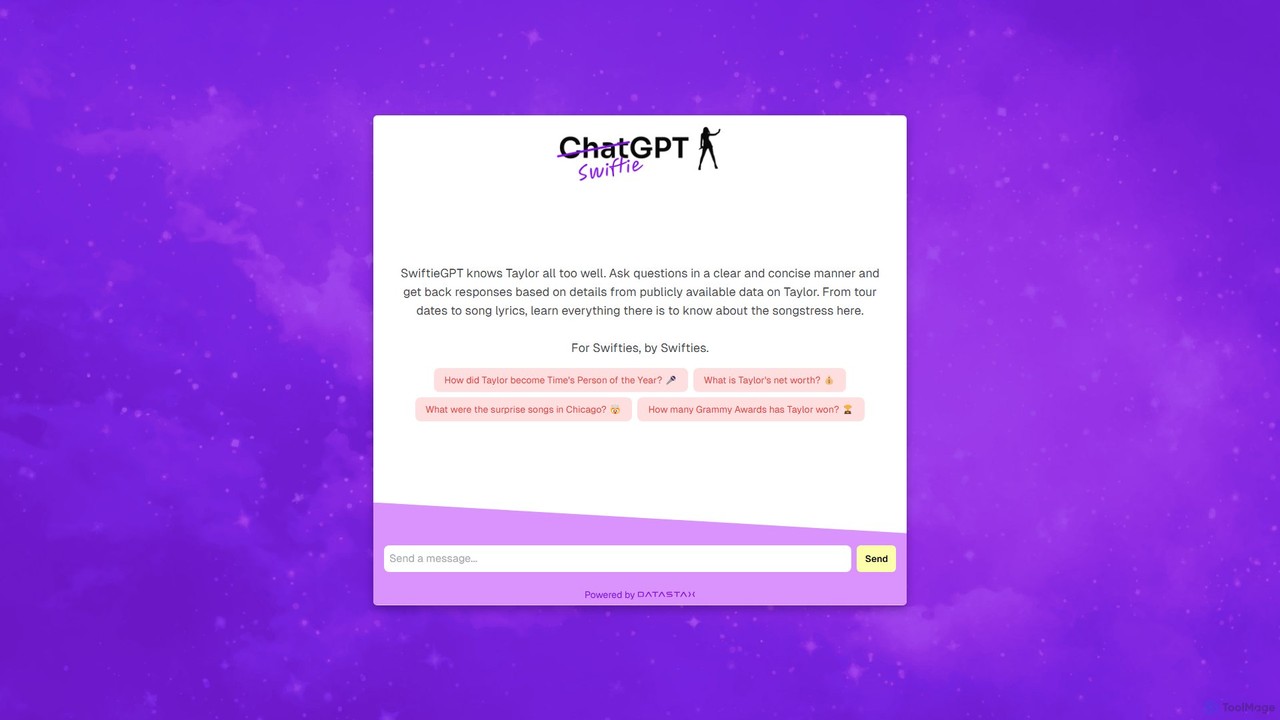
tswift, also known as SwiftieGPT, is a specialized AI chatbot designed for Taylor Swift fans. It provides instant, …

2.1K

About Knowledge

Knowledge AI tools are AI-powered platforms designed to organize, analyze, and retrieve vast amounts of information efficiently. These tools leverage advanced natural language processing (NLP), machine learning, and semantic understanding to transform unstructured data into actionable insights. They empower users to discover relevant information, automate data extraction, and enhance decision-making across various domains, significantly improving how organizations manage and utilize their intellectual assets.

Core Features

  • Semantic Search: Understands context and intent to deliver more relevant search results than keyword matching.
  • Knowledge Graph Generation: Automatically builds interconnected networks of entities and relationships from diverse data sources.
  • Document Summarization: Condenses long texts into concise summaries, highlighting key information and insights.
  • Information Extraction: Identifies and extracts specific data points, entities, and relationships from unstructured content.
  • Intelligent Q&A Systems: Provides accurate, context-aware answers to complex questions by querying integrated knowledge bases.

Applicable Scenarios

Knowledge AI tools are invaluable for professionals in research, customer service, and business intelligence. Researchers use them to sift through academic papers and reports, while customer support teams deploy them to provide instant, accurate answers from extensive FAQs. Businesses leverage these tools for market analysis, extracting competitive insights from industry reports and news articles to inform strategic decisions.

How to Choose

When selecting a Knowledge AI tool, consider its data source compatibility (e.g., documents, databases, web), the accuracy of its NLP and semantic understanding capabilities, and its scalability to handle growing data volumes. Evaluate integration options with existing systems, customization potential for specific industry needs, and the clarity of its user interface for effective knowledge exploration and management.


KnowledgeUse Cases

1

Enhanced Research & Information Discovery

Academic researchers or market analysts can utilize Knowledge AI tools to rapidly sift through thousands of scientific papers, industry reports, or news articles. By inputting specific research questions or keywords, the AI identifies relevant passages, extracts key findings, and even summarizes complex documents, significantly reducing manual review time and ensuring comprehensive data collection for their studies.

2

Automated Customer Support & FAQ Management

Customer service departments deploy Knowledge AI to power intelligent chatbots and self-service portals. The AI processes customer inquiries in natural language, then instantly retrieves precise answers from a vast knowledge base of product manuals, FAQs, and troubleshooting guides. This reduces agent workload, improves response times, and ensures consistent, accurate information delivery to customers 24/7.

3

Internal Knowledge Base Optimization

Large enterprises use Knowledge AI to transform disparate internal documents—like HR policies, technical specifications, and project reports—into a unified, searchable knowledge base. Employees can ask natural language questions and receive immediate, accurate answers, eliminating time spent searching through shared drives or asking colleagues, thereby boosting internal productivity and information sharing.

4

Competitive Intelligence & Market Trend Analysis

Business strategists and marketing teams leverage Knowledge AI to monitor competitor activities, analyze market trends, and identify emerging opportunities. The tools automatically process vast amounts of public data, including news, social media, and financial reports, extracting key insights on product launches, strategic partnerships, and consumer sentiment, providing a real-time competitive edge.

5

Personalized Learning & Content Curation

Educational platforms or corporate training departments use Knowledge AI to create personalized learning paths and curate relevant content. Based on a user's learning history, preferences, and performance, the AI recommends specific articles, videos, or courses, ensuring that learners receive the most pertinent information to enhance their skills and knowledge efficiently.

6

Legal Document Review & Compliance

Legal professionals employ Knowledge AI to accelerate the review of contracts, regulatory documents, and case files. The AI can quickly identify specific clauses, extract relevant entities (e.g., dates, parties, obligations), and flag potential compliance issues or discrepancies across thousands of pages, drastically reducing the time and effort required for due diligence and legal analysis.

KnowledgeFrequently Asked Questions