Best of the Year 9 results Language AI Tools

Popular AI tools in the Language field include Maum.ai、Memozora、Voice Changer、BetterPrompt、MultiAI、TranscriptorPro、RewriteWise、Tourizmai、VoiceWise, etc., helping you quickly improve efficiency.

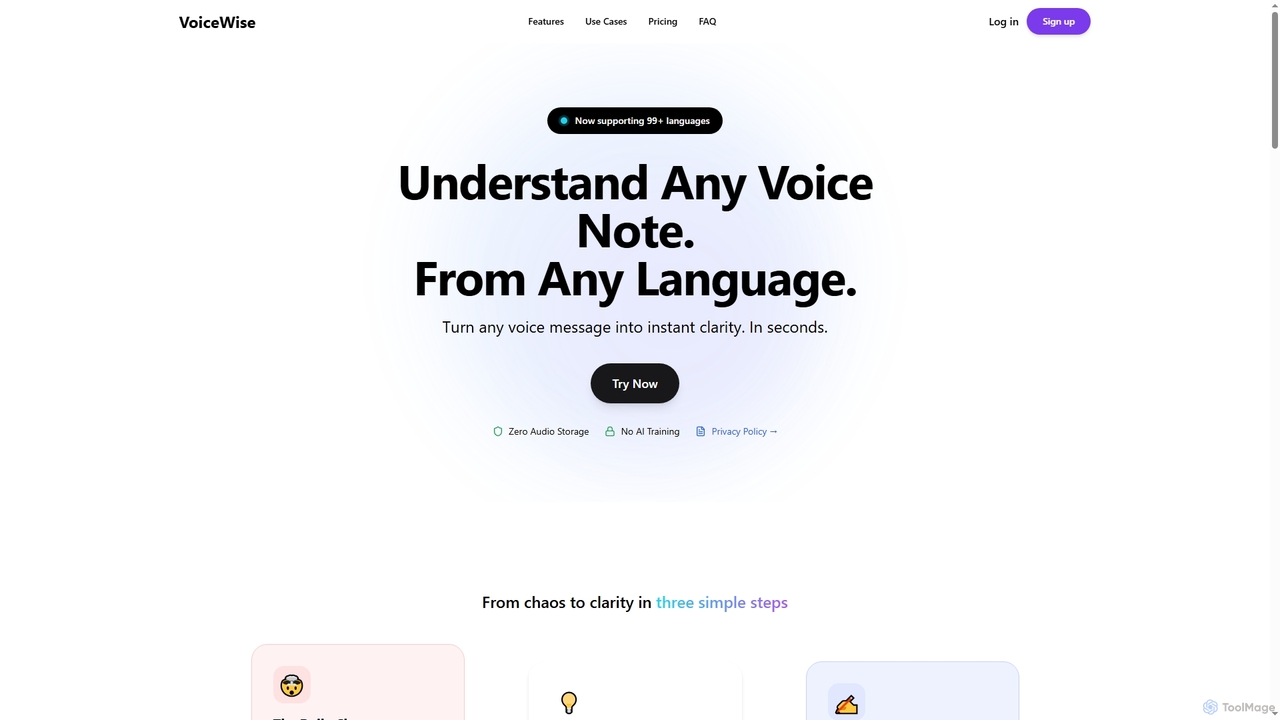
VoiceWise

VoiceWise

VoiceWise is an AI-powered tool that transforms any voice message from over 99 languages into instant clarity. It …

2.4K
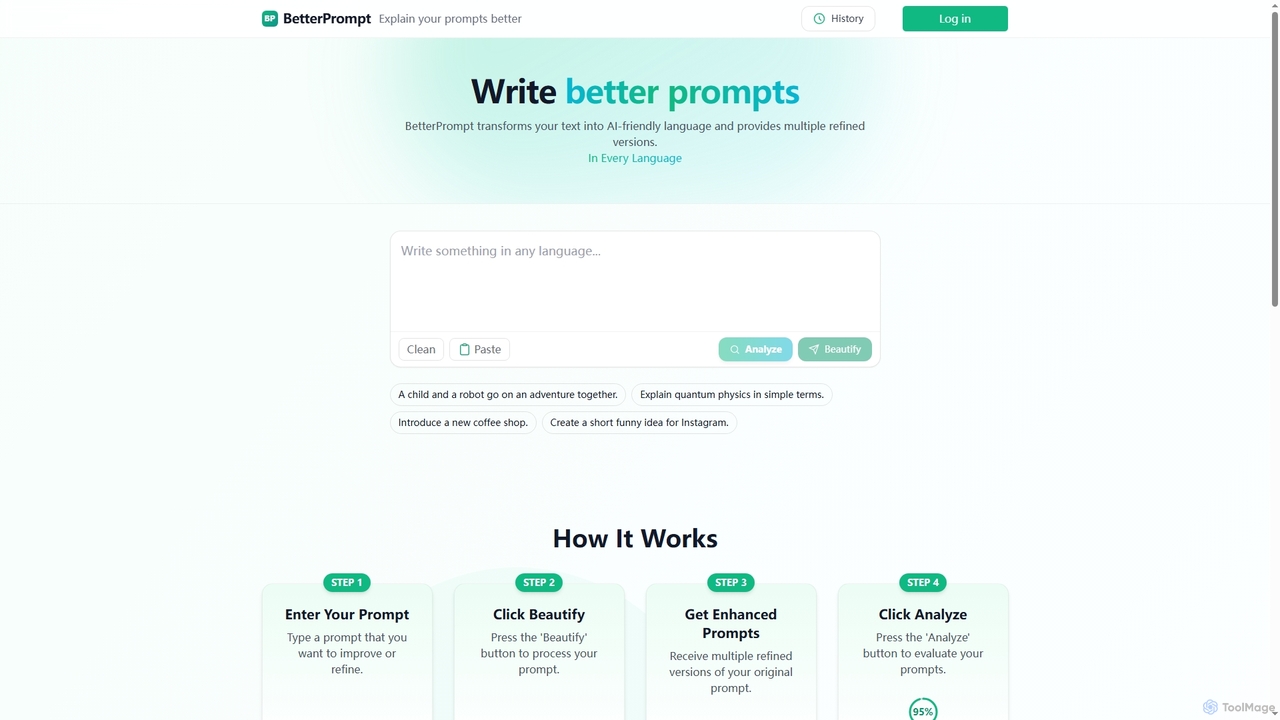
BetterPrompt

BetterPrompt

BetterPrompt is an AI tool designed to transform your raw text into clear, concise, and AI-friendly prompts. It …

3.4K
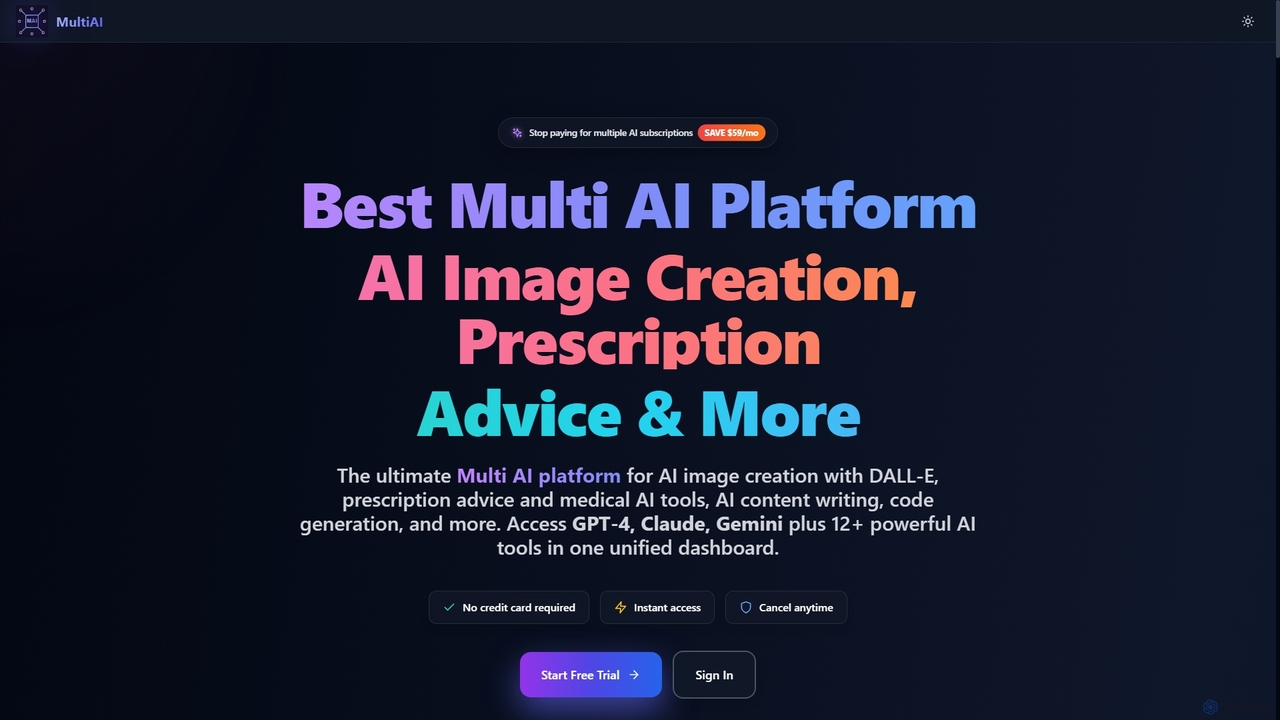
MultiAI

MultiAI

MultiAI is a comprehensive AI platform that unifies access to leading AI models like GPT-4, Claude, and Gemini, …

3.1K
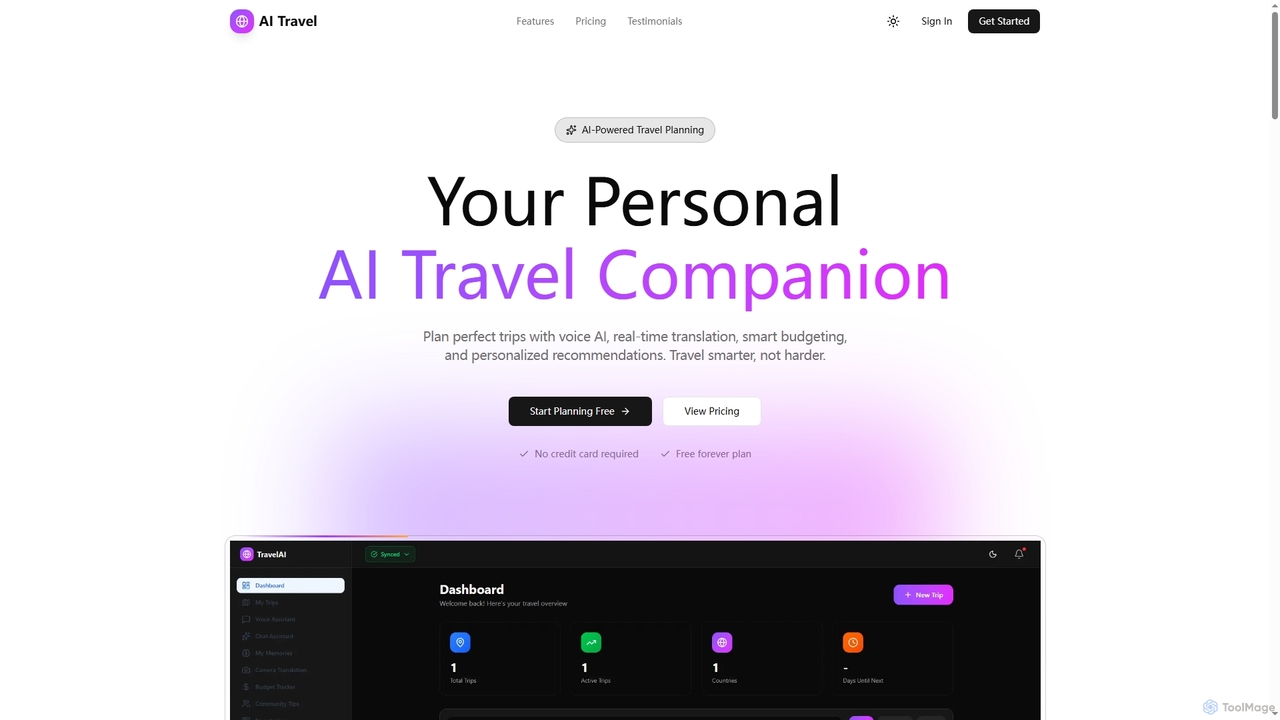
Tourizmai

Tourizmai

Tourizmai is an AI-powered travel companion designed to simplify trip planning. It offers intelligent voice assistance, real-time camera …

2.4K
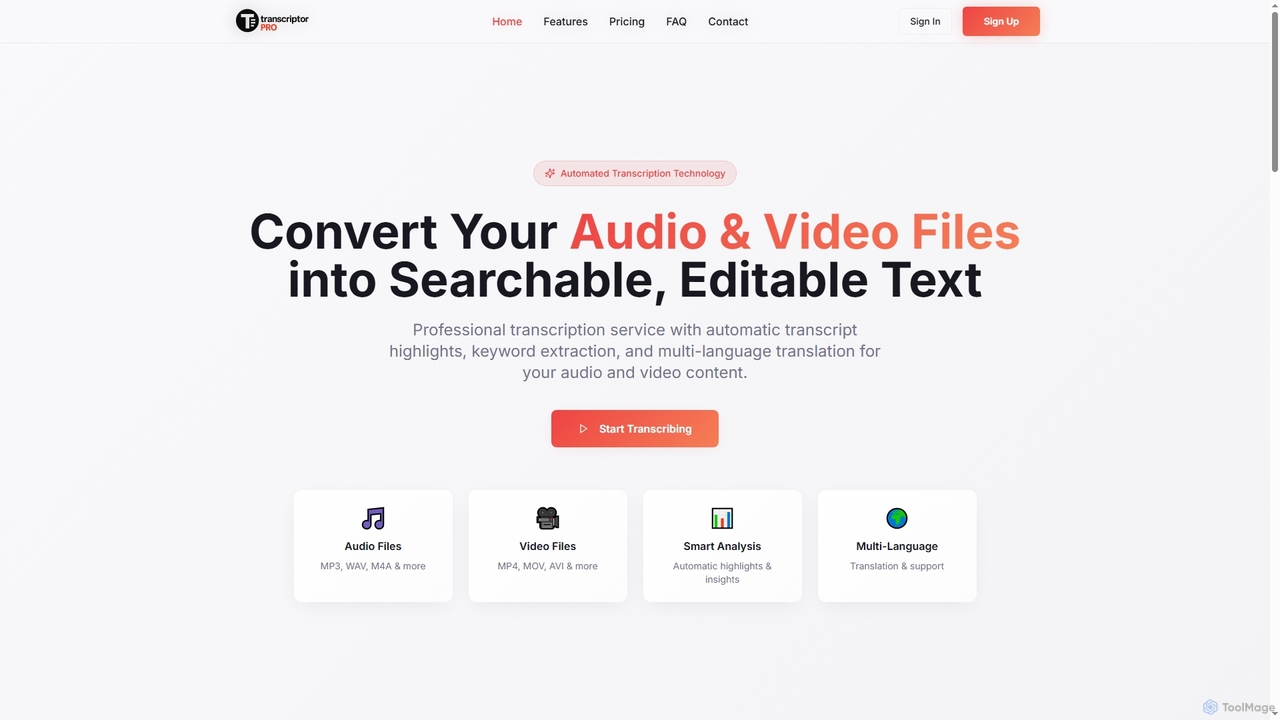
TranscriptorPro

TranscriptorPro

TranscriptorPro is an AI-powered service that converts audio and video files into searchable, editable text. It offers automated …

2.5K
Free
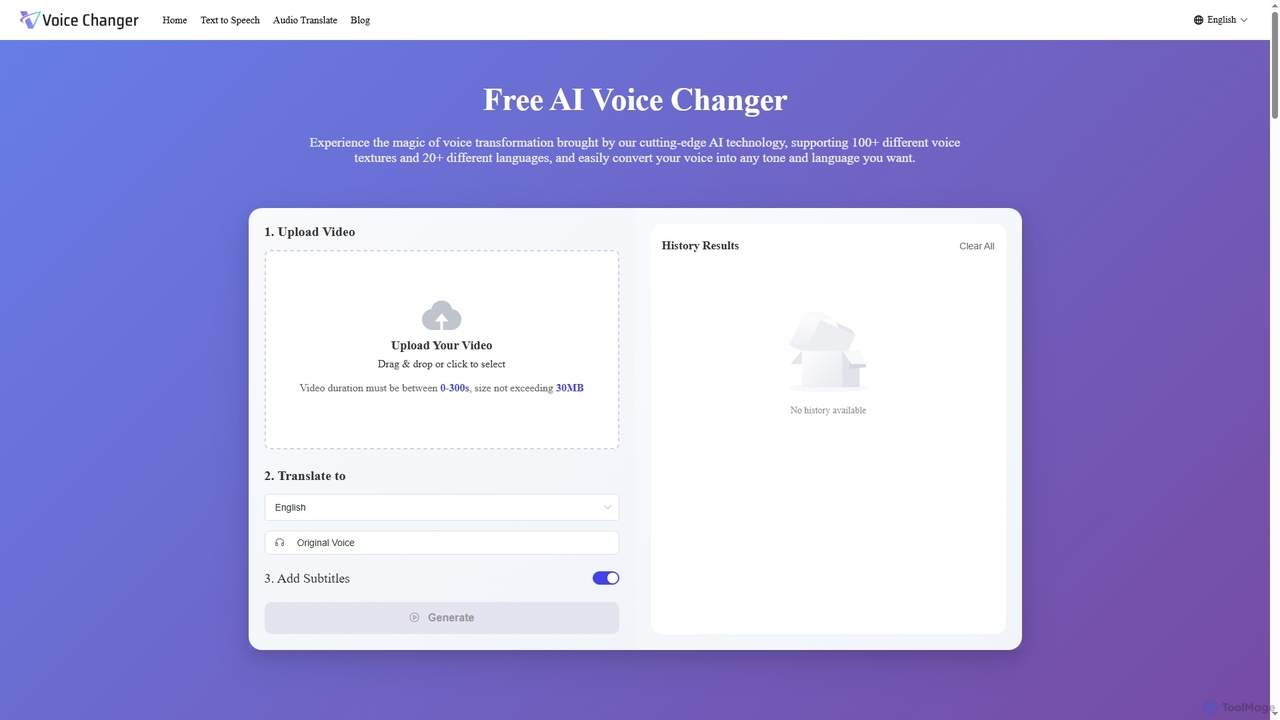
Voice Changer

Voice Changer

Voice Changer is a versatile AI-powered online tool offering voice transformation, text-to-speech, and audio translation. It enables users …

4.4K
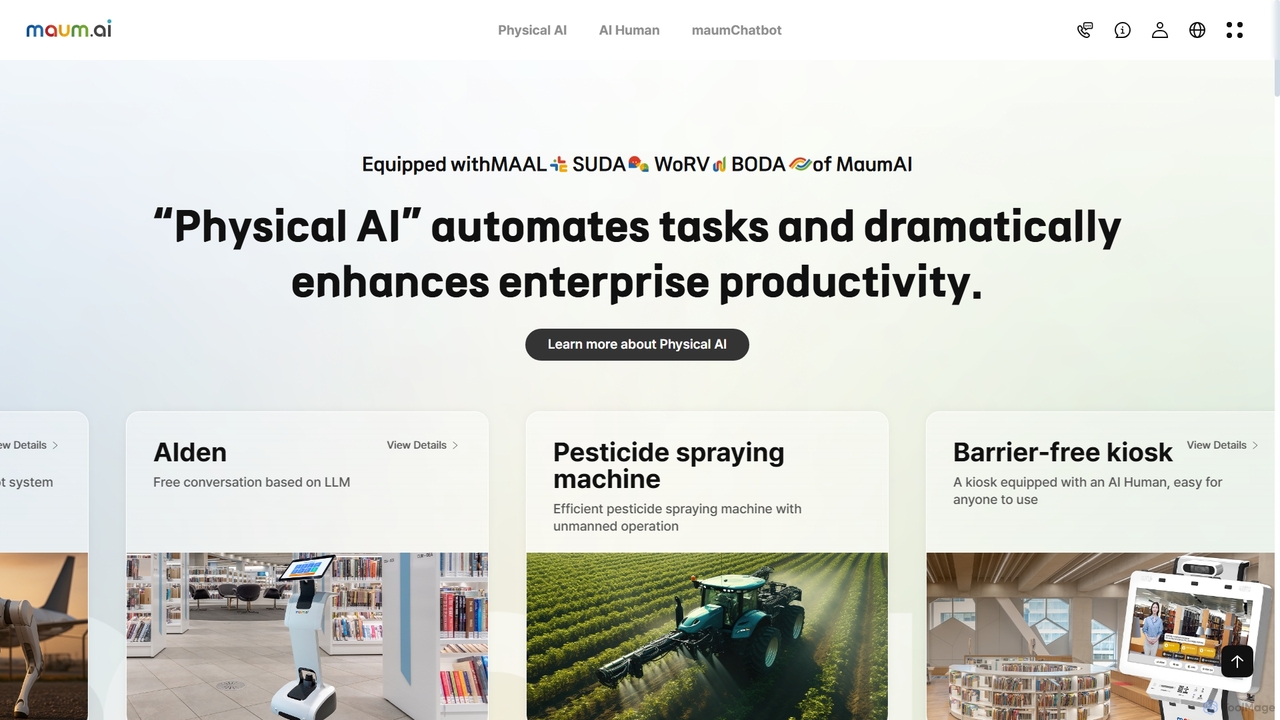
Maum.ai

Maum.ai

Maum.ai is a comprehensive enterprise AI platform specializing in "Physical AI," which integrates conversational AI, vision, robotics, and …

16.4K
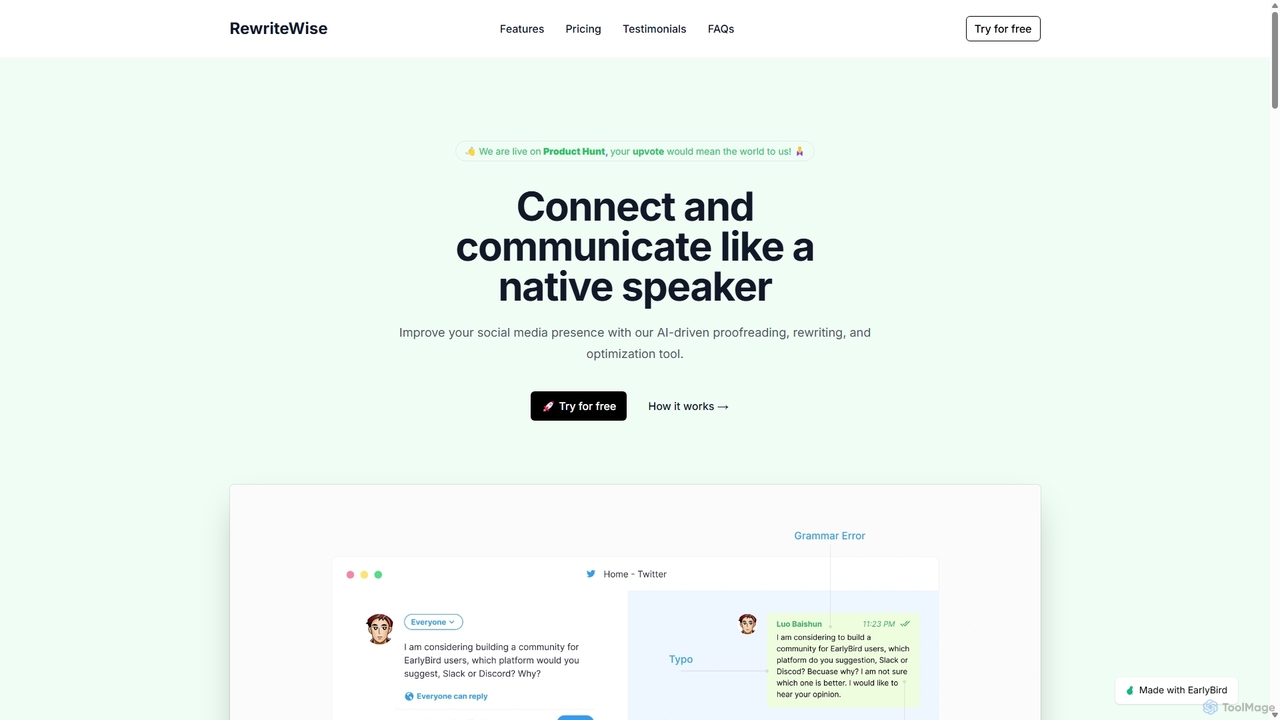
RewriteWise

RewriteWise

RewriteWise is an AI-powered Telegram bot designed for non-native speakers to enhance their social media presence. It offers …

2.4K
Memozora

Memozora

Memozora is an AI-powered online flashcard maker designed for effective learning through the science of spaced repetition. It's …

12.8K

About Language

Language AI tools are a class of software that leverage artificial intelligence to understand, generate, and manipulate human language. These tools are typically powered by advanced models like Natural Language Processing (NLP) and Large Language Models (LLMs) to process text and speech with high accuracy. They enable users to automate content creation, break down communication barriers through translation, and extract valuable insights from unstructured text data. This technology serves a wide range of applications, from personal productivity to enterprise-level data analysis.

Core Features

  • Machine Translation: Translates text or speech between multiple languages with contextual awareness.
  • Text Generation & Summarization: Creates original content like articles and emails, or condenses long documents into concise summaries.
  • Natural Language Understanding (NLU): Analyzes text to identify sentiment, entities, keywords, and user intent.
  • Speech-to-Text & Text-to-Speech: Converts spoken audio into written text and vice versa, enabling voice commands and audio content creation.

Use Cases

Language AI tools are widely used in global business for localizing marketing content and internal communications. Content creators and marketers use them to accelerate content production and optimize for SEO. In customer service, they power chatbots and analyze support tickets to identify trends and improve service quality.

How to Choose

When selecting a Language AI tool, first identify your primary need, such as translation, writing assistance, or text analysis. Evaluate the tool's language support and accuracy for your target languages. Consider its integration capabilities, such as API access or browser extensions, to fit into your existing workflow. Finally, assess the pricing model and data privacy policies to ensure they align with your budget and security requirements.

LanguageUse Cases

1

Localizing Global Marketing Campaigns

A marketing team at a global e-commerce company needs to launch a new product campaign across ten different countries. Instead of hiring multiple translation agencies, they use an AI language tool with advanced machine translation. They upload their English ad copy, social media posts, and landing page content. The tool not only translates the text but also offers culturally relevant alternatives for idioms and slogans. This process reduces the localization timeline from weeks to a few days and cuts costs by over 60%, while maintaining a consistent brand voice across all markets.

2

Automating Customer Support Ticket Analysis

A customer support manager is overwhelmed by thousands of daily support tickets. To identify recurring issues, they integrate an AI language tool with their helpdesk software. The AI uses Natural Language Understanding (NLU) to automatically categorize each ticket by topic (e.g., 'billing', 'technical issue') and analyze its sentiment (positive, negative, neutral). This provides the manager with a real-time dashboard of customer pain points, allowing the team to proactively address the most critical problems and create targeted help articles, improving first-contact resolution rates by 25%.

3

Accelerating Content Creation for Blogs

A freelance content writer needs to produce five high-quality blog posts per week for various clients. To combat writer's block and speed up research, they use an AI writing assistant. The writer provides a topic and keywords, and the AI generates several outlines, introductory paragraphs, and data points to include. The writer then uses these components as a foundation, focusing their time on adding unique insights, refining the narrative, and ensuring factual accuracy. This hybrid approach allows them to double their output while maintaining high quality and avoiding plagiarism.

4

Generating Multilingual Voiceovers for Videos

A corporate training department creates video tutorials for its global workforce. To make the content accessible, they use an AI Text-to-Speech (TTS) tool. After finalizing the English script, they translate it into Spanish, German, and Japanese using an integrated AI translator. Then, they feed each translated script into the TTS engine, selecting natural-sounding voices for each language. The AI generates high-quality audio files that are perfectly synced with the video timing. This eliminates the need for expensive voice actors and recording studios, making video localization fast and affordable.

5

Transcribing and Summarizing Business Meetings

A project manager leads weekly hour-long meetings with a remote team. Manually taking notes and creating summaries is time-consuming and prone to errors. They adopt an AI language tool that integrates with their video conferencing platform. The tool provides real-time transcription during the meeting. Afterward, it automatically generates a concise summary highlighting key decisions, action items, and deadlines. The manager can quickly review and share this summary with stakeholders, saving over an hour of administrative work per meeting and ensuring everyone is aligned on next steps.

6

Practicing Conversational Skills for Language Learning

A student learning French wants to improve their speaking and listening skills but lacks a practice partner. They use an AI language learning app that features a conversational chatbot. The student can initiate conversations on various topics, from ordering food to discussing hobbies. The AI responds in natural-sounding French, understands the student's spoken replies, and provides instant feedback on pronunciation and grammar. This immersive practice helps the student build confidence and fluency at their own pace, preparing them for real-world conversations without the pressure of speaking with a native speaker.

LanguageFrequently Asked Questions