LawFair
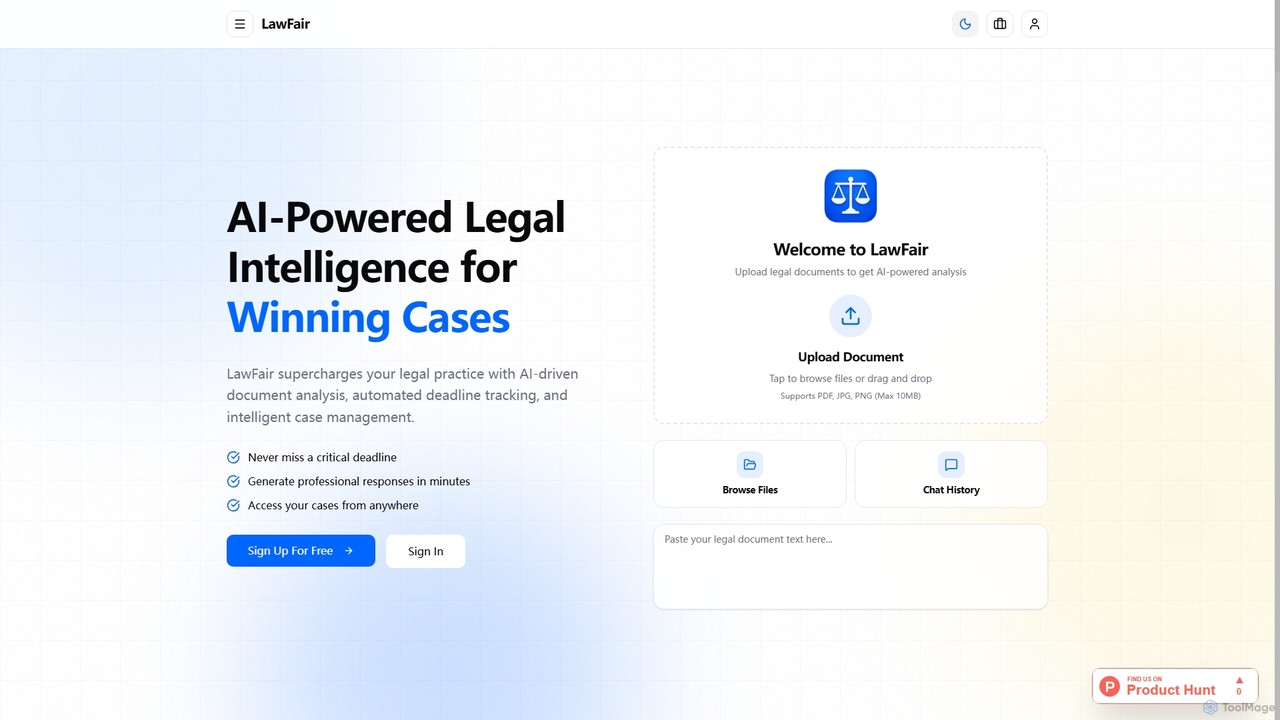
LawFair is an AI-powered legal intelligence platform designed to streamline case management, document analysis, and legal document generation …
LawFair is an AI-powered legal intelligence platform designed to streamline case management, document analysis, and legal document generation for attorneys and pro se litigants. It provides a comprehensive suite of tools to manage every aspect of a case, from smart deadlines to evidence tracking and professional document output.
Owchbuddy
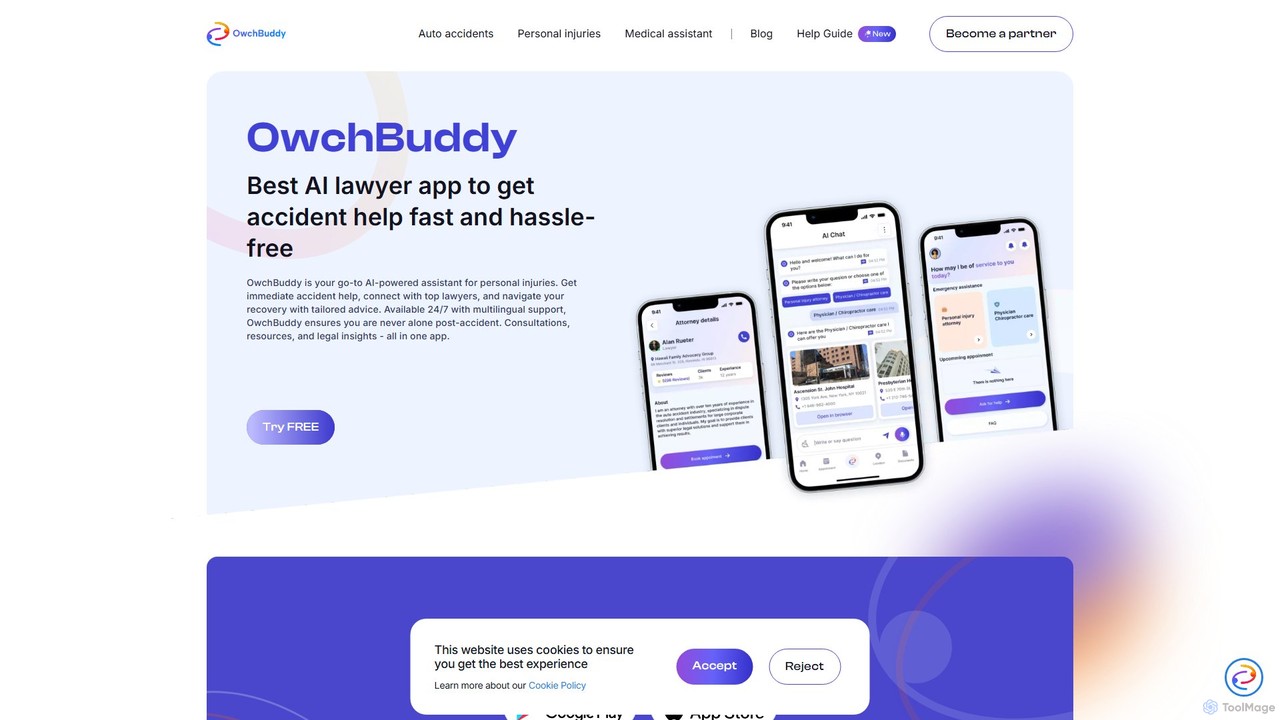
Owchbuddy is an AI-powered personal injury assistant app designed to provide immediate help after an accident. It connects …
Owchbuddy is an AI-powered personal injury assistant app designed to provide immediate help after an accident. It connects users with a network of top-rated lawyers and medical professionals, offers personalized action plans, and provides 24/7 multilingual support. The app helps you manage your case, store documents securely, and navigate the recovery process with confidence.
BestInterest
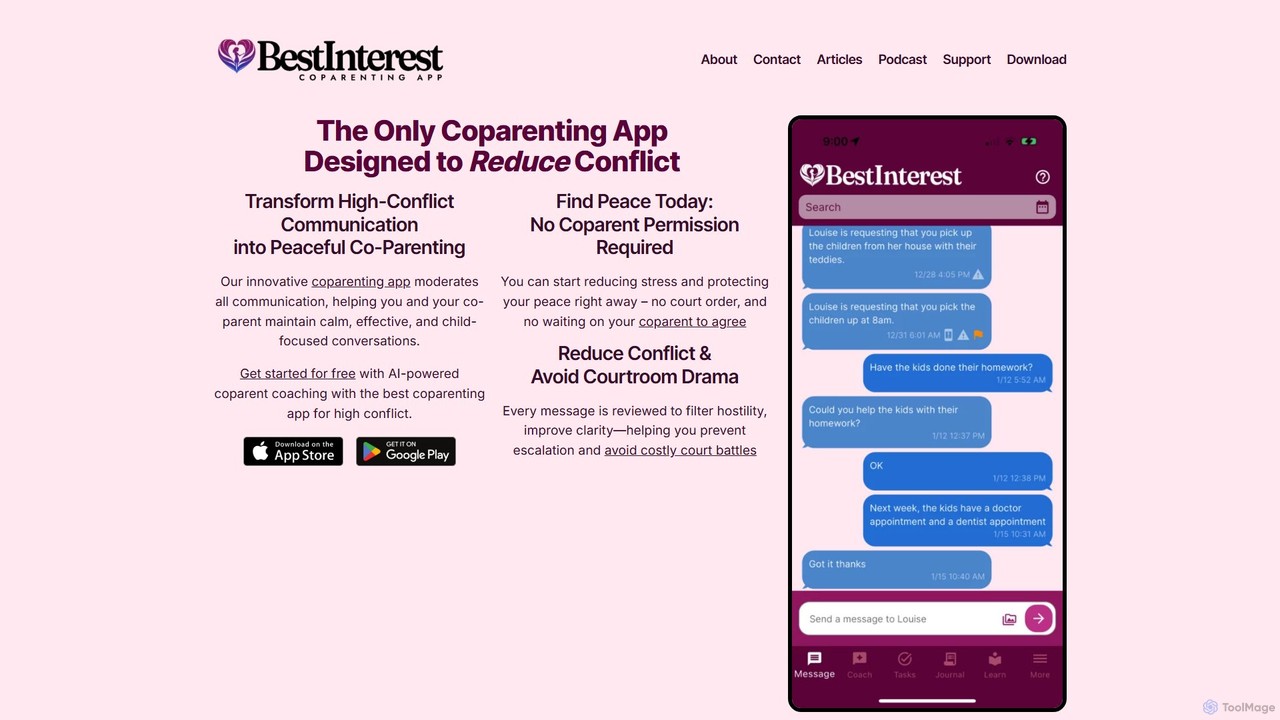
BestInterest is an AI-powered co-parenting app designed for high-conflict situations. It moderates communication by filtering hostile language, provides …
BestInterest is an AI-powered co-parenting app designed for high-conflict situations. It moderates communication by filtering hostile language, provides real-time coaching for child-focused responses, and maintains unalterable records for legal purposes. Its unique 'Solo Mode' allows one parent to use it without the other's consent, transforming stressful communication into peaceful collaboration.
AFI Explorer
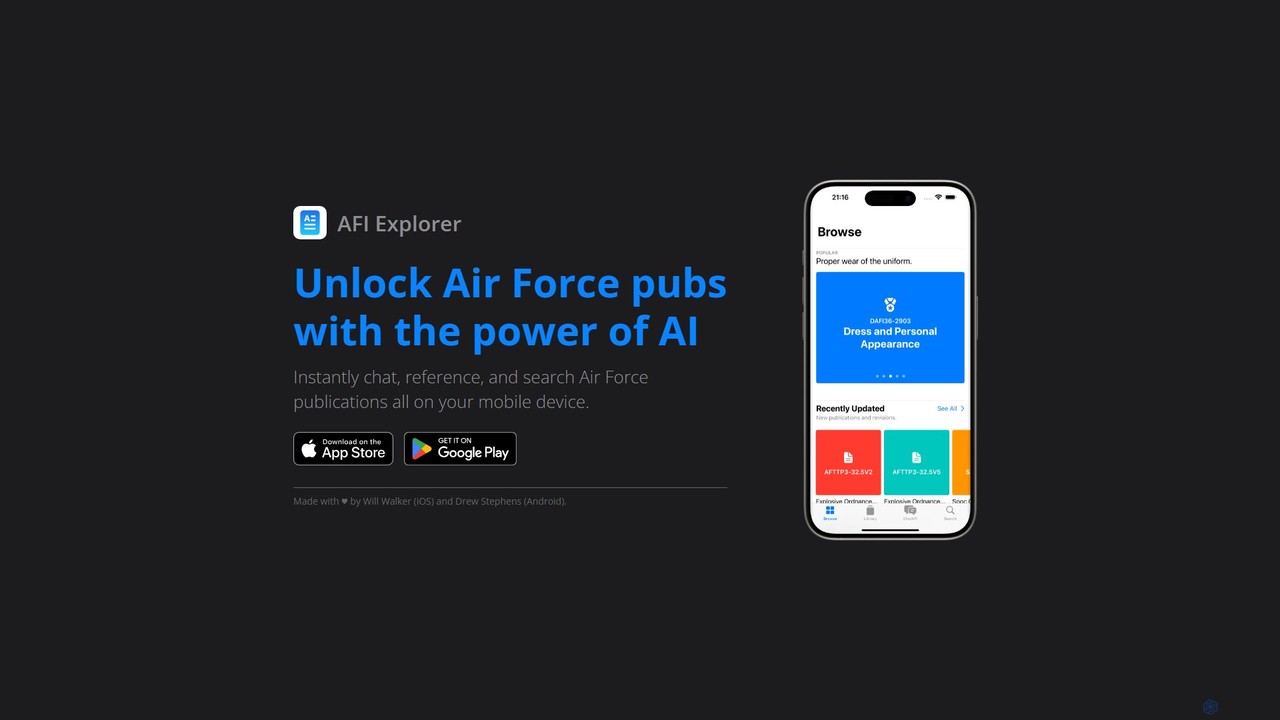
AFI Explorer is an AI-powered mobile application designed for U.S. Air Force personnel. It provides instant chat, search, …
AFI Explorer is an AI-powered mobile application designed for U.S. Air Force personnel. It provides instant chat, search, and reference capabilities for the entire library of Air Force publications, instructions (AFIs), and manuals, turning complex documents into a conversational knowledge base.
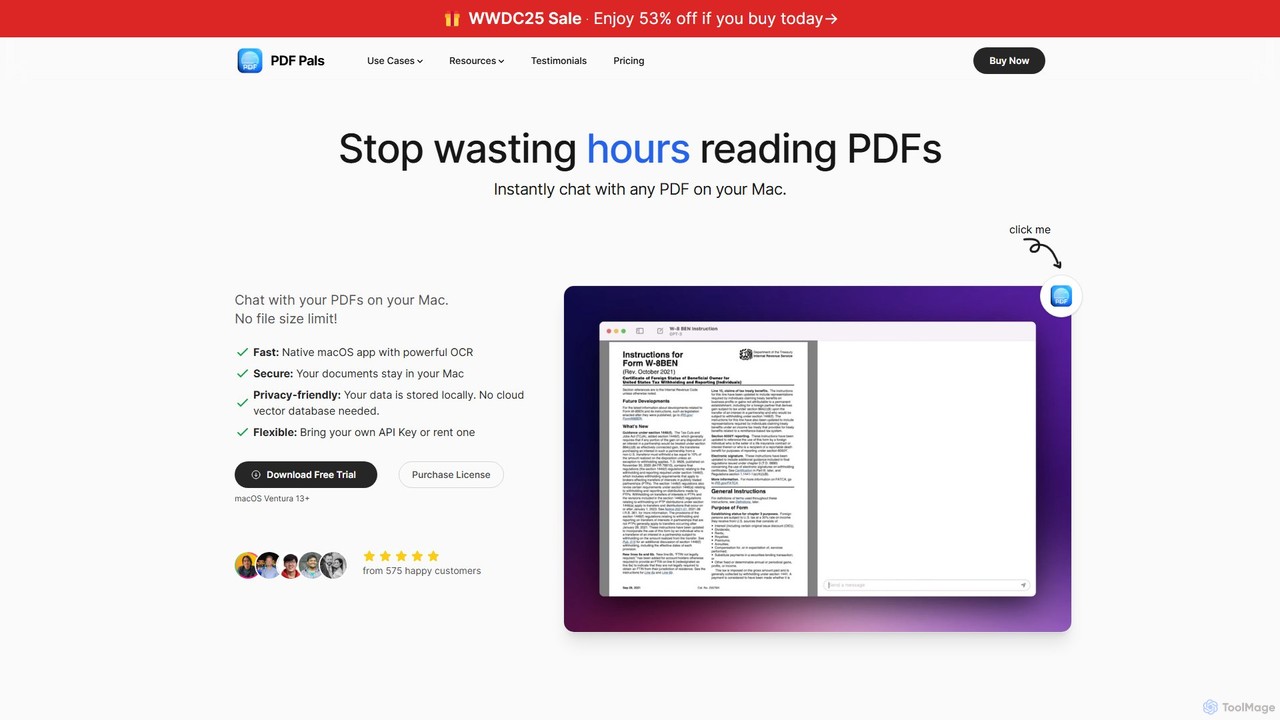
PDF Pals
PDF Pals is a native macOS application that allows you to chat with your PDF documents locally. It …
PDF Pals is a native macOS application that allows you to chat with your PDF documents locally. It offers powerful OCR, multi-document support, and flexible API integration, ensuring your data remains private and secure on your Mac. There are no file size limits, making it ideal for researchers, developers, and legal professionals.
About Legal
AI Legal tools are a class of software that leverages artificial intelligence to automate, streamline, and enhance legal work. These tools utilize technologies like Natural Language Processing (NLP) and machine learning to analyze vast amounts of legal text, perform research, and manage documents. They are designed for lawyers, paralegals, and corporate legal departments to increase efficiency, reduce human error, and gain data-driven insights. By handling repetitive and data-intensive tasks, these tools allow legal professionals to focus on strategic analysis and client advisory.
Core Features
- Legal Research & Analysis: Rapidly searches and analyzes case law, statutes, and legal precedents from extensive databases.
- Contract Lifecycle Management (CLM): Automates the drafting, review, analysis, and management of contracts from creation to renewal.
- eDiscovery & Document Review: Intelligently identifies, categorizes, and redacts relevant information from large volumes of documents for litigation.
- Case Outcome Prediction: Uses historical data and machine learning models to forecast potential legal outcomes and risks.
- Practice Management Automation: Streamlines administrative tasks such as time tracking, billing, client intake, and case management.
Applicable Scenarios
AI Legal tools are widely used in law firms of all sizes, corporate legal departments, and government agencies. Common applications include conducting due diligence for mergers and acquisitions, supporting litigation through rapid evidence discovery, ensuring regulatory compliance by monitoring legal changes, and managing intellectual property portfolios.
Selection Criteria
When choosing an AI Legal tool, consider its specific function, such as contract analysis or eDiscovery. Evaluate its data security protocols and compliance with privacy regulations like GDPR. Assess its ability to integrate with your existing systems, such as document management or billing software. Finally, review the accuracy of its AI models and the transparency of its analytical process.
LegalUse Cases
Automated Contract Review for Corporate Counsel
A corporate lawyer needs to review a 50-page vendor agreement under a tight deadline. Instead of spending hours reading line-by-line, they upload the document to an AI contract analysis tool. The tool instantly scans the agreement, comparing it against pre-defined company playbooks and market standards. Within minutes, it generates a report that highlights high-risk clauses, identifies non-standard terms, and flags missing provisions. This allows the lawyer to focus their attention on critical negotiation points, reducing review time by over 80% and minimizing contractual risk.
Accelerated Legal Research for Litigation Support
A paralegal is preparing a motion and needs to find relevant case law to support their argument. Using a traditional database could take hours of sifting through search results. Instead, they use an AI-powered legal research platform. They input a natural language query describing the legal issue. The AI analyzes the query's context and returns a ranked list of the most relevant cases, statutes, and secondary sources. It even provides summaries and highlights key passages, allowing the paralegal to build a strong legal foundation for the motion in a fraction of the time.
Efficient eDiscovery Document Triage
In a large-scale litigation case, a legal team is faced with reviewing millions of documents. Manual review would be prohibitively expensive and time-consuming. They deploy an AI eDiscovery tool that uses predictive coding. The team first reviews a small sample of documents, tagging them as relevant or not. The AI learns from these decisions and then automatically categorizes the entire document set. This process accurately identifies the most critical documents for review, culls irrelevant files, and flags potentially privileged information, saving thousands of review hours and significantly reducing discovery costs.
Drafting Standard Legal Documents
A small law firm needs to generate a standard Non-Disclosure Agreement (NDA) for a new client. Instead of starting from a generic template and manually editing it, a lawyer uses an AI document drafting tool. They answer a series of guided questions about the parties involved, the confidential information, and the jurisdiction. The AI then instantly generates a customized, compliant first draft of the NDA. This not only saves time but also ensures consistency across all firm documents and reduces the risk of errors associated with manual template modification.
Predictive Analytics for Case Strategy
A senior partner is evaluating whether to take on a complex litigation case. They use an AI-powered case outcome prediction tool. By inputting key facts of the case, jurisdiction, and presiding judge, the tool analyzes thousands of similar past cases. It provides a statistical analysis of the probability of success, potential damages awards, and the likely duration of the litigation. This data-driven insight helps the partner make a more informed decision on case strategy, resource allocation, and settlement negotiations, moving beyond intuition to strategic forecasting.
Intellectual Property (IP) Portfolio Management
A patent attorney for a tech company manages a large portfolio of patents and trademarks. They use an AI-powered IP management tool to automate critical tasks. The tool actively monitors global databases for potential trademark infringements and sends real-time alerts. It also tracks patent filing deadlines and maintenance fees across different jurisdictions, preventing accidental loss of valuable IP rights. Furthermore, the AI can analyze the strength of the company's patent portfolio against competitors, identifying strategic gaps and opportunities for new innovations.