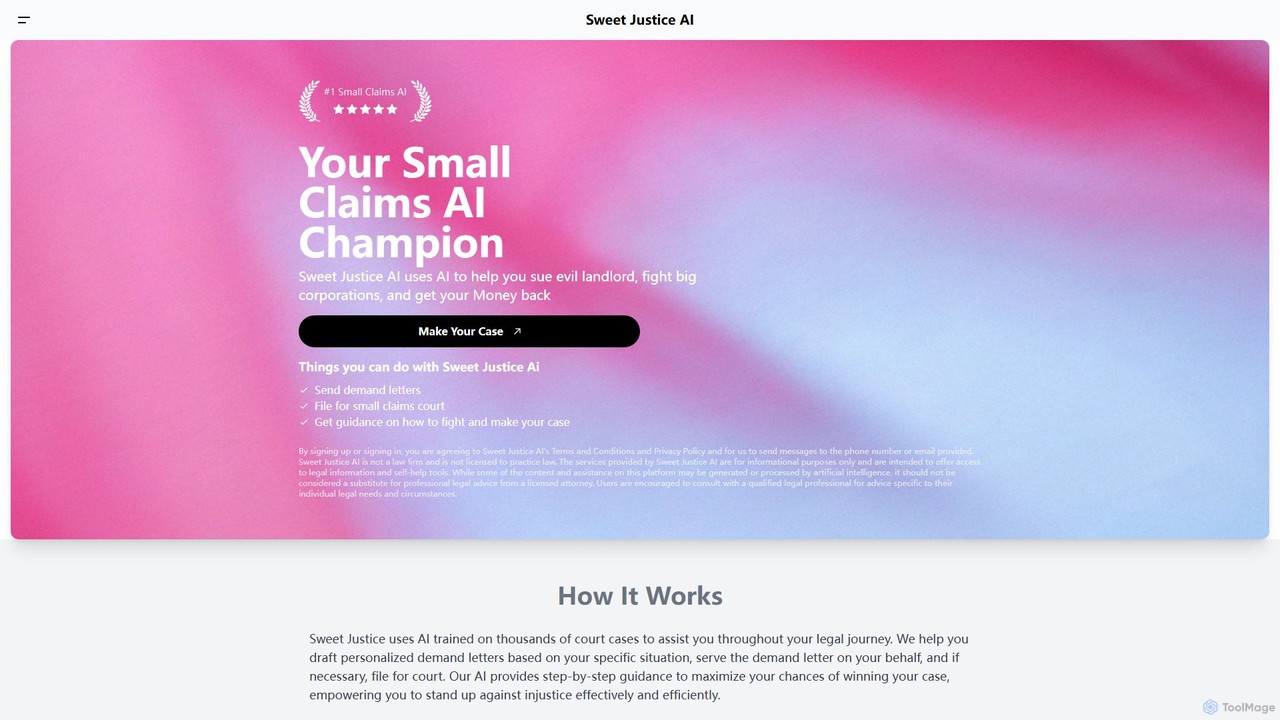
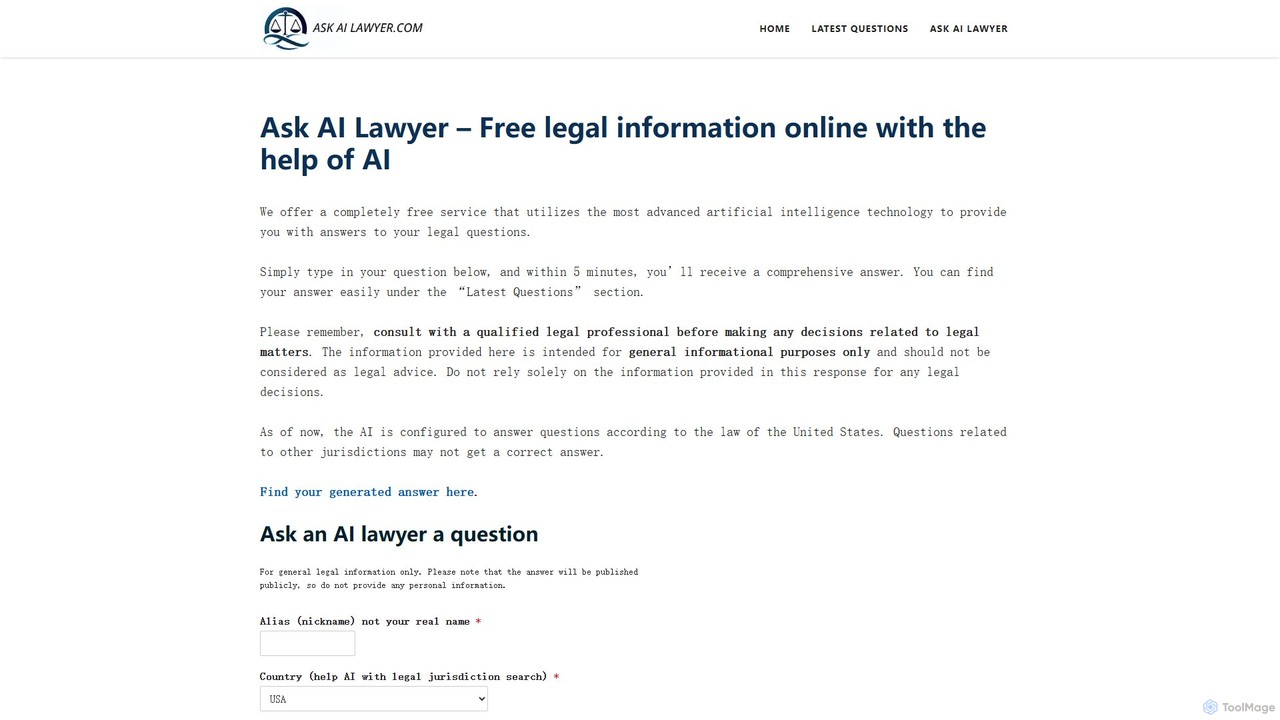
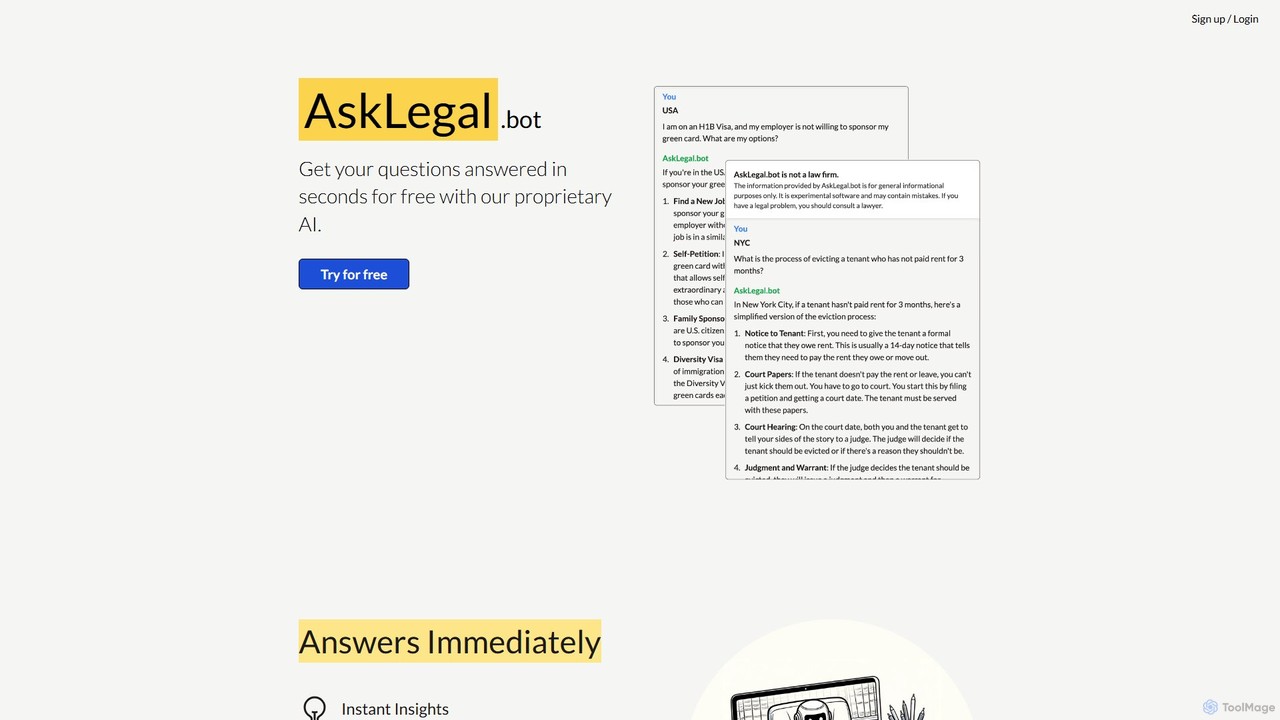
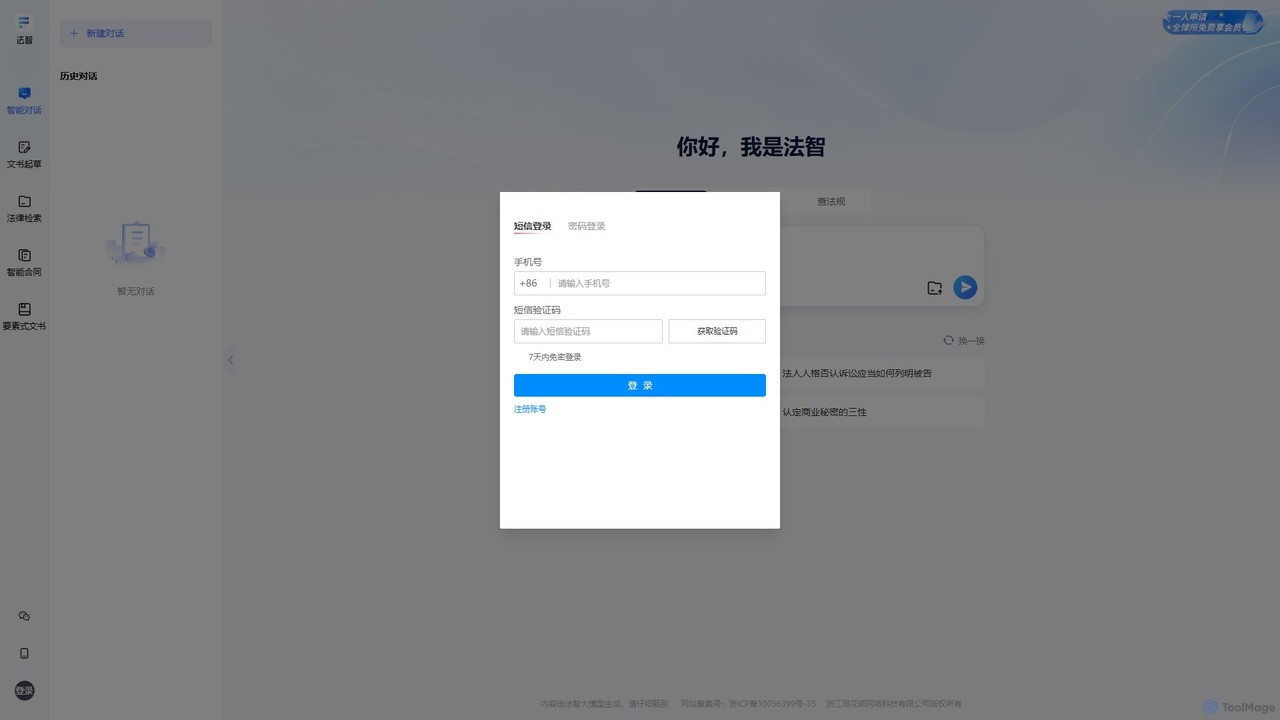
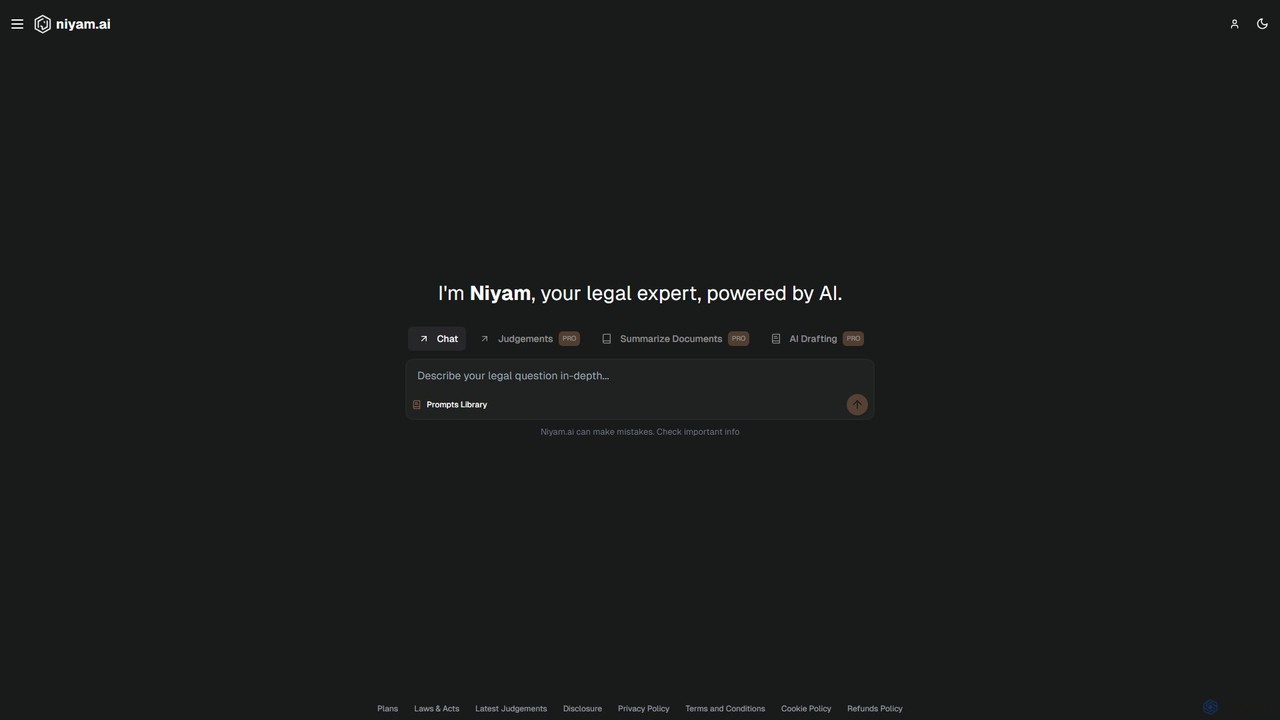
Legal Assistant AI tools are specialized artificial intelligence applications designed to augment and streamline various tasks within the legal profession. These tools leverage advanced natural language processing (NLP), machine learning, and data analytics to assist lawyers, paralegals, and legal teams. They aim to enhance efficiency, accuracy, and decision-making by automating routine processes, providing intelligent insights, and managing vast amounts of legal data. As a sub-category of general Legal AI, Legal Assistant tools specifically focus on supporting human legal work rather than fully replacing it.
Core Features
- Automated Document Review: Rapidly analyzes contracts, agreements, and other legal documents to identify key clauses, risks, and inconsistencies.
- Intelligent Legal Research: Scans extensive legal databases, statutes, and case law to find relevant precedents and information efficiently.
- Contract Drafting Assistance: Generates initial drafts of standard legal documents, clauses, or correspondence based on user input and templates.
- Compliance Monitoring: Tracks regulatory changes and assesses potential compliance risks for businesses and legal entities.
- Case Analytics & Prediction: Analyzes historical case data to offer insights into potential outcomes and inform litigation strategies.
Applicable Scenarios
Legal Assistant AI tools are invaluable for law firms, corporate legal departments, and individual practitioners. They are used by attorneys for preparing for litigation, by paralegals for organizing discovery documents, and by compliance officers for ensuring regulatory adherence. For instance, a corporate legal team might use an AI assistant to quickly review hundreds of vendor contracts during a merger, or a litigation lawyer could employ it to identify relevant case law for a complex brief.
How to Choose
When selecting a Legal Assistant AI tool, consider its specific functionalities (e.g., research, contract analysis, e-discovery), the accuracy and reliability of its AI models, and its integration capabilities with existing legal software. Evaluate the tool's data security protocols, user-friendliness, and the quality of its training data. Additionally, assess the pricing model and the level of customer support provided to ensure it aligns with your firm's needs and budget.