ToolMage
Sign in

Best 1 Patient Advocacy AI tools for Healthcare

Popular Patient Advocacy AI tools in Healthcare include fighthealthinsurance, helping you work more efficiently.

fighthealthinsurance
Freemium

fighthealthinsurance

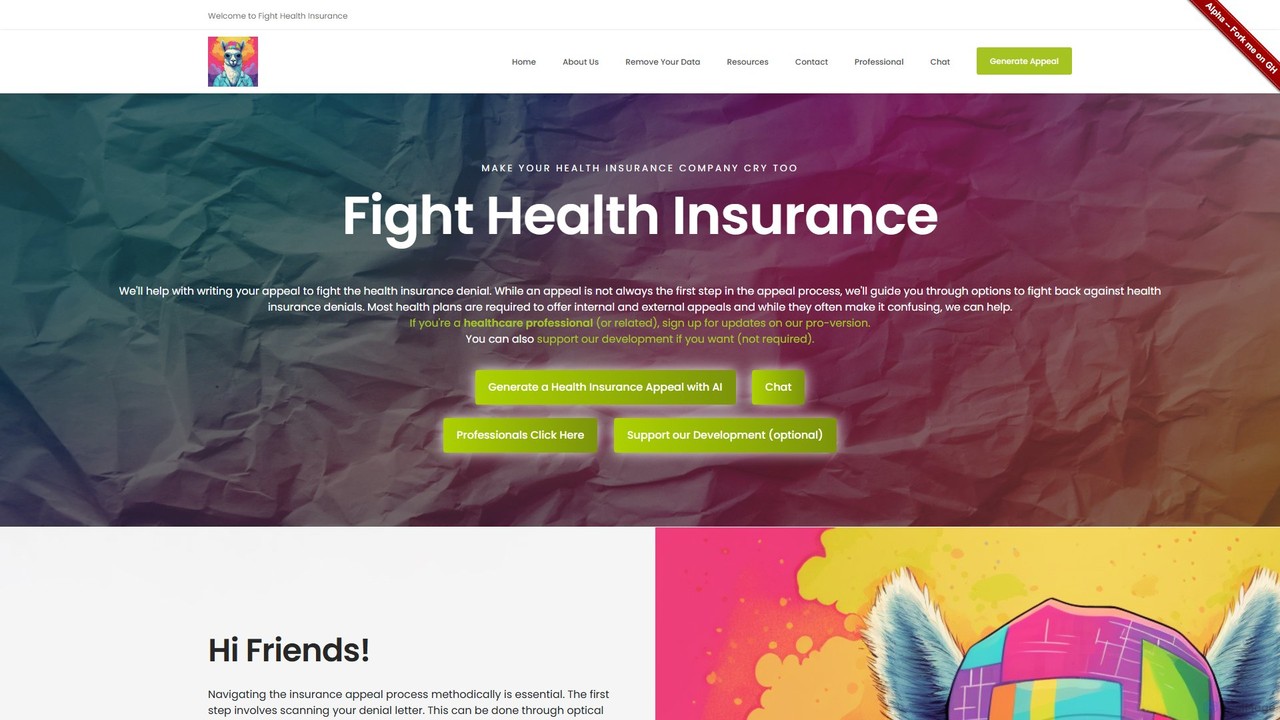
An AI-powered tool designed to help individuals in the U.S. fight health insurance denials. It simplifies the appeal process by using OCR to scan denial letters and generative AI to automatically draft comprehensive and effective appeal letters, empowering patients to secure the coverage they deserve.

Patient Advocacy
Visits 15KFavorites 121Likes 122

About Patient Advocacy

Patient Advocacy tools are AI-driven platforms designed to help patients and their families navigate the complexities of the healthcare system. They leverage natural language processing (NLP) to analyze medical records, insurance policies, and clinical data, providing personalized insights and actionable guidance. These tools empower users to understand their diagnoses, find appropriate treatments, manage medical bills, and communicate more effectively with healthcare providers. By automating information gathering and simplifying complex medical jargon, they act as a digital assistant for patient self-management and advocacy.

Core Features

  • Medical Record Analysis: Summarizes complex medical reports and lab results into understandable language.
  • Clinical Trial Matching: Scans databases to find relevant clinical trials based on a patient's specific condition.
  • Insurance & Billing Support: Helps decipher insurance policies, identify billing errors, and assist with claim appeals.
  • Treatment Option Navigation: Provides evidence-based information on different treatment paths and specialists.
  • Symptom & Side Effect Tracking: Allows users to log symptoms and potential side effects for better communication with doctors.

Use Cases

These tools are particularly valuable for patients with chronic illnesses, individuals facing a new or complex diagnosis, and caregivers managing a loved one's health. For example, a cancer patient can use them to find clinical trials, while a caregiver can coordinate appointments and medications for an elderly parent. They help in preparing for specialist consultations by summarizing medical history and suggesting relevant questions.

How to Choose

When selecting a Patient Advocacy tool, prioritize data privacy and compliance with regulations like HIPAA. Evaluate the accuracy and credibility of the information sources it uses. The user interface should be simple and accessible for non-technical users. Also, consider if the tool specializes in a specific condition (e.g., oncology, rare diseases) that aligns with your needs and whether it can integrate with existing patient portals or health apps.

Patient Advocacy use cases

1

Deciphering a Complex Diagnosis Report

A patient newly diagnosed with a rare autoimmune disease receives a lengthy pathology report filled with complex medical terminology. They use a Patient Advocacy tool to upload the document. The AI analyzes the report, translates jargon like 'histopathological findings' and 'immunohistochemical staining' into plain language, and highlights the key diagnostic markers. The tool generates a concise summary and a list of suggested questions to ask their rheumatologist, empowering the patient to have a more informed discussion about their condition and treatment options during their next appointment.

2

Finding a Suitable Clinical Trial

The caregiver of an Alzheimer's patient wants to explore cutting-edge treatment options. Using a Patient Advocacy platform, they input the patient's diagnosis, age, stage of the disease, and geographical location. The AI tool scans multiple clinical trial registries like ClinicalTrials.gov and presents a curated list of relevant trials. Each entry includes a simplified summary of the trial's purpose, eligibility criteria, study locations, and contact information, saving the caregiver hours of manual research and helping them identify potential opportunities to discuss with the patient's neurologist.

3

Managing Chronic Illness and Preparing for Appointments

A patient with type 2 diabetes uses a Patient Advocacy app to manage their condition. They regularly log blood glucose readings, meals, and activity levels. The app's AI identifies trends, such as blood sugar spikes after certain foods. Before a quarterly check-up with their endocrinologist, the patient uses the tool to generate a comprehensive summary report. This report visualizes blood sugar trends, lists current medications and dosages, and highlights any logged symptoms, enabling a more productive and data-driven conversation with their doctor about adjusting the treatment plan.

4

Appealing an Insurance Claim Denial

A user's insurance company denies a claim for a necessary MRI scan, citing it as 'not medically necessary'. The user uploads the denial letter and their insurance policy documents to a Patient Advocacy tool. The AI cross-references the denial reason with the policy's specific language and the doctor's referral notes. It identifies a clause in the policy that supports the claim and helps the user draft a formal appeal letter, citing the relevant policy sections and providing a structured argument. This automated assistance simplifies the complex appeals process and increases the user's chances of a successful outcome.

5

Coordinating Care for an Aging Parent

An adult child is managing the healthcare of their elderly parent who sees multiple specialists. They use a Patient Advocacy tool as a central hub. They input appointment dates, medication schedules, and upload visit summaries from the cardiologist, nephrologist, and primary care physician. The tool creates a unified timeline and medication list, flagging potential drug interactions. Before each appointment, it generates a summary of recent developments from other specialists, ensuring each doctor has a holistic view of the patient's health, which improves care coordination and reduces medical errors.

6

Researching Second Opinion Specialists

After receiving a serious diagnosis, a patient decides to seek a second opinion. They use a Patient Advocacy tool to find a highly-rated specialist. The tool allows them to filter doctors by specialty, location, patient reviews, and specific expertise (e.g., experience with a particular rare cancer). The AI analyzes data from various sources to provide a profile for each specialist, including their publication history, hospital affiliations, and areas of research. This helps the patient make an informed decision and find a suitable expert to review their case, streamlining a process that would otherwise require extensive manual searching.

Patient Advocacy FAQ

What are AI Patient Advocacy tools?

AI Patient Advocacy tools are digital platforms that use artificial intelligence to help patients manage their healthcare journey. They function as personal health assistants, simplifying complex medical information, assisting with administrative tasks like insurance claims, and providing resources for treatment options. Unlike general wellness apps, these tools are specifically designed to empower patients navigating serious or chronic conditions by making healthcare more understandable and manageable.

How to choose the right Patient Advocacy tool?

When selecting a tool, consider these key factors:

  • Data Security: Ensure the tool is compliant with health data privacy regulations (like HIPAA) and uses strong encryption to protect your sensitive information.
  • Specialization: Some tools focus on specific areas like oncology, rare diseases, or billing disputes. Choose one that aligns with your primary need.
  • Ease of Use: The interface should be intuitive and easy for someone without a technical or medical background to navigate.
  • Information Source: Verify that the tool draws its information from reputable, evidence-based sources such as peer-reviewed medical journals and official clinical trial registries.
Are Patient Advocacy tools a replacement for doctors?

No, absolutely not. AI Patient Advocacy tools are designed to be supplementary support systems, not replacements for professional medical advice. Their purpose is to help you organize information, understand complex topics, and prepare for consultations. They empower you to have more informed and effective conversations with your healthcare team. Always consult with a qualified healthcare professional for diagnosis, treatment, and any medical decisions.

What's the difference between a Patient Advocacy tool and a general health app?

General health apps typically focus on wellness, fitness tracking (steps, calories), and lifestyle management (meditation, sleep). Patient Advocacy tools serve a different, more critical purpose. They are specialized for navigating the complexities of the healthcare system itself. Key differences include:

  • Focus: Medical system navigation vs. personal wellness.
  • Data Handled: Complex clinical data (lab results, reports) vs. lifestyle data (steps, heart rate).
  • Primary Goal: To empower patients in decision-making for serious health conditions vs. promoting general health habits.
How do these tools ensure the privacy of my medical data?

Reputable Patient Advocacy tools prioritize data security through several measures. They typically use end-to-end encryption, meaning your data is scrambled during transmission and storage. They must comply with strict data privacy laws like HIPAA in the US or GDPR in Europe, which legally governs how patient health information is handled. Always review a tool's privacy policy and terms of service before uploading any personal health information to understand how your data will be protected, stored, and used.