
ToolMage
Sign in

Best 1 End Of Life Planning AI tools for Life

Popular End Of Life Planning AI tools in Life include Akeeva, helping you work more efficiently.

Akeeva
Freemium

Akeeva

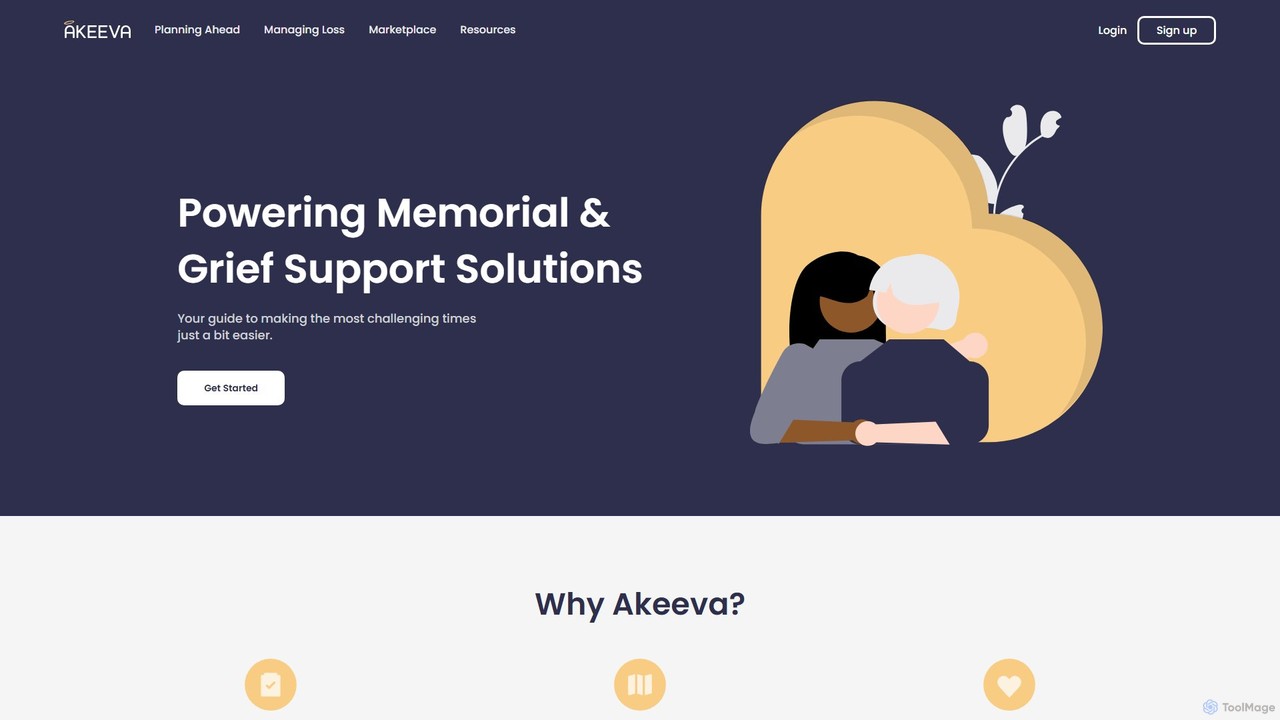
Akeeva is a comprehensive platform designed to simplify end-of-life planning and grief support. It offers tools for legacy planning, creating online memorials, and accessing a marketplace of trusted service providers. A key feature is its AI-powered Obituary Writer, which assists users in crafting heartfelt tributes, easing the burden during difficult times. Akeeva helps you organize your affairs, honor loved ones, and find support, all in one place.

Crowdfunding
Visits 5.8KFavorites 135Likes 108

About End Of Life Planning

AI End Of Life Planning tools are specialized platforms designed to help individuals organize their final affairs and digital legacy. These tools utilize guided workflows and secure data management to simplify the process of creating wills, managing assets, and recording final wishes. They provide a structured, private, and accessible way to handle sensitive information, ensuring peace of mind for users and their families. The AI component often helps personalize documents and checklists based on user input, ensuring comprehensive planning.

Core Features

  • Guided Will & Trust Creation: Generates legally-recognized documents through an interactive, step-by-step process.
  • Digital Legacy Management: Catalogs online accounts, social media profiles, and digital files with instructions for their management after passing.
  • Secure Document Vault: Offers encrypted storage for vital documents like birth certificates, insurance policies, and property deeds.
  • Final Wishes & Instructions: Provides a dedicated space to record funeral preferences, personal messages, and instructions for dependents or pets.
  • Information Sharing Control: Allows users to designate trusted individuals (executors, family) who can access specific information at the appropriate time.

Use Cases

These tools are valuable for any adult looking to proactively manage their estate and final arrangements. This includes young professionals creating their first will, parents planning for their children's future, and seniors organizing their affairs to reduce the burden on their loved ones. Financial advisors and estate lawyers also use these platforms to collaborate with clients and streamline the information-gathering process.

How to Choose

When selecting an End Of Life Planning tool, prioritize security features like end-to-end encryption and multi-factor authentication. Verify if the document generation feature complies with local legal standards. Consider the user interface; it should be clear, compassionate, and easy to navigate. Finally, evaluate the platform's features for sharing information with family or executors, ensuring the process is both secure and straightforward.

End Of Life Planning use cases

1

Creating a First Legal Will

A young professional in their early 30s decides to create their first will. Using an AI End Of Life Planning tool, they are guided through a series of questions about their assets, such as savings accounts and personal property. The AI helps them understand legal terms in simple language, designate an executor, and name beneficiaries. The platform then generates a legally sound document ready for signing and witnessing, completing a crucial task in under an hour without the high cost of a lawyer.

2

Organizing a Digital Legacy

A content creator with numerous online accounts, including social media, cloud storage, and domain names, uses a planning tool to manage their digital legacy. They catalog each account, providing login information and specific instructions. For their photo portfolio, they grant access to a family member to create a memorial archive. For other accounts, they schedule them for deletion. This ensures their digital footprint is handled according to their wishes, preventing identity theft and easing the burden on their family.

3

Recording Final Wishes and Messages

An elderly individual wants to ensure their final wishes are known and respected, without having difficult conversations. They use a platform's 'Final Wishes' module to specify their preferences for funeral arrangements, from music choices to whether they prefer burial or cremation. They also record heartfelt video messages for their children and grandchildren, which are stored securely and set to be delivered after their passing. This provides them with comfort, knowing their final sentiments will be shared.

4

Centralizing Vital Documents for an Executor

A couple uses a secure digital vault feature to centralize all their important documents. They upload scanned copies of birth certificates, marriage licenses, property deeds, insurance policies, and a list of financial accounts. They then grant time-delayed, secure access to their designated executor. When the time comes, the executor will receive a single, organized point of access to everything needed to settle the estate, drastically reducing the stress and time spent searching for paperwork during a difficult period.

5

Pre-planning Funeral Arrangements

To alleviate future stress for their family, a user decides to pre-plan their funeral. Using an AI planning tool, they are presented with a checklist of decisions, from choosing a funeral home to selecting music and readings for the service. They can research costs and options directly within the platform. Once their plan is complete, it is saved in their secure vault. This proactive step ensures their wishes are followed and prevents their family from having to make difficult decisions under emotional distress.

6

Providing Pet Care Instructions

A devoted pet owner wants to ensure their beloved dog will be cared for after they are gone. They use an End Of Life Planning tool to create a detailed 'Pet Trust' or instruction sheet. This document outlines the pet's daily routine, dietary needs, veterinarian contact information, and favorite toys. They also designate a caregiver and set aside funds for the pet's future care. This information is shared with the designated caregiver and executor, providing peace of mind that their companion will continue to receive loving care.

End Of Life Planning FAQ

What are AI End Of Life Planning tools?

AI End Of Life Planning tools are digital platforms that use guided processes to help users organize their affairs. They simplify complex tasks like creating a will, documenting final wishes, managing digital assets (like social media accounts), and storing important documents in a secure vault. The AI component helps by personalizing checklists and ensuring all necessary steps are considered, making the process more accessible and less overwhelming than traditional methods.

How to choose a reliable End Of Life Planning tool?

When choosing a tool, consider these four key factors:

  • Security: Ensure the platform uses strong encryption (like end-to-end encryption) and secure servers to protect your highly sensitive data.
  • Legal Validity: If you are creating a will, verify that the documents generated are legally compliant with the laws in your state or country.
  • Ease of Use: The interface should be intuitive, clear, and compassionate, guiding you through difficult topics without causing confusion.
  • Information Sharing: Check how the tool allows you to securely share information with your executor or family, and what controls you have over when it's shared.
What's the difference between an AI planning tool and a traditional lawyer?

The main differences are accessibility, cost, and scope. AI planning tools are generally more affordable and accessible 24/7, making them suitable for straightforward estate planning. They guide users through a standardized process. A traditional lawyer offers personalized legal advice, can handle complex estates with unique family or financial situations, and can represent you in legal disputes. For simple cases, an AI tool is a powerful starting point; for complex needs, a lawyer is recommended.

Why is it important to manage my digital legacy?

Managing your digital legacy is crucial in the modern world. It involves deciding what happens to your online accounts, photos, documents, and social media profiles. Proper management prevents your digital assets from being lost or inaccessible to your family. It also protects your personal information from potential identity theft after you're gone and ensures your online presence is handled respectfully, according to your wishes. This reduces the emotional and administrative burden on your loved ones.

Can I update my plan after creating it?

Yes, one of the major advantages of using a digital End Of Life Planning tool is the ability to easily update your information. Life events like marriage, the birth of a child, or a significant change in assets often require updates to your will and other documents. Most platforms allow you to log in securely and make changes to your plan at any time, ensuring it always reflects your current wishes and circumstances. It is a good practice to review your plan annually or after any major life event.