ToolMage
Sign in

Best 1 Events AI tools for Life

Popular Events AI tools in Life include FuneralFolio, helping you work more efficiently.

FuneralFolio
Freemium

FuneralFolio

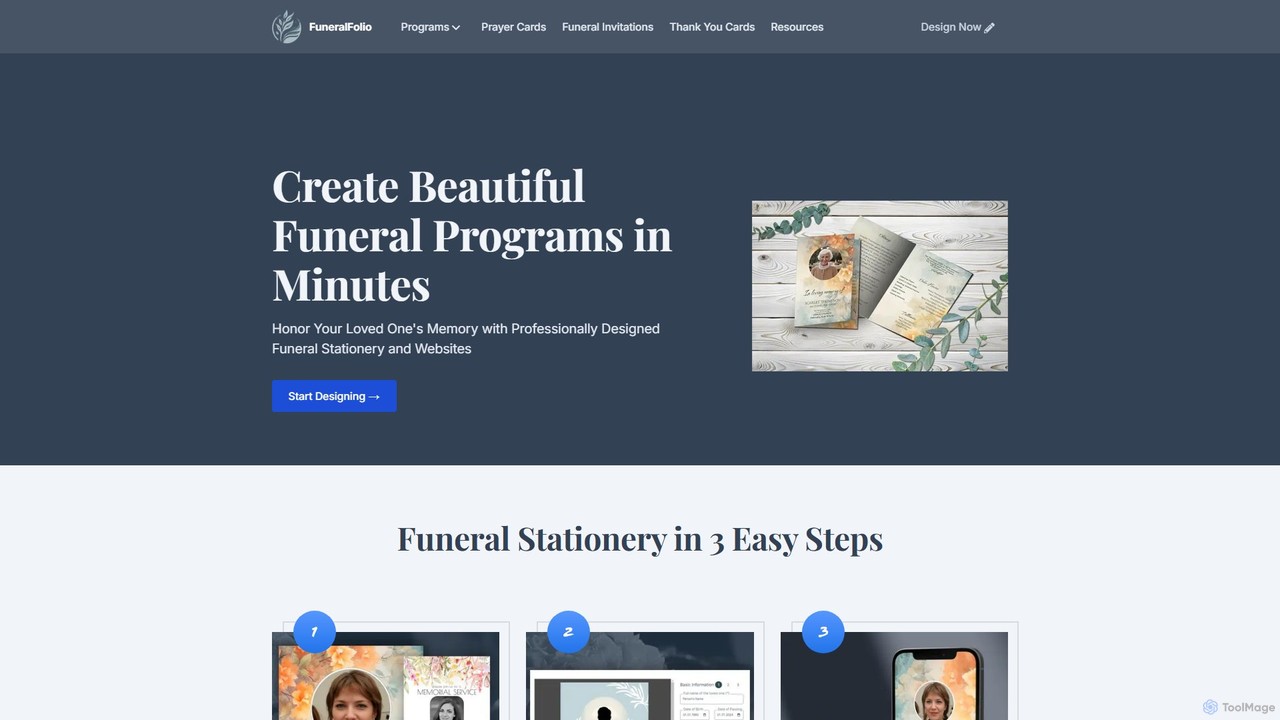
FuneralFolio is an AI-powered platform for creating beautiful and professional funeral stationery in minutes. It offers a wide range of templates for funeral programs, thank you cards, and memorial websites, simplifying the design process during a difficult time with an intelligent editor and flexible printing options.

Templates
Visits 30.2KFavorites 137Likes 144

About Events

AI Events tools are specialized platforms that leverage artificial intelligence to streamline and enhance the entire lifecycle of event management. These tools utilize advanced algorithms for automation, personalization, and data analysis, transforming how events are planned, executed, and experienced. They empower organizers to create more engaging, efficient, and impactful gatherings, from small workshops to large-scale conferences, significantly simplifying complex logistical challenges within the broader context of enhancing daily life and professional operations.

Core Features

  • Intelligent Scheduling & Logistics: Automate agenda creation, speaker coordination, venue booking, and resource allocation to optimize event flow.
  • Personalized Attendee Experience: Deliver tailored content recommendations, networking suggestions, and customized communication based on attendee profiles and behavior.
  • Content Generation & Promotion: Assist in drafting event descriptions, social media posts, email campaigns, and even visual assets to boost outreach.
  • Real-time Analytics & Feedback: Monitor attendee engagement, track key metrics, and gather instant feedback to make data-driven decisions during and after the event.
  • Virtual & Hybrid Event Management: Provide robust features for managing online platforms, live streaming, interactive sessions, and seamless integration of physical and virtual components.

Applicable Scenarios

Event organizers use these tools to manage large conferences, trade shows, and corporate gatherings, automating registration, scheduling, and attendee engagement. Marketing teams leverage AI for webinar promotion and lead generation events, while HR departments utilize them for internal training sessions and employee engagement activities. Individuals can also benefit from AI assistance for personal celebrations or community meetups, simplifying coordination and communication.

How to Choose

When selecting an AI Events tool, consider its core functionalities, such as scheduling automation, personalization capabilities, and analytics depth, ensuring they align with your event's specific needs. Evaluate its integration potential with existing CRM, marketing, or communication platforms. Assess the scalability to handle varying event sizes and the ease of use for your team. Finally, compare pricing models and customer support to find a solution that offers the best value and reliability for your budget.

Events use cases

1

Automating Conference Registration & Check-in

Conference organizers can deploy AI-powered registration systems to handle attendee sign-ups, payment processing, and badge printing automatically. AI can also manage waitlists, send personalized reminders, and facilitate a smooth, rapid check-in process on-site, significantly reducing manual workload and improving the attendee's first impression.

2

Personalizing Event Agendas for Attendees

Event planners use AI to analyze attendee profiles, interests, and past interactions to suggest highly relevant sessions, workshops, and networking opportunities. This ensures each participant receives a customized agenda, maximizing their engagement and the value they derive from the event, leading to higher satisfaction rates.

3

Generating Marketing Content for Webinars & Workshops

Marketing teams leverage AI Events tools to quickly generate compelling promotional copy for webinars, workshops, and online courses. The AI can draft social media posts, email newsletters, and website descriptions, adapting the tone and style to target specific audience segments, thereby increasing registration rates and outreach efficiency.

4

Optimizing Venue Layout and Resource Allocation

Event managers utilize AI to simulate and optimize venue layouts, seating arrangements, and resource distribution (e.g., catering, AV equipment). By analyzing historical data and real-time constraints, AI can suggest the most efficient setup, minimize bottlenecks, and ensure optimal utilization of space and personnel, reducing operational costs.

5

Facilitating Interactive Q&A in Virtual Events

For virtual and hybrid events, AI tools can moderate live Q&A sessions, filter questions by relevance or popularity, and even suggest answers to common queries. They also enable dynamic polling and interactive quizzes, boosting audience participation and providing immediate insights into attendee sentiment and understanding.

6

Analyzing Post-Event Feedback for Improvement

Event organizers use AI to process vast amounts of post-event feedback, including survey responses, social media mentions, and sentiment analysis from session transcripts. The AI identifies key themes, areas for improvement, and highlights successes, providing actionable insights for refining future events and enhancing attendee satisfaction.

Events FAQ

What are AI Events tools?

AI Events tools are software solutions that integrate artificial intelligence to automate, personalize, and optimize various aspects of event planning and execution. They leverage machine learning, natural language processing, and data analytics to handle tasks like scheduling, attendee engagement, content generation, and real-time monitoring, making event management more efficient and effective.

How do AI Events tools enhance event planning?

AI Events tools significantly enhance event planning by automating repetitive tasks such as registration and scheduling, freeing up organizers' time. They personalize attendee experiences through tailored recommendations, improve marketing outreach with AI-generated content, and provide data-driven insights for better decision-making, ultimately leading to more successful and engaging events.

What's the difference between traditional event software and AI Events tools?

Traditional event software primarily offers organizational features like calendars and contact management, requiring manual input for most tasks. AI Events tools, however, go beyond automation by incorporating intelligence: they can predict trends, personalize interactions based on data, generate content autonomously, and offer real-time optimization, providing a more dynamic and proactive approach to event management.

Which types of events benefit most from AI tools?

AI Events tools are highly beneficial for a wide range of events, especially large-scale conferences, trade shows, and corporate events due to their complexity and high volume of attendees. Virtual and hybrid events also greatly benefit from AI for seamless online interaction and data analysis. Even smaller workshops or community gatherings can leverage AI for streamlined logistics and enhanced participant engagement.

What should I consider when choosing an AI Events tool?

When choosing an AI Events tool, evaluate its specific AI capabilities (e.g., personalization, automation, analytics), ensuring they align with your event goals. Consider its scalability for different event sizes, integration with your existing tech stack, and user-friendliness for your team. Also, assess the vendor's support, security features, and pricing structure to ensure it meets your budget and operational needs.