Life Best in category 1 results Health AI Tool

Popular AI tools in the Health field of Life include CT Read, etc., helping you quickly improve efficiency.

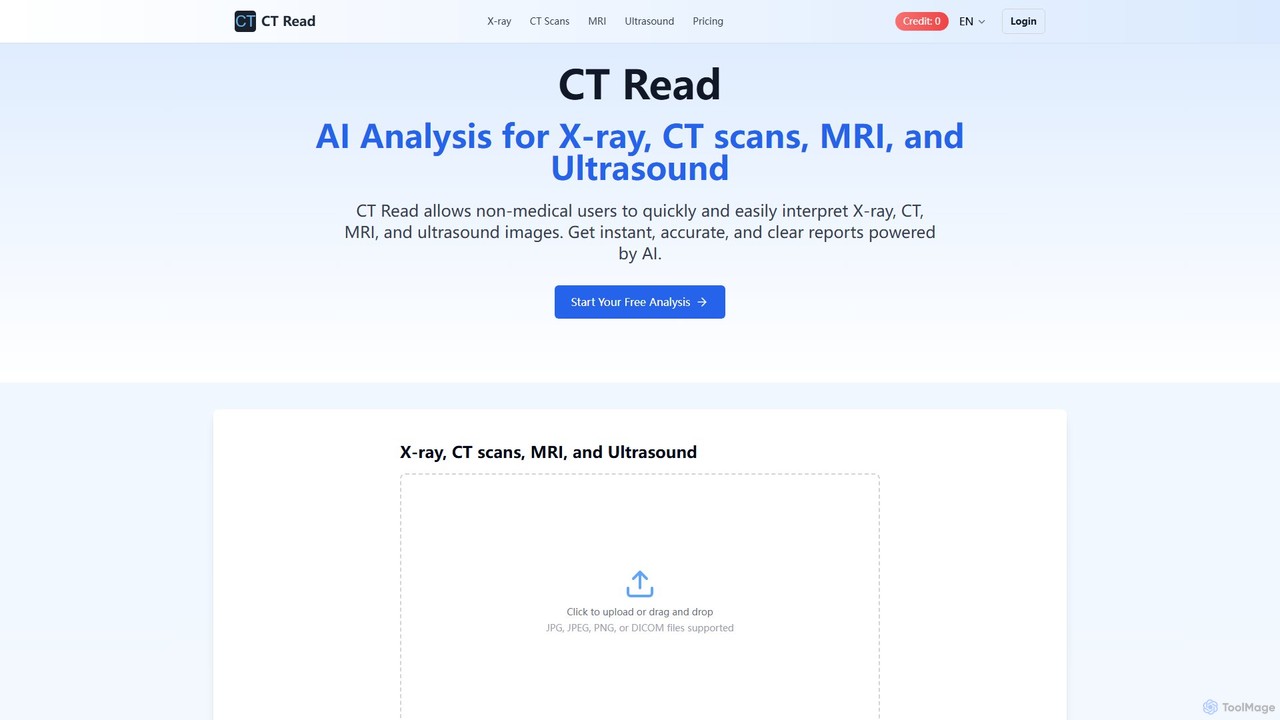
CT Read

CT Read

CT Read is an AI-powered tool that provides instant analysis and easy-to-understand reports for medical images like X-rays, …

96.8K

About Health

Health AI tools are advanced applications leveraging artificial intelligence to enhance, monitor, and manage various aspects of human health and well-being. These tools utilize machine learning, natural language processing, and computer vision to provide personalized insights, support diagnostics, and streamline healthcare processes. They play a crucial role in the broader 'Life' category by directly impacting an individual's physical and mental vitality, offering innovative solutions for preventive care, disease management, and overall wellness optimization.

Core Features

  • Personalized Health Monitoring: Track vital signs, activity levels, sleep patterns, and dietary intake to offer tailored health insights.
  • Diagnostic Assistance: Analyze medical images (e.g., X-rays, MRIs) and patient data to aid in early disease detection and risk assessment.
  • Mental Wellness Support: Provide AI-driven chatbots for therapy, mood tracking, stress management, and guided mindfulness exercises.
  • Drug Discovery & Research: Accelerate the identification of potential drug candidates, predict molecular interactions, and optimize clinical trial design.
  • Administrative Automation: Streamline healthcare operations such as patient scheduling, medical coding, and insurance claims processing.

Use Cases

Individuals can use these tools for proactive health management, such as monitoring chronic conditions or optimizing fitness routines. Healthcare providers leverage them for enhanced diagnostic accuracy and administrative efficiency. Researchers utilize AI for accelerating drug discovery and understanding complex biological data, leading to more targeted treatments and improved patient outcomes.

How to Choose

When selecting Health AI tools, prioritize data privacy and security features, ensuring compliance with regulations like HIPAA or GDPR. Evaluate the accuracy and evidence-based efficacy of the algorithms, especially for diagnostic or treatment-related applications. Consider integration capabilities with existing health systems or wearable devices, user-friendliness, and the level of personalized support offered. Finally, assess the transparency of the AI's decision-making process and the vendor's commitment to ethical AI practices.

HealthUse Cases

1

Personalized Fitness & Nutrition Planning

Fitness enthusiasts or individuals aiming for a healthier lifestyle can use AI health tools to generate tailored workout routines and meal plans. By inputting personal data such as activity levels, dietary preferences, health goals, and existing conditions, the AI analyzes this information to create optimized schedules. This ensures plans are effective, safe, and aligned with individual needs, helping users achieve their fitness and nutrition objectives more efficiently than generic programs.

2

Early Disease Detection & Risk Assessment

Healthcare providers and diagnostic centers utilize AI health tools to enhance the accuracy and speed of disease detection. AI algorithms can analyze vast amounts of medical images (e.g., X-rays, MRIs, CT scans) or patient records, identifying subtle patterns or anomalies that might be missed by the human eye. This capability supports early diagnosis of conditions like cancer, cardiovascular diseases, or neurological disorders, enabling timely intervention and potentially improving patient outcomes significantly.

3

Mental Health Support & Coaching

Individuals seeking accessible mental health support can engage with AI-powered chatbots or virtual coaches. These tools offer confidential, on-demand assistance for managing stress, anxiety, or improving overall emotional well-being. They can provide guided meditation, cognitive behavioral therapy (CBT) exercises, mood tracking, and coping strategies, making mental health resources more readily available and reducing barriers to seeking help, especially for those who might be hesitant to consult a human therapist initially.

4

Chronic Disease Management

Patients with chronic conditions like diabetes, hypertension, or heart disease can benefit from AI health tools that provide continuous monitoring and personalized management plans. These tools can track vital signs, glucose levels, medication adherence, and symptoms, alerting patients and caregivers to potential issues. By analyzing trends and providing timely feedback, AI helps individuals better manage their conditions, prevent complications, and improve their quality of life, often reducing the need for frequent hospital visits.

5

Drug Discovery & Development Acceleration

Pharmaceutical researchers and biotech companies leverage AI health tools to significantly accelerate the drug discovery and development process. AI algorithms can analyze vast chemical libraries, predict molecular interactions, identify potential drug candidates, and even optimize clinical trial design. This drastically reduces the time and cost associated with bringing new treatments to market, enabling faster innovation in areas like oncology, infectious diseases, and rare genetic disorders, ultimately benefiting patients globally.

6

Healthcare Administrative Efficiency

Healthcare administrators and support staff can utilize AI tools to automate routine and time-consuming administrative tasks. This includes intelligent scheduling of appointments, automated medical coding for billing, processing insurance claims, and managing patient records. By offloading these repetitive tasks to AI, healthcare facilities can reduce operational costs, minimize human error, and free up staff to focus on more critical patient-facing responsibilities, thereby improving overall efficiency and patient experience.

HealthFrequently Asked Questions